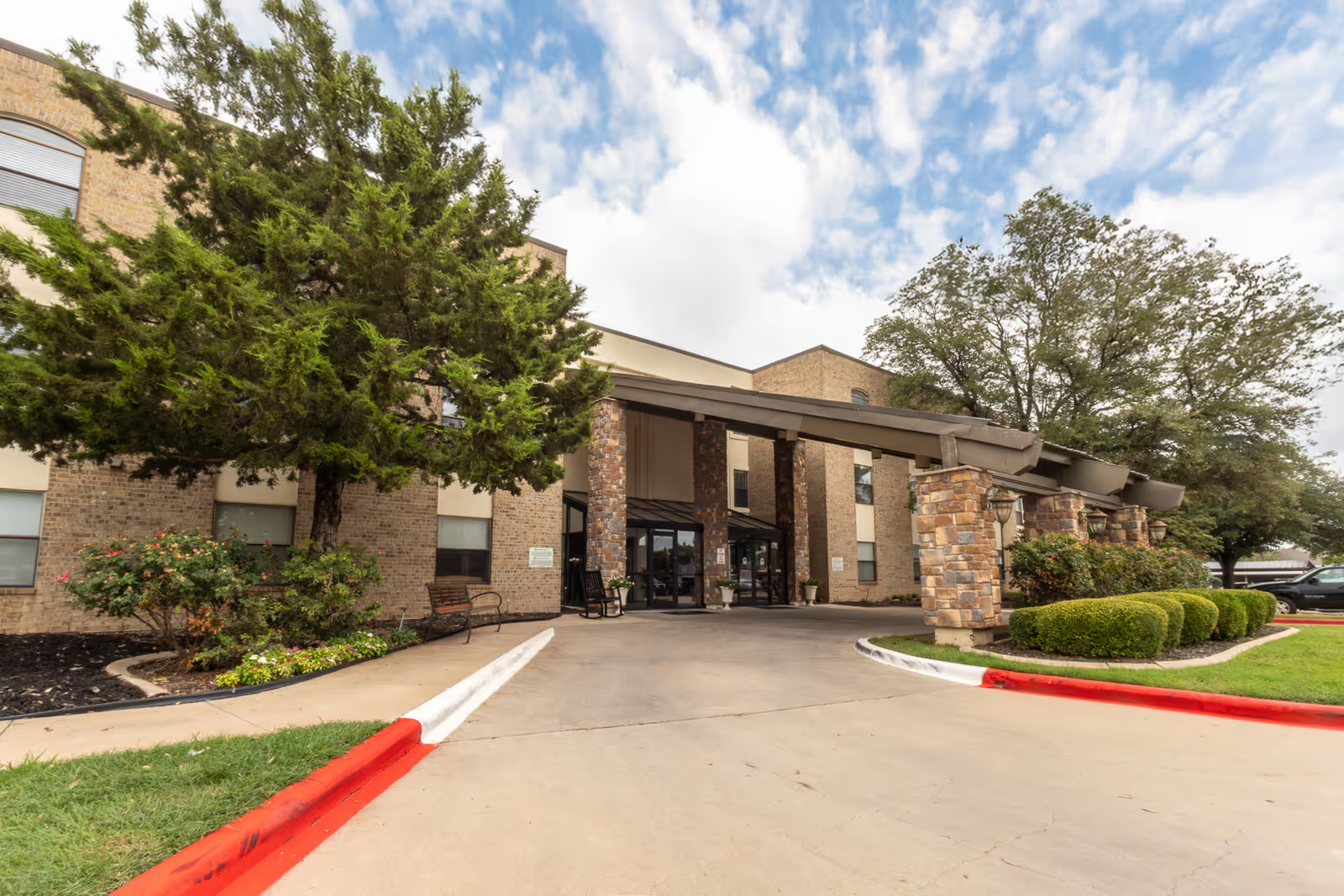
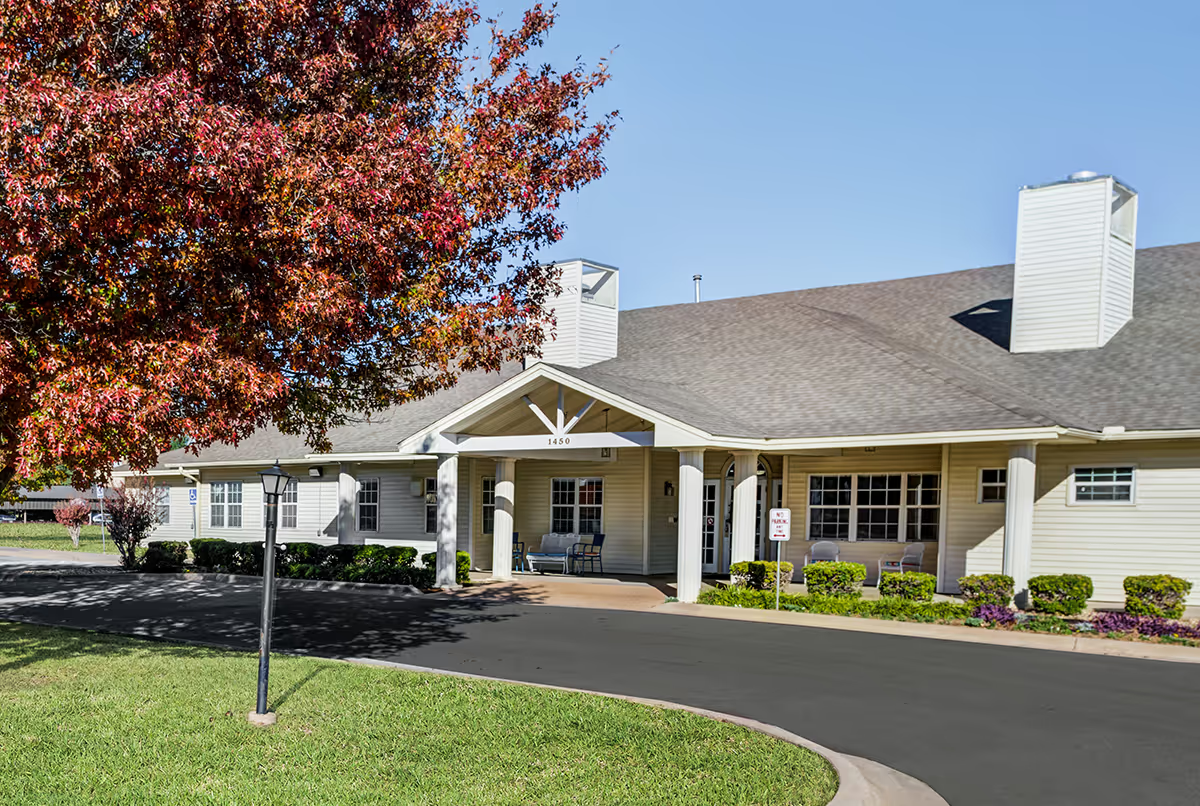
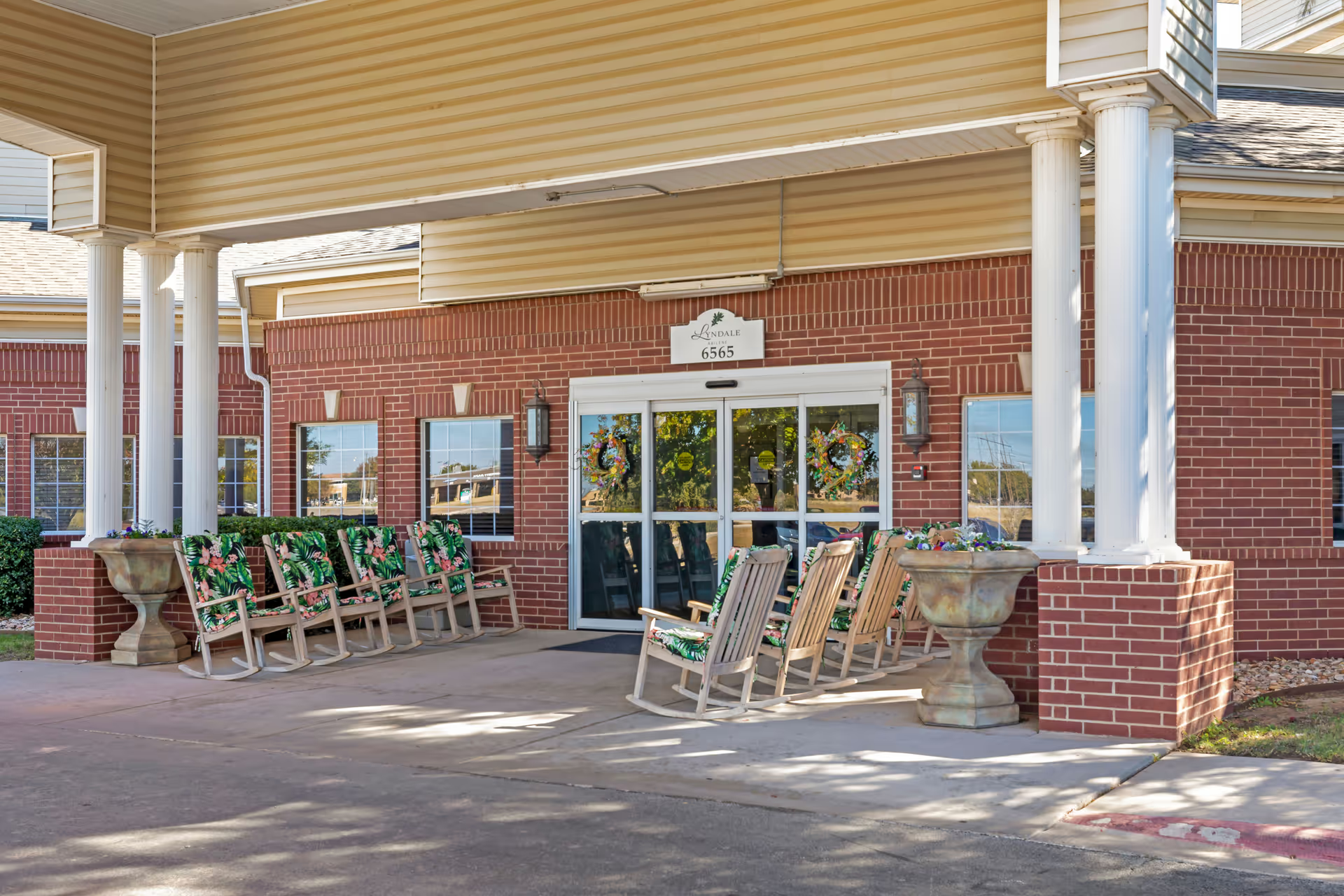
The reviews present a polarized picture of Coronado Nursing and Rehabilitation Center, with clear strengths alongside recurring operational weaknesses. Positive accounts emphasize compassionate, hands-on nursing and CNA care, consistent rehabilitation and physical-therapy services, and a robust activity schedule that includes social and spiritual options. Several families and residents described a welcoming community, clean resident rooms, recent facility updates, and examples of proactive staff communication and recognition programs that support staff morale.
Conversely, a number of reviews describe systemic issues that affect quality of care and family confidence. Clinical oversight appears inconsistent: reviewers described variable care outcomes, wound- and skin-integrity concerns for some residents, and gaps in care continuity during transfers or after discharge. Chronic understaffing and turnover were commonly implicated in delays attending to residents and in uneven staff professionalism. Relatedly, there are repeated accounts of unanswered phone calls, difficulty reaching reception or leadership, and limited accessibility for families seeking updates.
Operational and maintenance matters also recur. Several reviewers note plumbing and hot-water problems, flooding, and a leaking kitchen/dishwasher area; these infrastructure issues have interfered with resident comfort and housekeeping. Personal-property management and tracking appear problematic in some cases, with instances of missing or mishandled items cited. Meal and dining quality were described inconsistently across reviews, with some families bringing supplemental food due to perceived limitations in menu suitability.
Management and safety patterns are mixed. Some families reported visible improvement and greater engagement under newer leadership, including hands-on administrators who earned staff respect. Other reviews describe weak follow-through on complaints, dismissive communication, and concerns about incident response and transparency; there are also allegations about concealment or insufficient investigation of adverse events. Security and safety procedures were questioned in a few accounts (for example, unwitnessed resident departures and an external-security incident) and prompted calls for stronger protocols and family notification practices.
For prospective residents and families, the material suggests that care experience may depend heavily on current staffing, unit assignment, and the attention of on-site leadership. Positive aspects to verify during a tour or meeting include the availability and scope of rehab and wound-care services, the activity schedule, and evidence of recent renovations. Important topics to discuss with leadership and to document before admission are staffing ratios, protocols for property management, incident reporting procedures, family communication expectations (including call-response practices), and planned infrastructure repairs. Observing active care routines, reviewing recent inspection records, and speaking directly with current families can help clarify whether the facility’s strengths align with an individual resident’s needs and risk profile.