Wisteria Place is described predominantly as a small, community‑oriented assisted living campus with strengths in staffing culture, rehabilitation services, and bundled service offerings. Many families emphasize a compassionate, resident‑focused staff presence, with continuous coverage and attentive nursing and med‑tech support. The campus offers a spectrum of care — independent apartments, cottages, assisted living, a memory care unit, and affiliated skilled‑care/rehab services — which reviewers cite as a convenience for continuity of care. On‑site therapists and access to a gerontologist or physician are recurring positives, as is an emphasis on rehabilitation and transitions between levels of care.
Dining and daily life are mixed areas. A number of reviews praise nutritious, tasty meals and the convenience of meals being included in the monthly rate; the dining room is often noted as social and visible from resident suites. At the same time, there are recurrent comments about variability in meal quality, occasional cold meals, and an overall sense that dining consistency can fluctuate. Housekeeping, linens, and bundled utilities are frequently called out as included services, contributing to a home‑like experience for many residents.
Activities programming is a clear strength when staffed and led well. The activities director receives particularly high praise for engagement, individualized attention, and organizing outings such as shopping and medical transportation. Reviewers also note regular on‑campus programming — exercise classes, arts and crafts, bingo, chapel, and Bible study — which supports socialization. However, several families observed that activity offerings can decline when leadership changes, indicating program continuity is sensitive to staffing turnover.
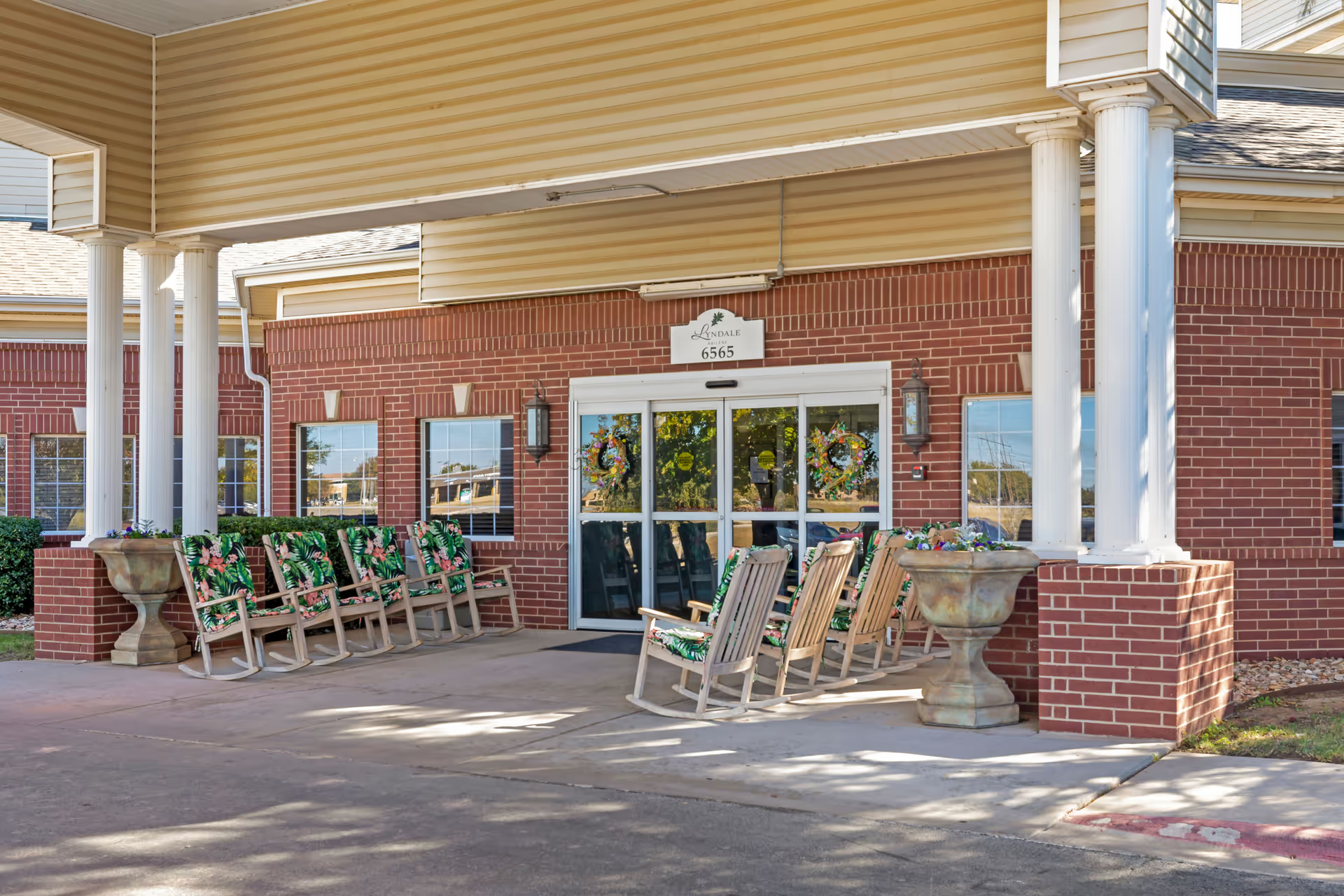
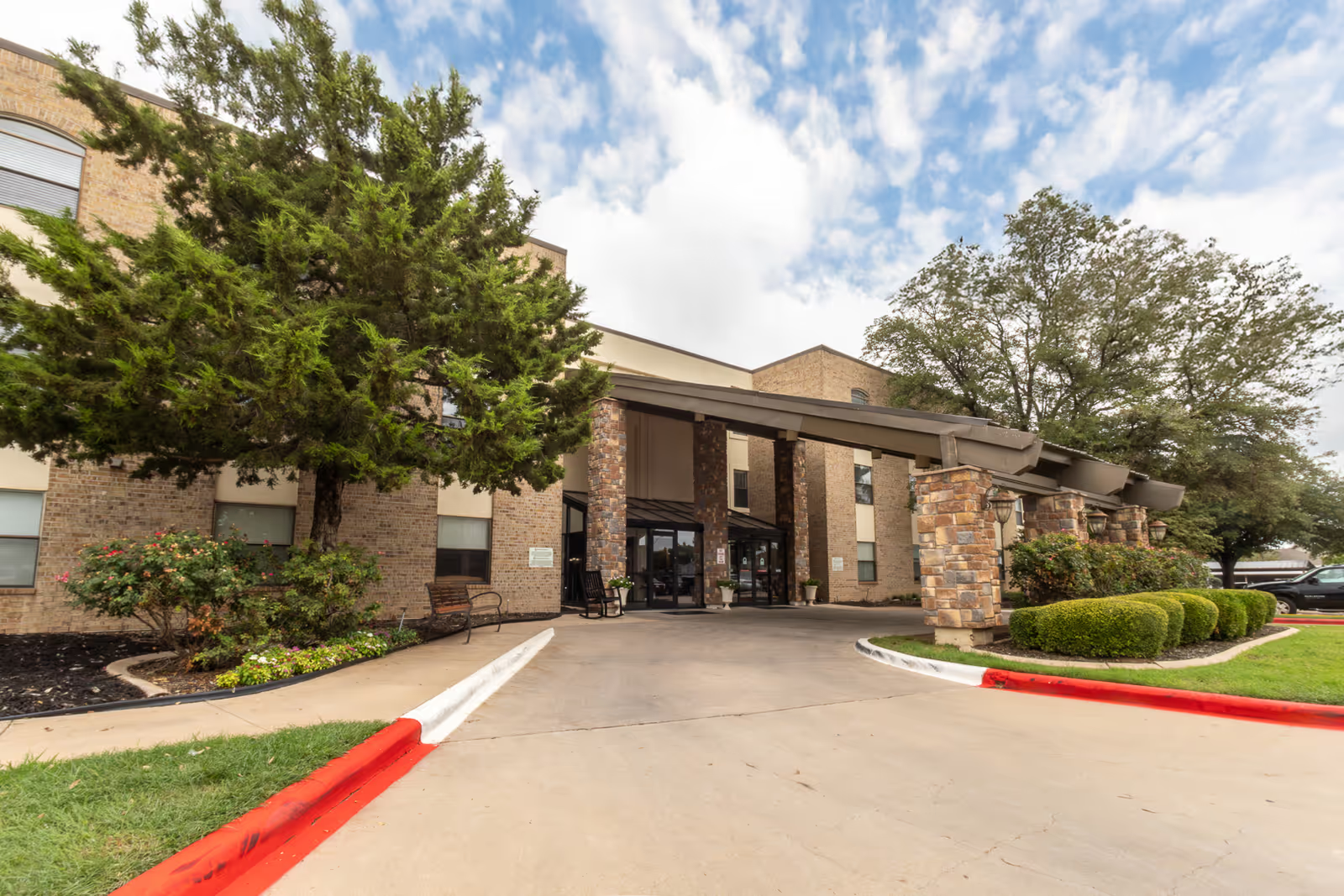
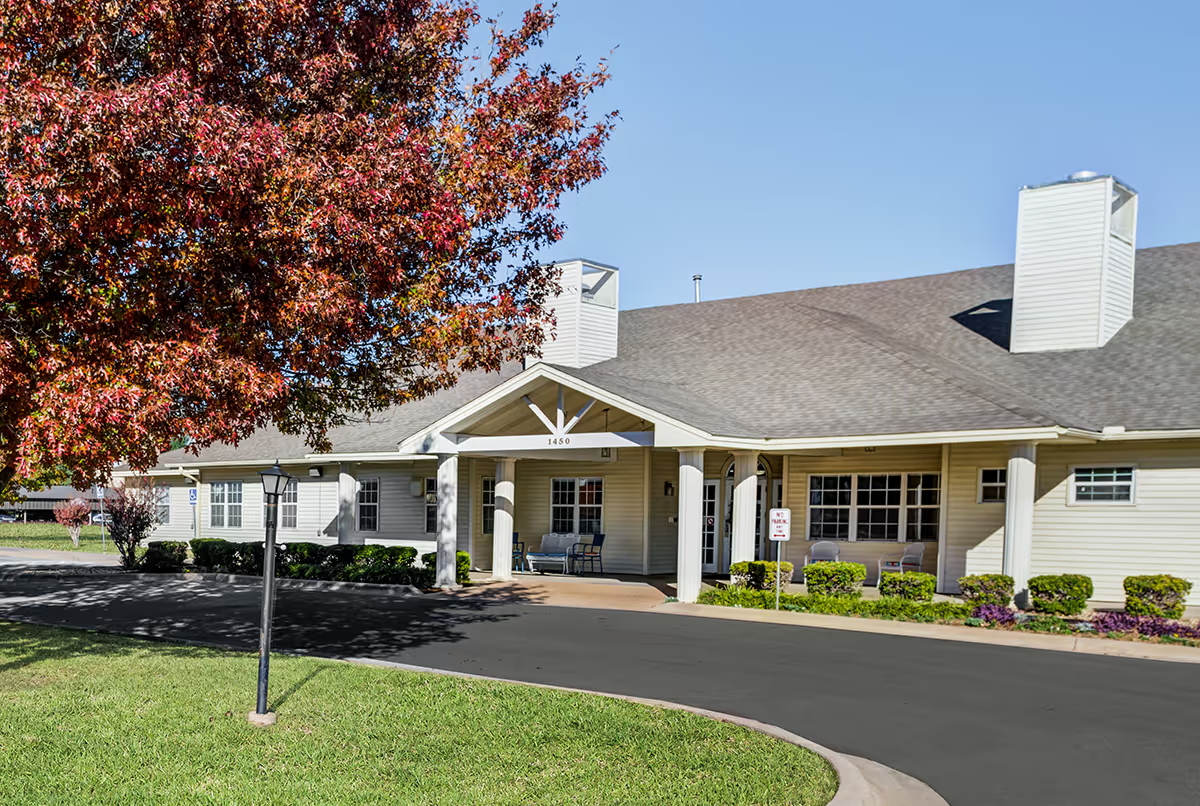
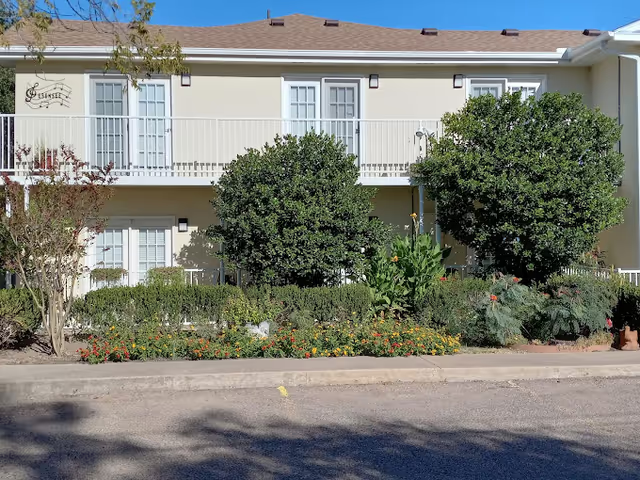
Facilities are described as generally well maintained with pleasant grounds, a bright courtyard, and attractive cottage options. Portions of the campus are older or have smaller rooms; some units are characterized as dated or compact, while cottages and certain apartments are highlighted as especially comfortable. Maintenance and groundskeeping receive consistent compliments.
Operational concerns arise primarily around staffing consistency and personal‑care delivery. Multiple comments suggest variability in staffing levels that can translate to delays or gaps in assistance with ADLs (bathing, transfers, feeding), and some families raised specific concerns about hydration/nutrition assistance and medication oversight. Laundry management and occasional cleanliness or sanitation issues were also noted, including instances of lost clothing and area‑specific cleanliness concerns. Several reviewers pointed to uneven performance at affiliated skilled‑care units, indicating that quality may vary across on‑campus services.
Management and communication are generally viewed positively: reviewers praise transparent pricing, straightforward admissions, accessible leadership, and responsive resolution of issues. Families frequently expressed peace of mind when communication channels were open and staff engaged proactively. In weighing Wisteria Place, prospective residents and families should balance the facility’s strong culture of compassionate caregiving, rehabilitation resources, and active programming against the operational variability in staffing, ADL assistance, dining consistency, and laundry/cleanliness processes. A focused discussion with management about staffing ratios, medication and hydration protocols, laundry procedures, and activity leadership continuity is recommended during any tour or decision process.