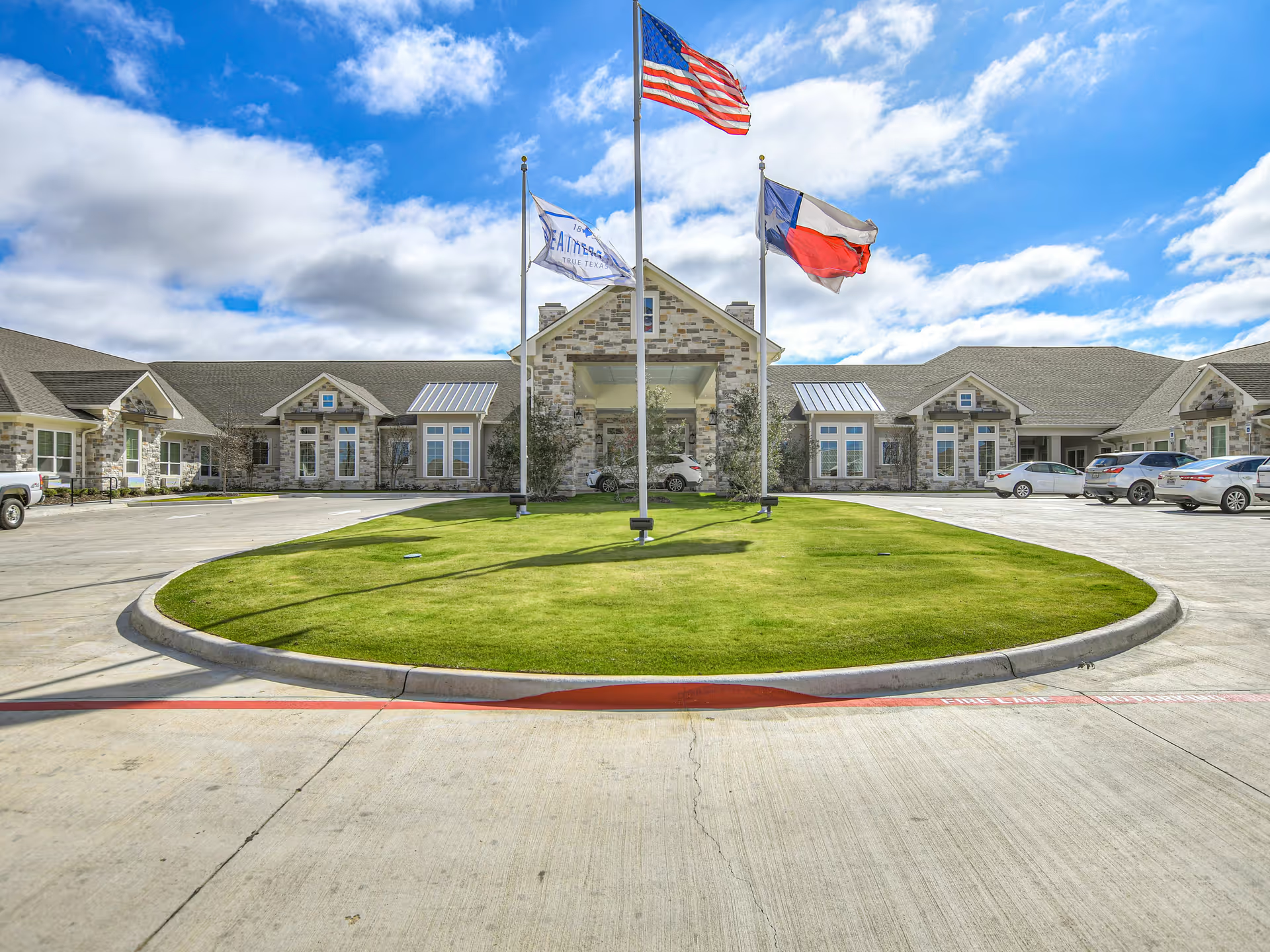
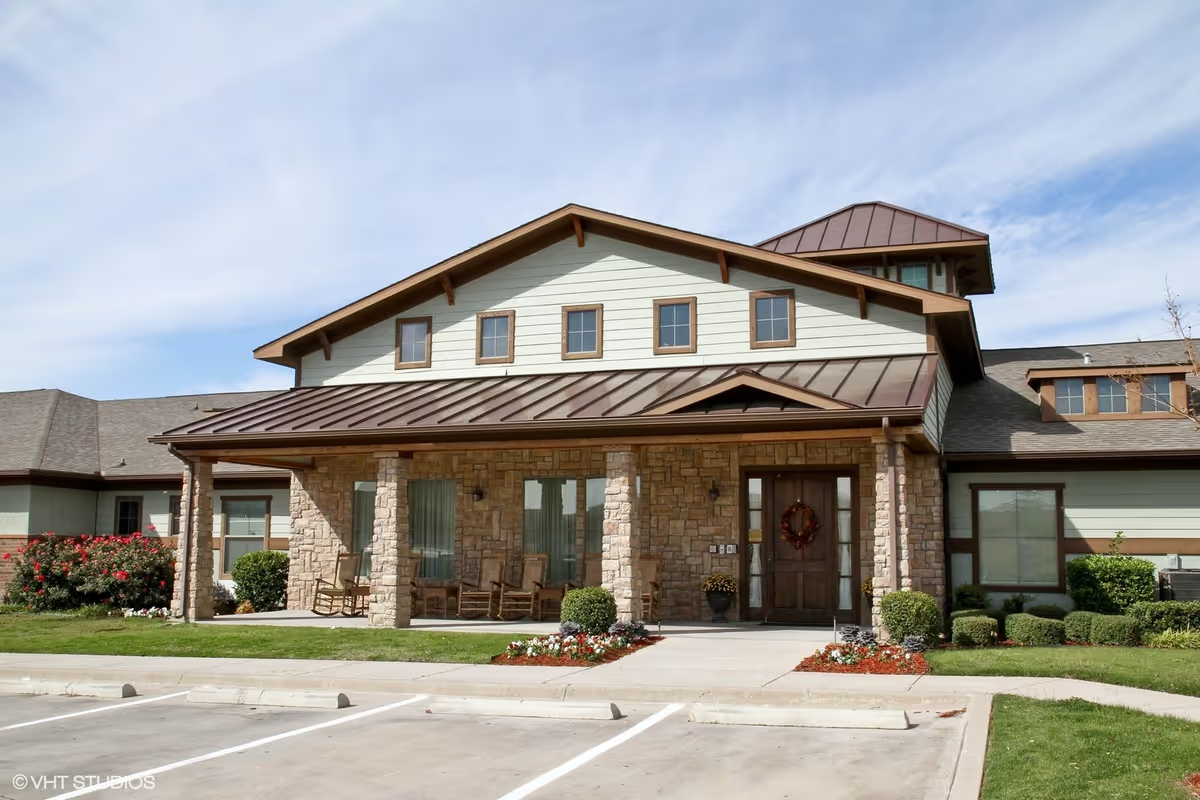
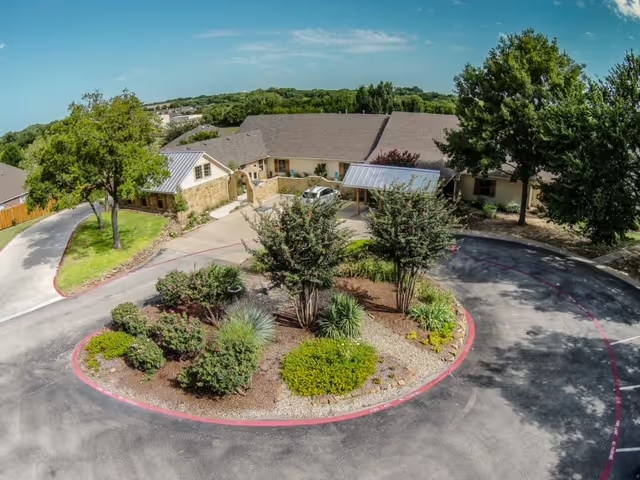
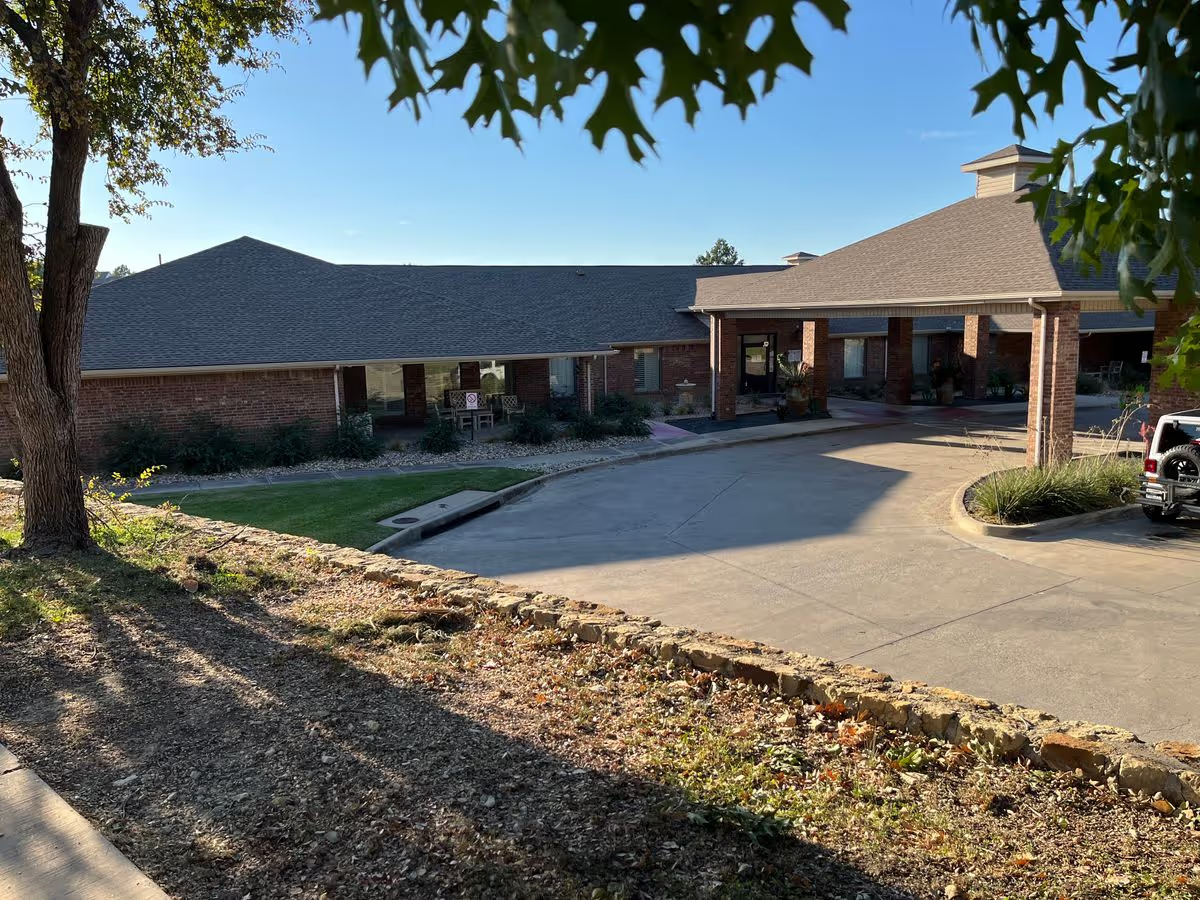
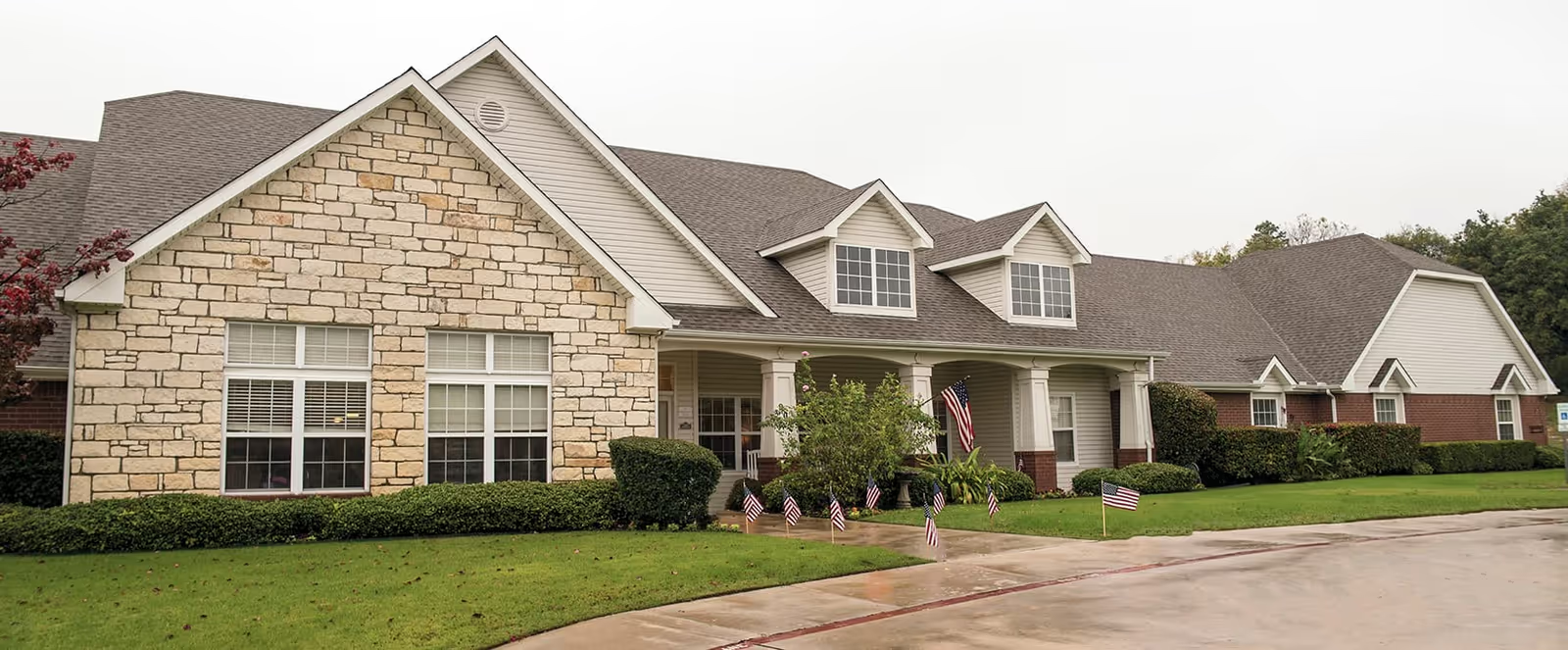
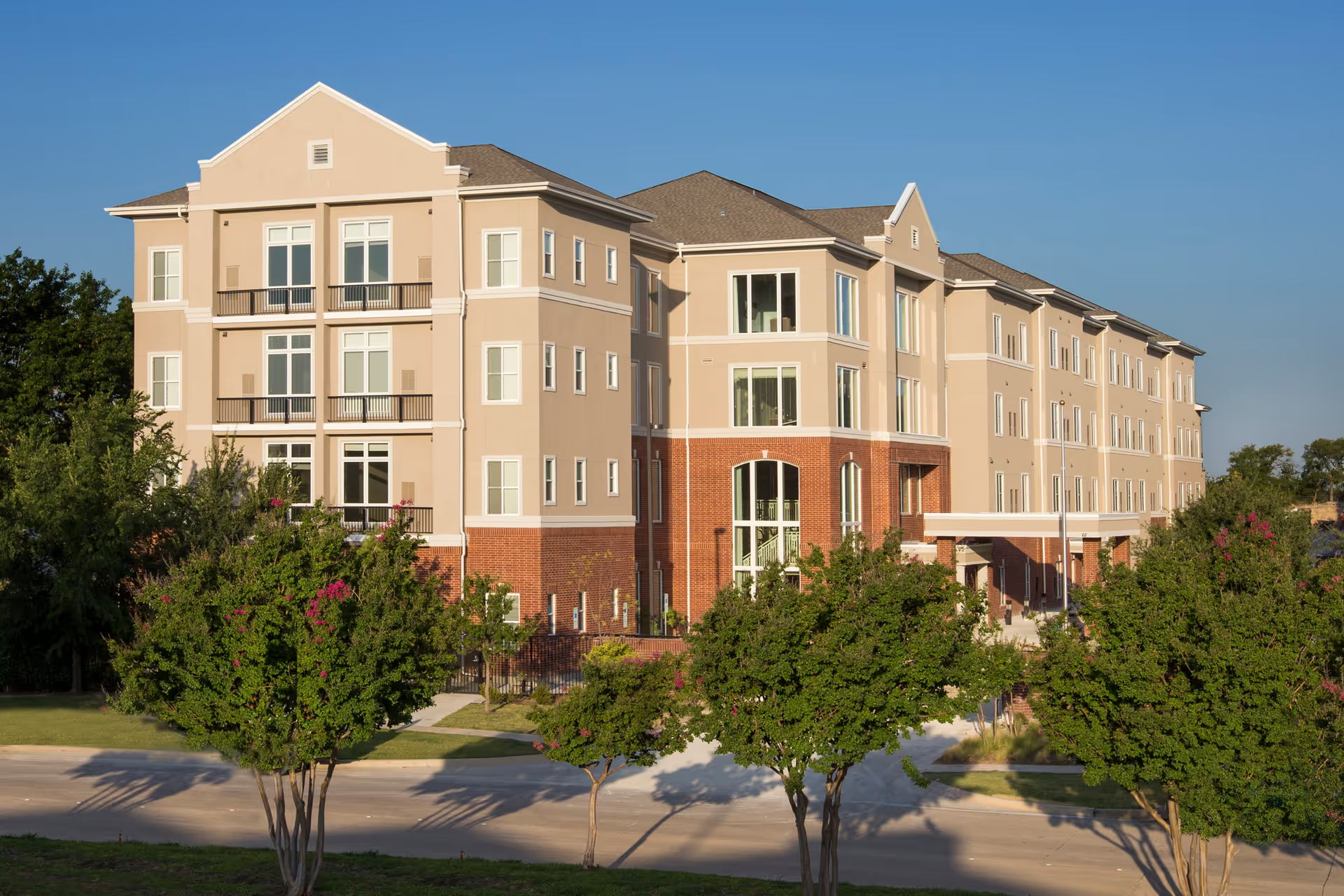
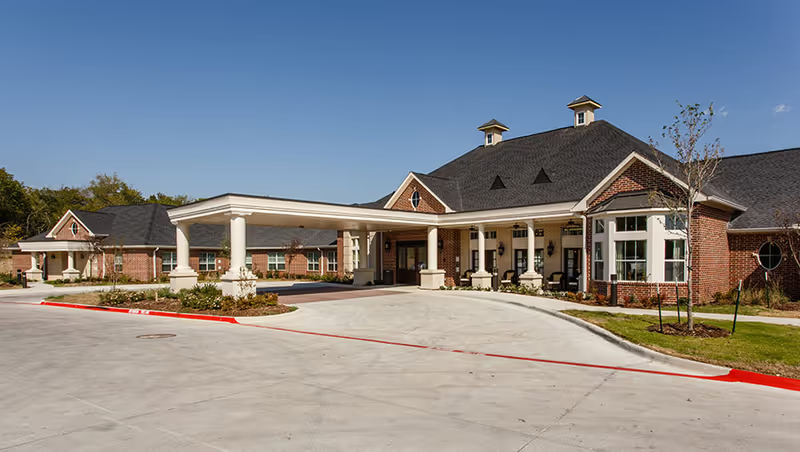
The reviews present a polarized picture of The Harvest of Aledo. Many families praise the physical plant and elements of daily life: the community is frequently described as new, bright, and well maintained, with comfortable rooms, pleasant grounds, and several on-site amenities such as a salon and theatre. Multiple comments single out compassionate direct-care staff and memory-care teams, along with a nursing-certified director who understands Alzheimer’s disease. An on-site chef and organized dining offerings receive strong positive remarks from a number of families, and several reviewers said the community delivered meaningful reassurance and relief during placement.
At the same time, a recurring set of operational weaknesses emerges. Staffing levels and turnover are a central concern: reviewers describe understaffing, long waits for assistance, and frequent personnel changes that appear to affect continuity of care. Those staffing challenges are linked to inconsistent execution of routine tasks — examples include irregular bathing and dressing assistance, missed or late medication administrations, delays in medication refills, and inconsistent housekeeping, laundry, and linen-change practices. These are best understood as systemic scheduling and staffing shortfalls rather than isolated incidents.
Dining and food service are another area of mixed performance. While some families praise a talented chef and fresh menu choices, others describe variable meal quality, cold or delayed service, repetitive menus, and portion or texture issues that make meals difficult for some residents. Reviewers also raised concerns about dining staffing levels and service speed, which appear to contribute to the variability in dining experience.
Communication and management responsiveness are additional patterns in the feedback. Several families reported difficulties obtaining timely answers from administration, delayed follow-up on complaints, and perceived lack of accountability from higher-level management or corporate representatives. There are also specific claims about staff departures after raising concerns; these claims point to workplace-culture and leadership challenges that influence morale and turnover. Access-control and visitor-entry procedures — including locked doors and perceived difficulty entering or exiting — were noted as a practical inconvenience for some visitors.
Activities and social programming receive generally positive notes about engagement and variety (field trips, holiday meals, and organized events), but there are also complaints about unclear or inconsistent activity scheduling and low resident participation at times, which appears tied to staffing and programming coordination. Value-for-cost perceptions vary widely: some families feel the fees are appropriate given care and amenities, while others perceive price increases or continuing charges without consistent service follow-through.
In summary, The Harvest of Aledo combines many of the attributes prospective residents and families seek — modern, well-kept facilities; dementia-aware leadership; caring direct caregivers; and substantive amenities — with operational risk areas common to growing or newly established communities. Key areas to clarify during a tour or before move-in are staffing ratios and turnover, medication and pharmacy procedures, housekeeping and laundry protocols, meal-service scheduling and alternatives for residents with chewing or texture needs, and the community's communication and escalation pathways for family concerns. These focused questions can help families weigh the facility’s strong points against the operational inconsistencies described by other families.