Review sentiment is mixed: many accounts praise the facility's clinical therapy capabilities, compassionate direct-care staff, and an attractive, modern building, while a number of operational concerns create uneven overall performance. Objective indicators include a low Medicare rating (1) cited in reviews alongside frequent praise for rehabilitation outcomes and certain strong staff members. Prospective residents and families are likely to encounter both high-quality therapeutic care and recurring facility-level weaknesses.
Care and staff: The facility receives consistent positive comments about the bedside demeanor and dedication of CNAs, nurses, and therapists. Rehabilitation services are described as robust, with on-site physical and occupational therapy that produces measurable progress for many residents. At the same time, reviewers describe operational gaps that affect clinical reliability: understaffing or low staff-to-resident ratios, missed medication administrations, delayed or inconsistent bathing and personal-care schedules, and occasional failures in incident documentation (for example, falls or medication losses). These issues suggest variability in day-to-day clinical performance despite pockets of strong caregiving.
Dining and activities: Dining is a recurrent concern. Several accounts describe food as bland with limited fresh fruit and vegetable options and a repetitive menu. Kitchen cleanliness and meal preparation practices are also questioned in some reports. Activity programming appears uneven: some residents are observed engaged in games and social activities and staff-run events occur, while other accounts describe limited indoor activities (notably during infection-control periods) and insufficient communication about activity schedules or transportation for outings.
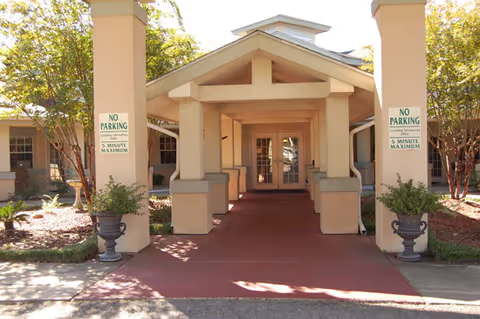
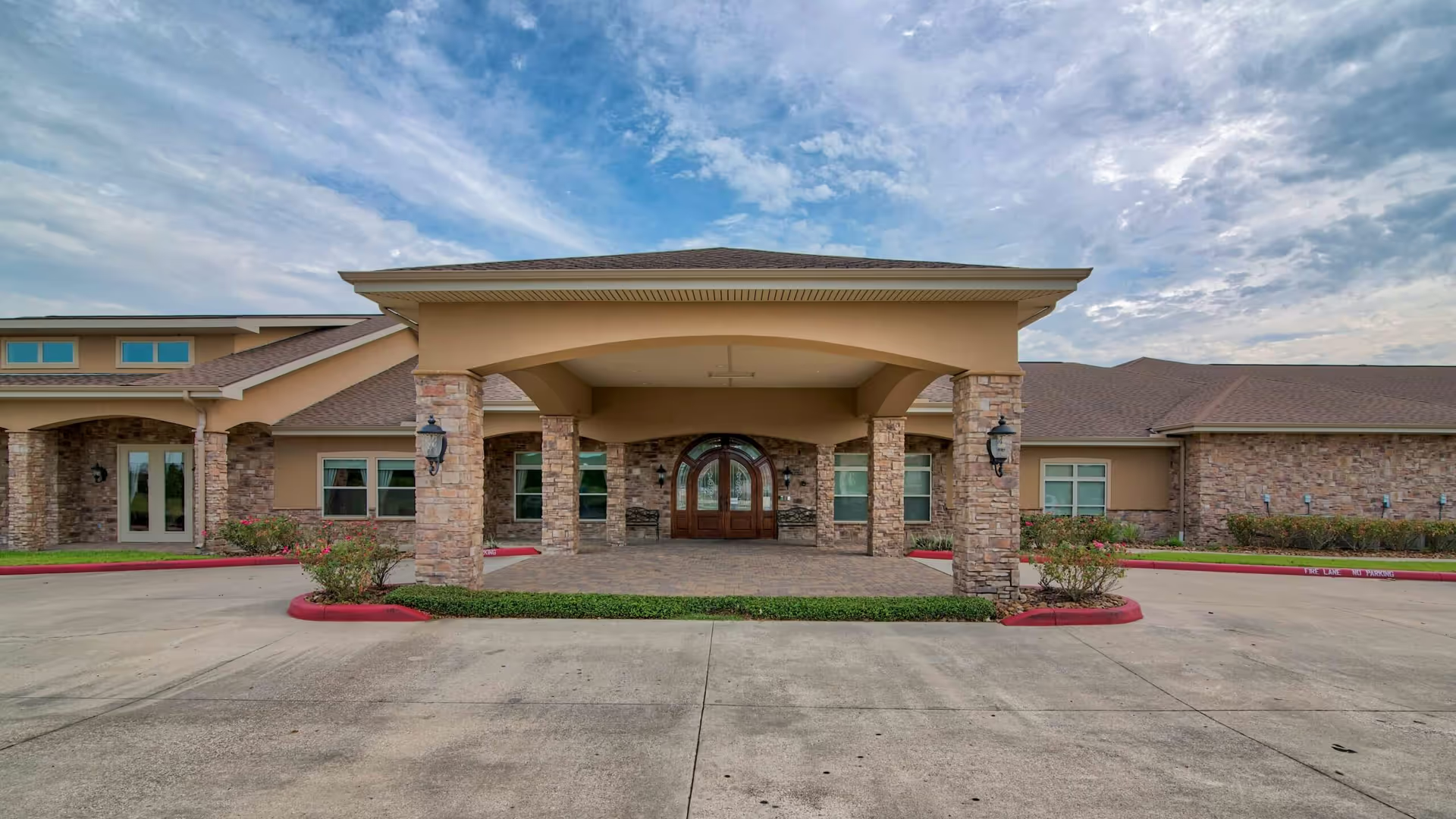
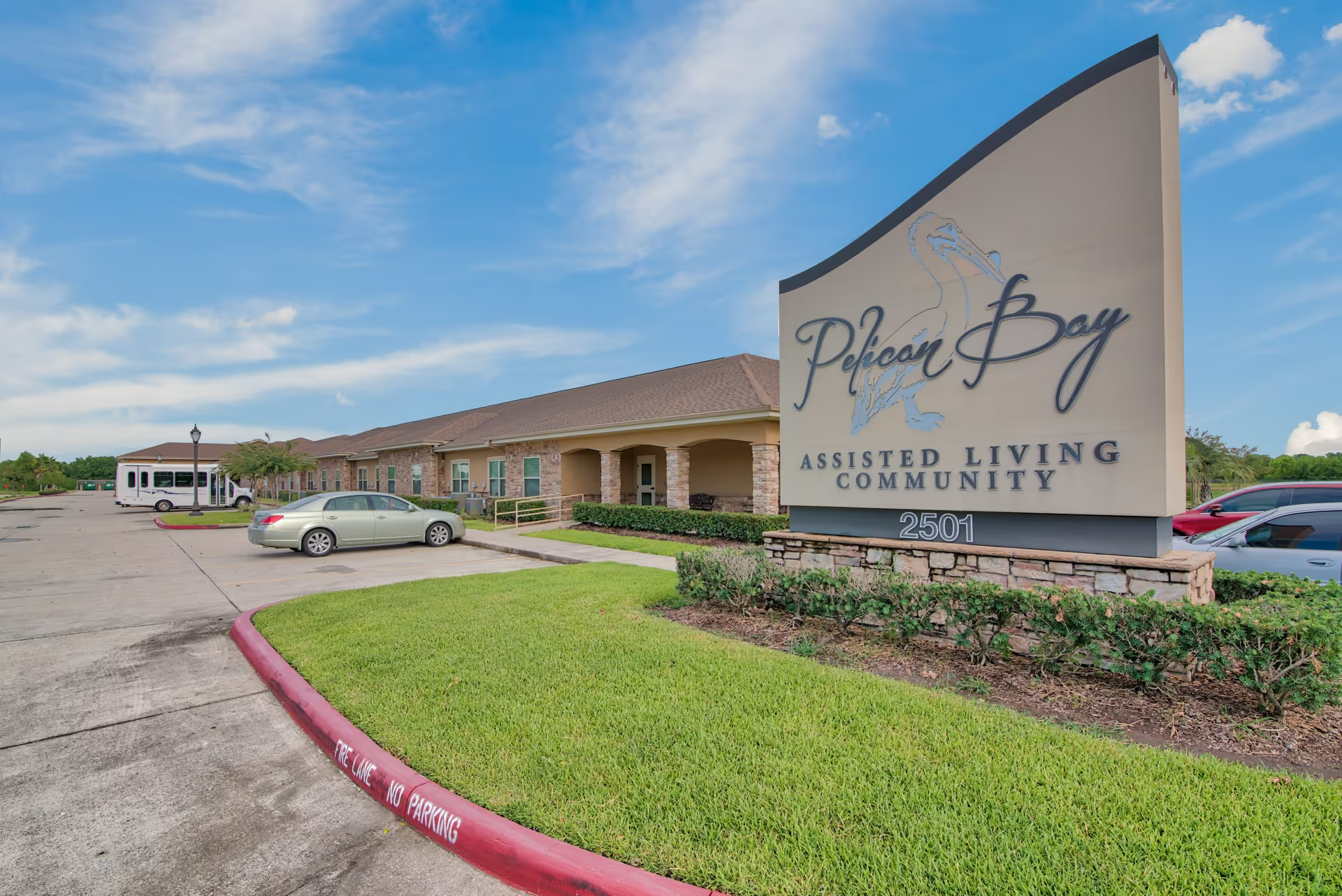
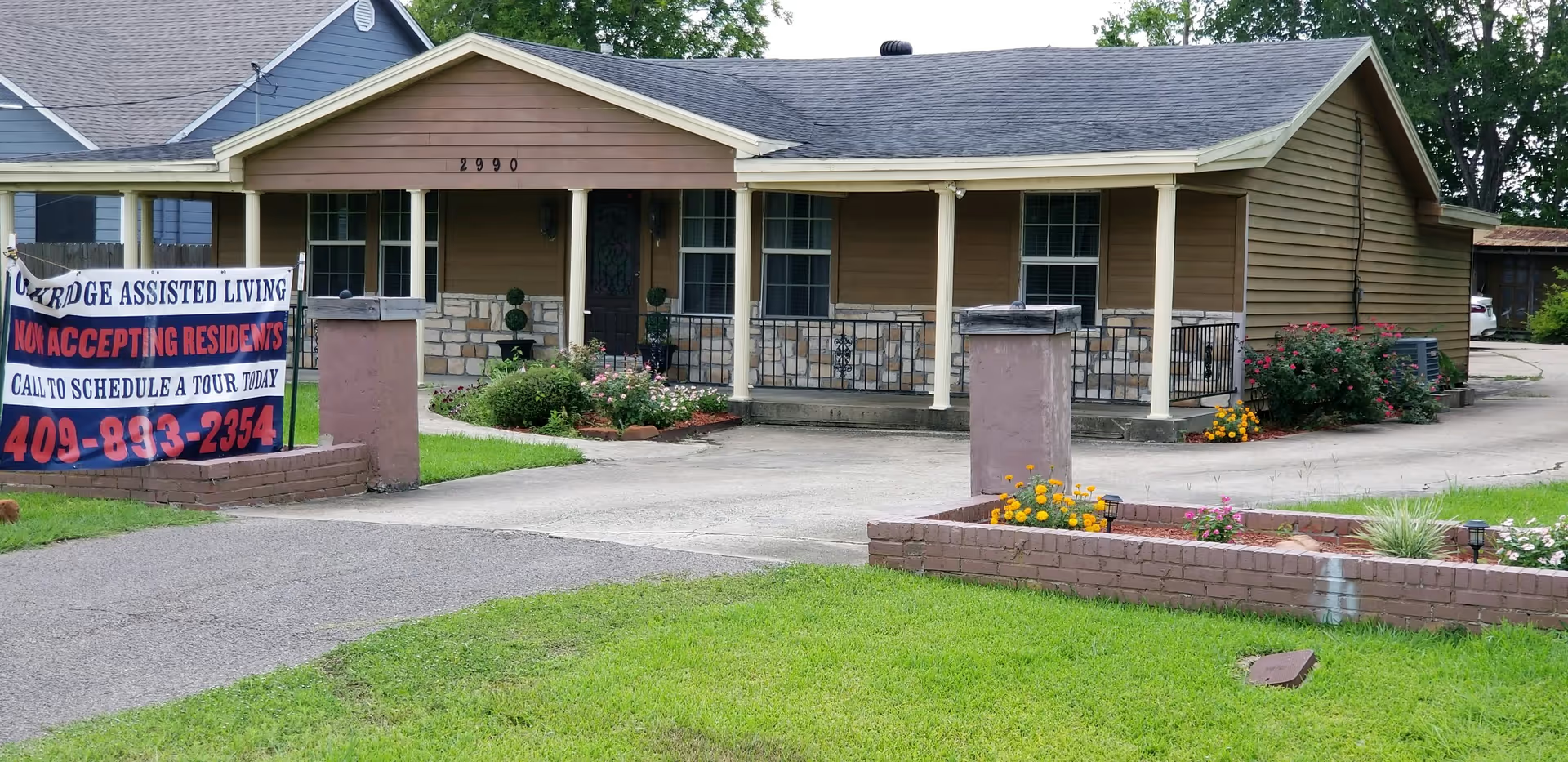
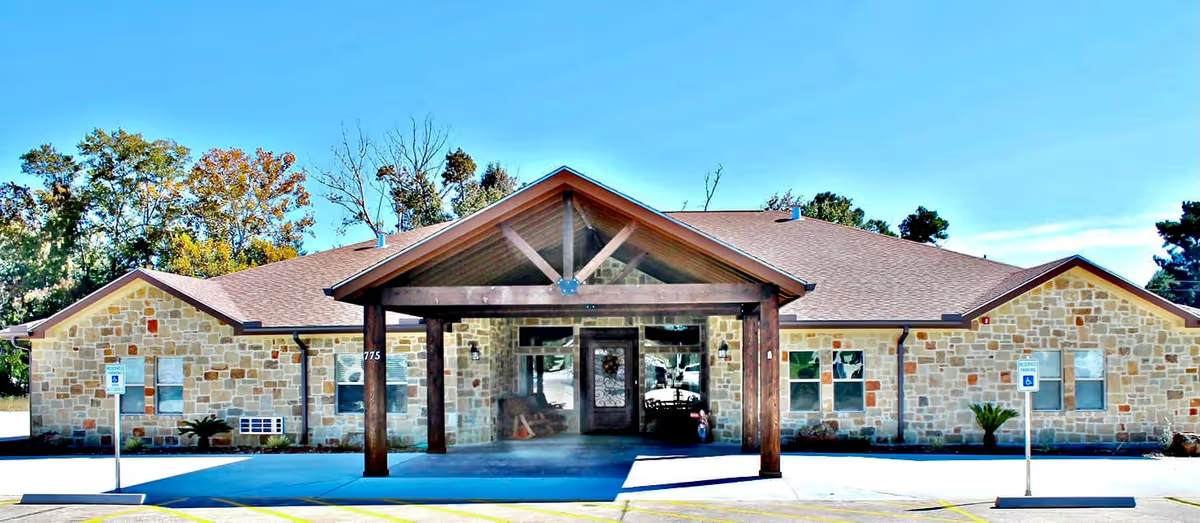
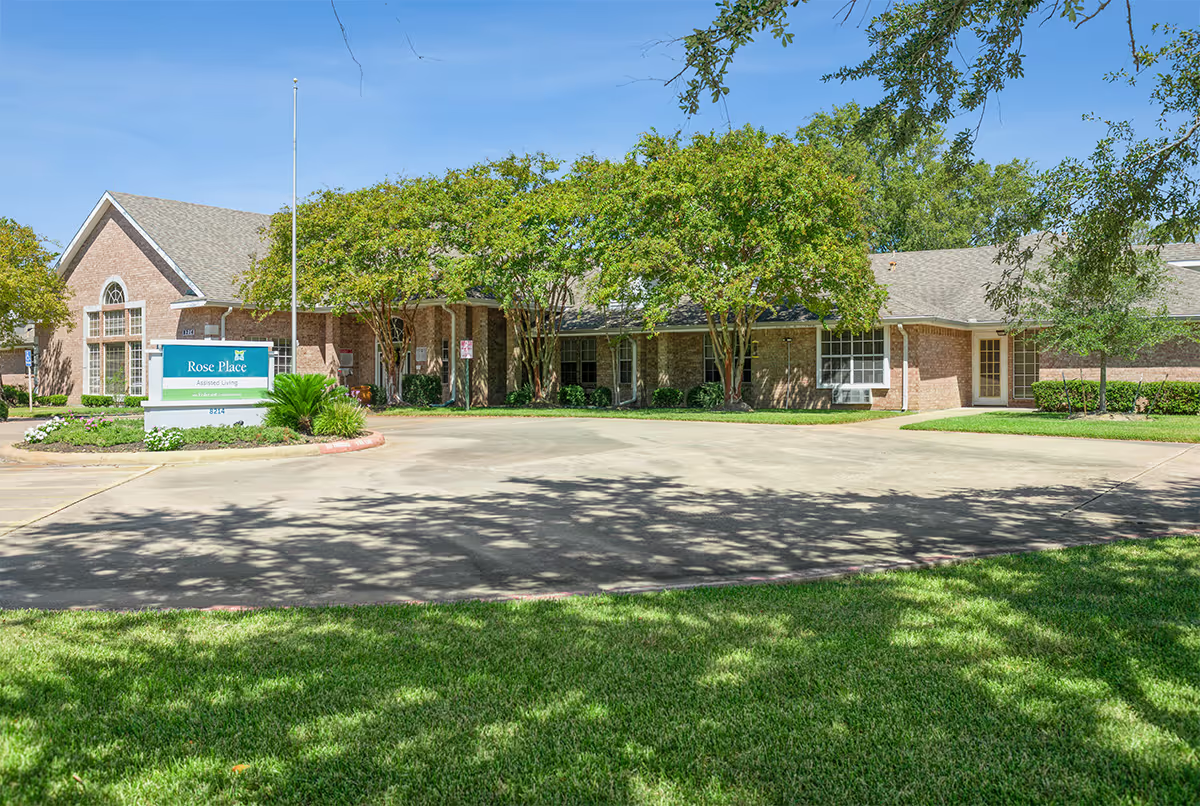
Facilities and cleanliness: The physical environment is generally well regarded—clean, modern, with private rooms and a hotel-like lobby that many families find welcoming. Contrastingly, there are recurring mentions of sanitation and odor concerns in common areas and variability in room cleanliness (including isolated textile or linen issues and misplaced call buttons). These mixed observations point to strong facility investment but inconsistent housekeeping and incontinence-care execution.
Management and communication: Leadership and departmental coordination receive praise in multiple accounts; administrators and some department heads are described as hands-on and responsive, with accessible after-hours contact and a willingness to escalate issues. However, significant criticisms focus on admission and orientation workflows, poor initial communication with families and external partners (including coordination with the VA), and inconsistent follow-through on complaints. A small number of serious allegations about privacy and consent practices are noted; these are significant and merit direct inquiry when visiting the facility.
Notable patterns and guidance: The overall picture is polarized — the facility demonstrates genuine strengths in therapy, compassionate frontline staff, and an appealing physical plant, yet operational deficiencies (staffing consistency, med-management practices, sanitation variability, dining quality, and communication gaps) create risk for inconsistent resident experience. Prospective residents and families should tour during active hours, ask specific questions about current staffing ratios, medication administration protocols, infection-control and sanitation audits, meal menus and kitchen inspections, therapy schedules and frequency, incident-reporting procedures, and how the facility has addressed its Medicare rating. Where possible, obtain recent quality reports and speak with family members of current residents to assess how the facility has responded to past concerns.