The reviews present a mixed picture. Many comments praise the direct-care teams, describing caregivers as compassionate, attentive, and family-oriented; others note recent capital improvements and a management transition that families perceive as producing positive changes. At the same time, several safety- and operations-related concerns emerge, including a serious described event involving a resident leaving the facility and subsequent communication issues. That incident has left families particularly sensitive to how the facility handles clinical events and external notifications.
Care quality is portrayed positively in multiple reviews: staff are described as listening to residents, providing caring interpersonal interactions, and delivering what families perceive as good clinical care. Those strengths coexist with concerns about supervision and responsiveness for residents who require mobility assistance. Reviewers indicated that residents with limited strength or mobility might not always receive timely assistance, suggesting a need for stronger transfer- and supervision-focused protocols and staff training.
Staff interactions are consistently highlighted as a strength. Reviewers used terms like friendly, caring, and family-like when referring to aides and nurses, and faith-based activities such as Bible study were singled out as meaningful programming. However, communication practices around incidents and resident whereabouts were identified as a weakness: families expect clearer, faster notification and better coordination with external emergency responders when incidents occur.
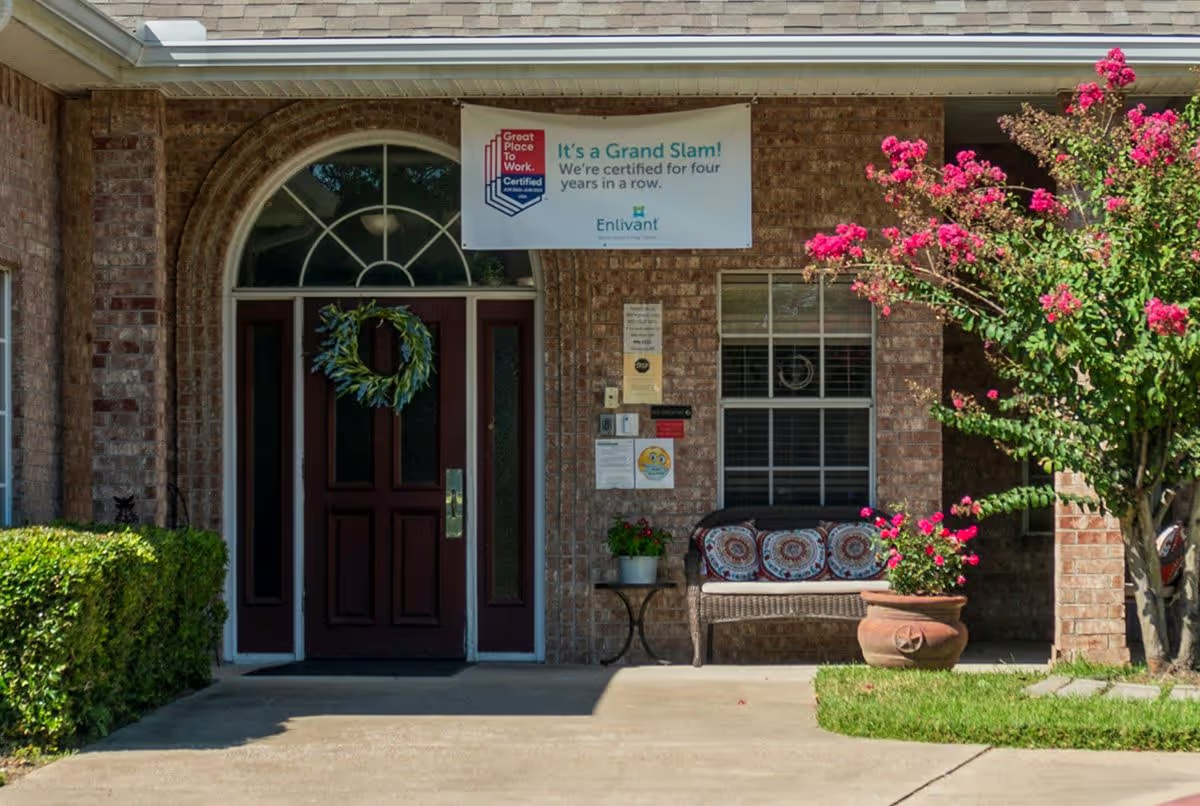
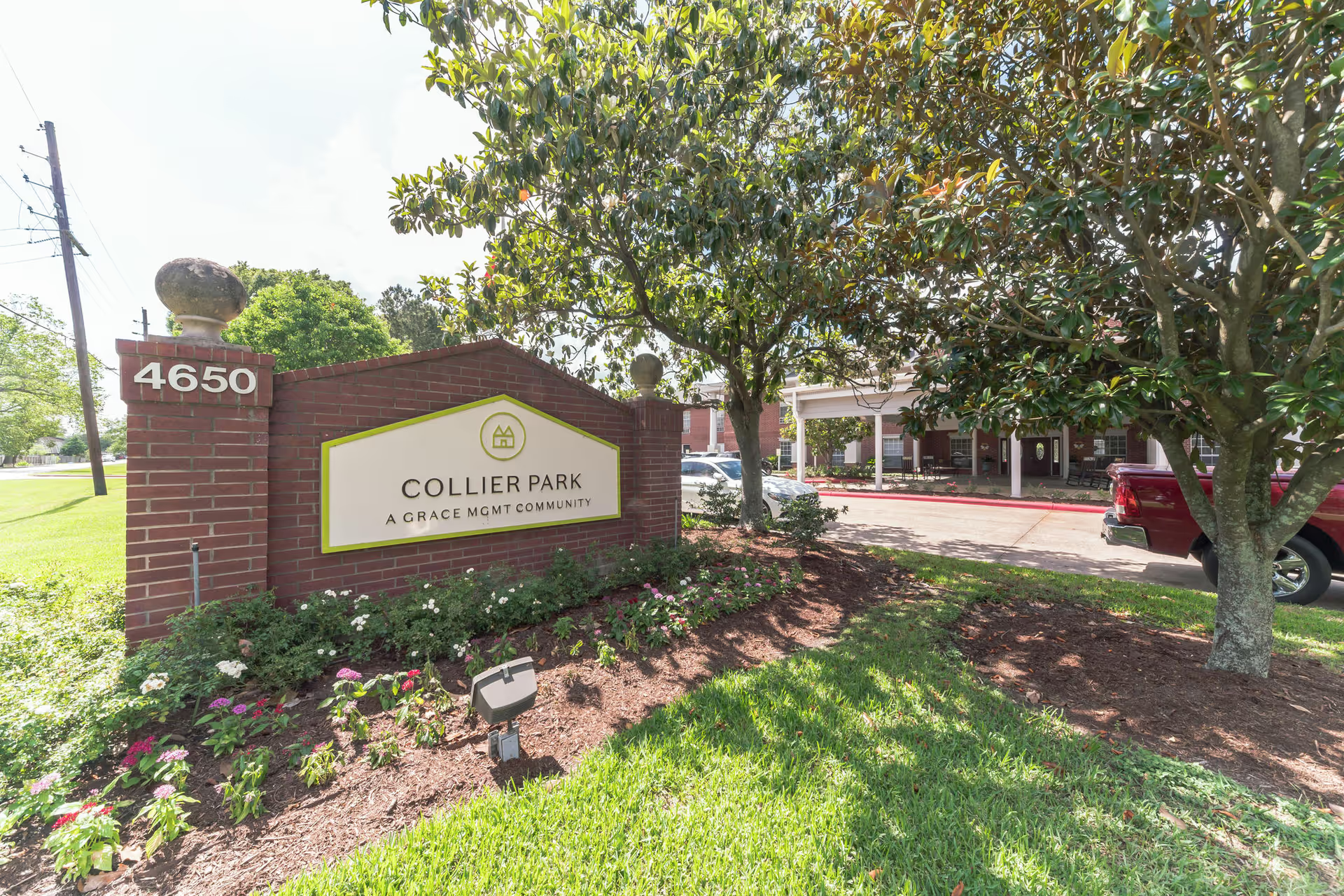
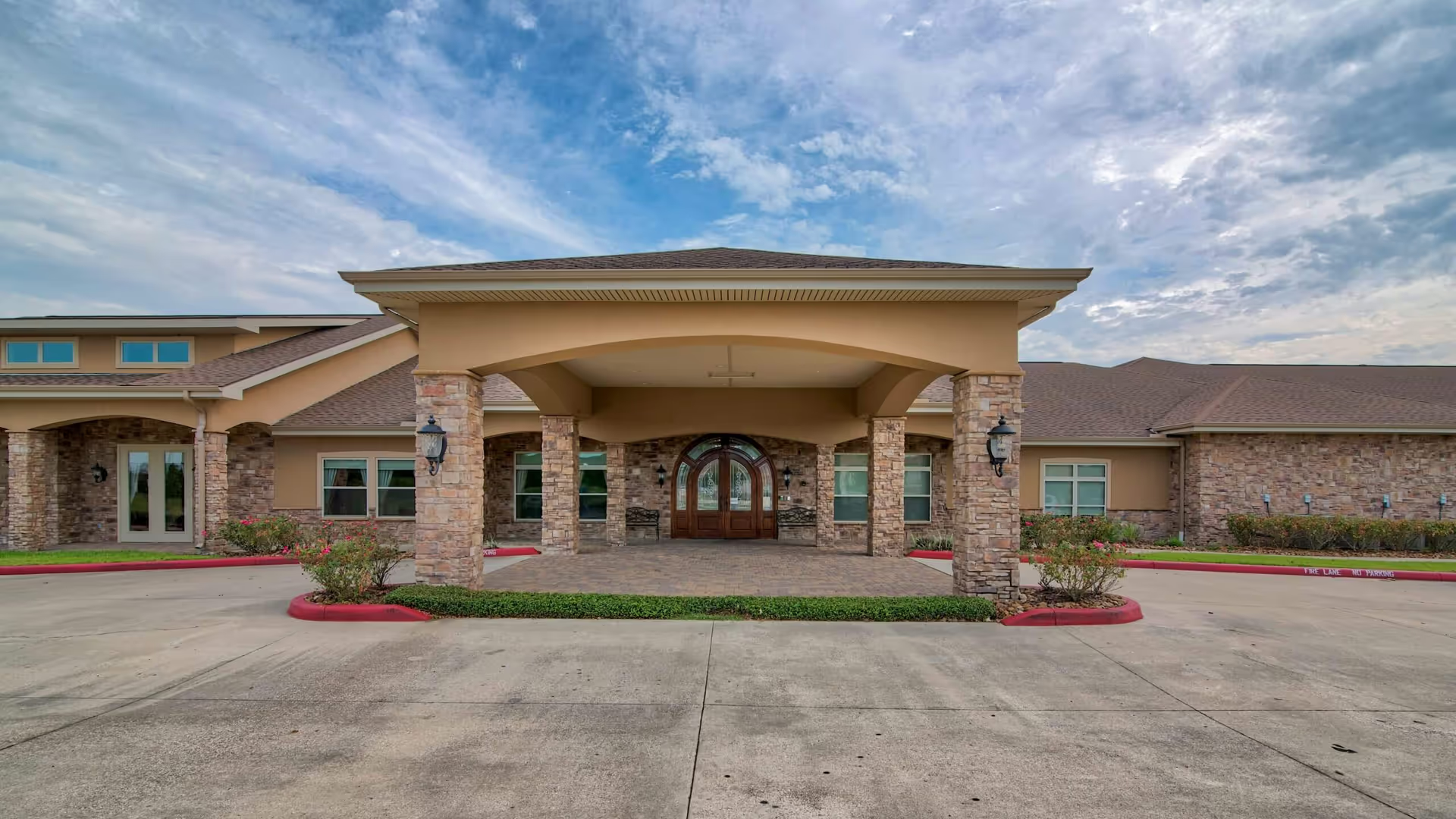
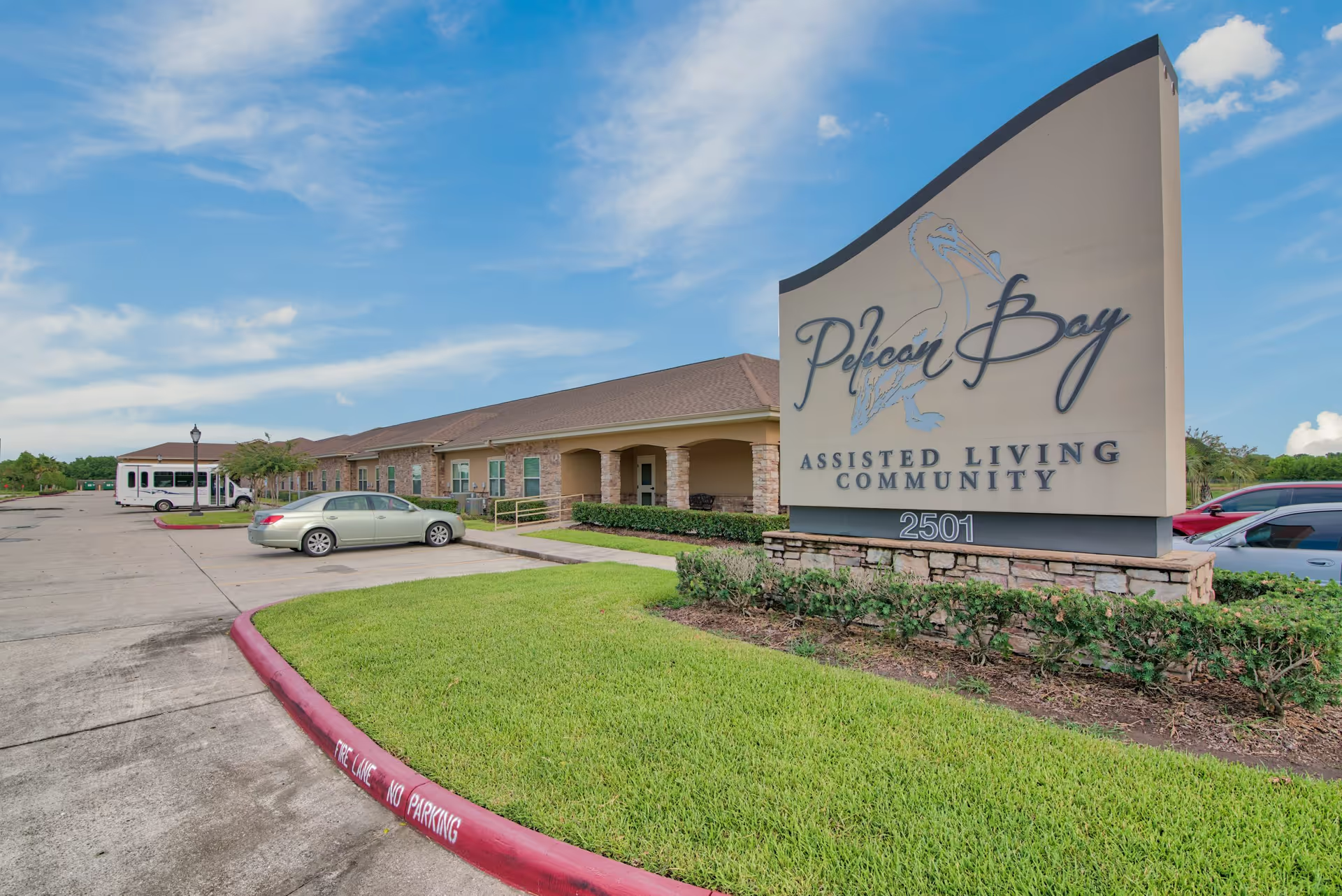
Dining and routine services received little specific comment in the material provided. Facility-related feedback focused more on environmental and sanitation issues: some reviewers noted odor concerns in common areas that affected resident comfort. Conversely, the facility has undergone a visible facelift and renovations that are viewed positively by families and suggest investment in the physical environment.
Management and administration appear to be in transition; new ownership and leadership are credited with making improvements and moving the facility in a better direction. That said, reviewers recommend that management prioritize formalizing incident-response policies, standardizing family-notification procedures, and reinforcing supervision practices for residents at risk of unplanned exits or mobility-related incidents.
For prospective residents and families: investigate current supervision and elopement-prevention protocols, ask how the facility notifies families and external authorities during incidents, review staffing levels and training for transfer/mobility assistance, and assess the effectiveness of recent housekeeping and odor-control measures during an in-person visit. The facility shows clear interpersonal strengths and signs of improvement, but operational gaps identified in these reviews merit specific questions during a tour or meeting with leadership.