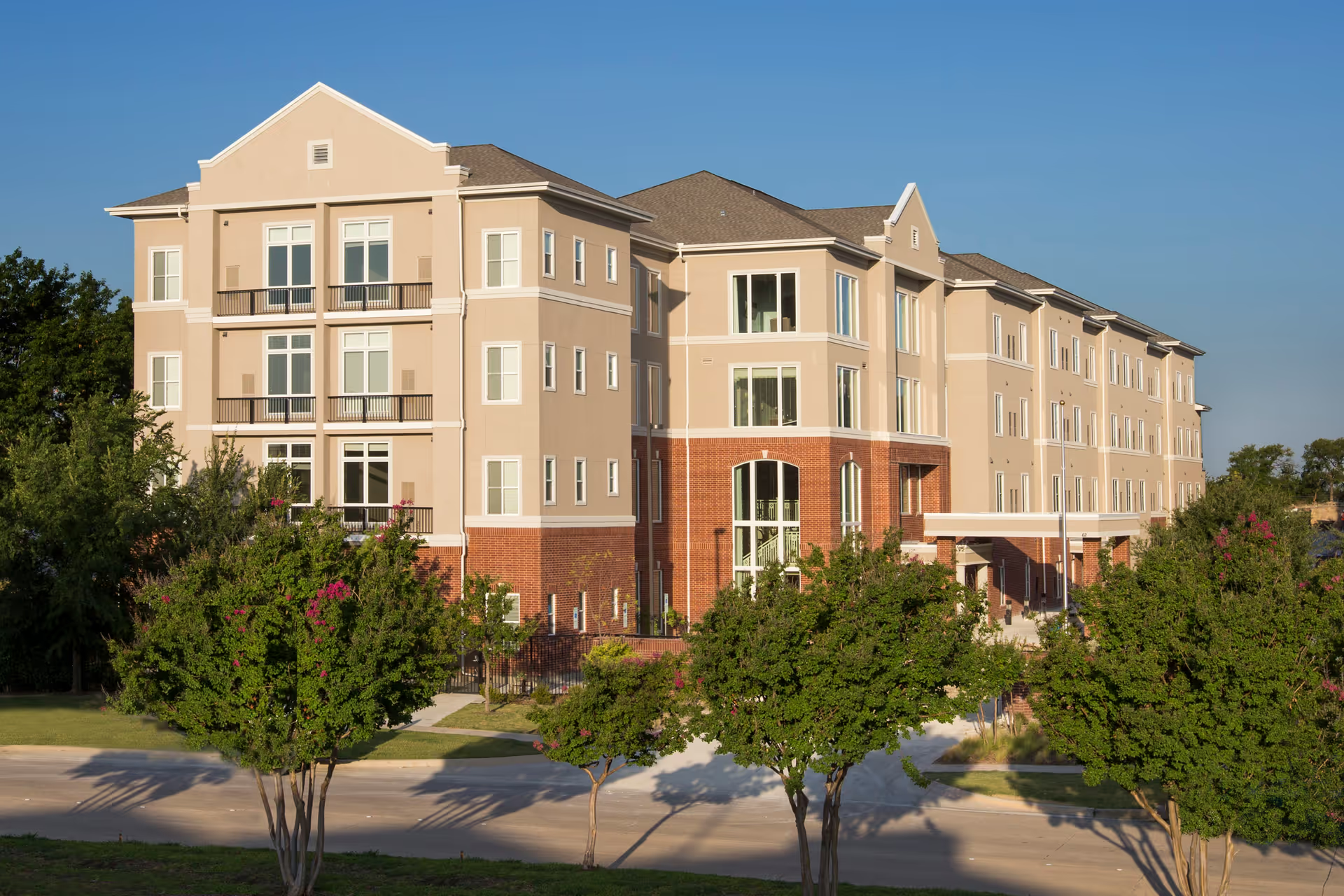
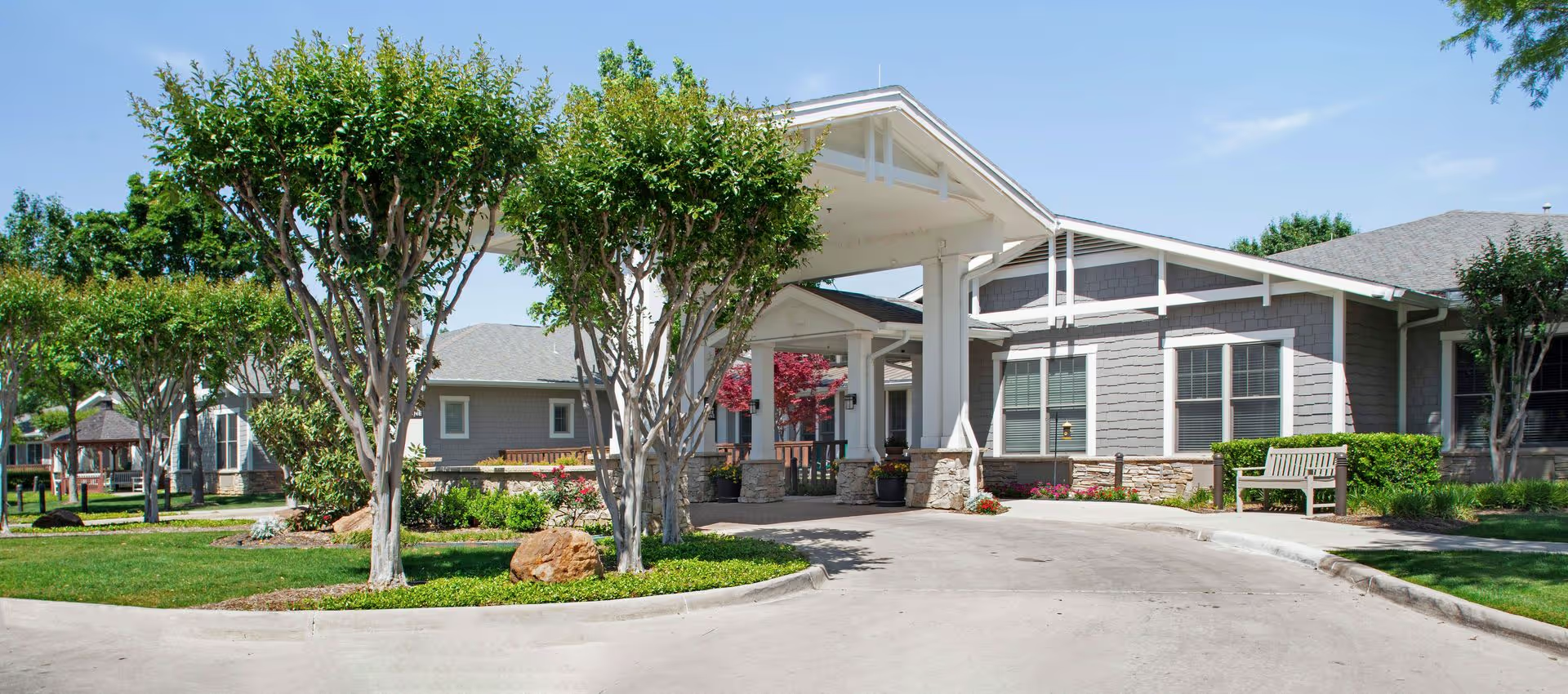
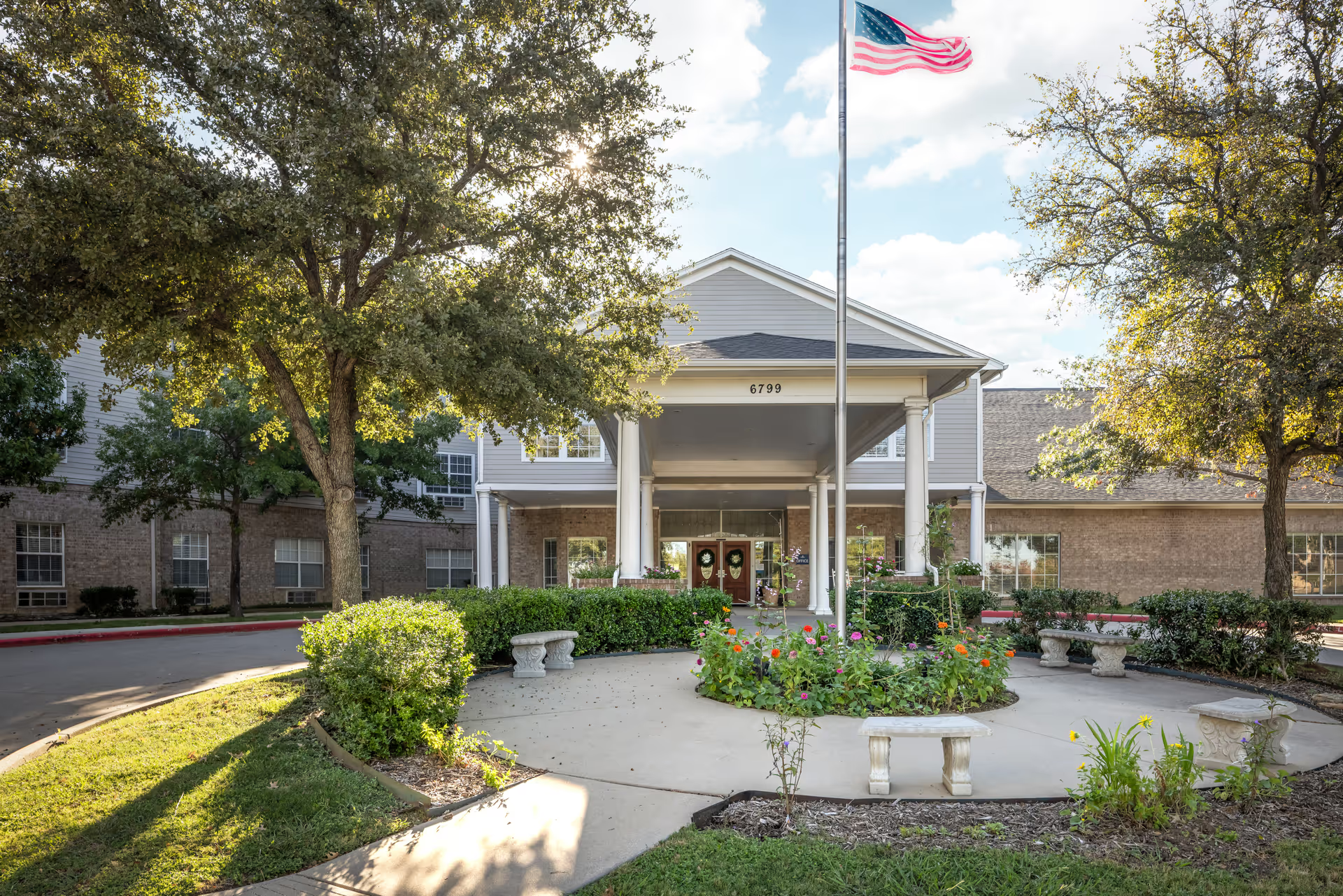
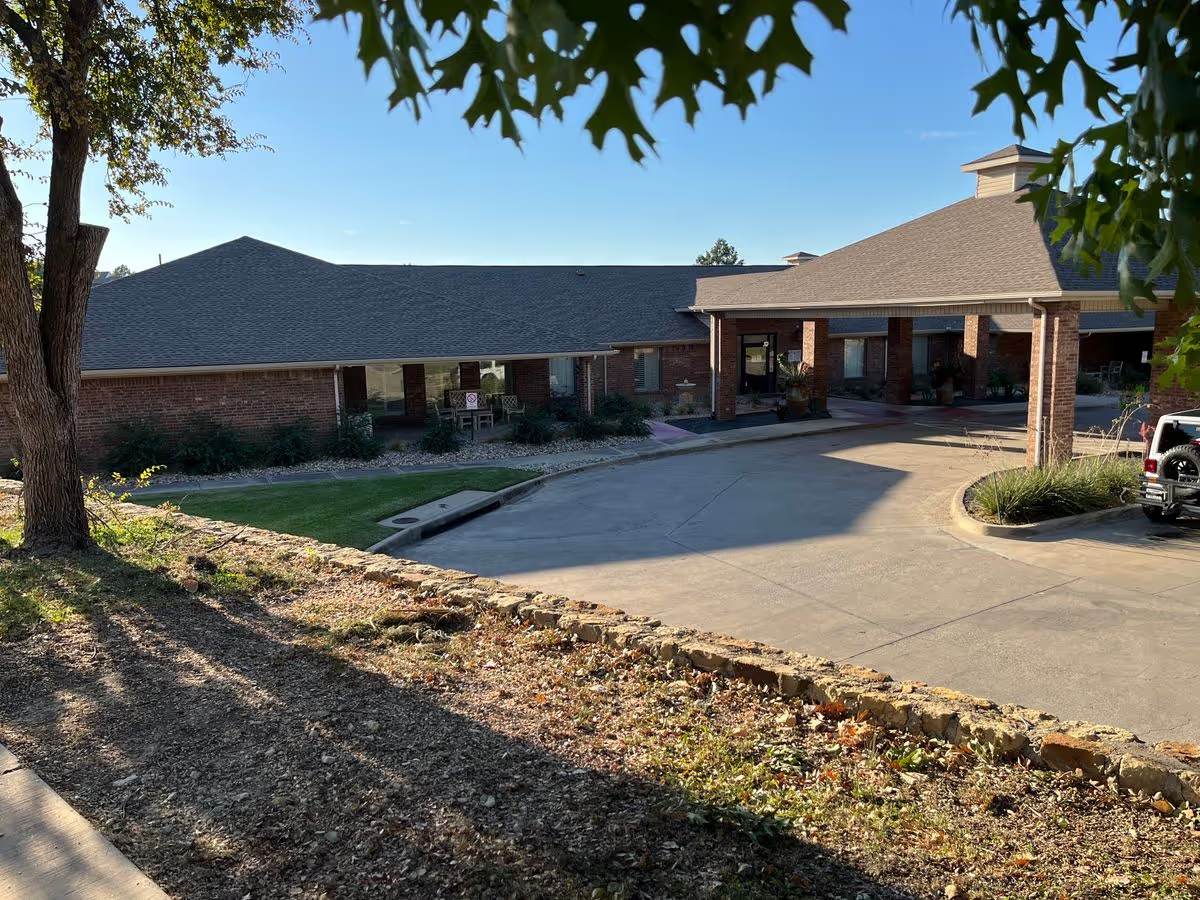
Overview: Reviews of Benbrook Nursing & Rehab show a mixed picture: many families and residents praise individual caregivers, therapy staff and aspects of the activities and admissions teams, while other accounts raise significant operational and safety concerns. Positive commentary focuses on hands-on staff who are described as caring and engaged, specific nursing-management teams that families trust, and an activities/therapy program that supports resident engagement and rehabilitation. At the same time, recurring operational weaknesses appear across multiple reviews and should be weighed when evaluating the facility.
Care and clinical oversight: Several reviewers praised individual CNAs, nurses and therapists for attentive, rehabilitative and compassionate care. However, a consistent theme is chronic understaffing leading to high patient-to-staff ratios; this appears to drive delays in medication administration, inconsistent pain-management response times, long waits for assistance, and gaps in wound and pressure-injury care. There are multiple accounts of delayed clinical response during nights and weekends and of families being insufficiently informed after incidents. Taken together, the pattern suggests uneven clinical oversight: some shifts and teams provide strong care, while staffing shortfalls compromise consistency and timeliness of clinical interventions.
Staff, communication and culture: Reviewers identify strong individual performers and several nursing managers who are perceived as responsive and supportive. Simultaneously, concerns about staff turnover, payroll and administrative instability recur. Communication problems are frequently cited: unanswered phones, difficulty reaching administrators or social workers, missed callbacks, and inconsistent family notification of incidents. Several reviews also describe concerns about staff conduct, favoritism, and honesty in management decisions. There are references to regulatory attention and to serious allegations such as missing personal items and medication handling issues; these elevate concerns about internal controls and accountability.
Dining, activities and amenities: The facility's activities program receives positive notes for regular events (bingo, Bible study, crafts) and for therapy-driven rehabilitation progress for some residents. Dining receives mixed feedback: the cafeteria and dining areas are generally described as clean, but food quality is often described as bland with limited choices and temperature/serving inconsistencies. Outdoor areas and grounds are noted as well-maintained and enclosed, offering residents safe outdoor access. Budgetary constraints and staffing appear to have affected continuity of some recreational programs in the past.
Facilities, cleanliness and security: Physical areas such as the dining room and grounds are often viewed positively, but sanitation and odor concerns are reported in certain units or common areas. Pest-control and property-security issues are cited in multiple accounts. Several reviewers reported inconsistent locking/entry procedures and instances of belongings going missing, indicating potential weaknesses in property-control and building security practices. Maintenance needs (air conditioning, general repairs) are also mentioned as areas for improvement.
Notable patterns and guidance for families: The dominant pattern is variability: strong, dedicated staff and effective rehabilitation and activities exist alongside operational problems driven largely by understaffing, inconsistent supervision, and administrative shortcomings. Because of the mix of positive caregiver reports and serious operational concerns (medication delays, wound-care gaps, security and property-control issues, and weak family communication), prospective residents and families should conduct an in-person visit focused on the current staffing levels and clinical leadership on duty, ask about recent regulatory findings and corrective actions, review medication and wound-care protocols, and tour both resident rooms and common areas at different times of day. Request current staffing ratios, turnover data, pest-control records, and examples of recent quality-improvement efforts to assess whether the facility’s touted improvements are sustained.