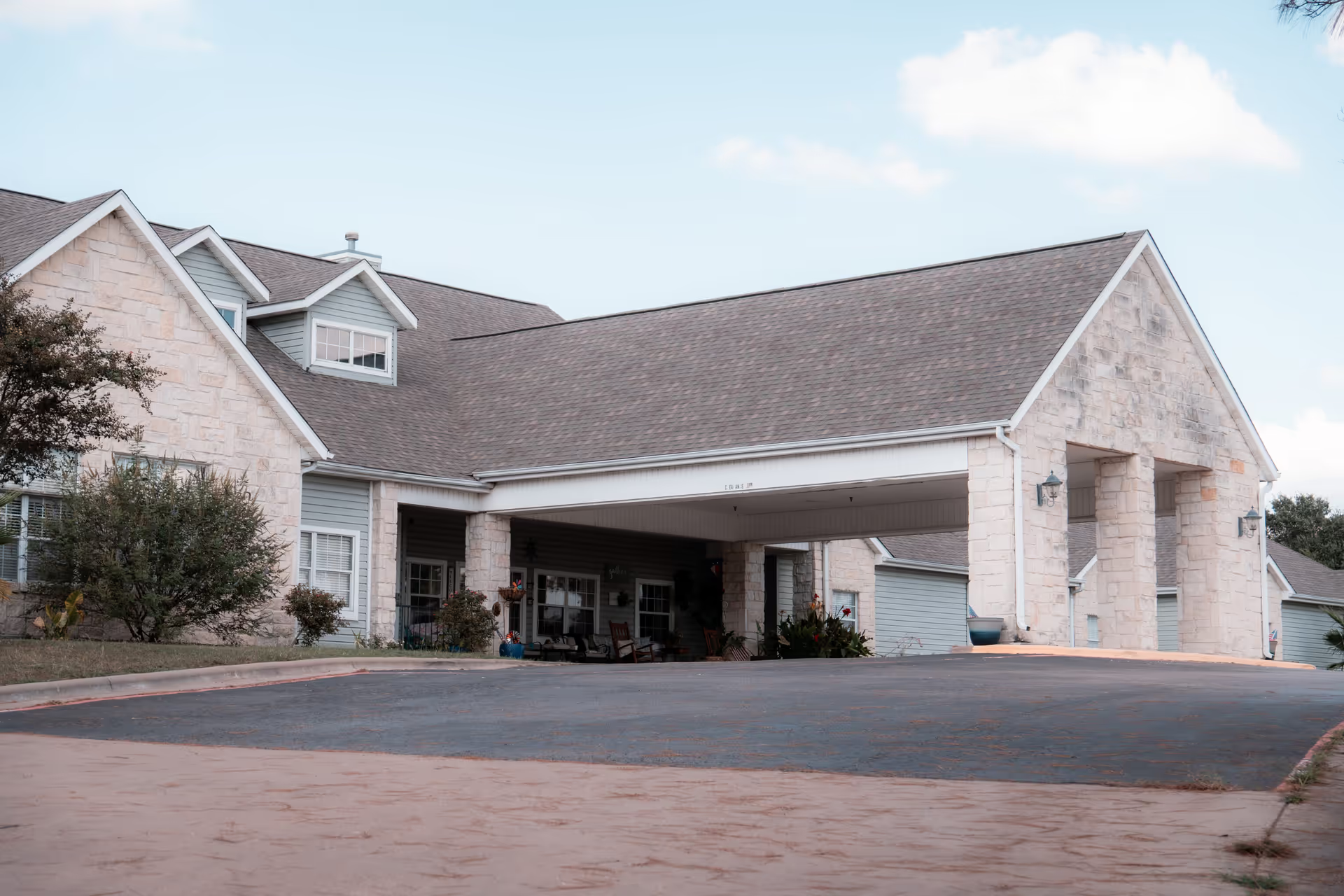
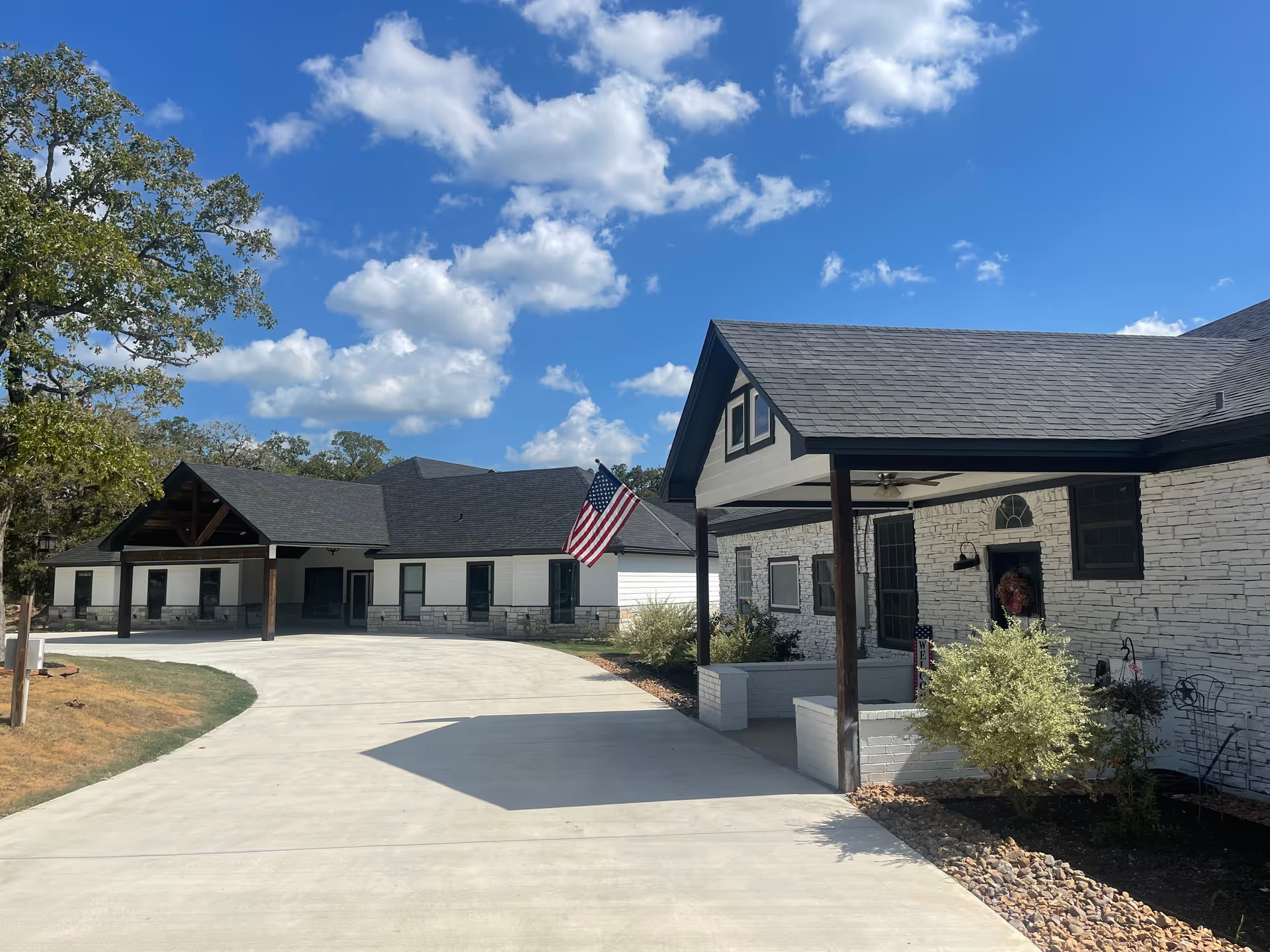
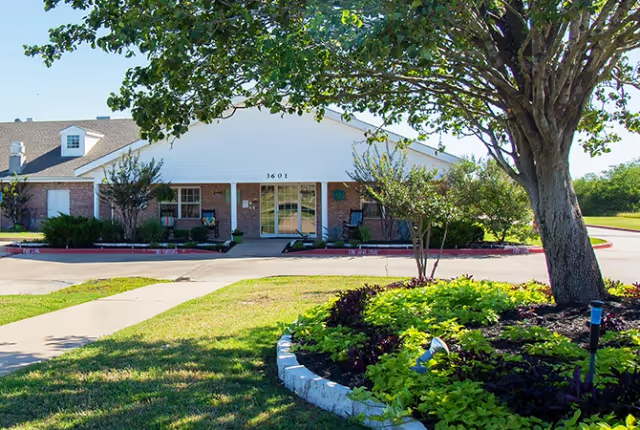
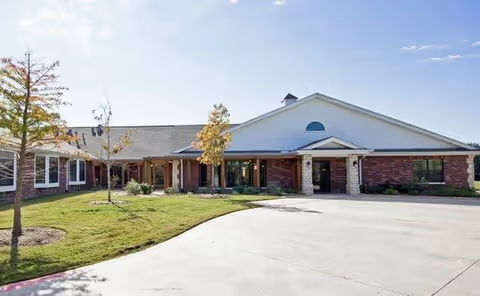
Reviews present a mixed picture of Focused Care at Brenham, with clear strengths in environment and rehabilitation services alongside recurring operational and clinical concerns. Many families and visitors described the building as clean and well maintained, with a home-like atmosphere and an absence of typical institutional odors. The facility’s therapy resources and on-site gym received positive remarks, and several accounts describe effective short-term rehab outcomes and smooth admission or transfer experiences.
Staffing impressions are inconsistent. Positive comments highlight friendly, cheerful caregivers, helpful admissions personnel, and visible teamwork among staff during routine interactions. Conversely, other accounts raise concerns about staff professionalism, communication tone, and lapses in clinical attentiveness. The most frequent operational issues relate to responsiveness: slow answers to call systems, delays in callbacks and phone access, and perceived gaps in clinical oversight. These responsiveness issues are tied to other care-process concerns such as inconsistent medication administration, missed personal-care routines (including bathing), and variable wound-care management.
Dining and daily living services show variability. Several reviewers noted engaging activities and an active therapy program, but food quality and meal delivery were areas of complaint for some, including comments about food temperature and interruptions to meal service. Transport and transfer safety practices were also questioned; concerns focused on safety procedures during resident transport rather than a single isolated event.
Management and communication patterns emerged as a notable theme. Families reported difficulties with discharge coordination and inconsistent communication from administration, including unanswered phones and delayed callbacks. Cost was also highlighted by some reviewers as a concern relative to expectations for service reliability.
Taken together, the pattern suggests that the facility offers strengths in environment, rehabilitation programming, and some aspects of customer-facing interactions, but prospective residents and families should verify operational reliability and clinical processes before placement. Practical steps for due diligence include observing call-button response times, asking for documented medication and wound-care protocols, reviewing transport and transfer procedures, clarifying discharge planning practices, and confirming costs and what they cover.