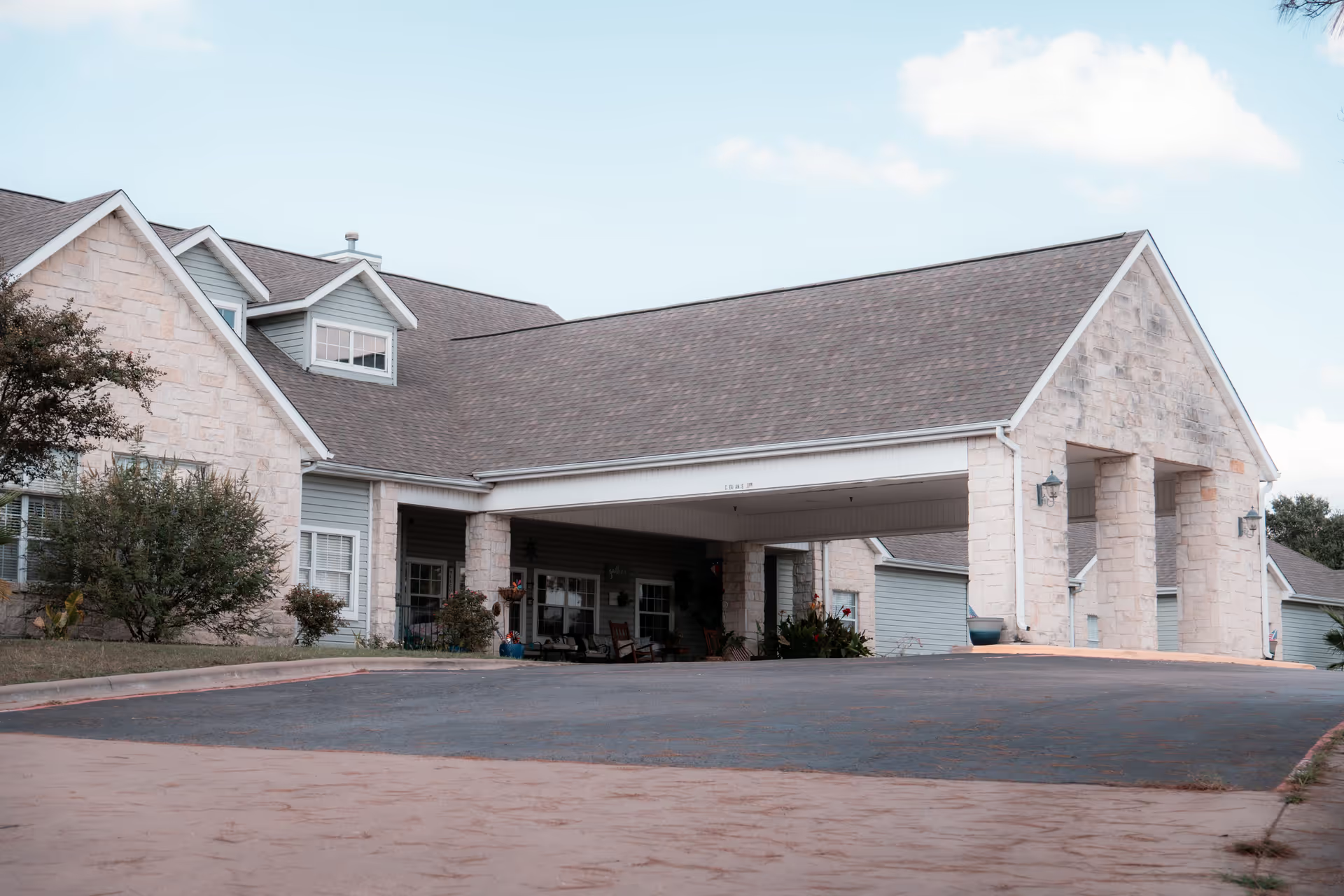
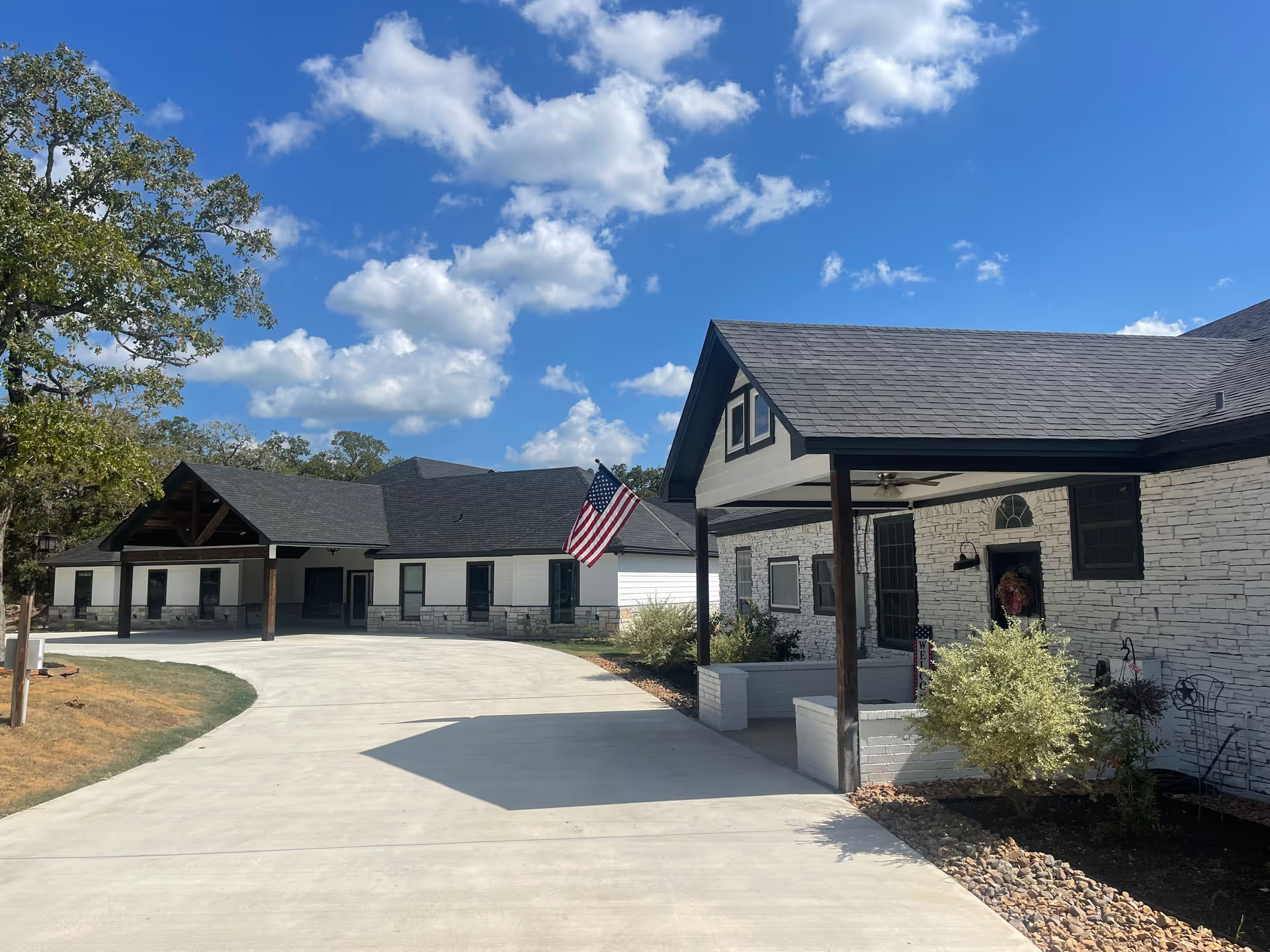
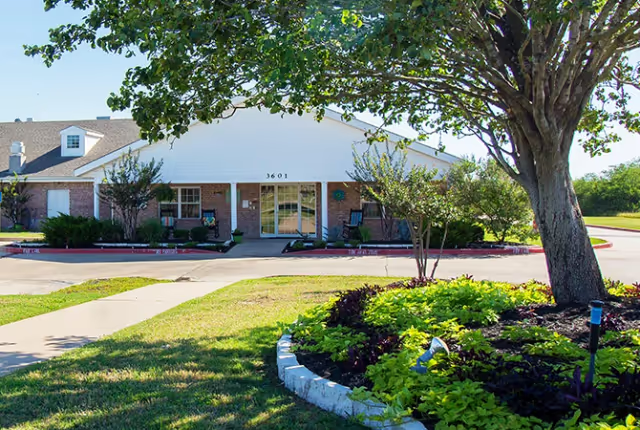
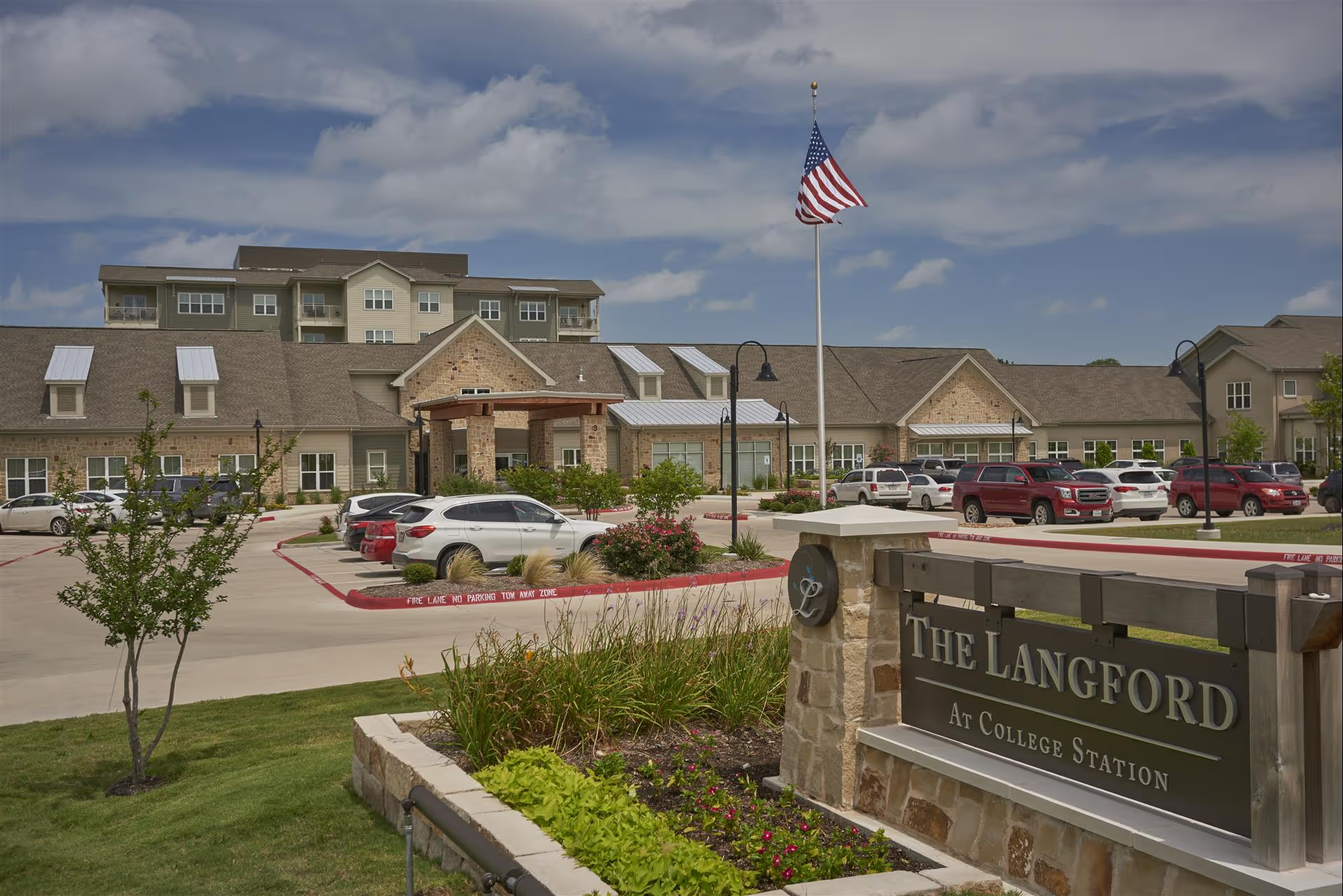
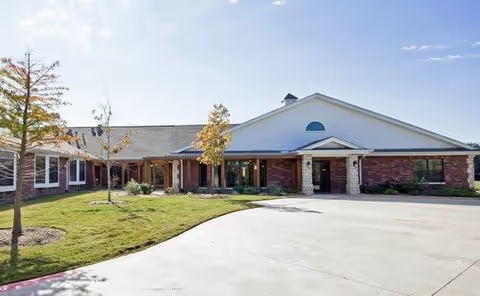
Kruse Village elicits distinctly mixed impressions across reviewers, with a clear pattern of strong clinical and hospitality features alongside recurring operational weaknesses. On the positive side, many families and residents praised the facility’s therapy teams — occupational and physical therapists are frequently described as effective and instrumental in short-term rehabilitation outcomes. Caregivers and nursing staff are often characterized as compassionate and attentive, and maintenance and admissions processes are commonly noted as responsive. The campus itself, including cottages, gardens, and outdoor courtyards, receives favorable comments for cleanliness, outdoor space, and roomy apartment layouts with ample storage.
At the same time, several consistent operational concerns appear. Staffing levels and shift coverage are described as uneven, which reviewers link to delays in medication administration, missed checks, and variable day-to-day care. Memory care is singled out for uneven performance: while some families describe excellent supervision and programming, others identify lapses in monitoring, resident-to-resident interactions, and insufficient unit-level controls. Sanitation standards and incontinence-care practices are another recurring theme; reviewers describe variability in cleanliness and odor management in certain areas, indicating inconsistent housekeeping or clinical hygiene practices.
Dining and food service present mixed experiences. Some reviewers commend the dining program and variety, while others describe issues with food temperature, presentation, and reliance on lower-quality items at times. Activity programming and local excursions receive positive notes — including chair aerobics, gardening, and trips to local stores and attractions — but several accounts request broader variety or tailored options for memory-care residents. Facility condition is described as generally well-kept in many parts, though cosmetic aging and variability in upkeep are mentioned in others, suggesting some buildings or units need renovation or more consistent maintenance.
Management and communication show a split pattern. Some families report administrators who listen, accommodate needs, and act promptly on maintenance or dietary requests; others cite turnover in leadership, difficulty reaching the front desk or administration, and inconsistent family communication. There are also isolated, serious allegations of safety and sanitation incidents; these accounts are significant and merit follow-up but appear alongside many positive clinical and community experiences. Prospective residents and families should weigh the facility’s strong therapy services, campus amenities, and resident-focused staff against the documented variability in staffing consistency, medication processes, sanitation controls, and memory-care supervision. A detailed, unit-specific tour and a conversation about staffing ratios, medication procedures, and incident response protocols are recommended prior to admission.