Families’ experiences differ notably. One family member described staff across day and night shifts as caring and professional, and said the team provided meaningful support to both the resident with Alzheimer’s disease and the family. Other comments characterize the setting as welcoming and the staff as helpful, though one of these comments came from someone who visited to record promotional material rather than from a resident’s family.
A separate family account raises significant concerns about clinical communication and medication management. The family member said staff encouraged behavioral medication and that a dose was later increased without their knowledge or a physician’s order. They also described a decline in alertness, meal participation, bathing, weight, and strength, and felt that staff did not respond adequately to their concerns about the change. The same account describes difficulty communicating with management during the move-out process and disagreement over notice and fees. These concerns come from one detailed account and are not corroborated by the other reviews, but prospective families may wish to ask how medication changes are authorized, documented, and communicated, and how concerns about changes in condition are escalated.
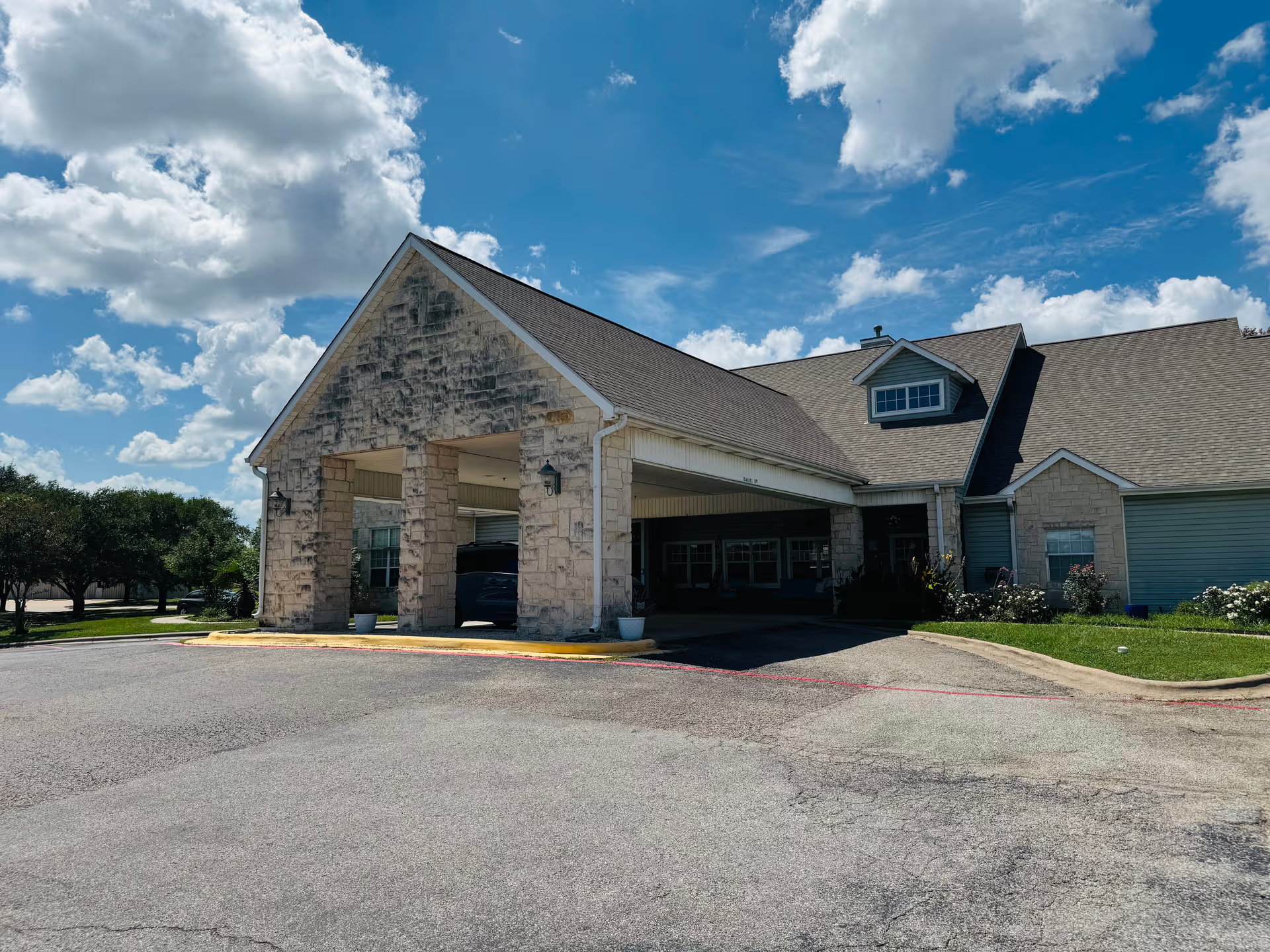
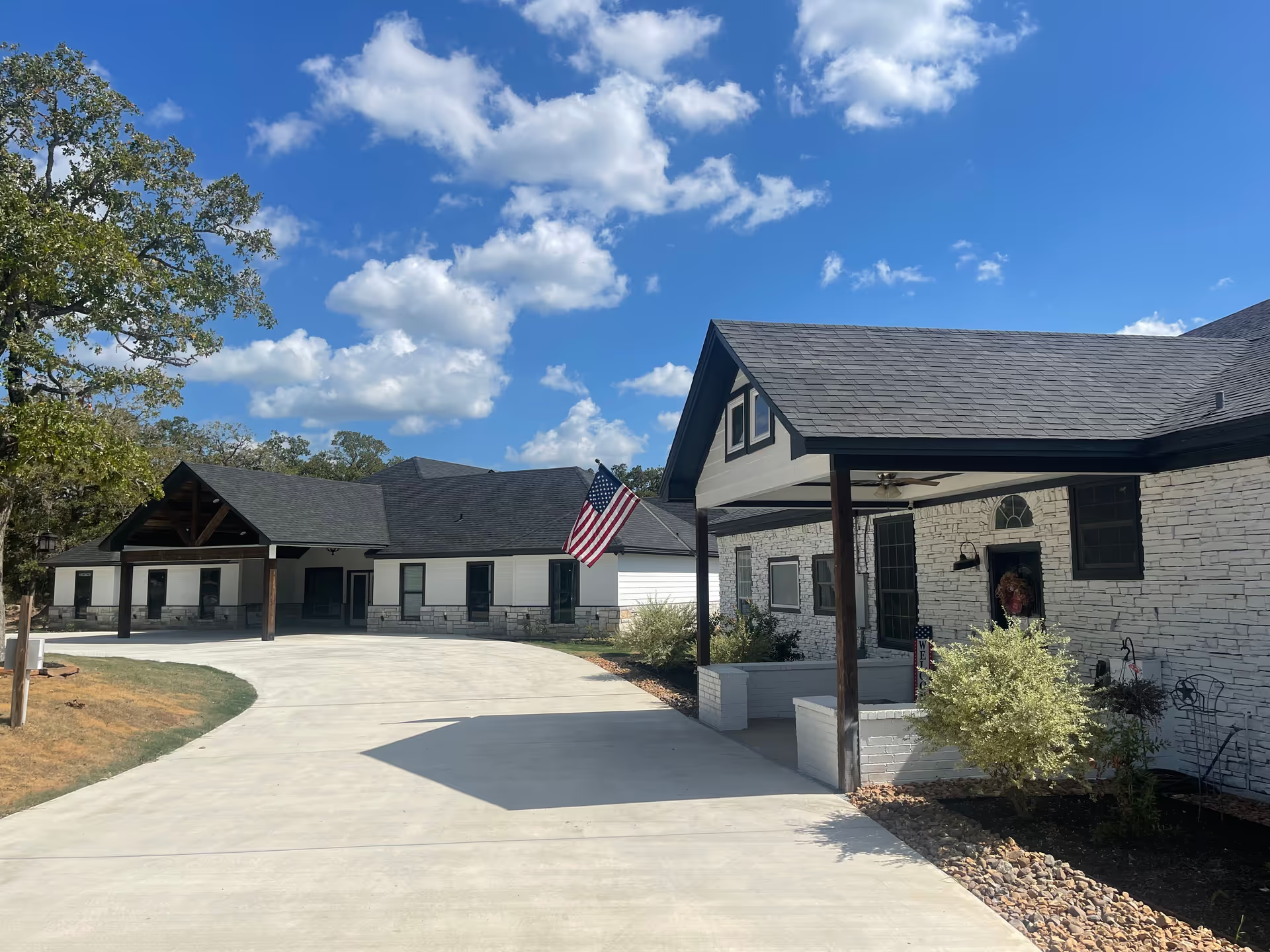
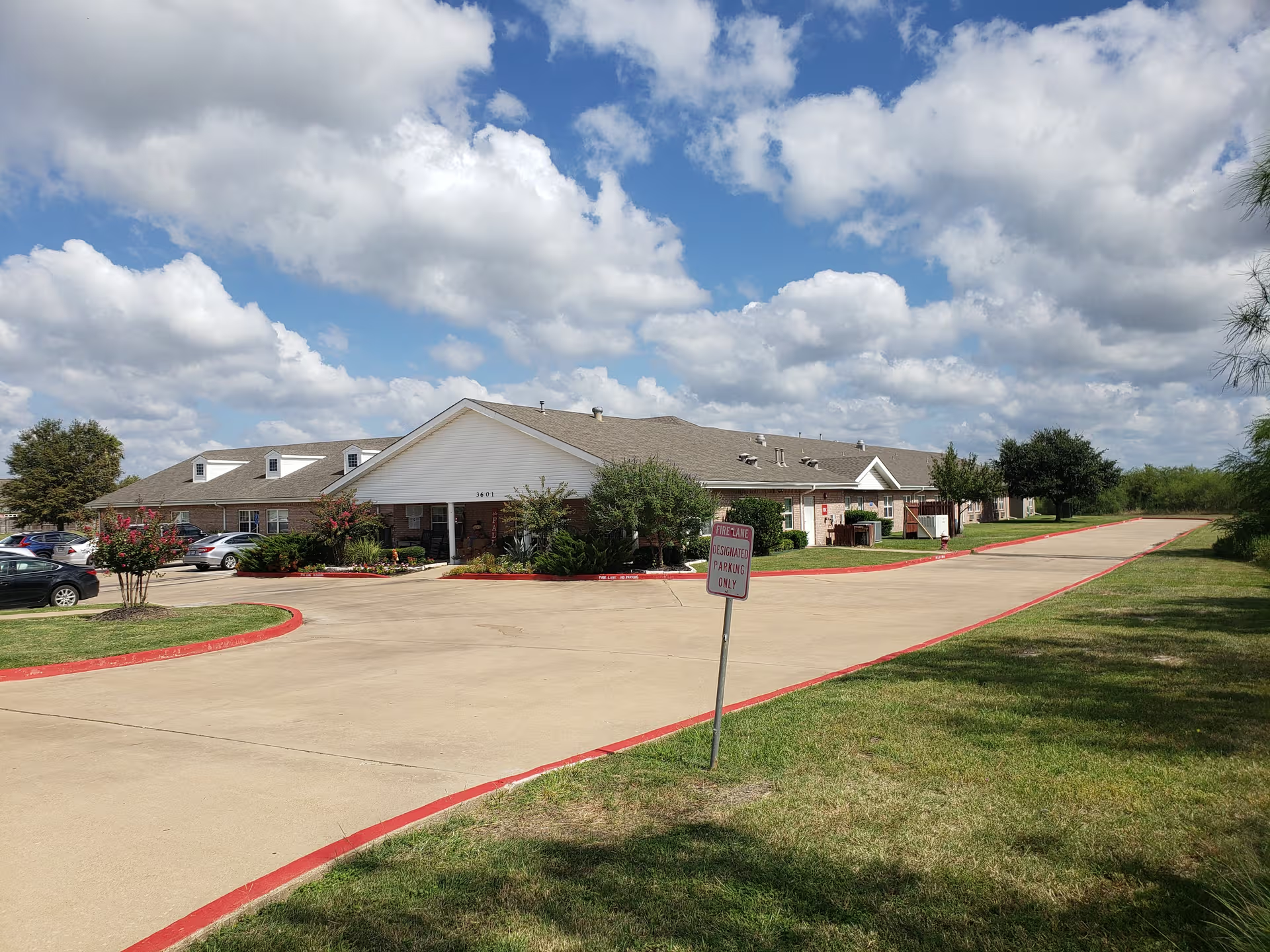
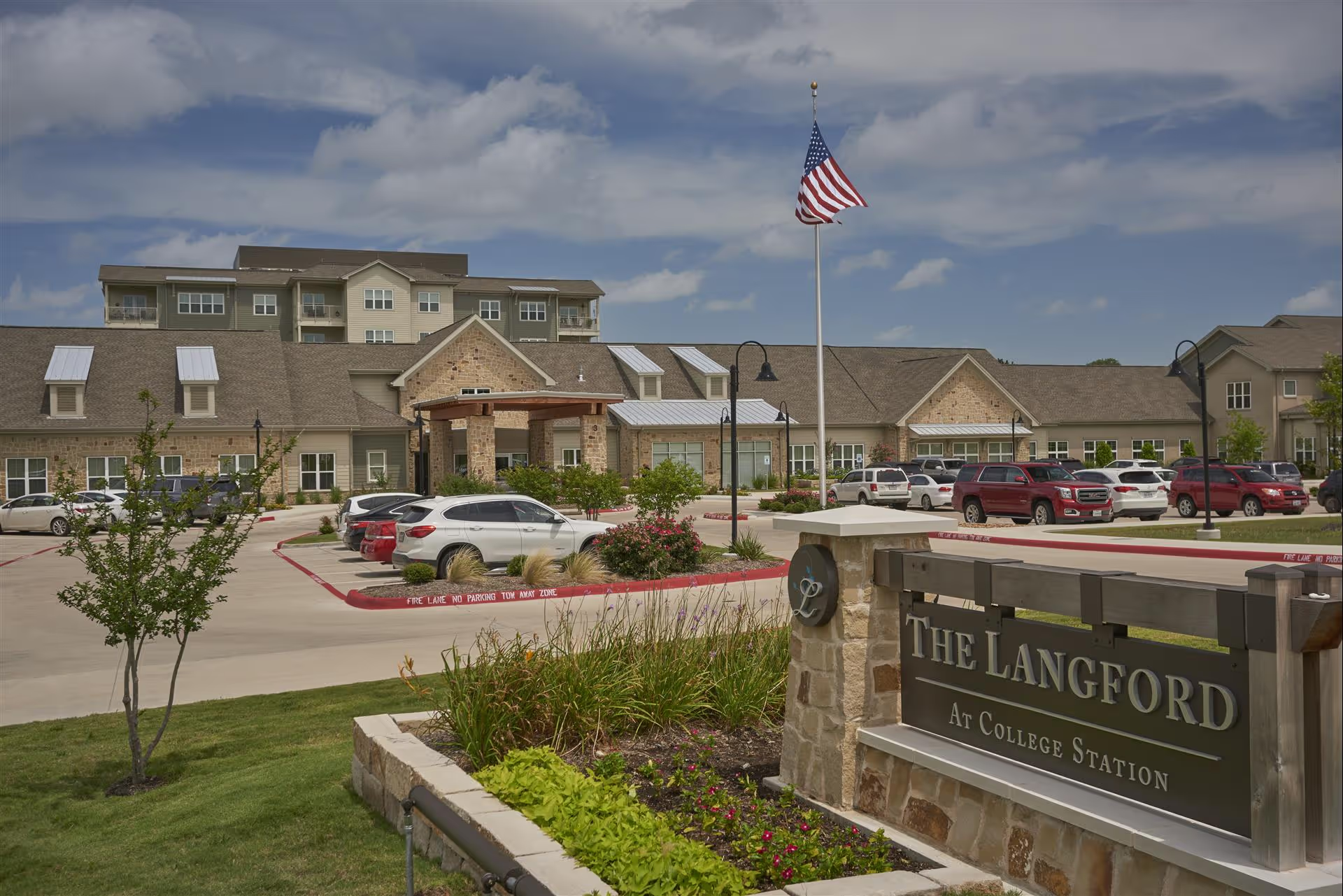
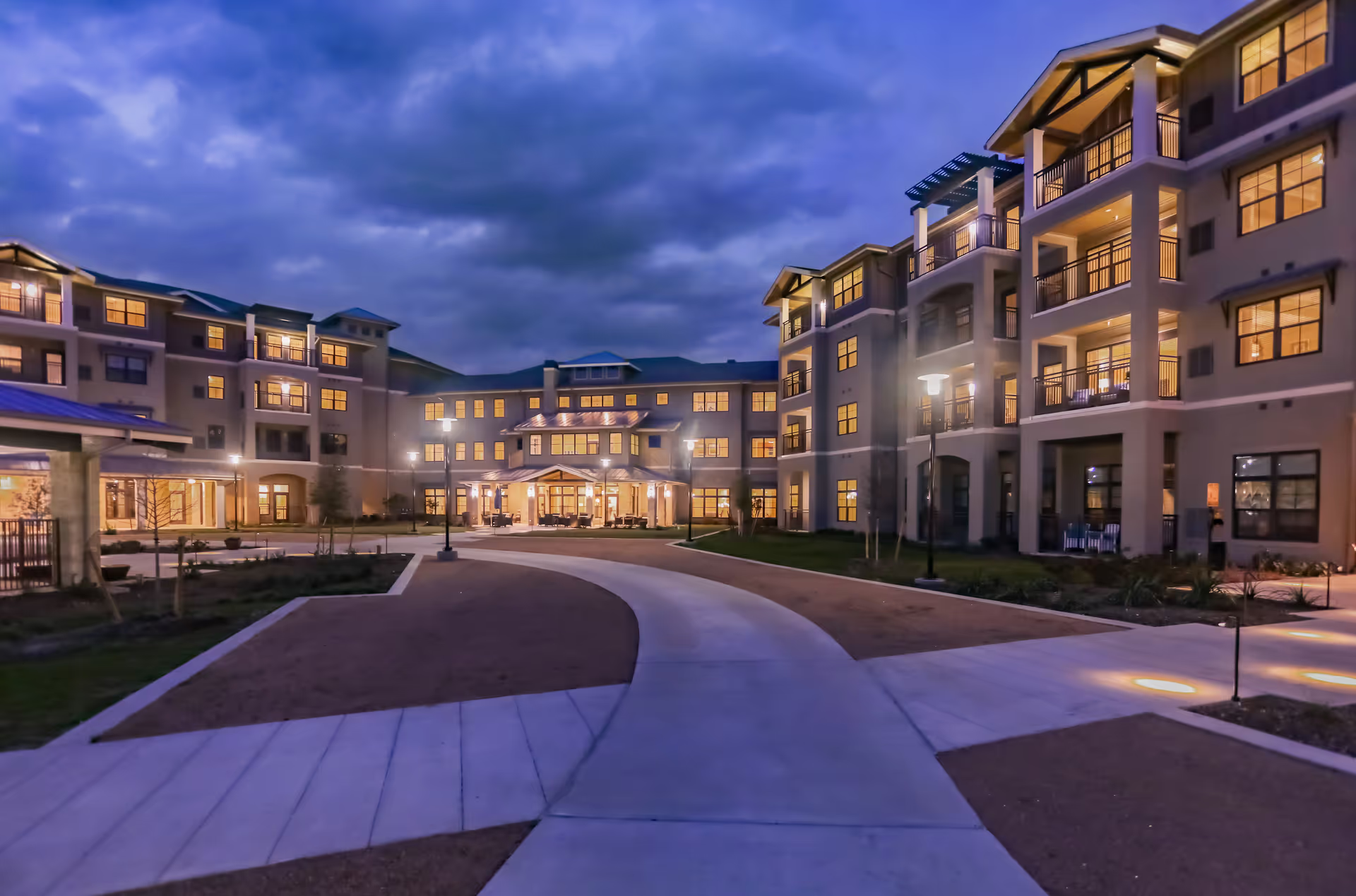
The facility is described as attractive, comfortable, and boutique in scale, but the reviews provide little detail about rooms, accessibility, or specific amenities. Dining quality is not assessed; the only meal-related concern appears in the account of a resident’s broader decline. There is similarly little firsthand information about activities or their variety. One family described a supportive memory-care experience, while the overall feedback leaves clinical oversight and management communication as important topics for families to explore directly.