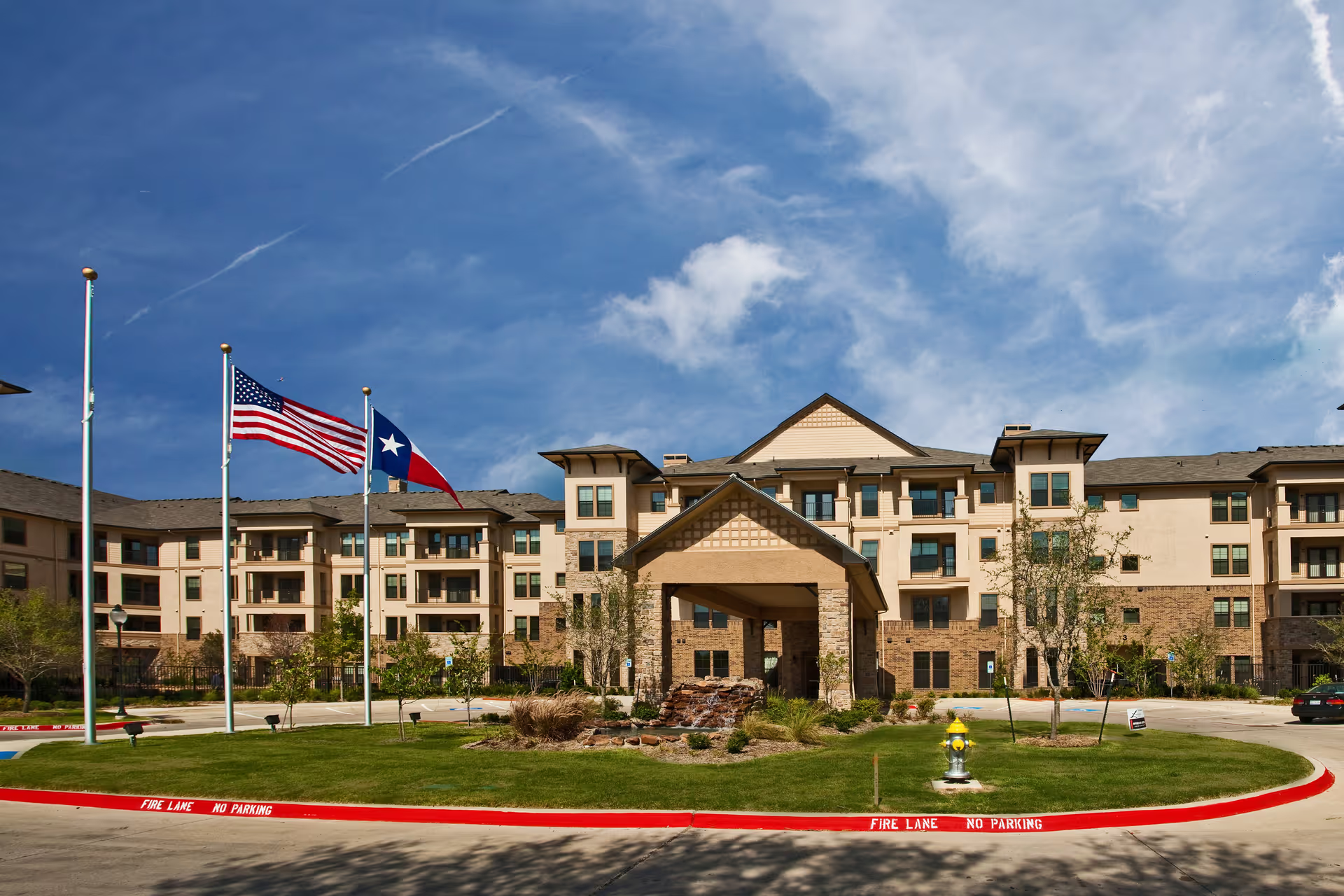
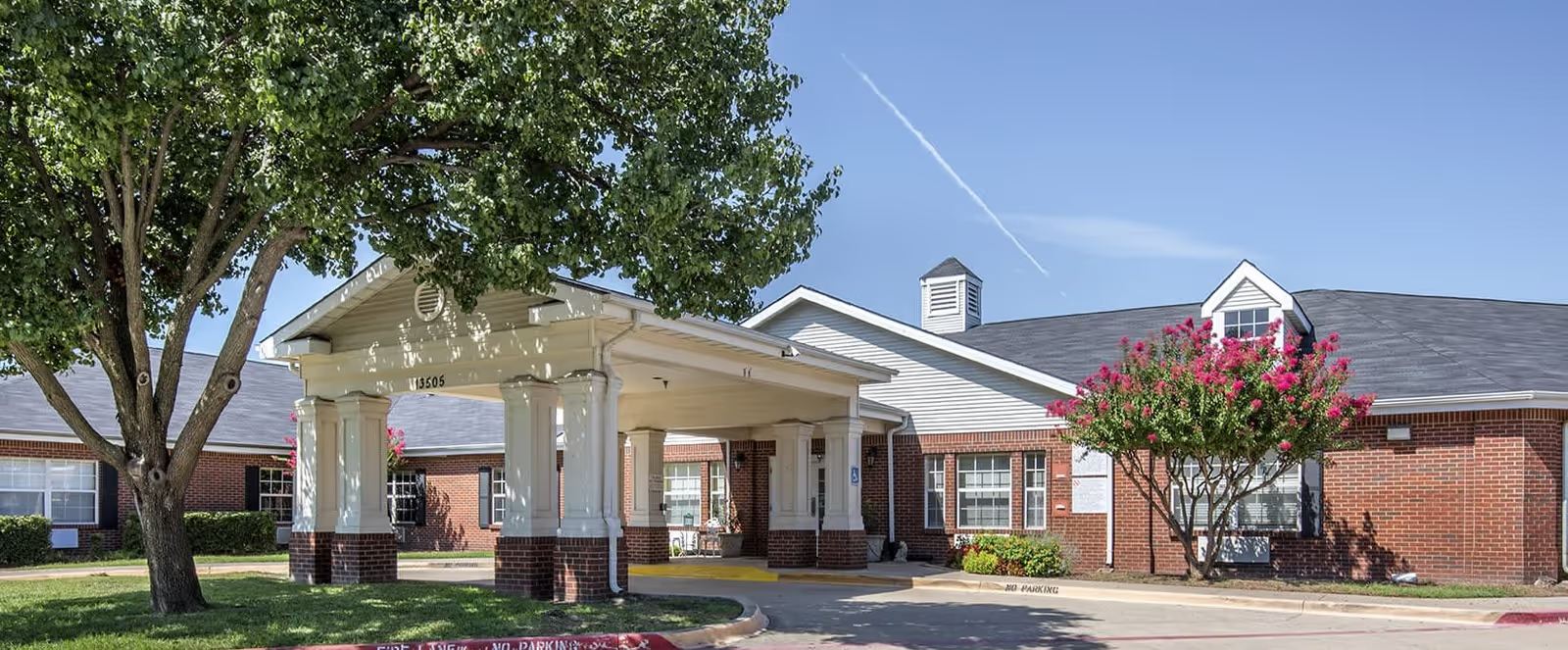
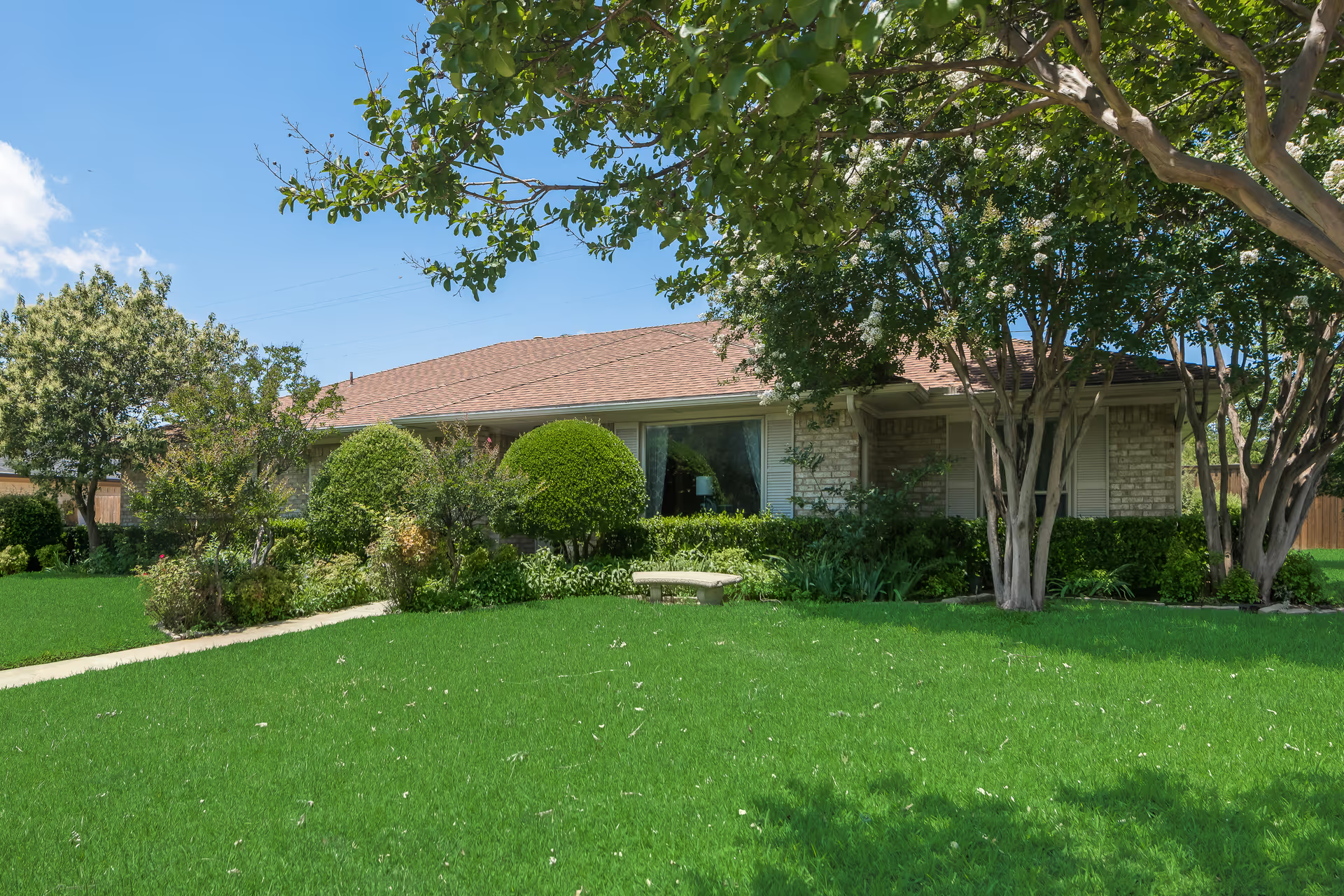
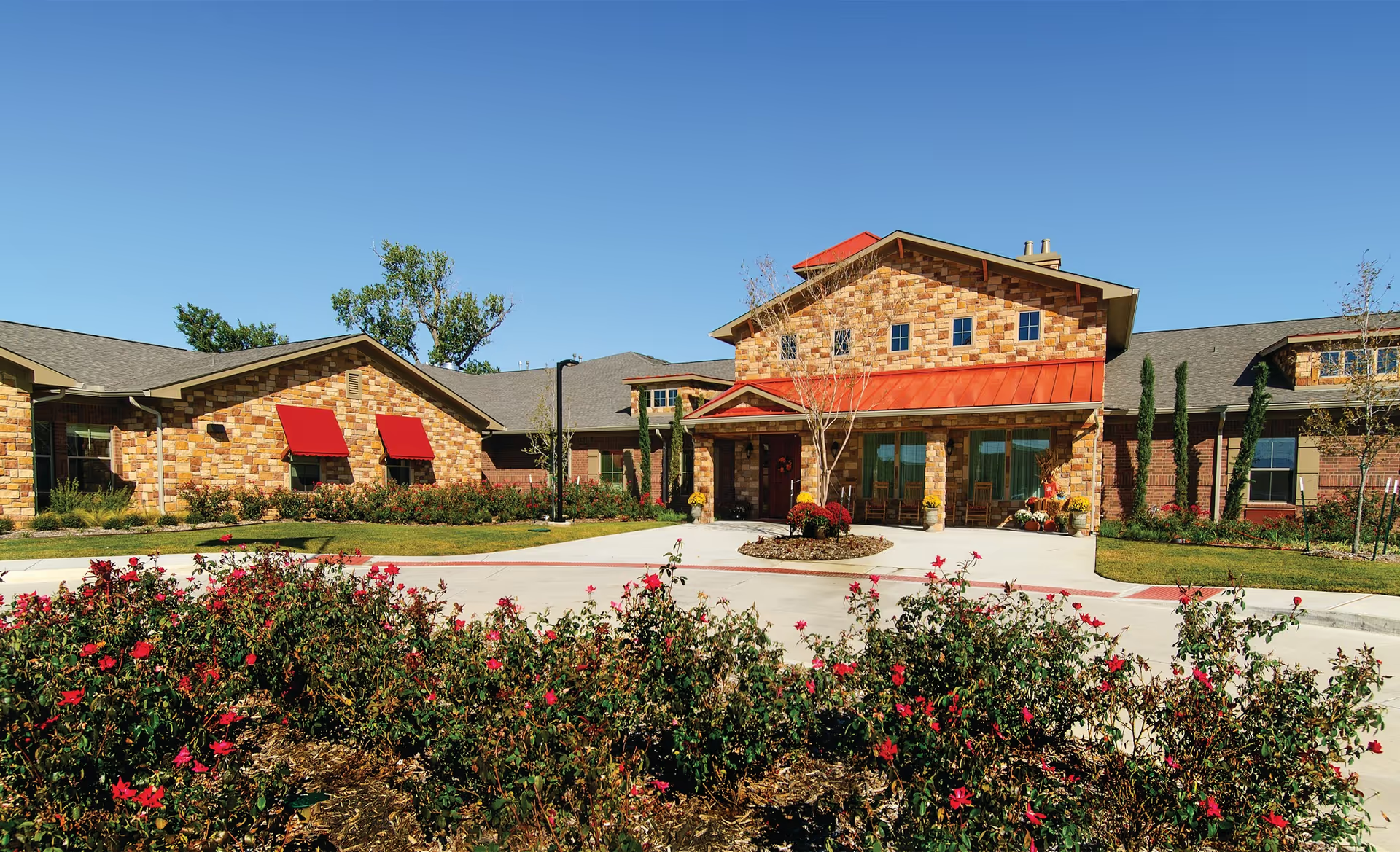
Overall impression: Reviews reflect a facility with meaningful clinical strengths alongside operational inconsistencies. Many families and residents describe skilled rehabilitation services, attentive caregivers, and an overall warm, family-like atmosphere. At the same time, a sizable portion of feedback highlights recurring operational problems — particularly around staffing consistency, responsiveness, facility upkeep, and dining quality — that can significantly affect the resident experience.
Care quality and clinical services: The facility receives consistently positive comments for its therapy programs and clinical outcomes. Physical and occupational therapy teams are frequently described as focused, effective, and results-oriented, with a well-equipped therapy gym supporting recovery. Many reviewers praised the nursing leadership and individual clinicians for compassionate, hands-on care and good coordination with families. Conversely, there are intermittent concerns about clinical-assessment timeliness and medication-related communication; a few accounts indicate delays in diagnosis or unclear medication information for appointments, suggesting room to strengthen clinical handoffs and family communication protocols.
Staff and communication: Staffing is a polarizing theme. Numerous reports commend staff for being friendly, caring, and personally engaged — creating a reassuring, family-like environment. Several administrative and leadership staff received specific praise for responsiveness and accessibility. However, other accounts describe inconsistent staffing coverage (notably at night), slow or unanswered call responses, and variable conduct from some employees (tone, impatience, or brief interactions). These mixed experiences point to uneven performance across shifts and roles rather than a uniform culture of care.
Dining and nutrition: Dietary feedback is mixed. The presence of a proactive dietician and attention to therapeutic diets is a positive element, and some reviewers found meals timely and satisfactory. At the same time, repeated comments about poor meal taste, small portioning on therapeutic or soft diets, and associated weight concerns indicate inconsistency in meal quality and resident satisfaction that may require menu adjustments and closer dietary monitoring.
Activities, social environment, and safety: Many reviewers highlight a robust activities program, regular outings, religious inclusivity, and social opportunities that contribute to resident well-being. The facility’s security measures and supervised outdoor spaces are also noted positively. Yet some families described limited activity engagement or a quieter, less-stimulating environment in certain units; activity availability appears to vary by unit or resident population.
Facilities, maintenance, and sanitation: Housekeeping receives frequent praise — several reviews describe clean areas and strong housekeeping performance. At the same time, there are recurring notes about aging infrastructure: dated rooms, paint or decor that some find gloomy, intermittent leaks, running fixtures, inconsistent climate control, and other maintenance items that detract from comfort. There are also sanitation and odor concerns cited for particular rooms or common areas; these contrast with other accounts of a fresh-smelling environment, indicating inconsistently applied environmental controls.
Management and operational patterns: Admissions, finance, and some leadership roles are frequently lauded for efficiency and helpfulness, with specific staff members called out for exemplary support. That said, reviewers also described inconsistent follow-through on promises, limited weekend phone access, and occasional loss of personal items, pointing to gaps in administrative processes and communication continuity. Strengthening weekend coverage, call-handling protocols, and personal-property procedures could address several of the most common operational complaints.
Conclusion and guidance for families: Carrollton Health & Rehabilitation Center appears to deliver strong rehabilitative care and has many staff who provide compassionate, family-centered service. Prospective residents and families should weigh the notable clinical and activity strengths against recurring operational concerns — especially staffing consistency, dining satisfaction, and facility maintenance. When considering placement, ask about staffing levels by shift, recent maintenance or renovation plans, menu samples or dietary monitoring practices, procedures for handling personal items, and weekend/after-hours contact protocols. Visiting during different shifts and speaking directly with therapy, nursing leadership, and admissions staff can help clarify how the facility’s strengths align with an individual resident’s needs.