Overall impression: Reviews of Sagebrook Nursing and Rehabilitation are strongly polarized. A substantial number of families praise the facility for its rehabilitation capabilities, compassionate aides, engaged social-work and admissions teams, and positive therapy outcomes. At the same time, other reviewers raise substantive operational concerns that range from clinical-care consistency to environmental sanitation and financial practices.
Care quality and clinical operations: Therapy (physical, occupational, speech) is frequently cited as a strength; many families describe measurable functional improvement and successful transitions home. However, nursing care is described inconsistently. Positive accounts highlight attentive RNs/CNAs and effective medication administration, while negative accounts describe delays in attending to residents, inconsistent wound and incontinence care, missed or delayed medications, and gaps in pain management. There are also reports suggesting gaps in clinical oversight and physician availability that contributed to delays in treatment decisions. Families should explicitly verify staffing patterns, clinical oversight arrangements, and wound/incontinence protocols during a tour.
Staff conduct, staffing, and communication: Numerous reviewers commend individual staff members and social workers for compassion, clear communication, and advocacy. Conversely, other reviews describe concerns about staff conduct and tone, nighttime understaffing, high turnover, and reliance on agency personnel producing inconsistent care. Communication strengths include prompt updates from some administrative staff and social workers; communication weaknesses include delayed responses, perceived rudeness in some front-desk or phone interactions, and inconsistent follow-up. These patterns suggest variability between shifts and individual staff members rather than uniform practice.
Dining and activities: Activity programming (bingo, outings, in-house recreational events) and therapy-based activities receive frequent praise; residents and families often note an engaging calendar. Dining feedback is mixed: some residents enjoy the meals and menu variety, while others find food quality inconsistent and report delays in implementing therapeutic diets (for example, low-sodium orders). Prospective residents should sample menus and discuss therapeutic-diet processes and timing.
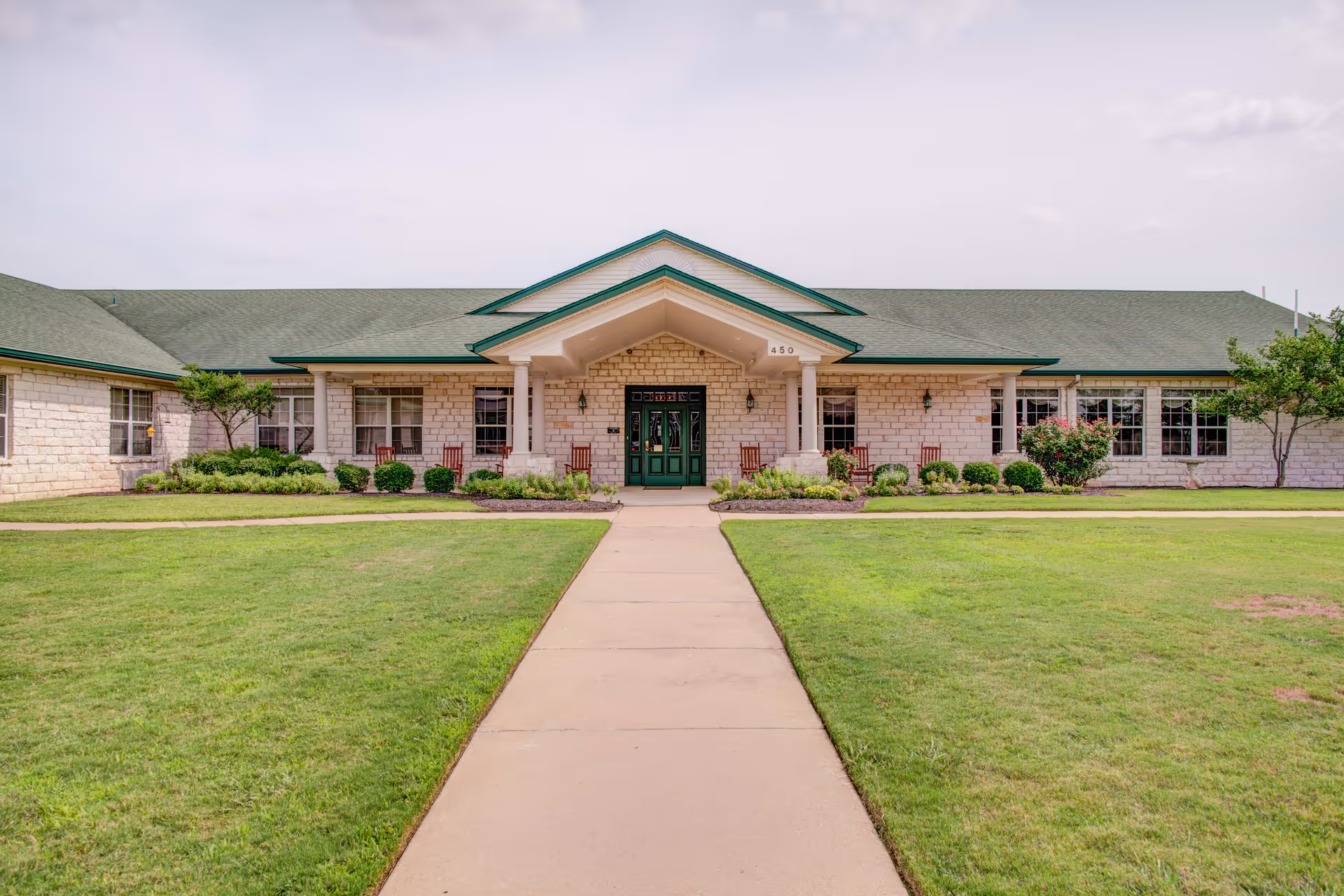
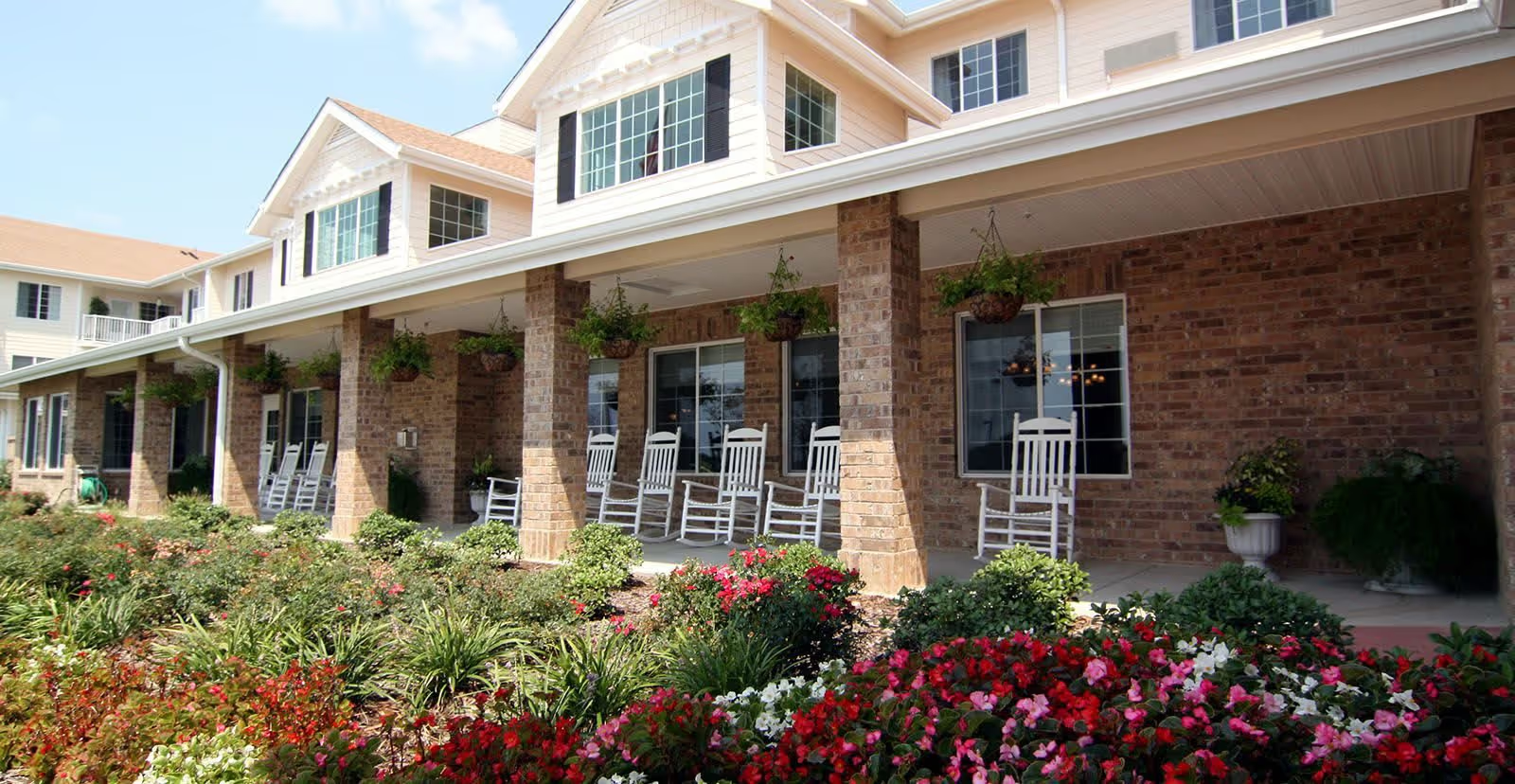
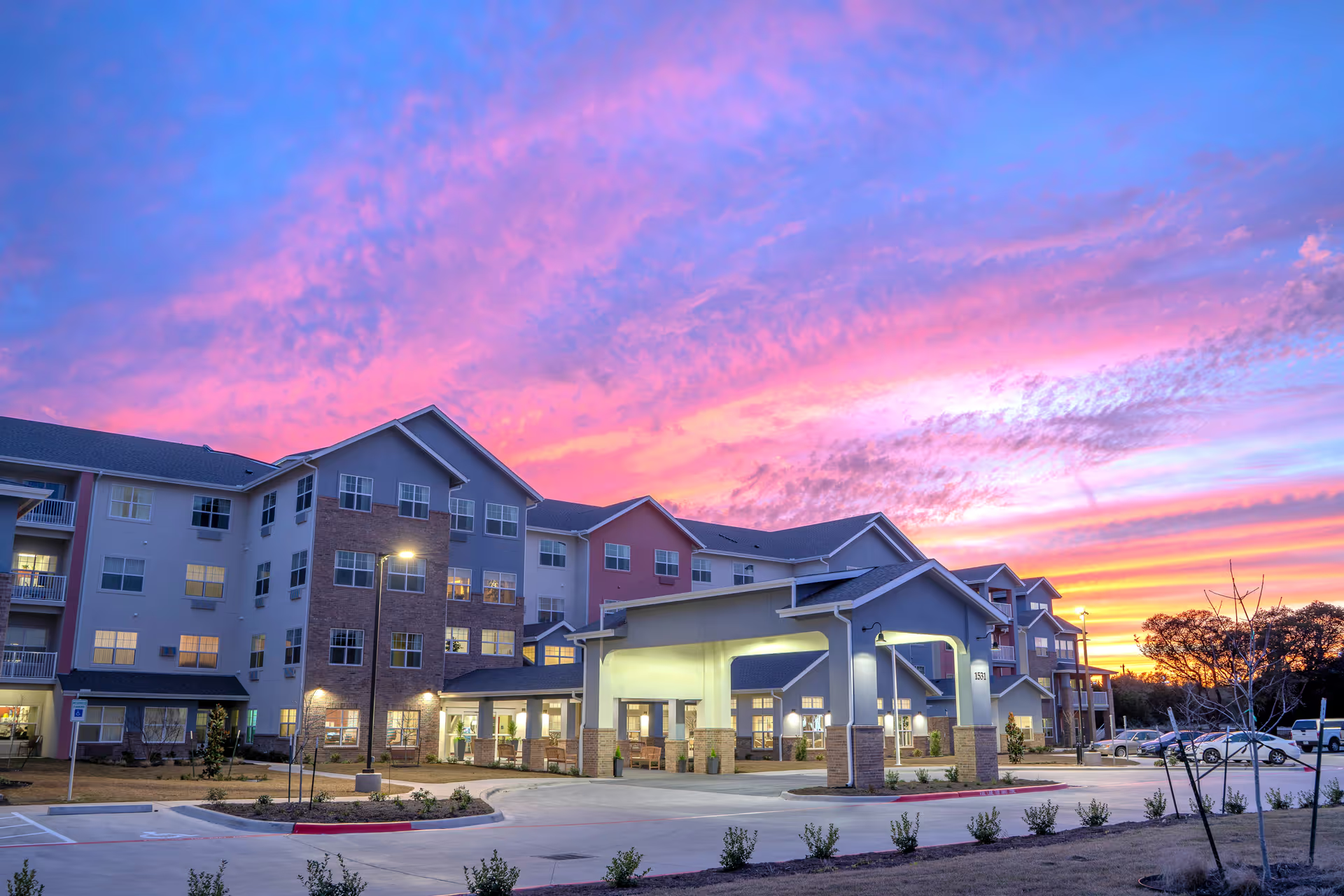
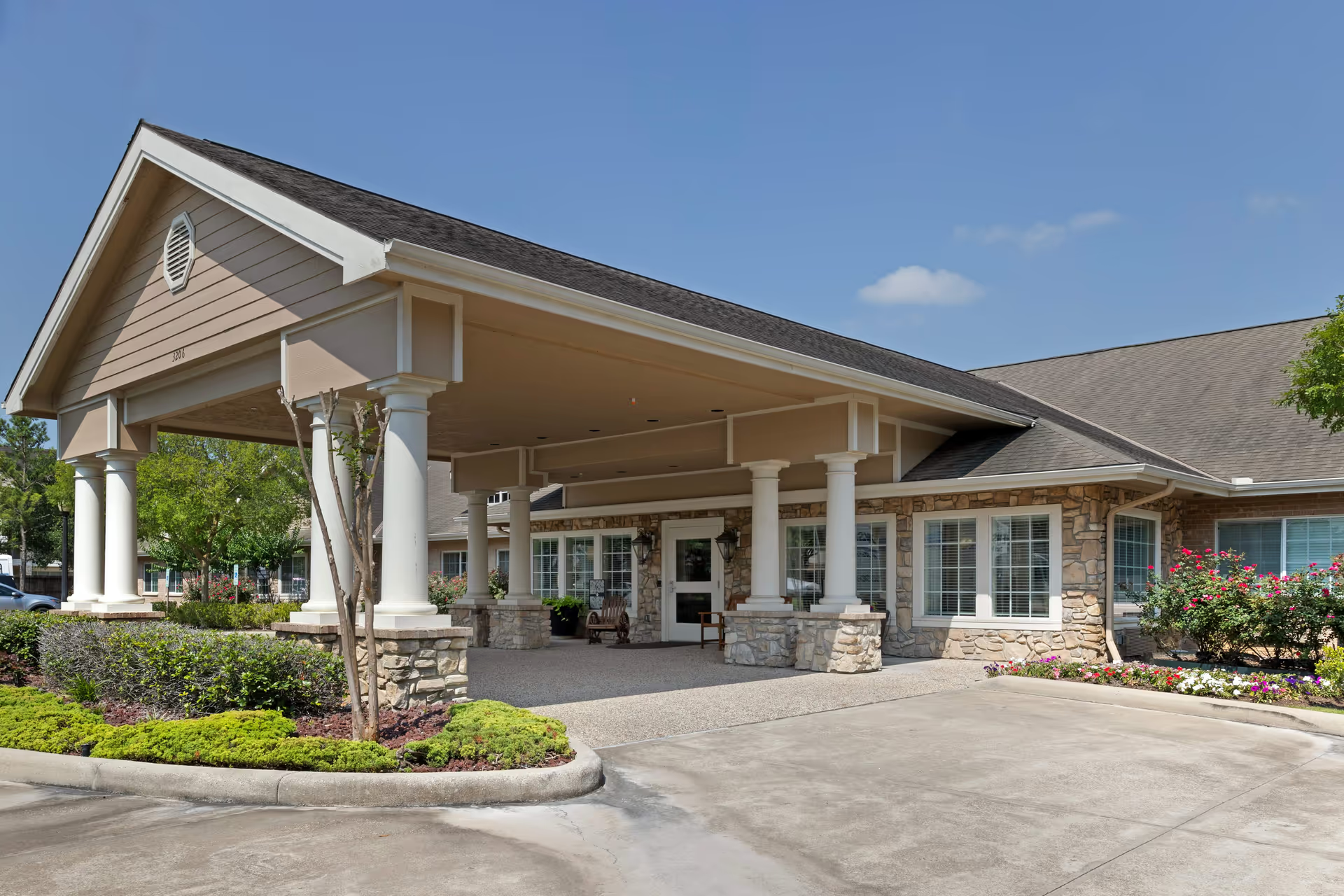
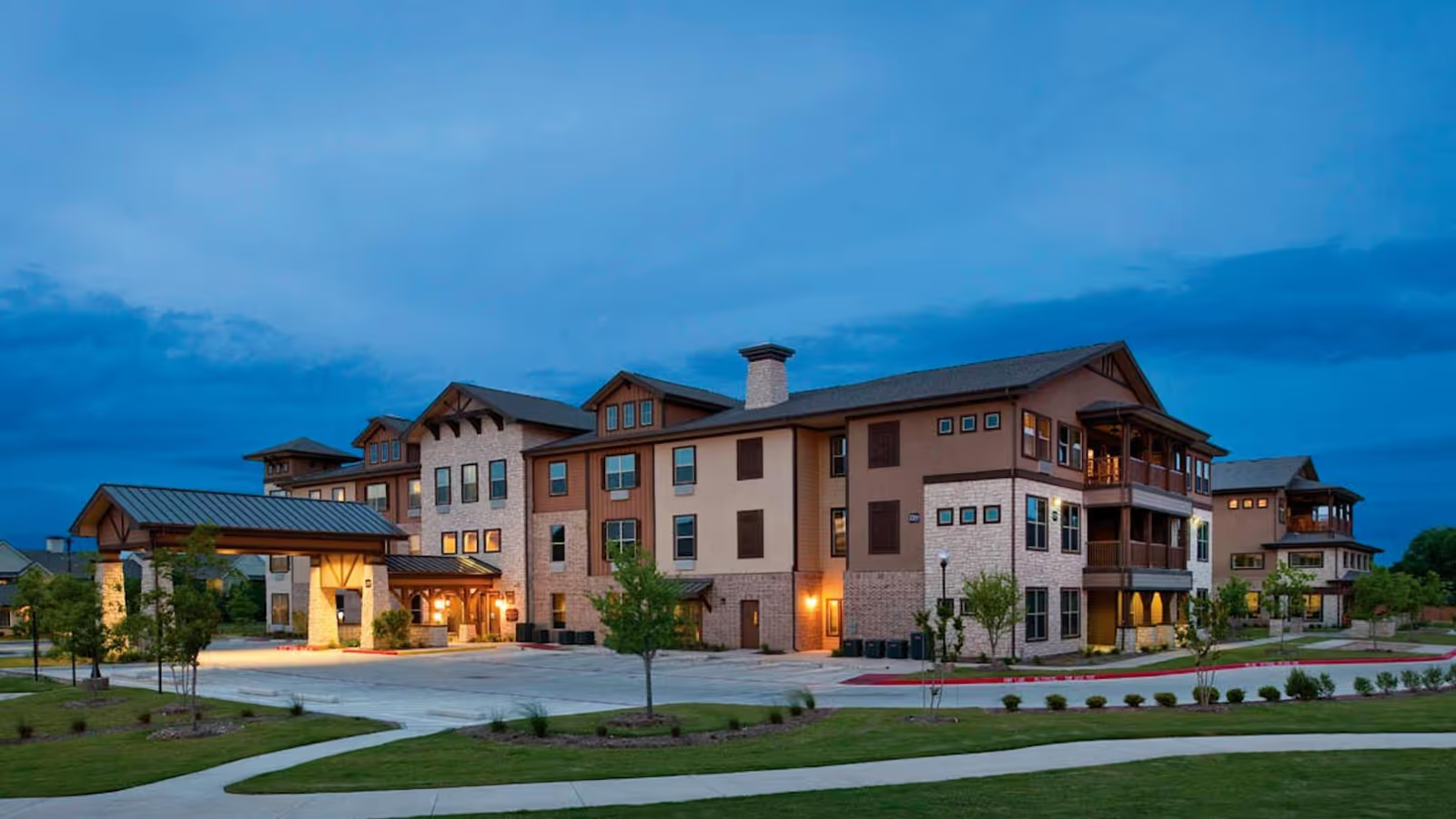
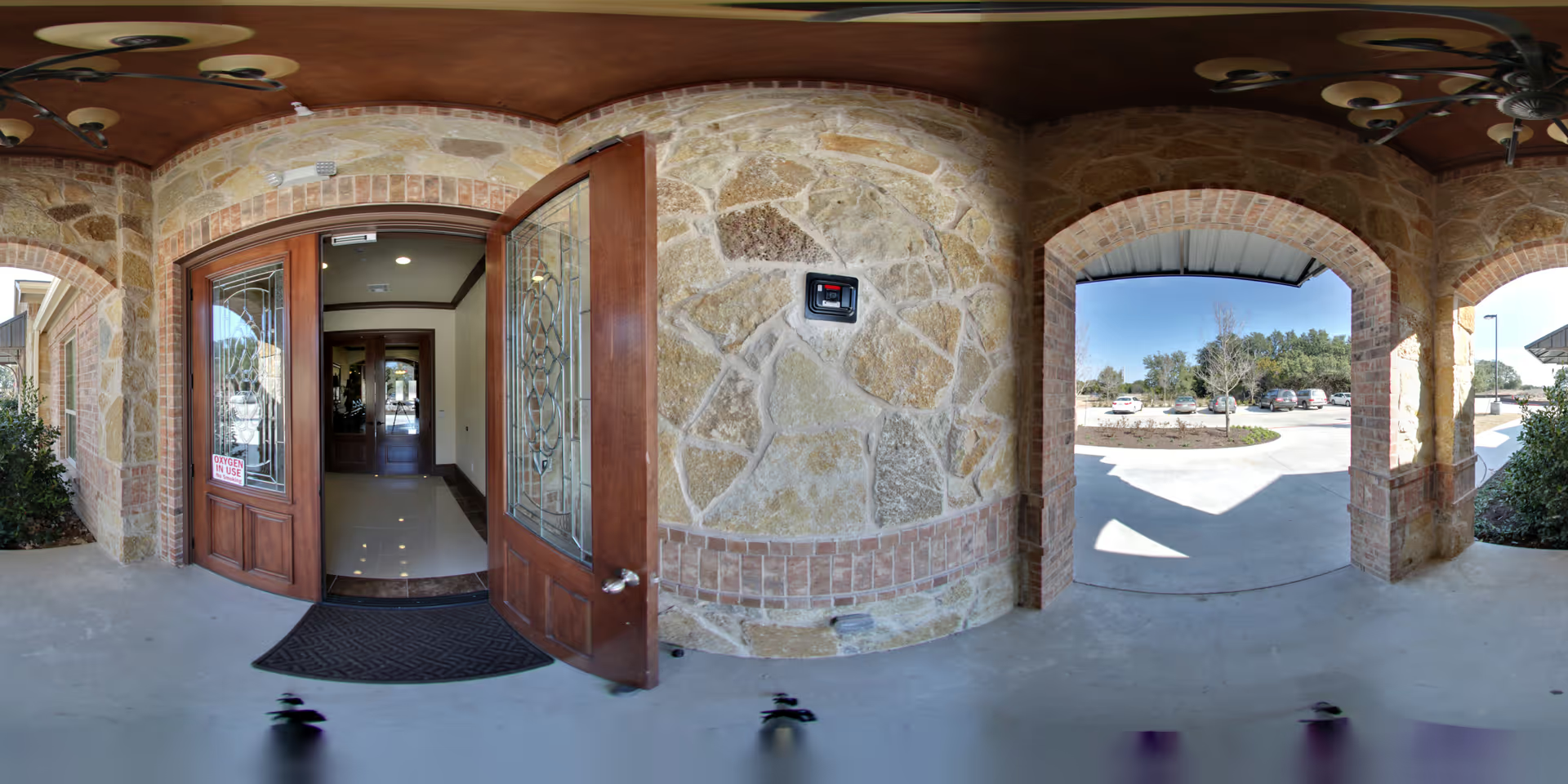
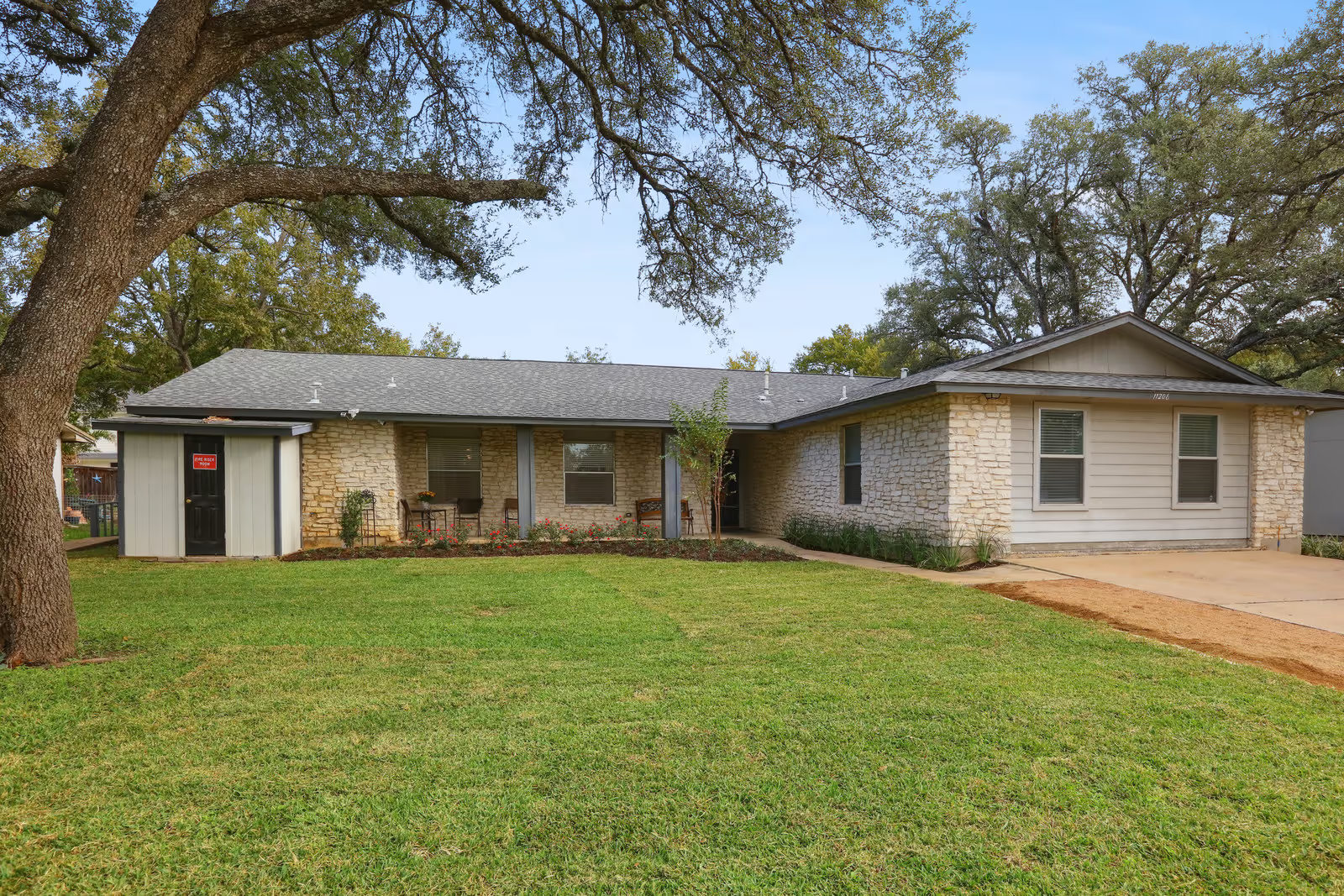
Facilities and cleanliness: Many reviewers describe clean, spacious rooms and secure front-desk procedures. At the same time, a notable subset of reviews raises sanitation and pest-control concerns, variability in bathroom and common-area maintenance, and older-building maintenance issues (mold or moisture concerns are mentioned). These comments indicate that environmental standards may vary by unit or by time period; an in-person inspection of multiple areas and discussion of pest-control and housekeeping schedules is advisable.
Management, billing, and safety patterns: Management receives mixed assessments — some families report engaged leadership and helpful business-office support, while others describe aggressive billing/collections practices and confusing financial communication. There are also isolated, serious allegations related to medication control and security; these are serious if substantiated and warrant direct inquiry. Infection-control and visitor-policy practices have been questioned in some accounts, including concerns about transmission events. Families should request current information on medication-security measures, infection-control protocols, incident reporting, and grievance procedures.
Notable patterns and practical advice: The overall pattern is one of pronounced variability: many residents experience excellent rehabilitation, compassionate aides, and good outcomes, while others encounter lapses in nursing responsiveness, sanitation, or management follow-through. Variability appears to be influenced by staffing levels, shift changes, and unit maintenance. Prospective residents and families should (1) tour during different shifts, (2) ask about staffing ratios and agency-staff usage, (3) review medication-security and wound-care protocols, (4) inquire about housekeeping and pest-control schedules, (5) clarify billing/collection policies in writing, and (6) request references from recent discharges for similar levels of care. These steps will help assess whether the facility’s strong rehabilitation resources align with consistent nursing and environmental practices for an individual’s needs.