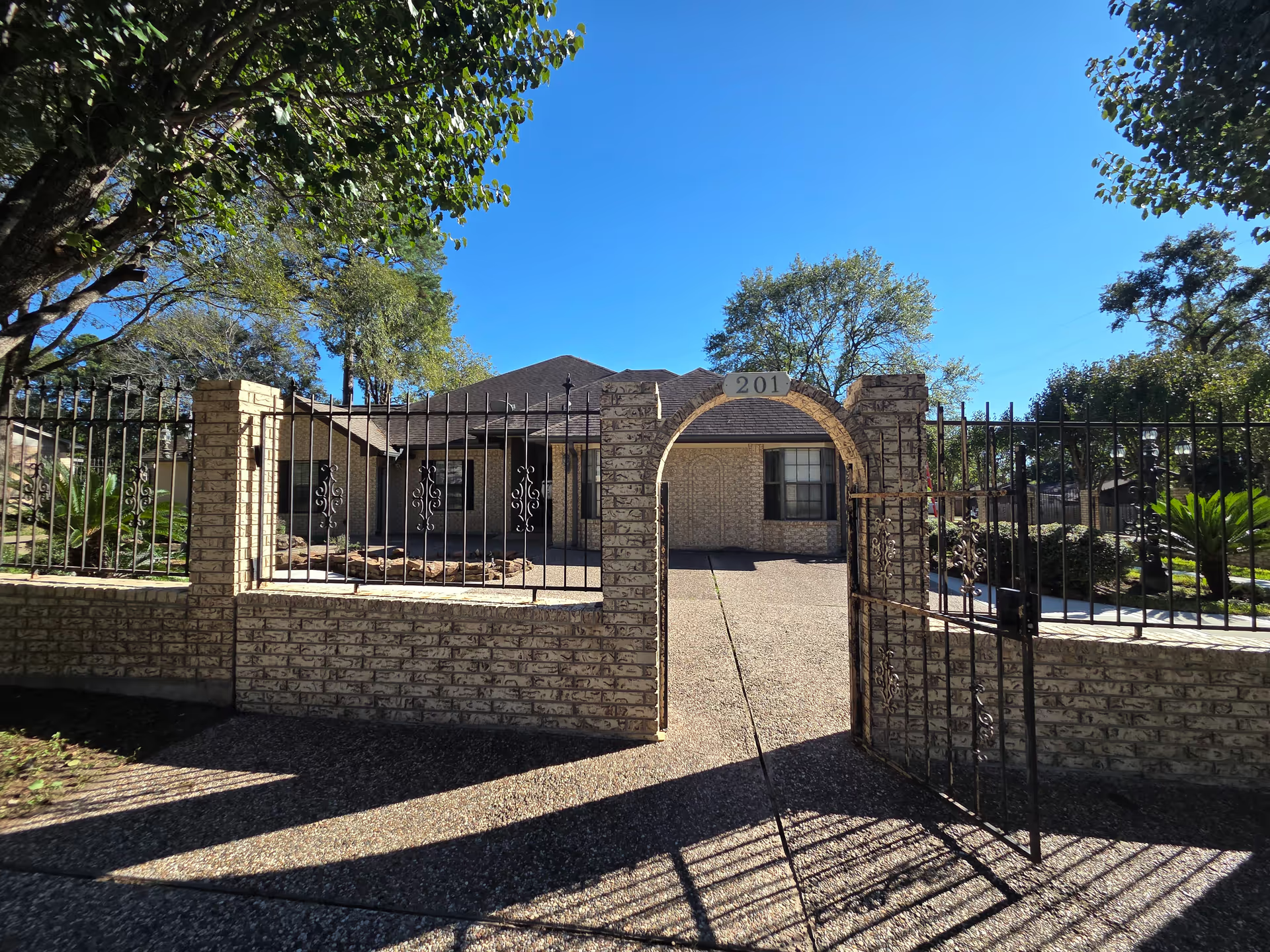
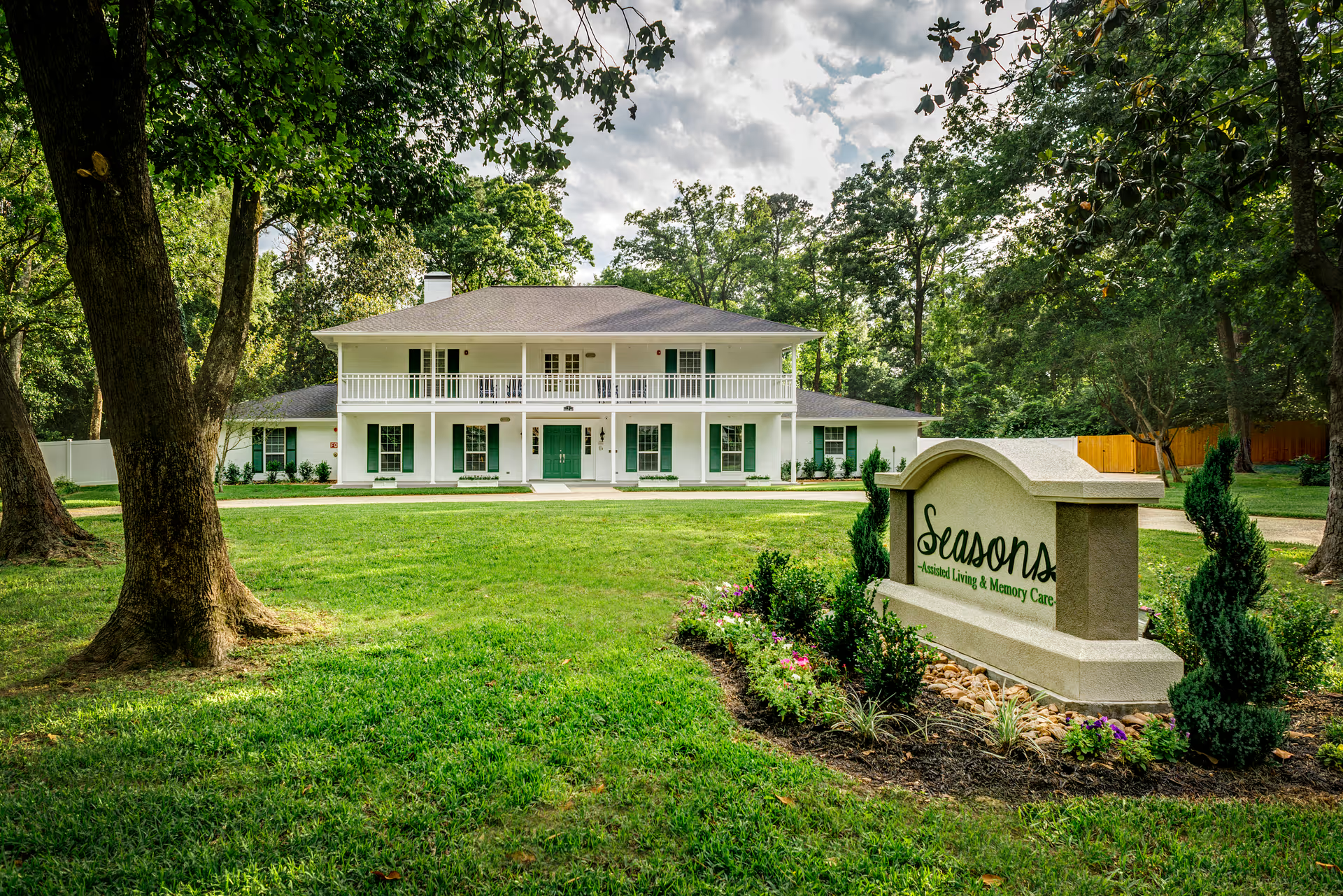
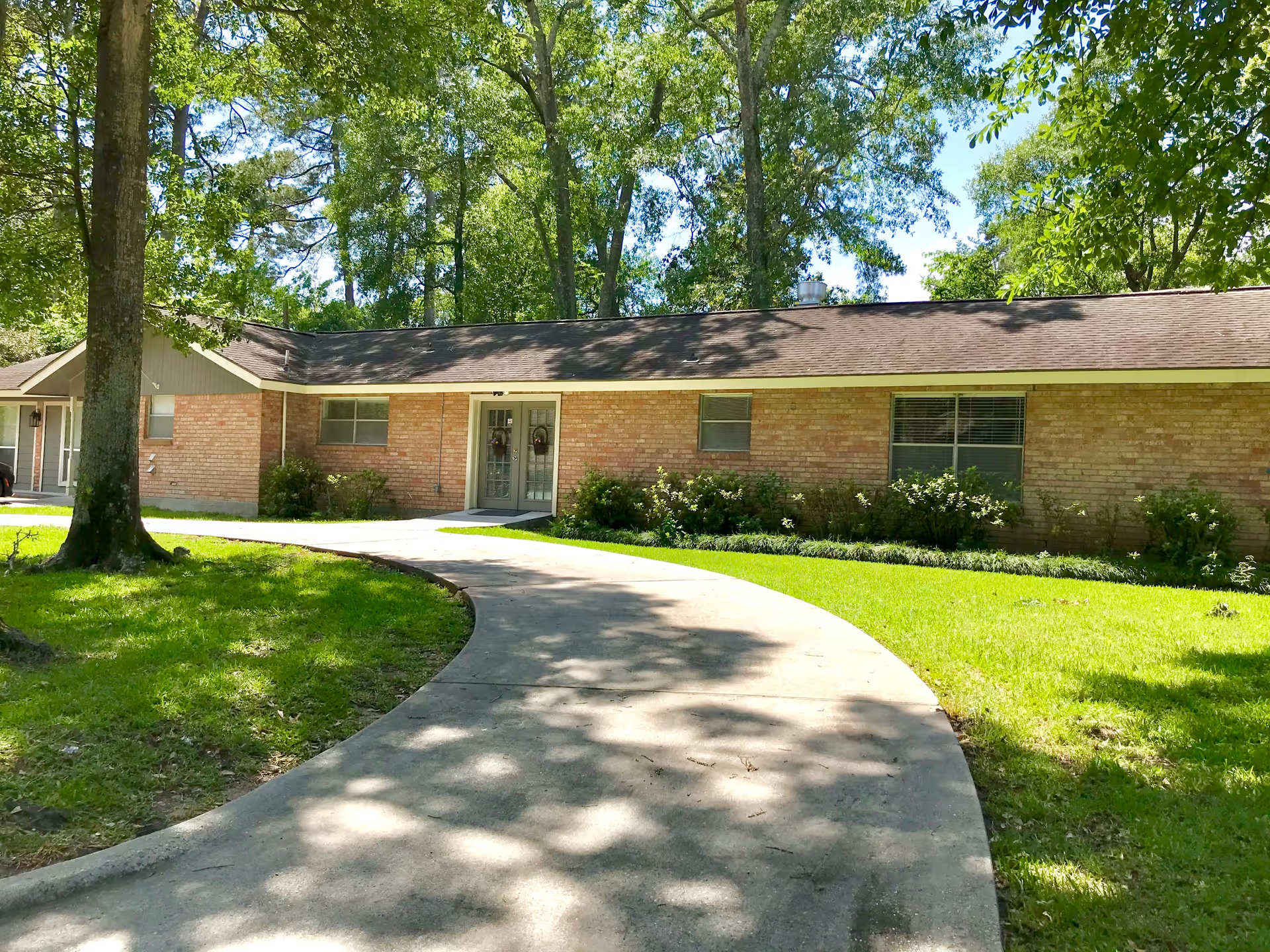
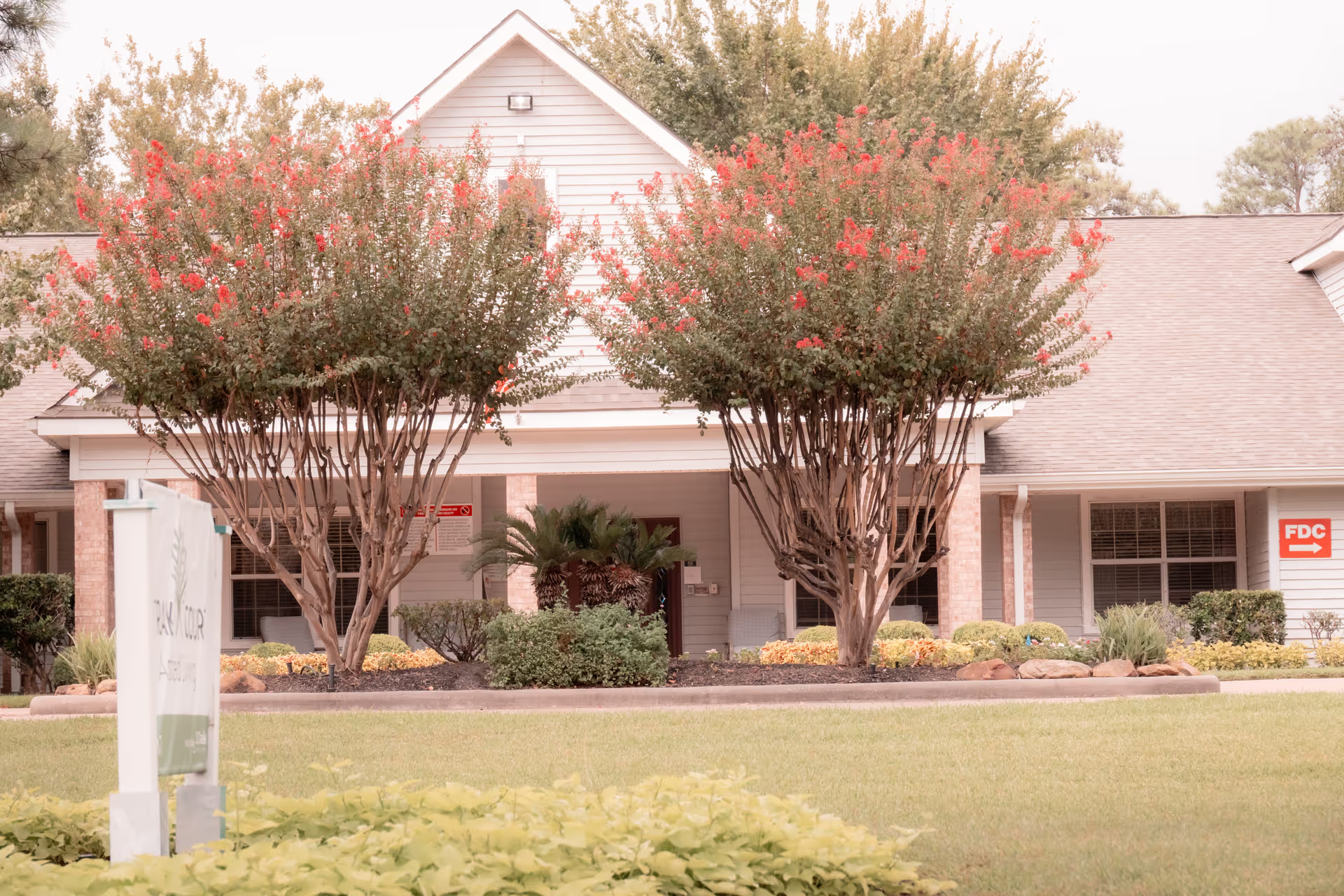
Overall impression: Reviews portray Countryside Manor Assisted Living as a boutique, home-like community with consistently positive family sentiment. Care quality is described as compassionate and attentive; families emphasize dignity, personalized attention, and a calm atmosphere that many characterize as a ‘‘forever home.’' Staff are routinely praised for kindness, responsiveness, and proactive communication that includes photos and text updates which help provide peace of mind for relatives.
Staff and management: The facility is staffed by caregivers described as skilled, warm, and conscientious. Ownership and management are characterized as hands-on and accessible; reviewers note visible owner involvement and responsive managers who coordinate family communication and transitions. This small-community operational model appears to support close staff–resident relationships and individualized care plans, though it also creates an operational dependence on a limited leadership and staffing core.
Dining and services: Comments about dining are generally positive where present; several families referenced good meals and an overall pleasant mealtime environment, but explicit detail about menu variety, special-diet handling, and pricing is limited in the available summaries. The community offers convenient on-site services such as a beauty salon and periodic medical access, which complement daily living supports. A practical limitation noted is the absence of an on-site medical transport vehicle, which may necessitate outside arrangements for medical appointments.
Activities and social environment: The programmatic offerings receive favorable comments — craft rooms, planned events, singing and social activities, and family-inclusive gatherings help sustain resident engagement. Outdoor amenities, including gardens, patios, and pergolas, are frequently highlighted as well-designed and usable for walks and visits, contributing to an inviting, homey ambiance. The small scale supports neighborly resident interaction and closer monitoring of engagement and mood.
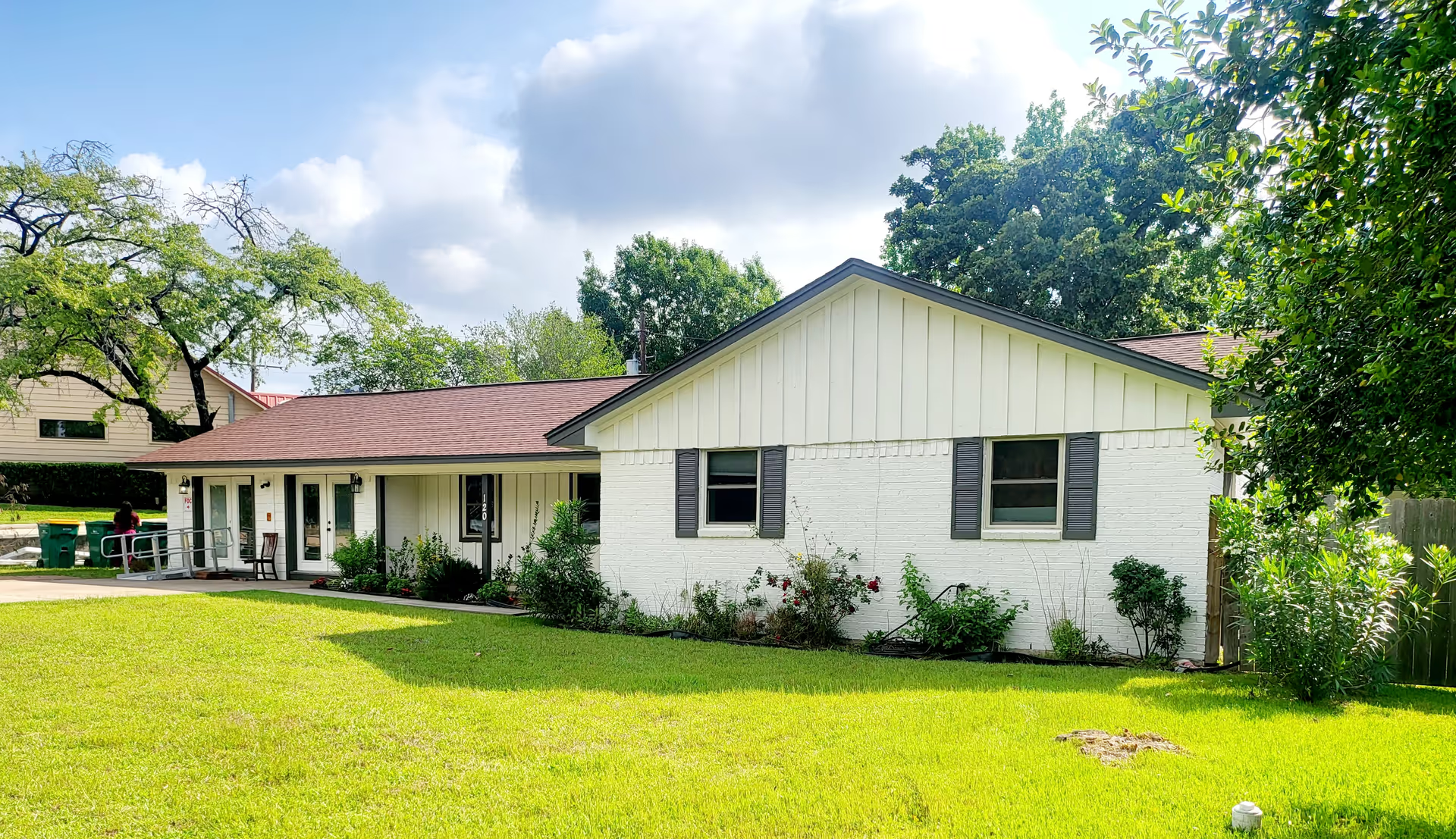
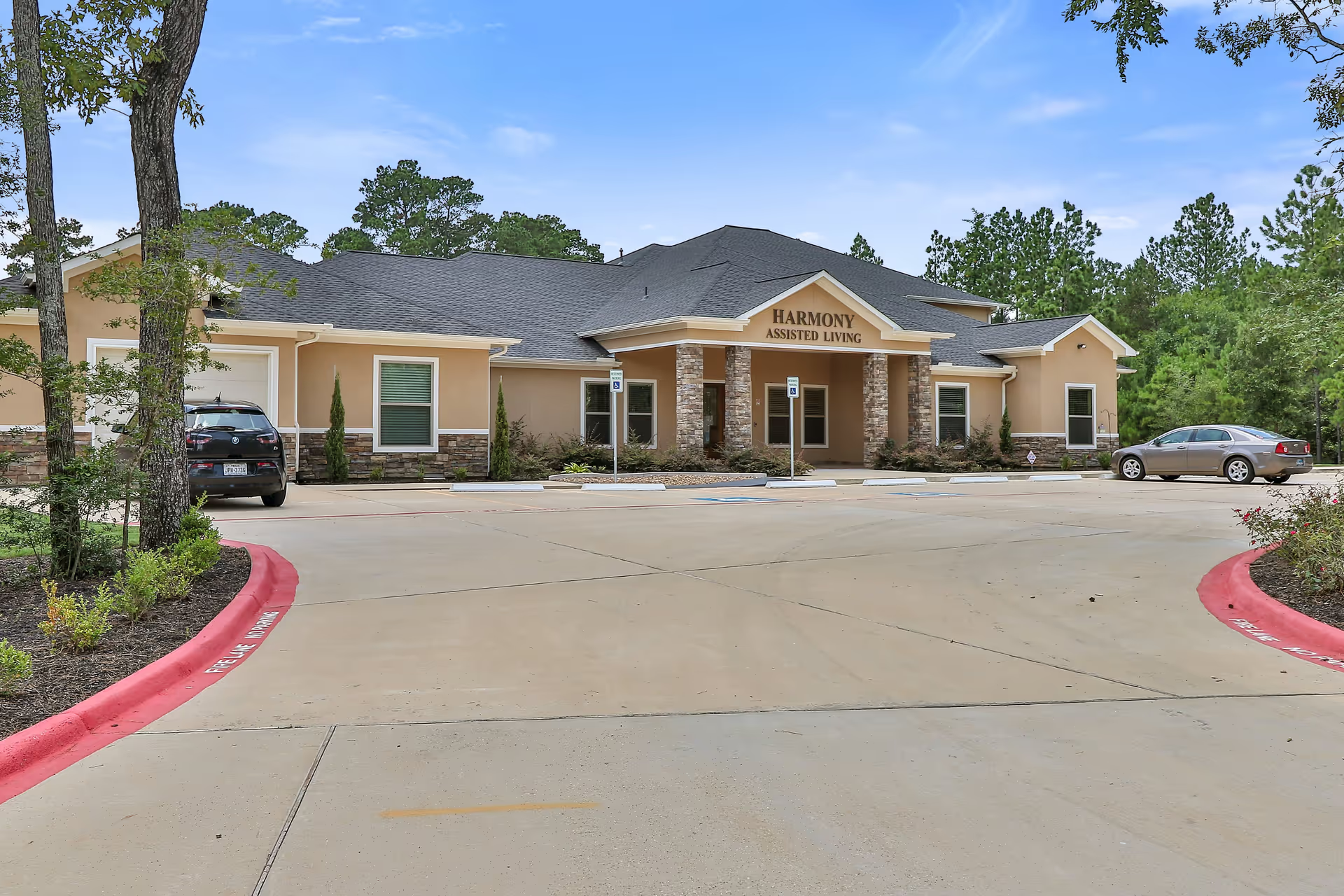
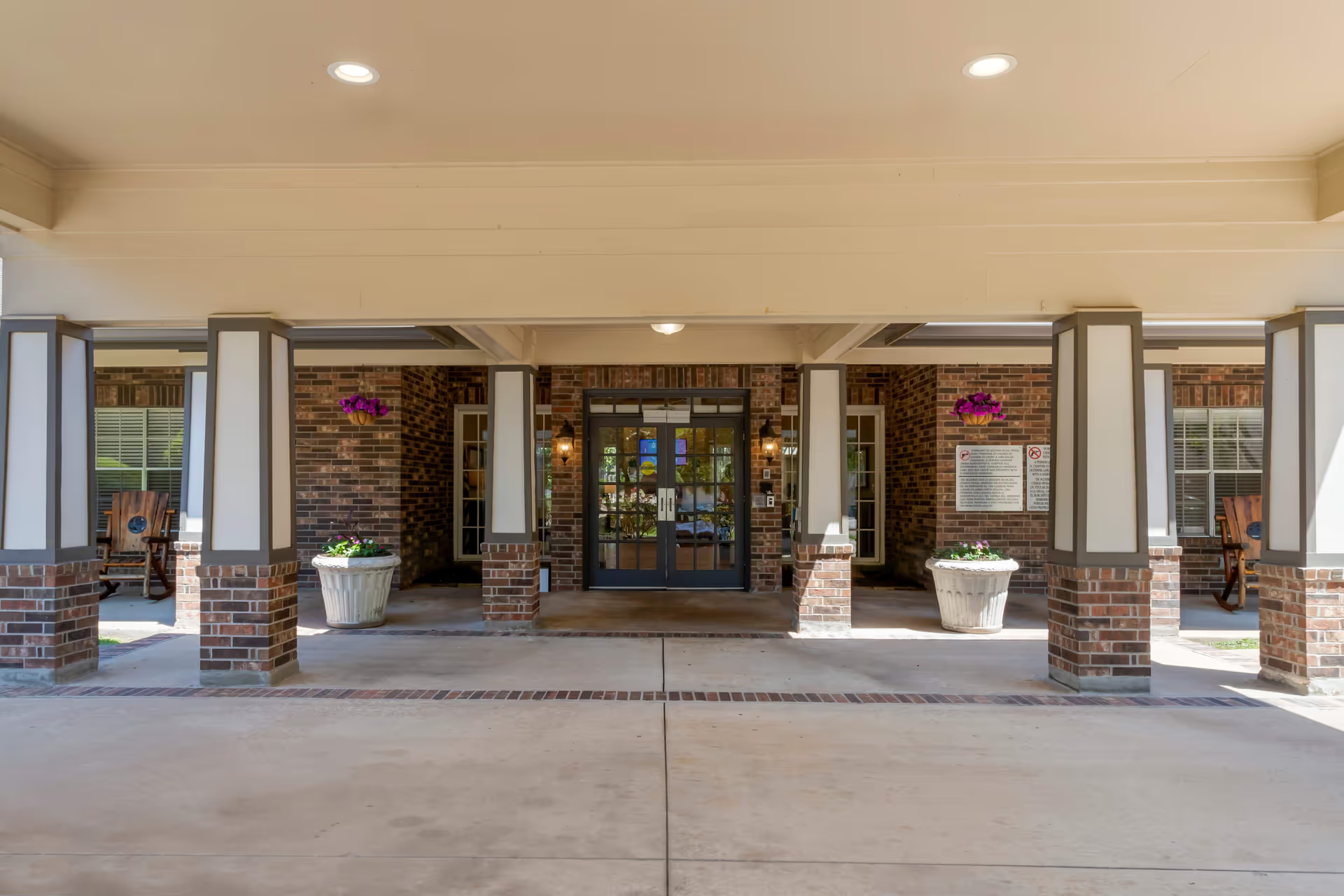
Facilities and operations: Physical spaces are described as bright, clean, and well-maintained, with attention to safe bathroom design and comfortable furnishings. Reviewers praise organization and the welcoming aesthetic. Operationally, the boutique size yields strengths in personalization but may limit access to highly specialized clinical services and creates reliance on particular staff and owners for continuity. A few isolated notes indicate interpersonal conduct or noise concerns at times; these comments point to episodic behavior-management or community-dynamics issues rather than systematic care failures.
Notable patterns and considerations: The dominant pattern across summaries is strong family satisfaction and frequent recommendations. Prospective families should weigh the advantages of a small, tightly run community — personalized care, visible management, strong family communication, attractive outdoor spaces — against trade-offs such as limited transport resources, potential constraints on highly specialized clinical services, and operational dependence on key personnel. Requesting specific information about meal plans, specialty clinical supports, transportation logistics, and contingency staffing plans would help prospective residents and families confirm that the facility’s boutique model aligns with longer-term medical and logistical needs.