Reviews for Presbyterian Village North present a mixed but consistent pattern: the campus offers substantial physical advantages and programmatic breadth, while operational inconsistencies—especially between different units and staffing cycles—produce widely varying resident experiences.
Care and clinical services: Several families describe exemplary clinical and rehabilitative care on specific units, with attentive nurses and therapists who produce good functional outcomes. At the same time there are multiple accounts of lapses in clinical processes on other units, including missed or late medications, incomplete discharge documentation, and inconsistent adherence to transfer safety practices. Recurring themes point to gaps in staff training (for example, correct use of gait belts and assistive transfers) and uneven medication-administration controls. Infection-control and sanitation processes are also mentioned as an operational concern in some instances, including delays in restocking hygiene supplies and shortcomings in laundry/incontinence-care workflows.
Staff and workforce issues: Staffing quality is polarized. Long-term, well-regarded employees and skilled therapists are frequently praised for compassionate, person-centered care. Conversely, reviewers cite high turnover, frequent use of agency staff, and variability in aide competence and responsiveness. Other workforce-related issues include inconsistent use of name badges, defensive reception or security interactions, and occasional unresponsiveness to family feedback. These patterns suggest uneven onboarding and continuing education across departments.
Dining and nutrition: Dining is another area of contrast. Many reviews highlight a nutritious, varied menu with fresh produce and attentive dining service; some residents and families consider dining a strong point. However, other accounts describe a decline in meal quality over time, interruptions to regular service (for example during construction), ignored meal selections, and inconsistent meal timing or delivery practices. Overall, dining appears generally good but not uniformly consistent across the campus or over time.
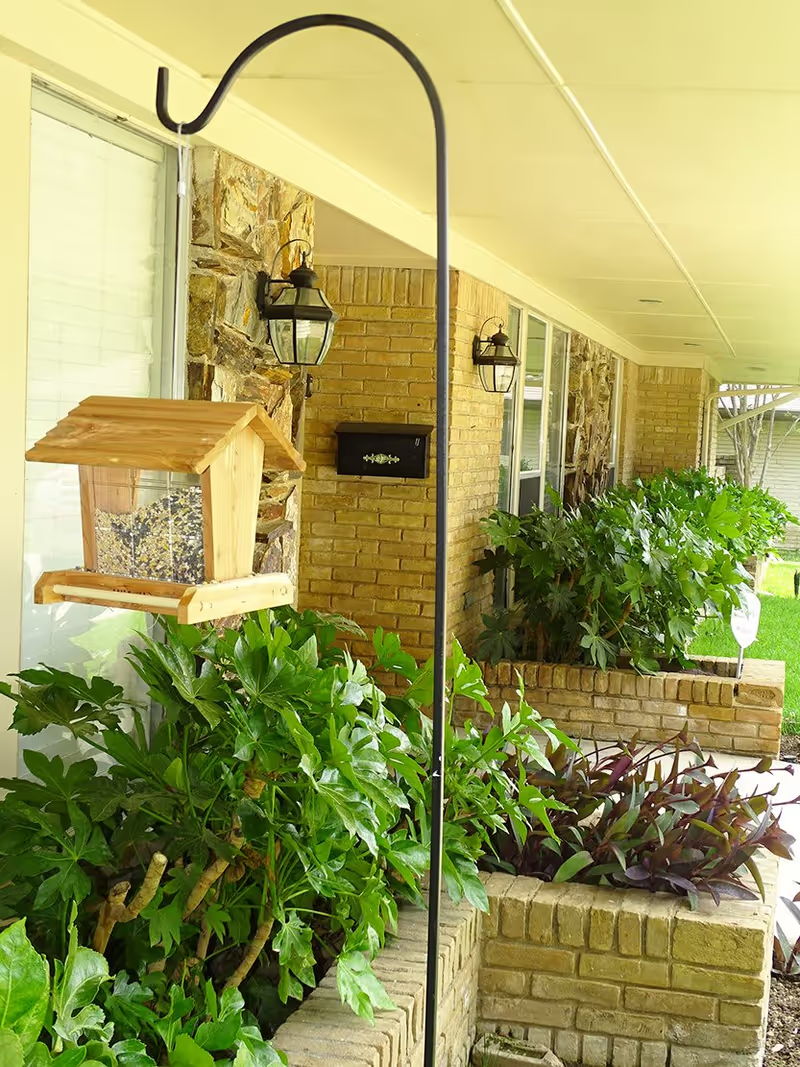
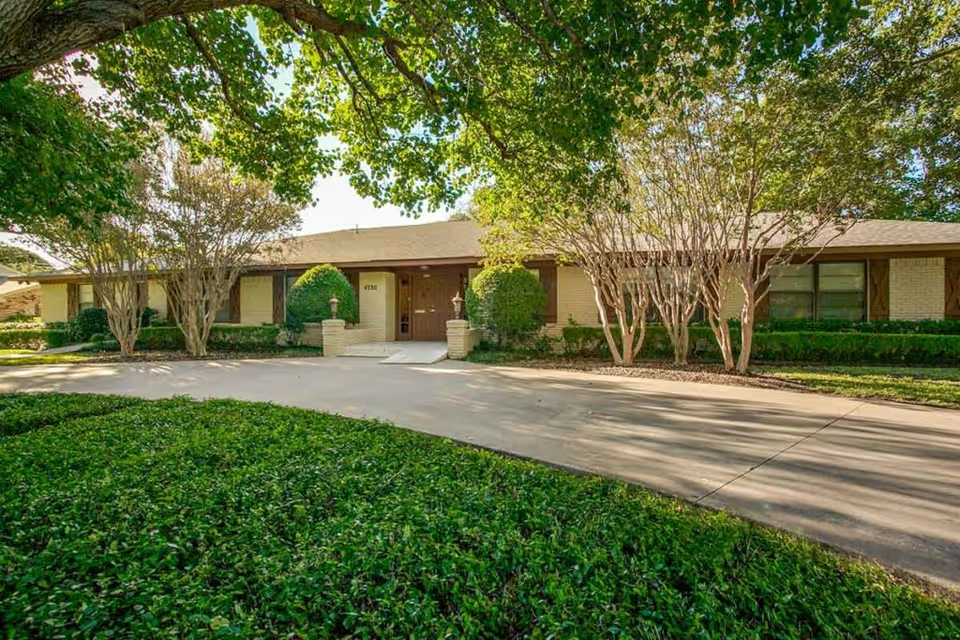
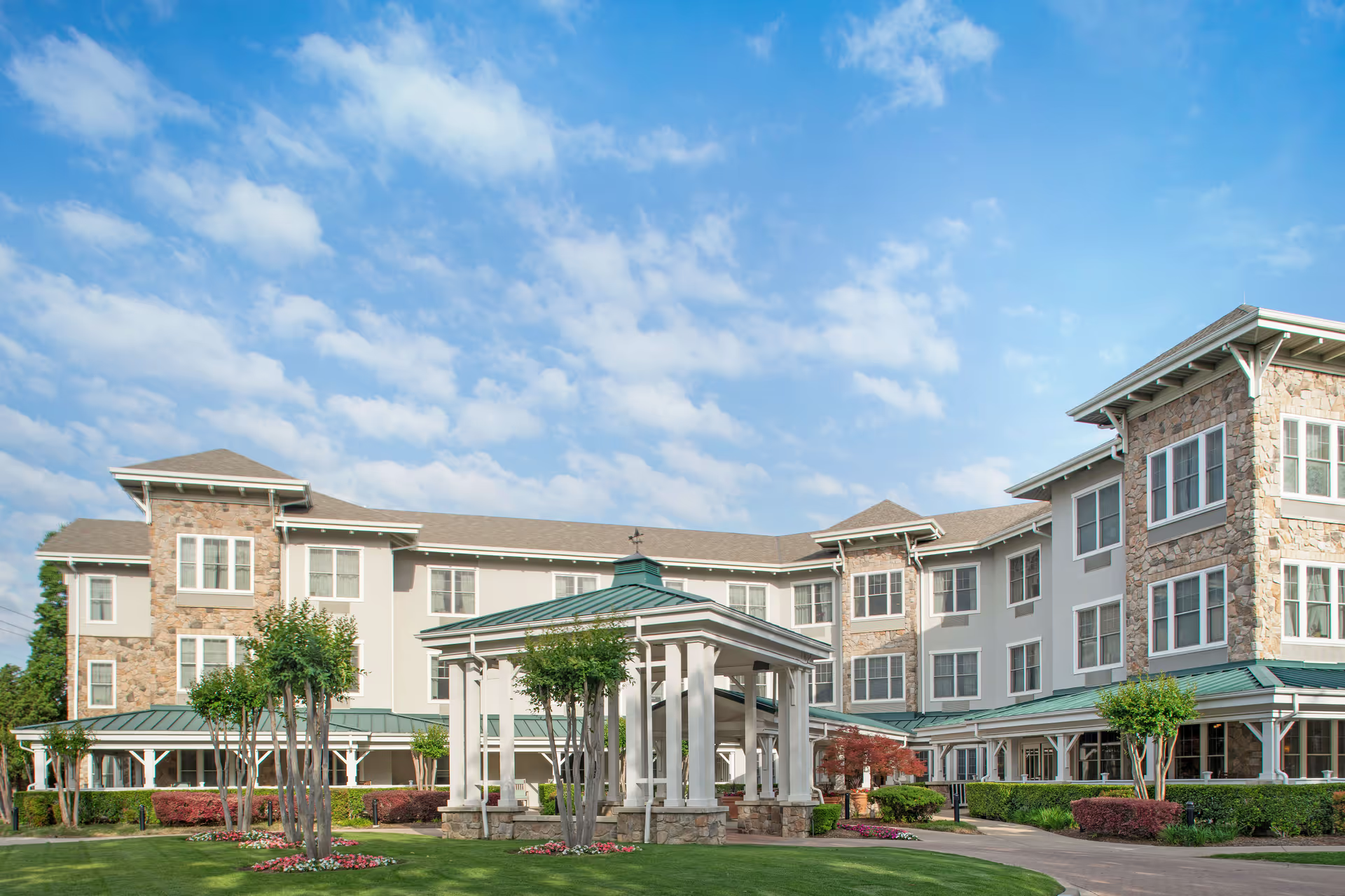
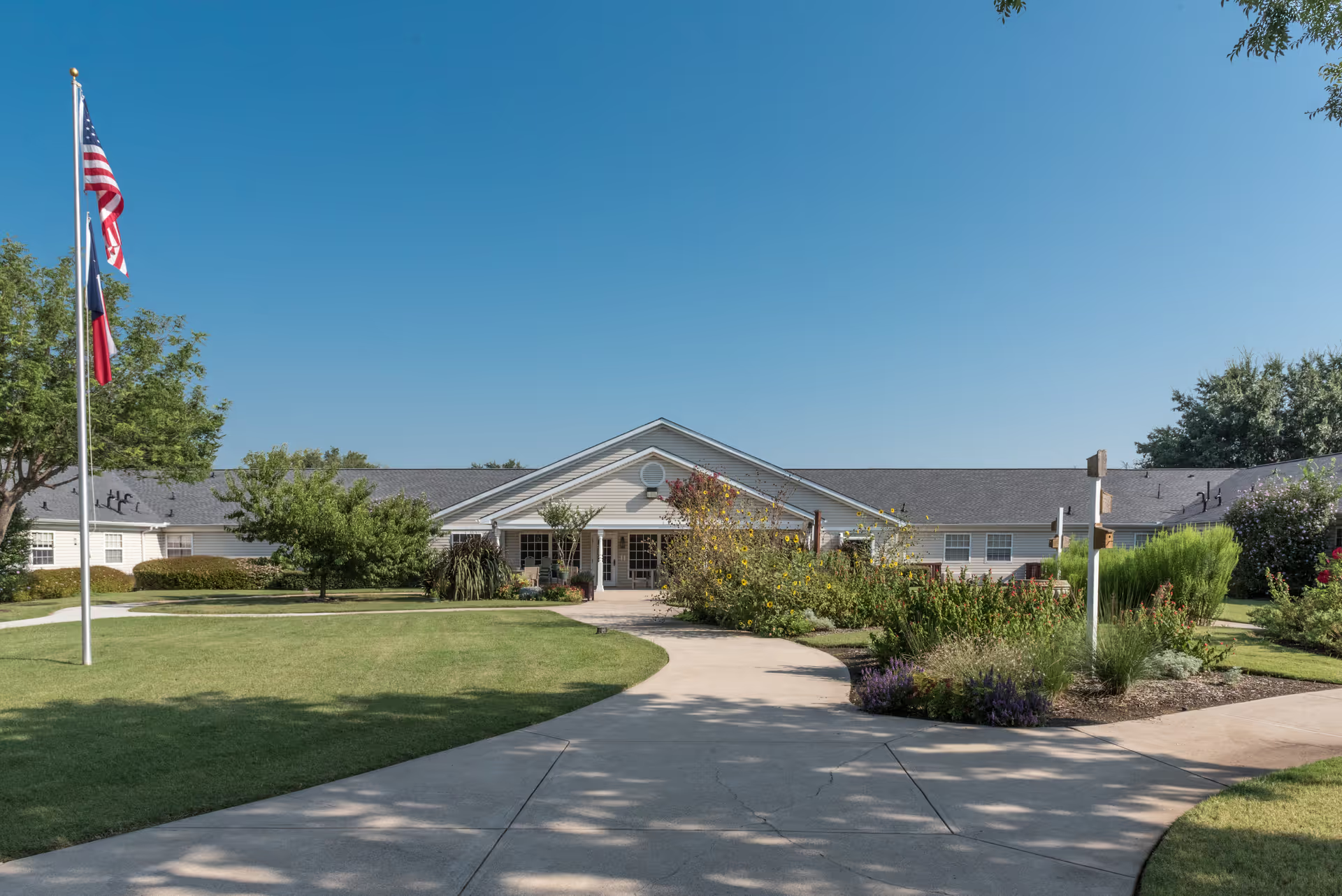
Activities and amenities: The community’s program offerings and amenities are clear strengths. Reviewers consistently note an active calendar (movies, worship, exercise classes, pool classes, outings, live music, salon services), attractive grounds, and a broad set of onsite amenities that support social engagement and quality of life. Apartment and patio-home options (some with kitchens), spacious rooms, and home-like personalization of living spaces are also repeatedly cited as positives.
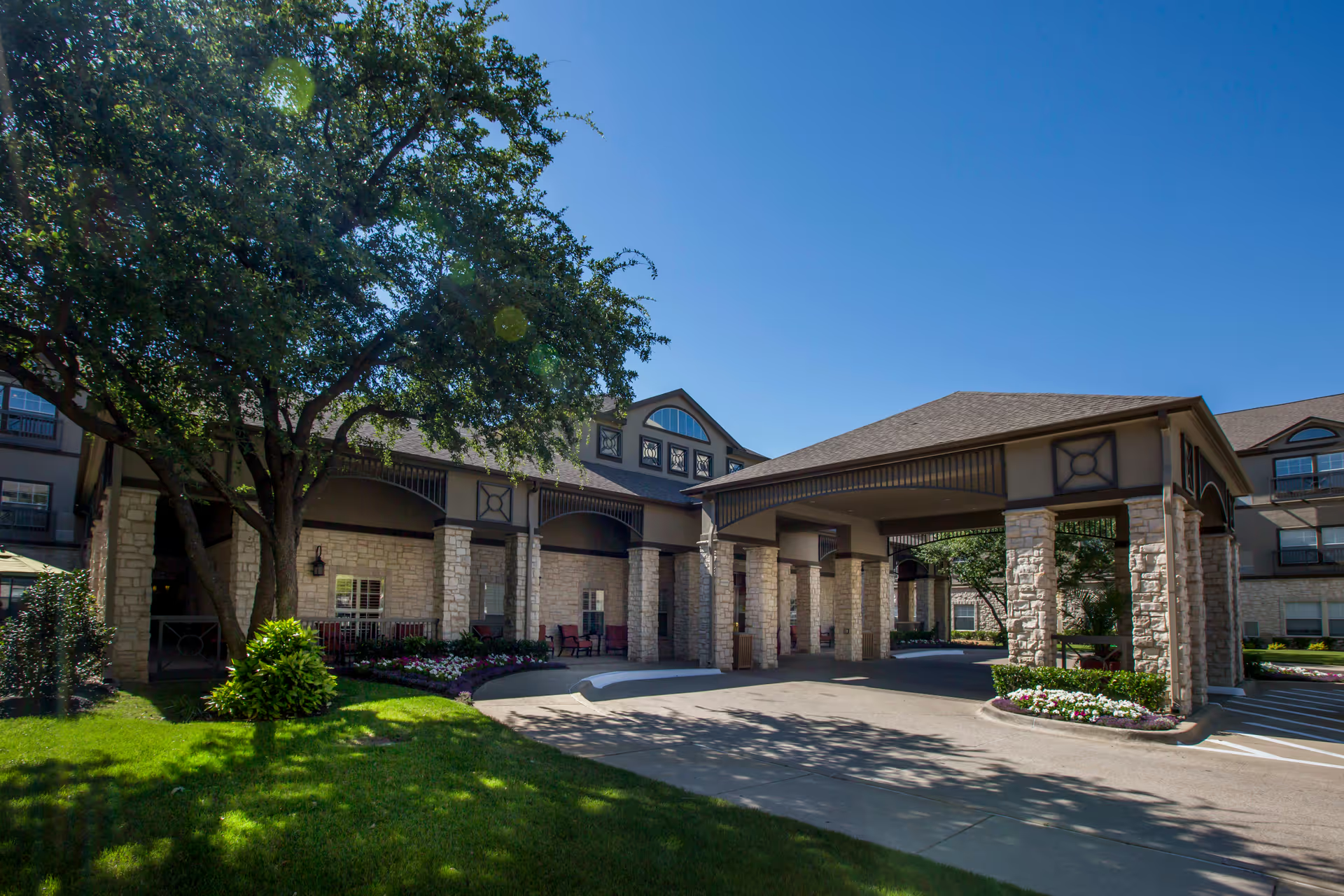
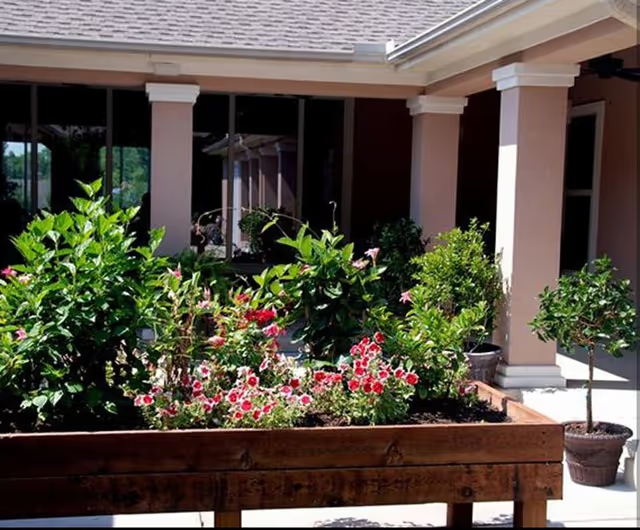
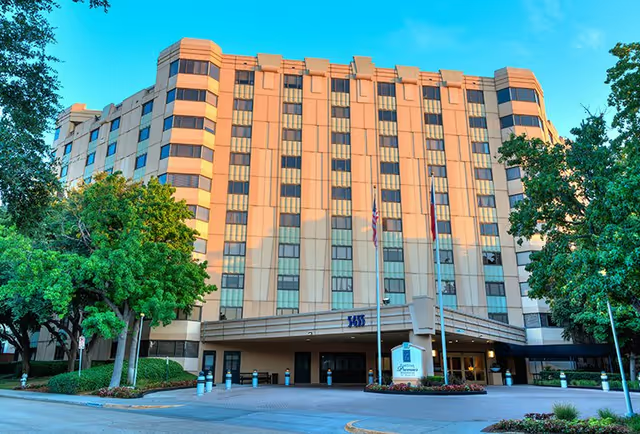
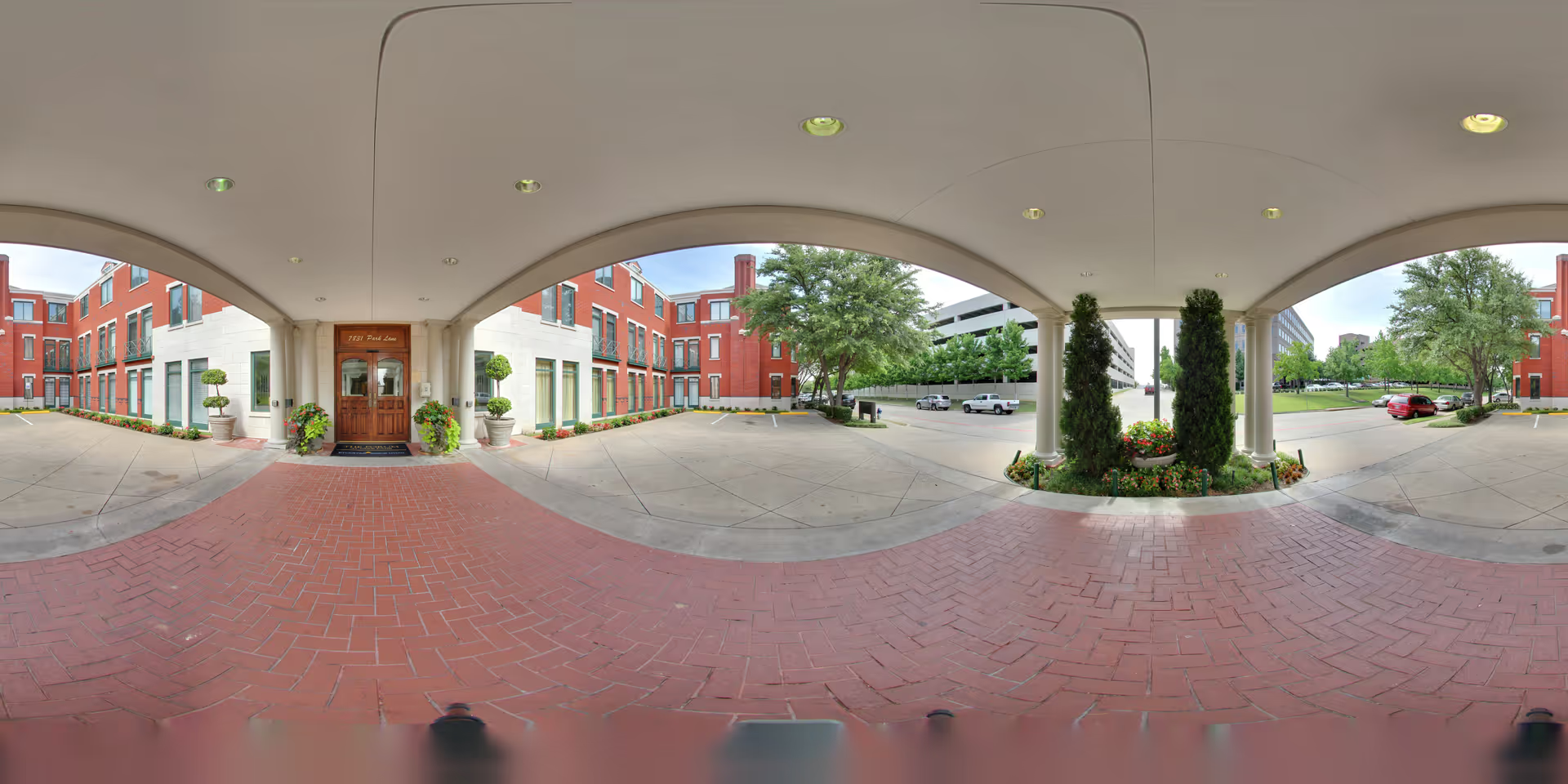
Facilities, safety, and logistics: The physical campus is frequently described as attractive, clean, and well-maintained, with secure access and useful features such as underground parking and pleasant landscaping. Nevertheless, practical logistics present problems in some reviews: inconsistent signage and wayfinding, indistinct building/door markings, and delivery-management friction. There are also accessibility concerns in selected apartment layouts (bathroom access for wheelchair users) that may merit review for prospective residents with mobility needs.
Management and administration: Perceptions of leadership are mixed. Some reviewers praise a responsive leadership team, active CEO engagement, and strong local managers. Others describe limited visibility of management, frequent director turnover, cost-cutting decisions, and poor communication around billing, insurance, and discharge planning. Administrative shortcomings cited include billing errors, unclear insurance handling, pressure around discharges tied to payment status, and slow or defensive responses to complaints.
Notable patterns and practical guidance: The overall picture is one of strong infrastructure and meaningful programming paired with operational variability. Experiences appear to be unit- and shift-dependent: the same campus can deliver high-quality, dignified care in one area and fall short in another. Prospective residents and families should prioritize unit-level walkthroughs, ask about staff turnover and agency staffing ratios, review medication and transfer-safety protocols, and confirm dining and housekeeping routines. Clarify billing, discharge-planning, and emergency-response procedures before admission. This approach will help families match the facility’s clear strengths to their specific clinical and lifestyle needs while identifying areas where additional oversight or advocacy may be required.