Overall impression: Reviews present a mixed but coherent picture. Many families and visitors emphasize a strong caregiving culture characterized by compassion, personalization, and visible staff dedication; at the same time, there are persistent operational concerns that affect consistency of care. Prospective residents should weigh the facility's relational strengths against reported variability in staffing, supervision, and physical infrastructure.
Care and staff: The facility is frequently described as having attentive, compassionate caregivers who create a family‑like atmosphere. Nursing staff, dietary personnel, and other frontline employees are repeatedly praised for going beyond assigned duties, volunteering during off days, and addressing resident preferences. However, reviewers also cite moodiness and variability among individual staff members, and understaffing that leads to longer response times. These patterns suggest a strong local caregiving culture that is nevertheless vulnerable to staffing shortages and shift‑to‑shift inconsistency.
Dining and activities: Dietary leadership and meal quality receive positive comments; food is described as appealing and staff are noted for accommodating special requests. The activity program includes culturally familiar options (for example, lotería) and staff-initiated efforts to improve resident morale, such as decorating rooms and arranging small outings. While dining and programming are clear strengths, a few accounts imply variability in service continuity that families may want to probe during a visit.
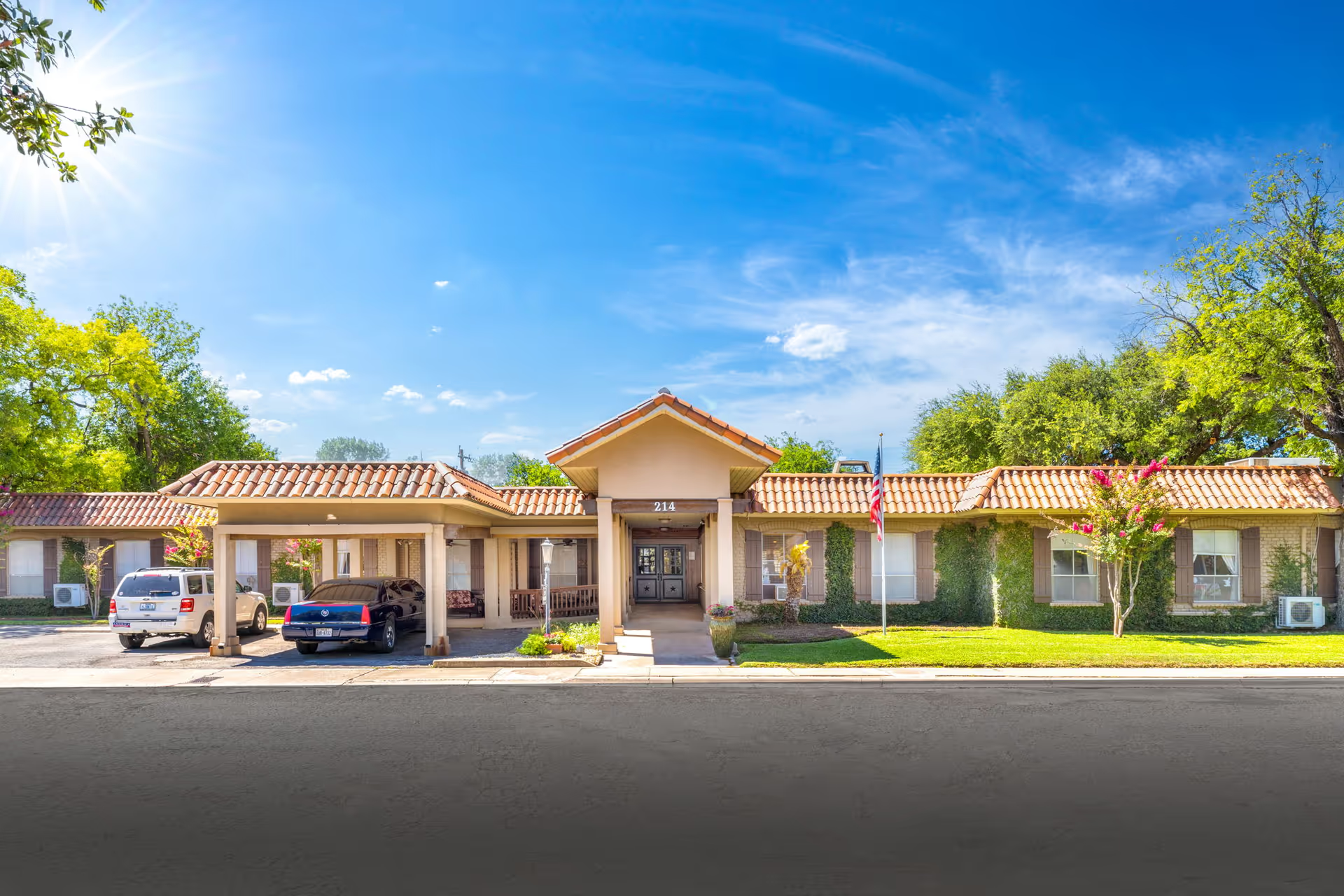
Facilities and safety: The physical plant is described inconsistently — some areas have recent renovations and are well maintained, while other sections are older and feel outdated. Cleanliness of common areas is noted positively, yet operational gaps are raised around supervision, resident handling, and availability of assistive equipment (for example, feeding chairs or transfer supports). These issues relate to safety practices and equipment provisioning rather than cleanliness per se, and they appear linked in reviewers' accounts to staffing levels and training.
Management and patterns to watch: Administrative and dietary managers receive positive mention in some accounts, indicating engaged leadership. At the same time, reviewers describe communication gaps with families and variable follow‑through on clinical or safety concerns. There are also references to alleged serious incidents that prompted legal attention, which heightens the importance of asking about incident response, investigation procedures, and outcomes. Overall, the pattern is one of strong personal commitment among many staff members coupled with facility‑level challenges in staffing, supervision, and consistency.
Practical advice for families: On a tour or intake conversation, ask about current staffing ratios and how coverage is handled across shifts; inquire about feeding and transfer equipment, supervision policies, and recent safety audits; review the activity calendar and sample menus; and request examples of how management communicates with families after incidents. These targeted questions will help clarify whether the facility’s relational strengths align with the operational reliability you require.