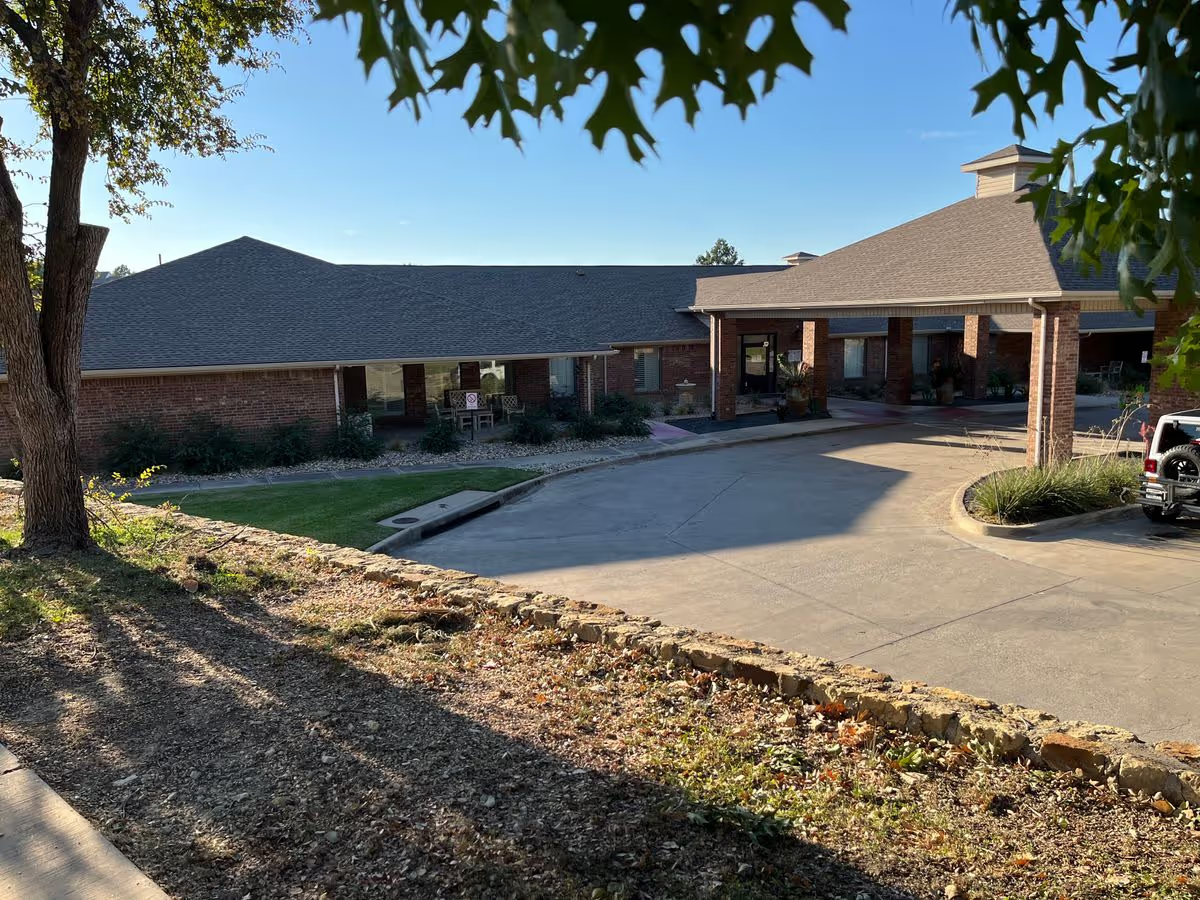
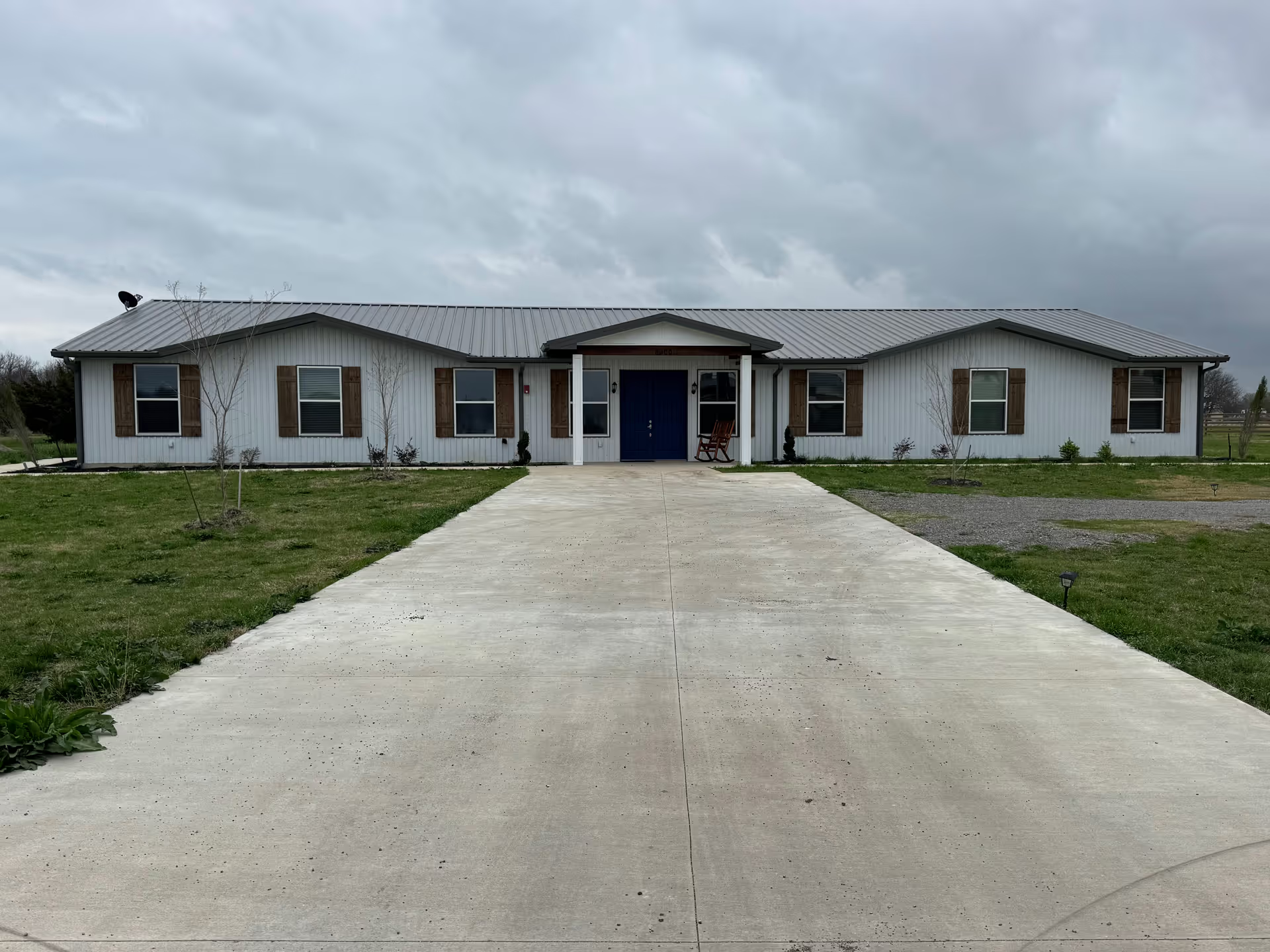
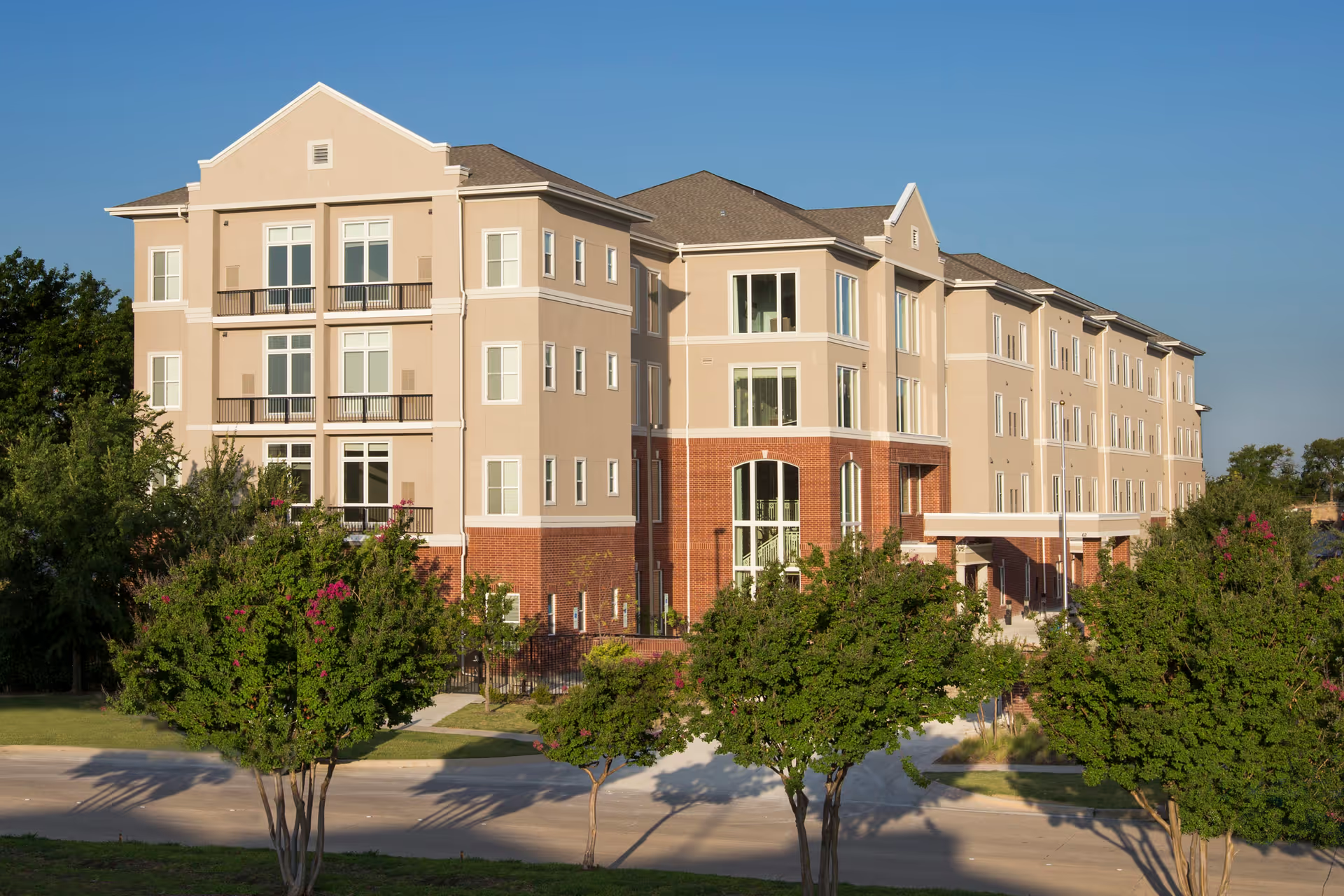
Reviews of Arbor Lake Nursing and Rehabilitation present a highly polarized picture: many families and visitors report strong, compassionate caregiving and an active, supportive community, while other accounts describe systemic operational deficiencies that affect resident safety and comfort. The pattern suggests the facility provides high-quality person-centered care at times, but that experience is inconsistent across units, shifts and situations.
Care quality and clinical operations: Positive comments highlight individualized attention, nurses and aides who know residents by name, effective rehabilitation services and a social work team that helps families navigate placement and benefits. Conversely, reviewers described delays in response to calls, missed or delayed medication administration, incomplete clinical documentation, and lapses in incident follow-up. These patterns indicate variability in clinical reliability and handoff/documentation practices that prospective families should evaluate directly.
Staffing and staff conduct: Many reviews praise specific staff members, from receptionists to the director of nursing and activity leaders, noting warmth and professionalism. At the same time, recurring concerns point to chronic understaffing, heavy use of agency staff, and inconsistent professionalism on some shifts. These operational staffing gaps are linked in reviews to delayed care, supervision shortfalls and inconsistent communication with families.
Dining and activities: The facility receives repeated praise for its activity program — lively events, therapy-led exercise and social engagement are frequently cited as strengths. Dining receives mixed but generally positive remarks for food quality and assistance in the dining room; however, reviewers also reported meal-management errors such as incorrect meal textures and ticketing mistakes, indicating a need for stronger meal-identification and accommodation processes.
Facilities and infection control: The building is described as older and in need of updates, with repeated notes about HVAC or air-conditioning outages and associated temperature concerns. Cleanliness is a mixed area: many visitors find common areas and resident rooms well kept, while others describe sanitation and odor concerns in specific units. Infection-control practices drew criticism in some accounts, particularly around COVID-19 communication and testing procedures.
Management, accountability and safety culture: Leadership and individual administrators receive positive remarks for responsiveness and supportive leadership in several reviews. At the same time, reviewers raised concerns about complaint follow-up and escalation — describing little visible investigation or remediation after adverse events. There are also mentions of alleged financial improprieties and other serious conduct concerns; these merit direct inquiry and verification with facility leadership and regulators.
Notable patterns and guidance for families: The overall pattern is inconsistent performance with clear strengths in person-centered interactions and activities but recurring operational weaknesses tied to staffing, documentation, sanitation in certain areas, and incident response. Prospective residents and families should tour the unit at different times of day, ask about current staffing ratios and agency usage, review recent state inspection and deficiency history, inquire about medication-administration and incident-notification protocols, and observe mealtime procedures and common-area cleanliness. Confirm who the current nursing leadership and administrator are and request examples of recent corrective actions for identified concerns. These steps will help determine whether the facility's strong interpersonal culture is present consistently where a prospective resident would be placed.