The reviews present a mixed but clear pattern: clinical caregiving and day-to-day resident engagement are frequently praised, while facility-level operations and administration show recurring weaknesses. Many families highlighted compassionate, attentive nurses and aides, organized care routines, and around‑the‑clock coverage that made transitions from home easier and kept residents comfortable. Admissions and respite stays were described as smooth by multiple families, and staff members in activities and dining often receive specific commendation for keeping residents engaged and satisfied with the social program.
Staff quality is one of the facility's strongest themes. Caregivers and activities personnel are commonly described as dedicated and resident-focused, and families report regular updates and supportive communication from the care team. That said, several comments raise concerns about individual staff conduct and the tone of communication; there are also notes about inconsistent supervisory behavior from some clinical leaders. These concerns, together with isolated allegations of inappropriate conduct and a few difficult transfer incidents, indicate variability in day-to-day staff interactions and supervisory oversight that prospective families should evaluate in person.
Dining and activities are generally strengths. Multiple reviewers praised the dining-room environment and active programming; some family members reported that residents enjoy meals and social offerings. However, other reviewers characterized the food quality as poor, suggesting an inconsistency in meal experience or service continuity that may fluctuate by shift or unit.
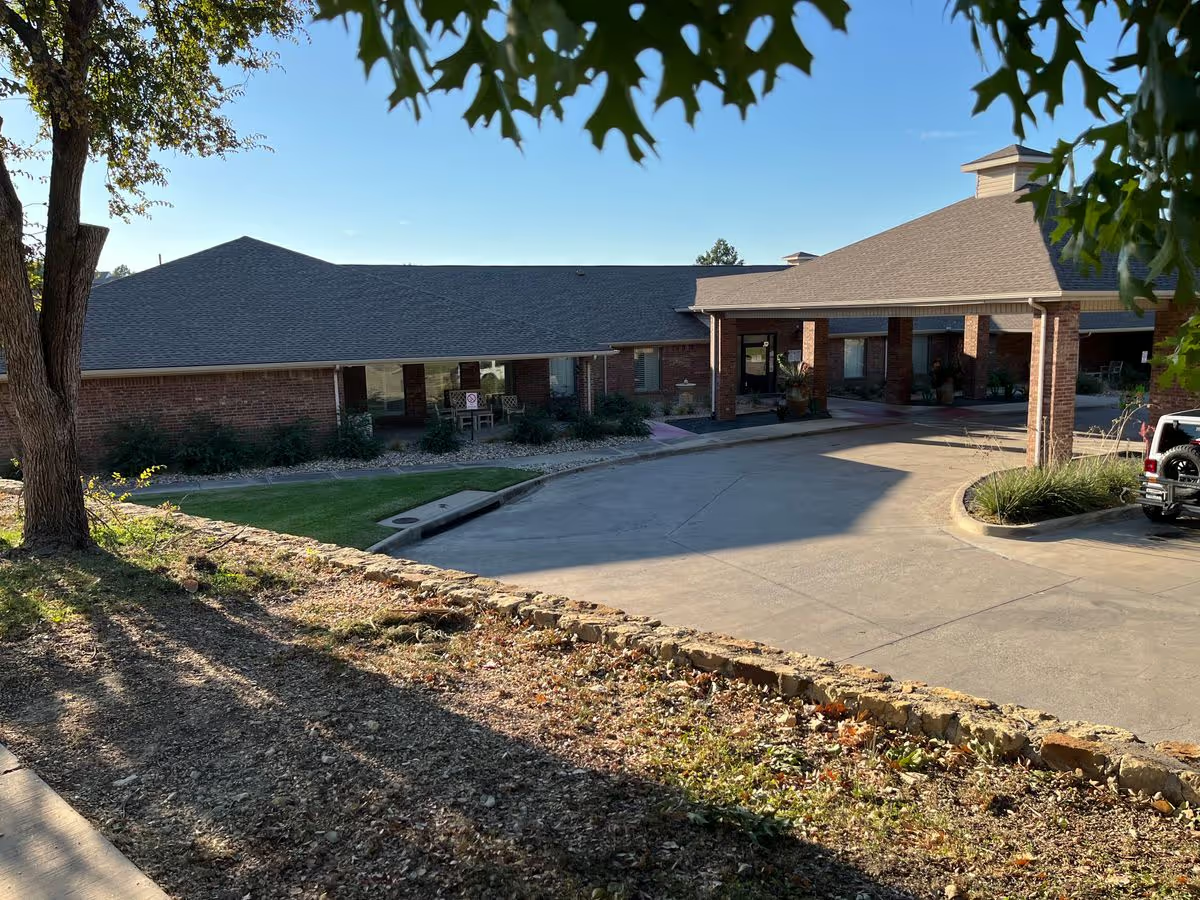
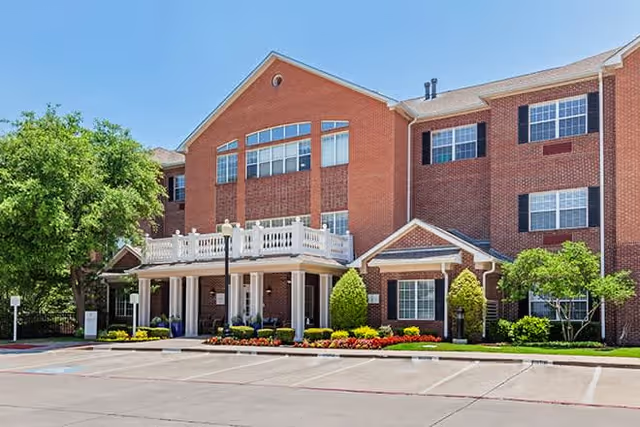
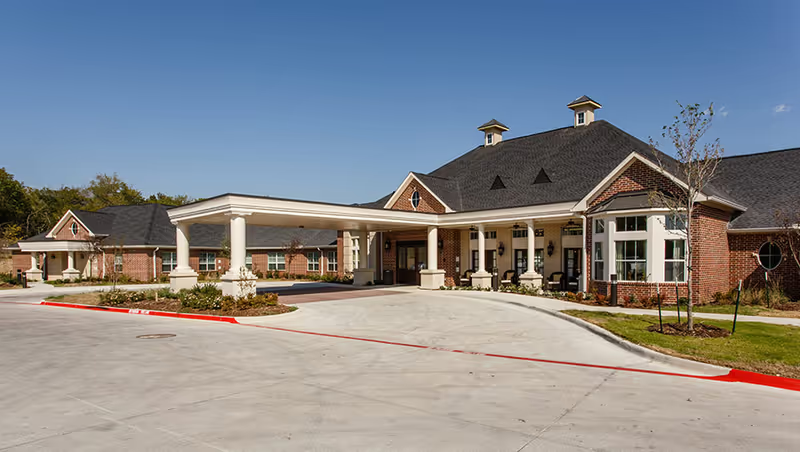
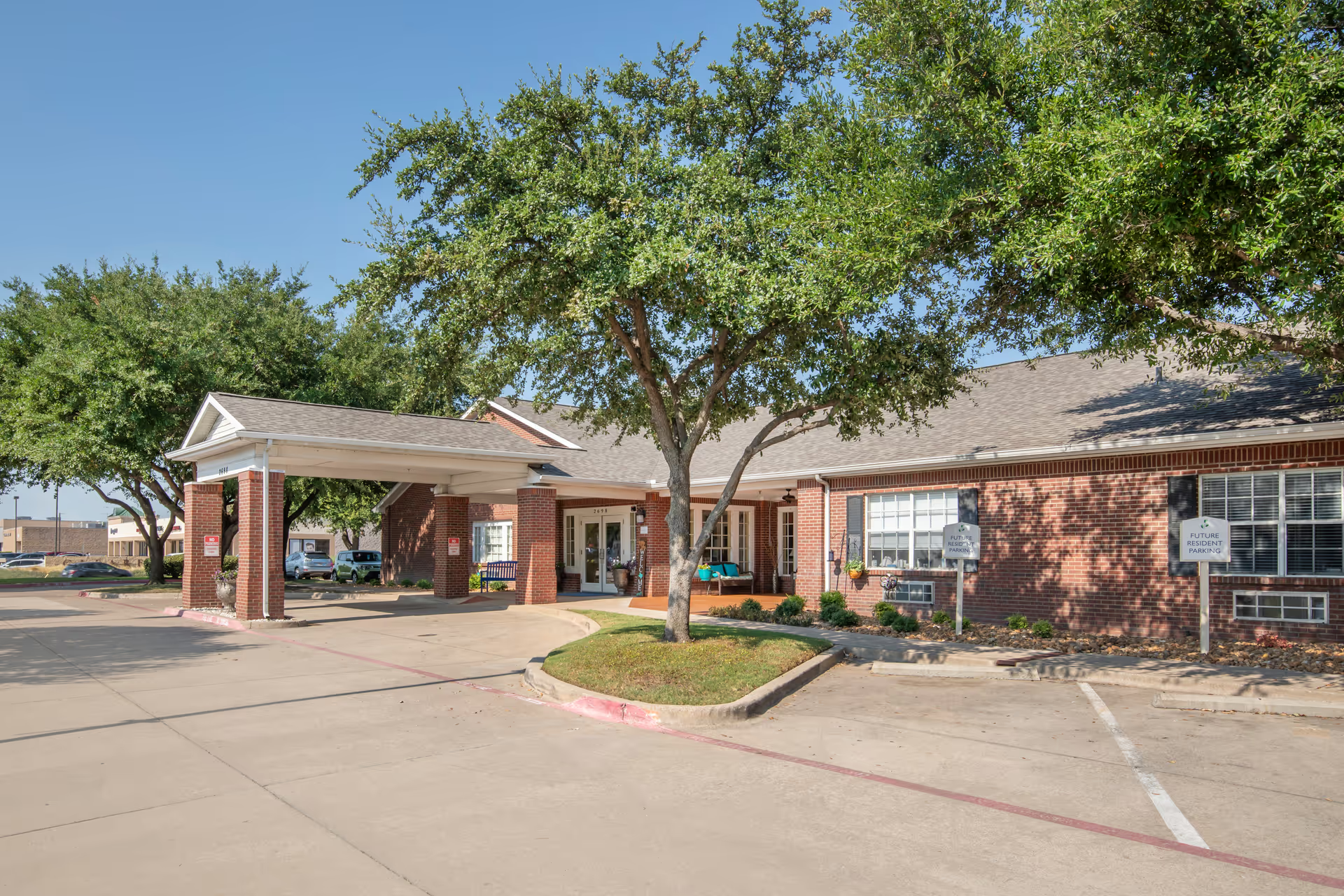
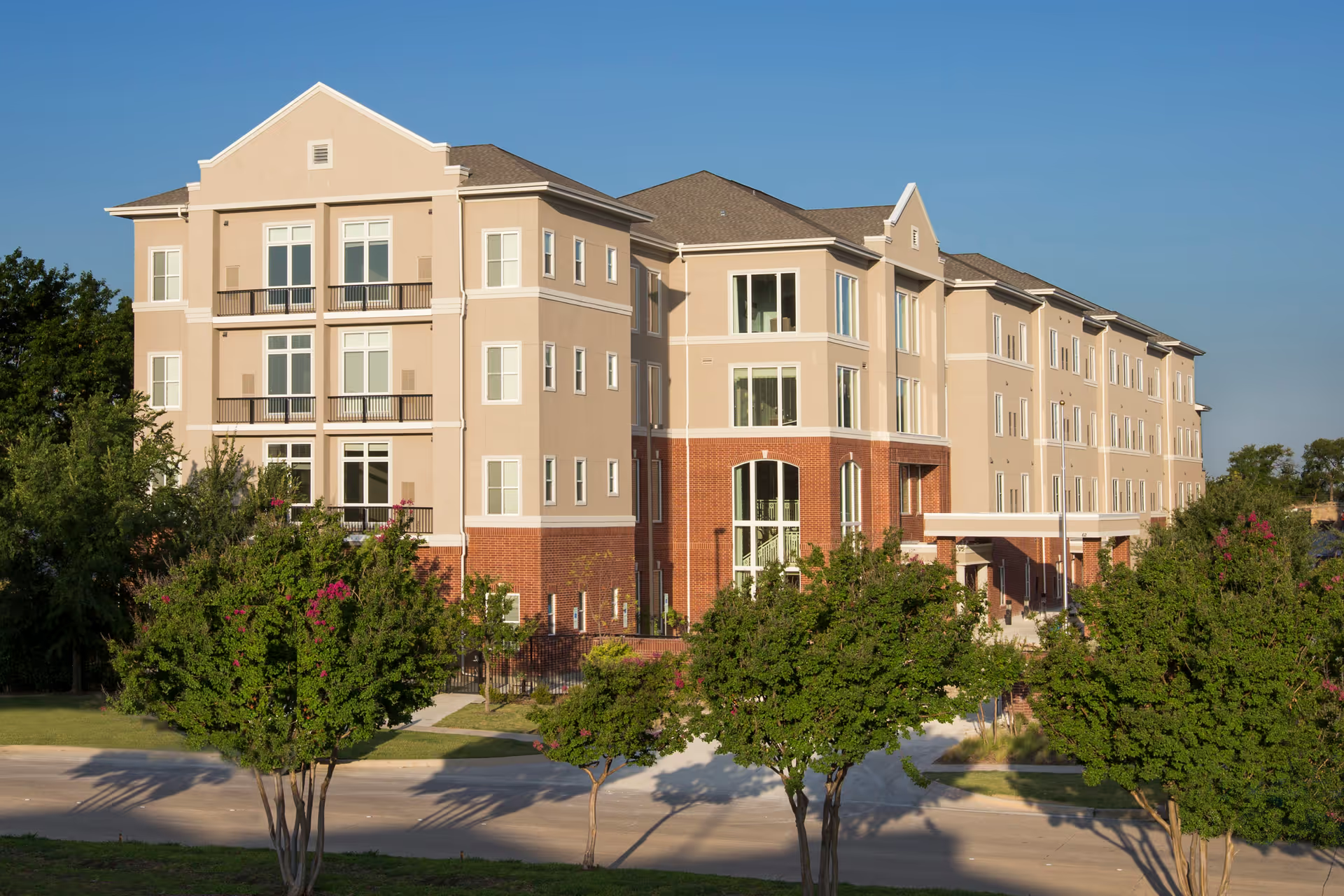
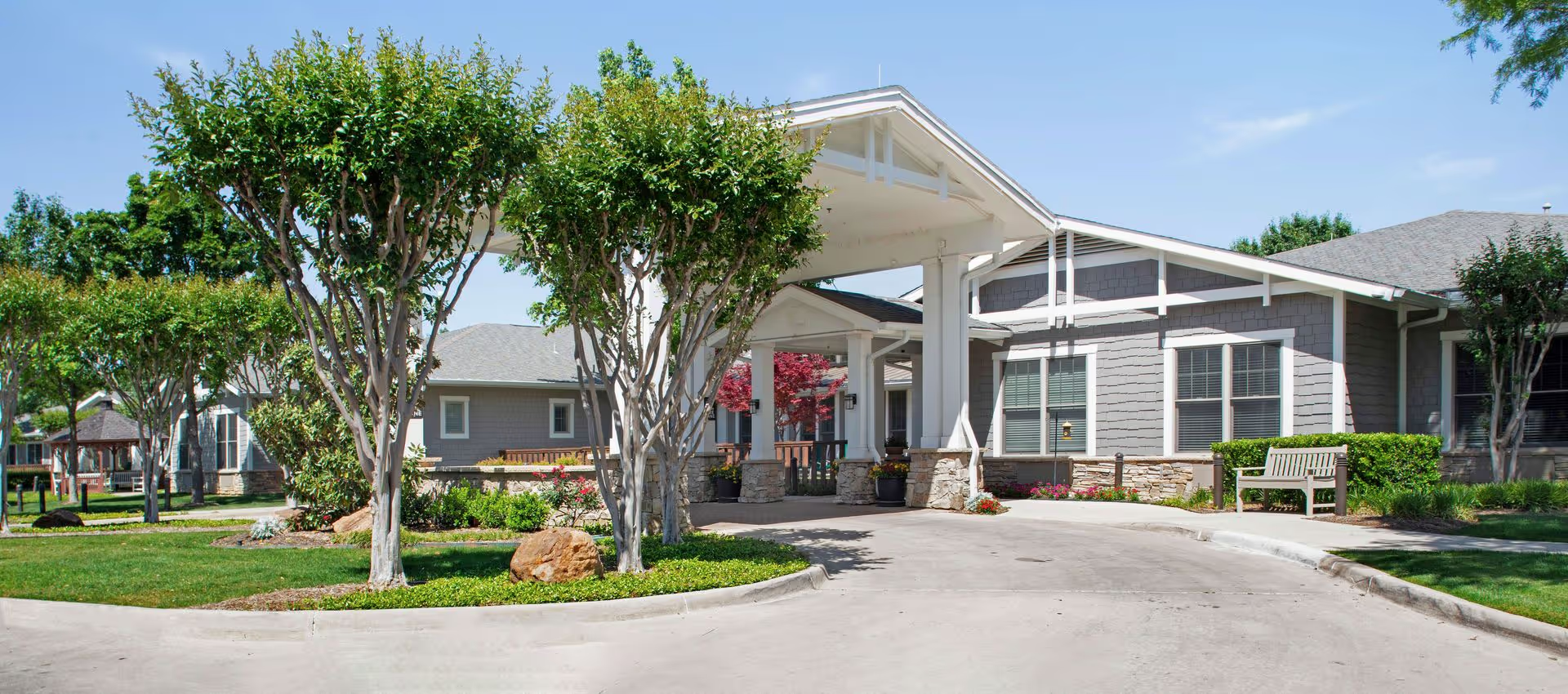
Facility condition and infrastructure are mixed. Many families found the interior clean and odor-free, but others noted the building is older and cited maintenance issues such as hot-water interruptions and visible exterior problems. There is at least one mention of a pest-control concern in exterior/common areas; combined with comments about deferred maintenance, these observations point to an aging facility that may need more consistent upkeep.
Administrative and management issues appear to be a notable pattern. While some reviewers described supportive local management, others raised concerns about transparency around infection events, vendor-payment problems, and broader financial or administrative management weaknesses. These operational issues can affect vendor services, maintenance responsiveness, and family confidence, and they warrant direct inquiry during a tour or meeting with leadership. There are also references to gaps in transfer-safety practices and post-incident communication that families should review with the facility's clinical leadership.
In sum, Caraday of Ft Worth shows clear strengths in hands-on caregiving, activities engagement, and structured routines, which many families find reassuring. At the same time, recurring operational and administrative concerns — facility maintenance, meal consistency, staff conduct and supervisory stability, infection-transparency, and financial administration — suggest that prospective residents and their families should perform targeted due diligence: visit several times, speak with nursing leadership about staffing and incident-response protocols, review recent inspection or complaint records, and ask about current plans for maintenance and vendor management.