The body of reviews for Fort Worth Transitional Care Center describes a facility with clear strengths in rehabilitation and select clinical specialties, alongside recurring operational weaknesses. The rehabilitation program — physical, occupational, and speech therapy — is consistently praised for skilled staff, well-equipped therapy spaces, and demonstrable patient progress. Wound care is frequently noted as a clinical strength. Many families and patients also highlight individual nurses, CNAs, reception staff, and certain administrators who provide compassionate, hands-on care and effective coordination during short-term stays.
At the same time, a substantial number of reviews describe systemic issues that affect clinical reliability and resident experience. Staffing levels are described as inconsistent, with noticeable differences between units, day vs. night shifts, and weekdays vs. weekends. This variability is linked to long call-light response times, delayed PRN and scheduled medications, and occasional missed or incorrect medication administration. Reviewers also cite pharmacy-related delays attributed to external supply arrangements. In a subset of instances reviewers raised serious concerns about medication safety and missing personal property; these are described as allegations in the source material and represent severe trust and safety issues that prospective families should investigate directly.
Communication and clinical oversight emerge as additional themes. Several accounts describe gaps in family notification (including discharge communication), inconsistent documentation handling, and limited availability of supervisory nursing staff on the floor. While some clinical leaders and social-work staff are praised for professionalism and follow-through, others are described as unresponsive or inconsistent. These communication lapses extend to complaint resolution, where families report delayed or unsatisfactory responses to concerns.
Dining and housekeeping impressions are mixed. Multiple reviewers praised a capable culinary team that produced well-seasoned meals and offered variety, while others experienced cold trays, small portions, or insufficient accommodation of dietary restrictions (notably for cardiac or dialysis diets). Cleanliness is often commended — many guests cite clean rooms and pleasant-smelling common areas — but there are recurring sanitation concerns in parts of the facility, including odor issues, pest-control concerns, and uneven housekeeping performance. Personal-laundry handling and loss of clothing are also recurrent operational complaints.
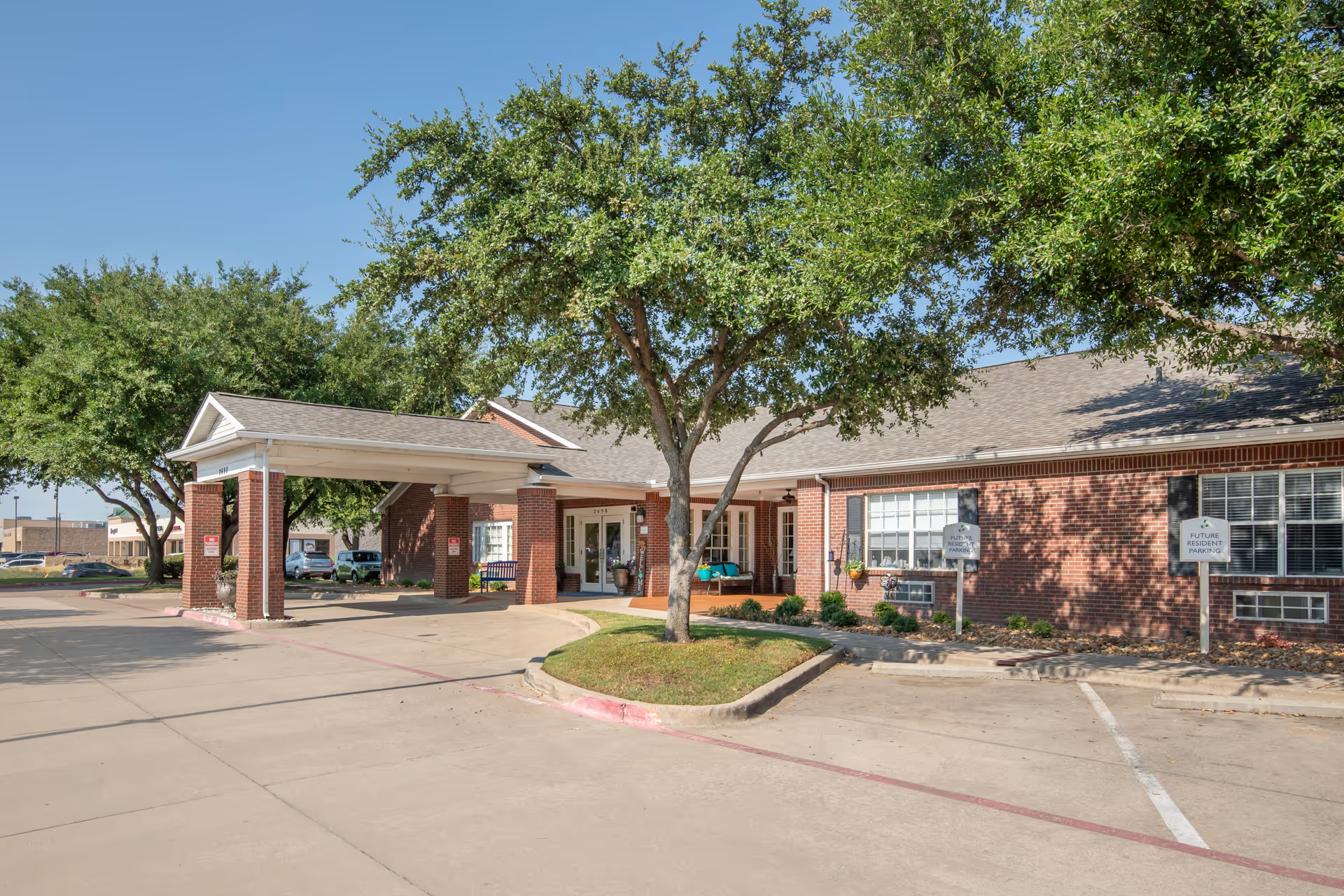
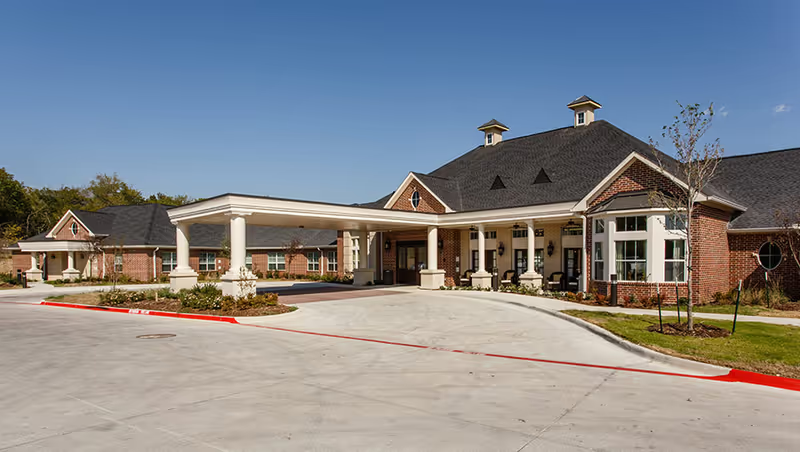
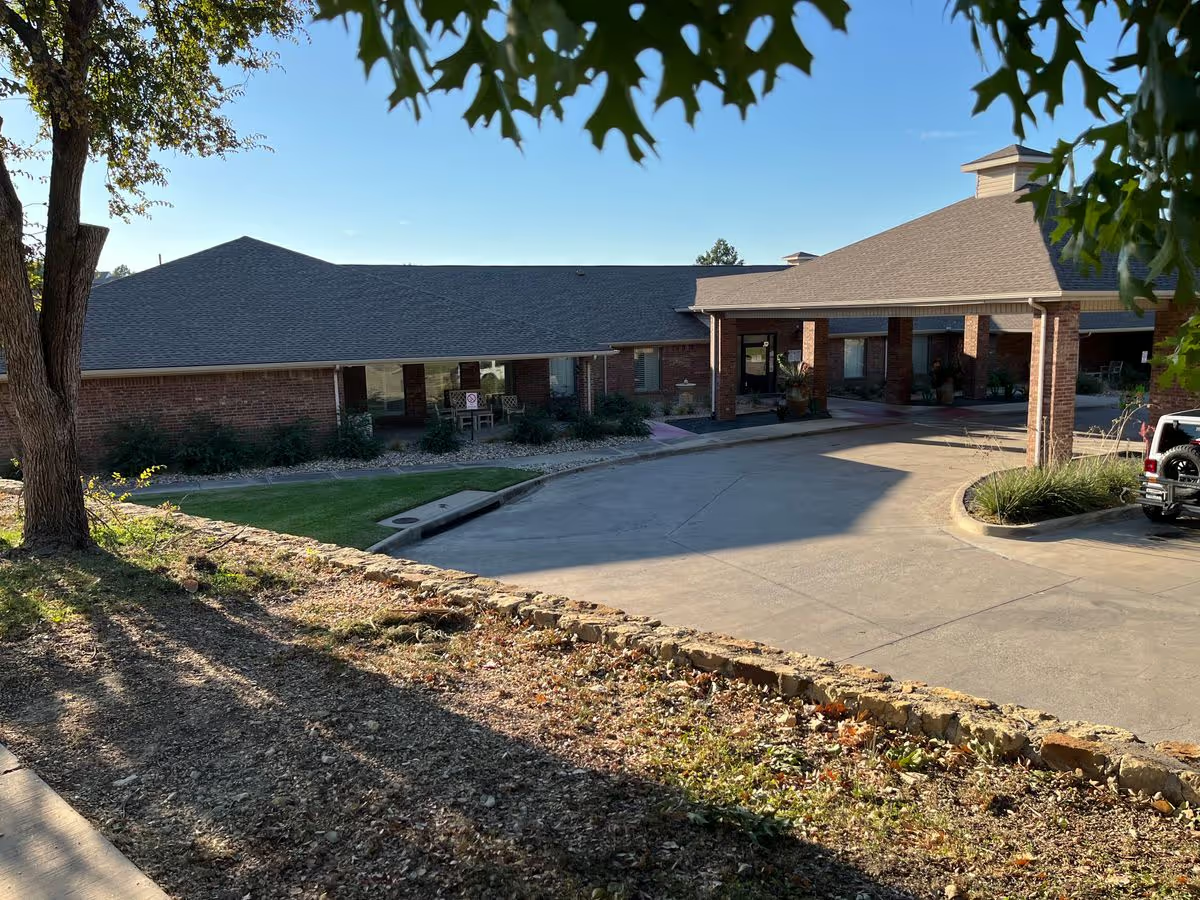
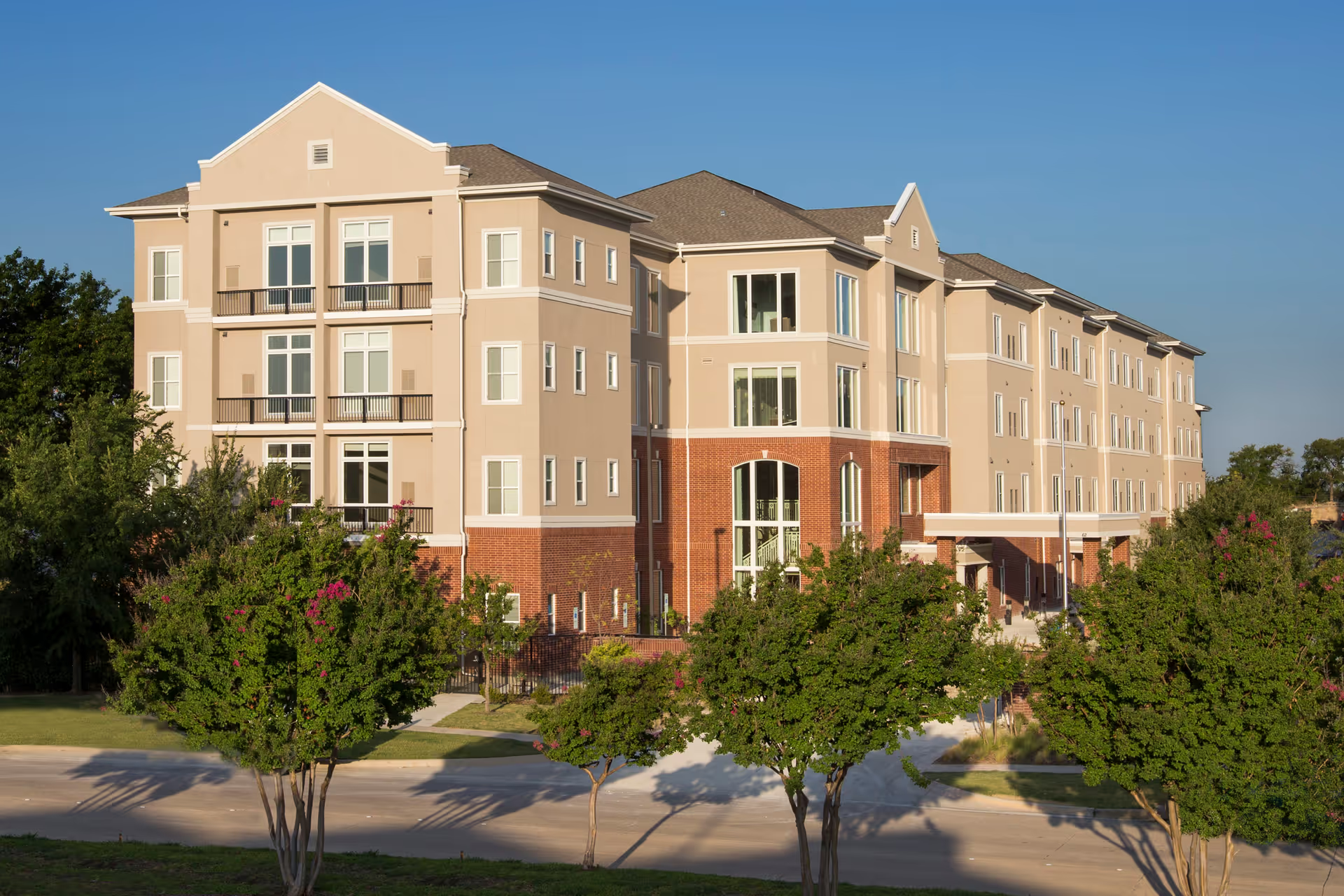
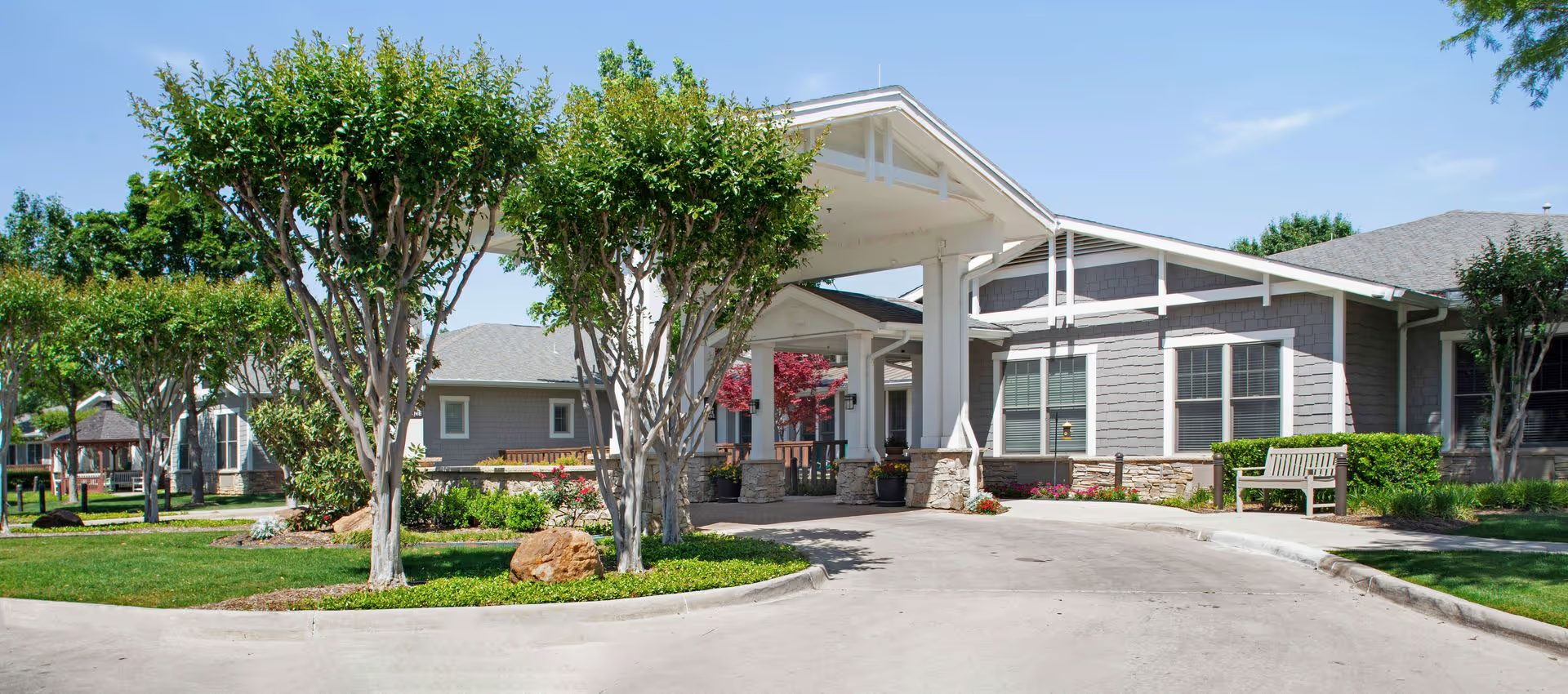
Facility amenities and environment are frequently cited positively: a modern building, airy common areas, large rooms, and an impressive therapy center. However, some safety and maintenance shortfalls are noted, such as equipment left in corridors, broken bed rails or wheelchair brakes, and delayed replacement of promised equipment. These items contribute to perceptions of inconsistent safety practices in some units.
In summary, Fort Worth Transitional Care Center appears to offer strong rehabilitative care and notable individual caregivers whose efforts produce positive outcomes for many short-term patients. However, prospective residents and families should be mindful of documented operational weaknesses: variable staffing and clinical oversight, medication- and pharmacy-related delays, inconsistent communication and documentation practices, and intermittent sanitation and safety concerns. If considering this facility, request specific information about staffing ratios, medication-supply processes, weekend coverage, infection-control and pest-control protocols, procedures for securing and documenting personal property, and the names/roles of supervisory nursing staff for the unit where the resident will be placed.