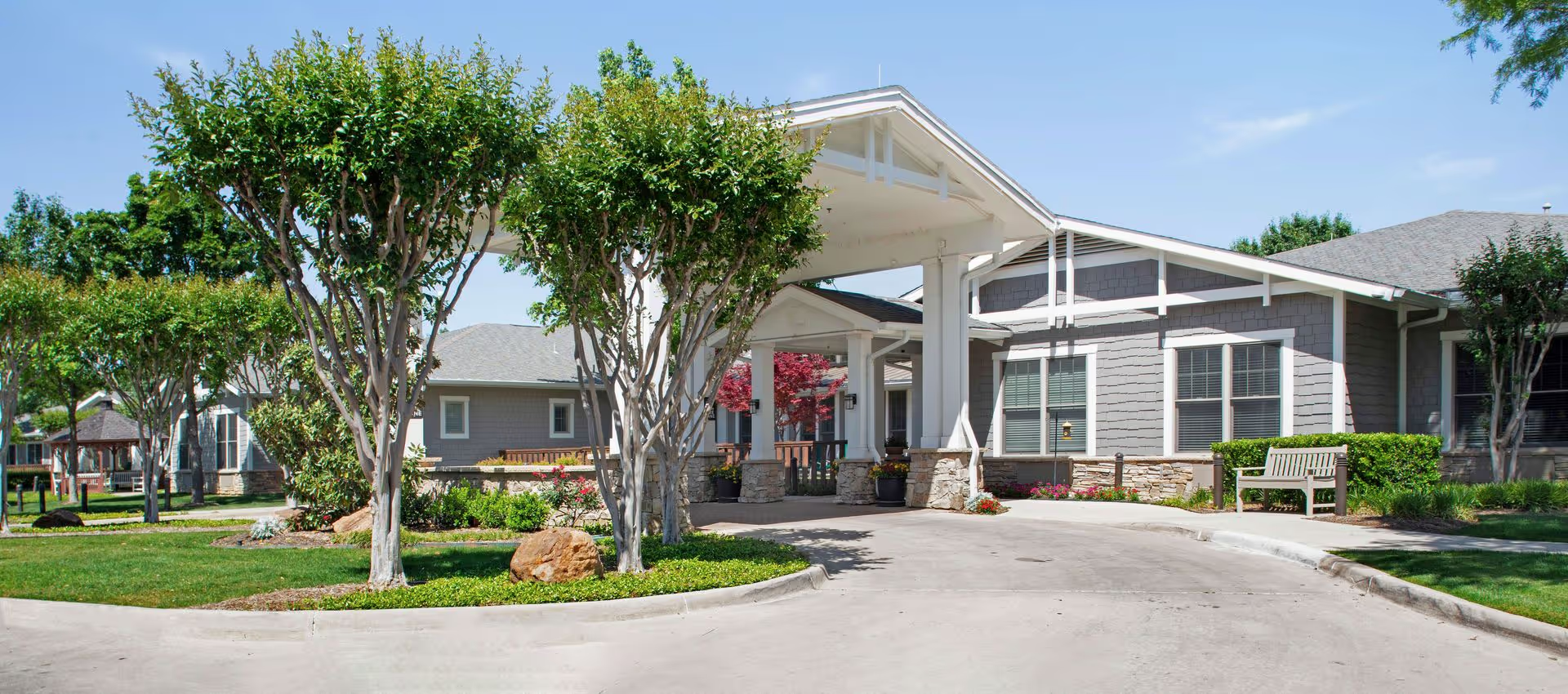
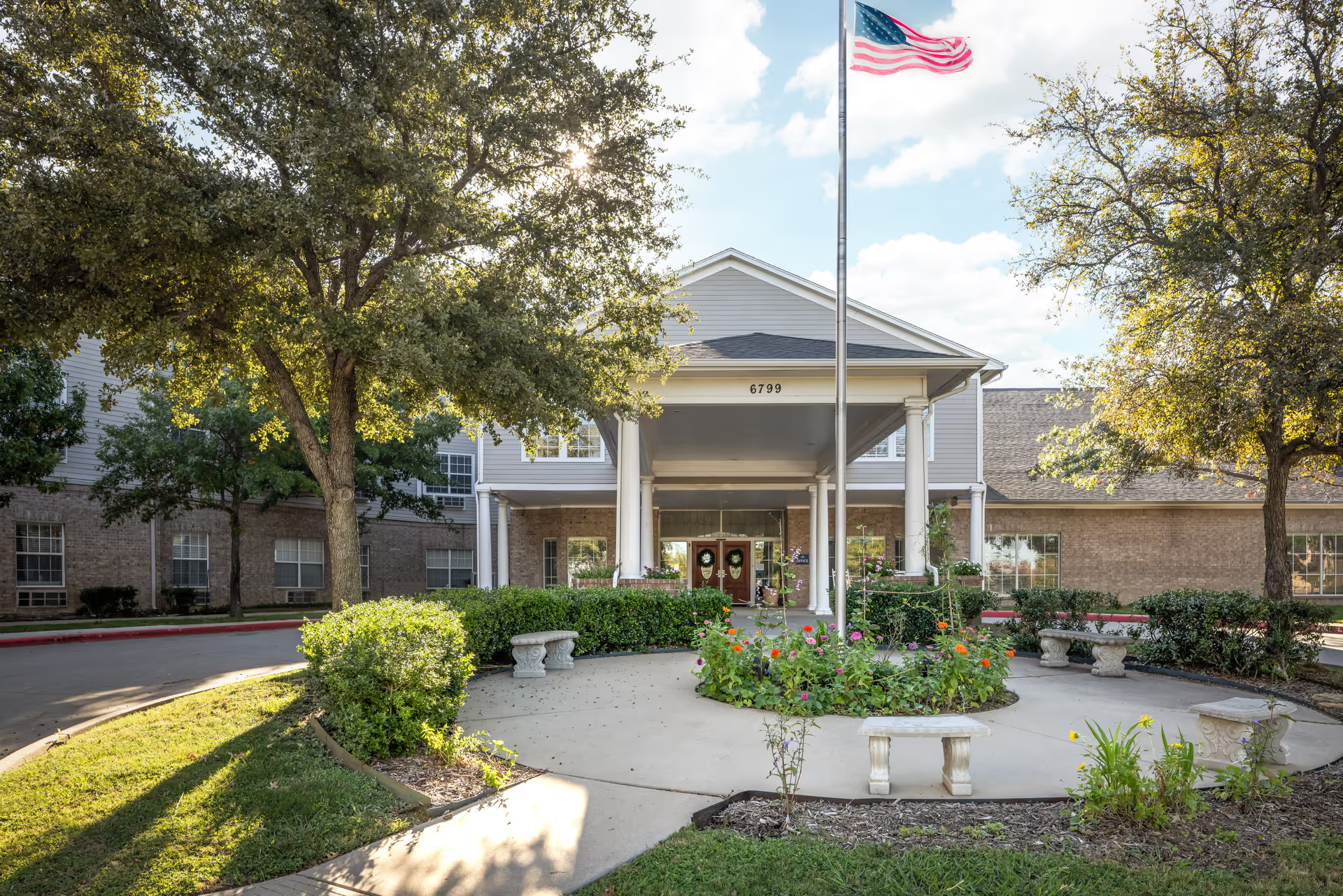
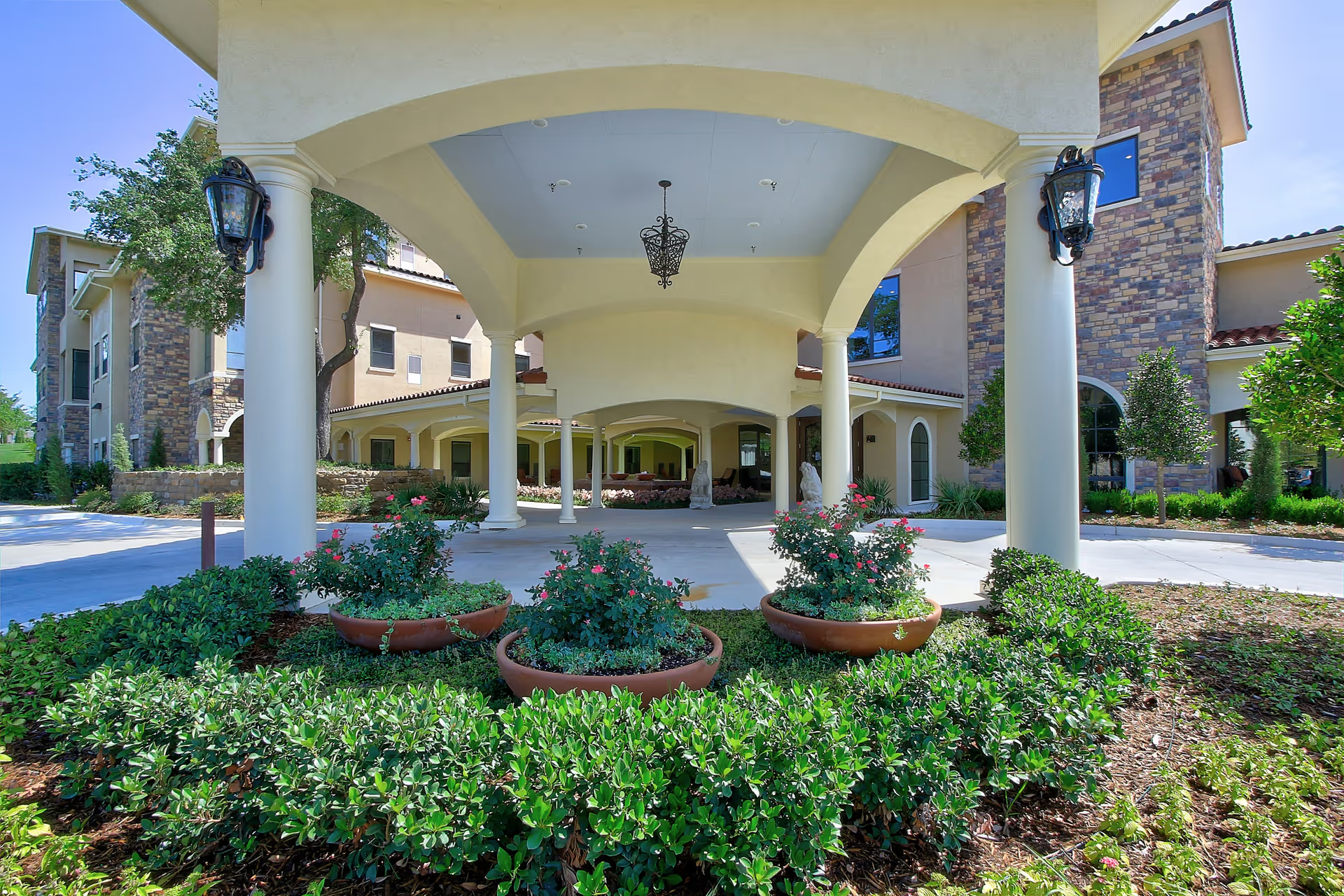
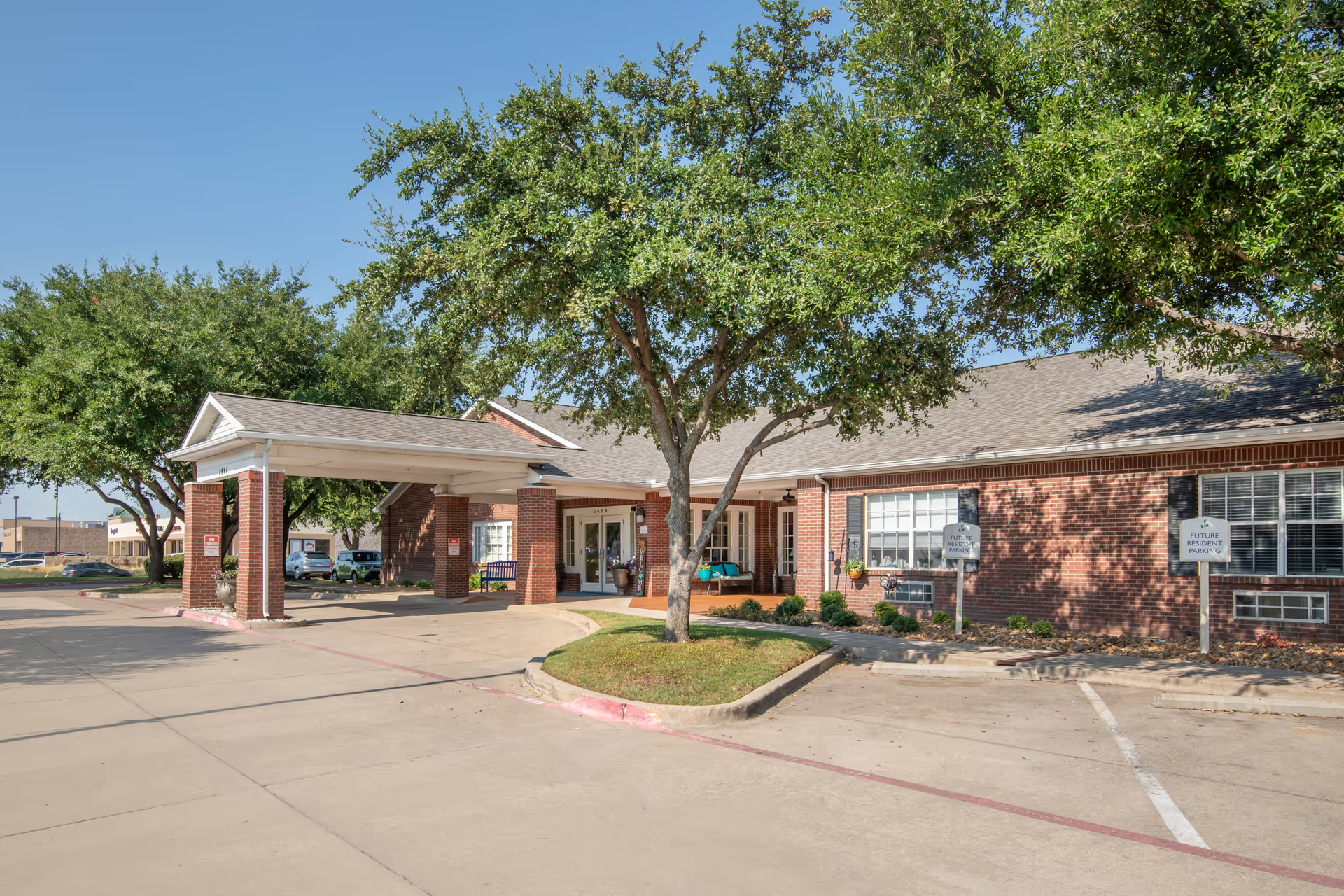
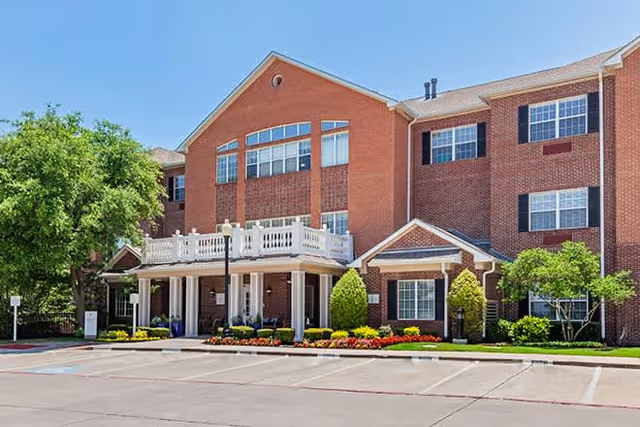
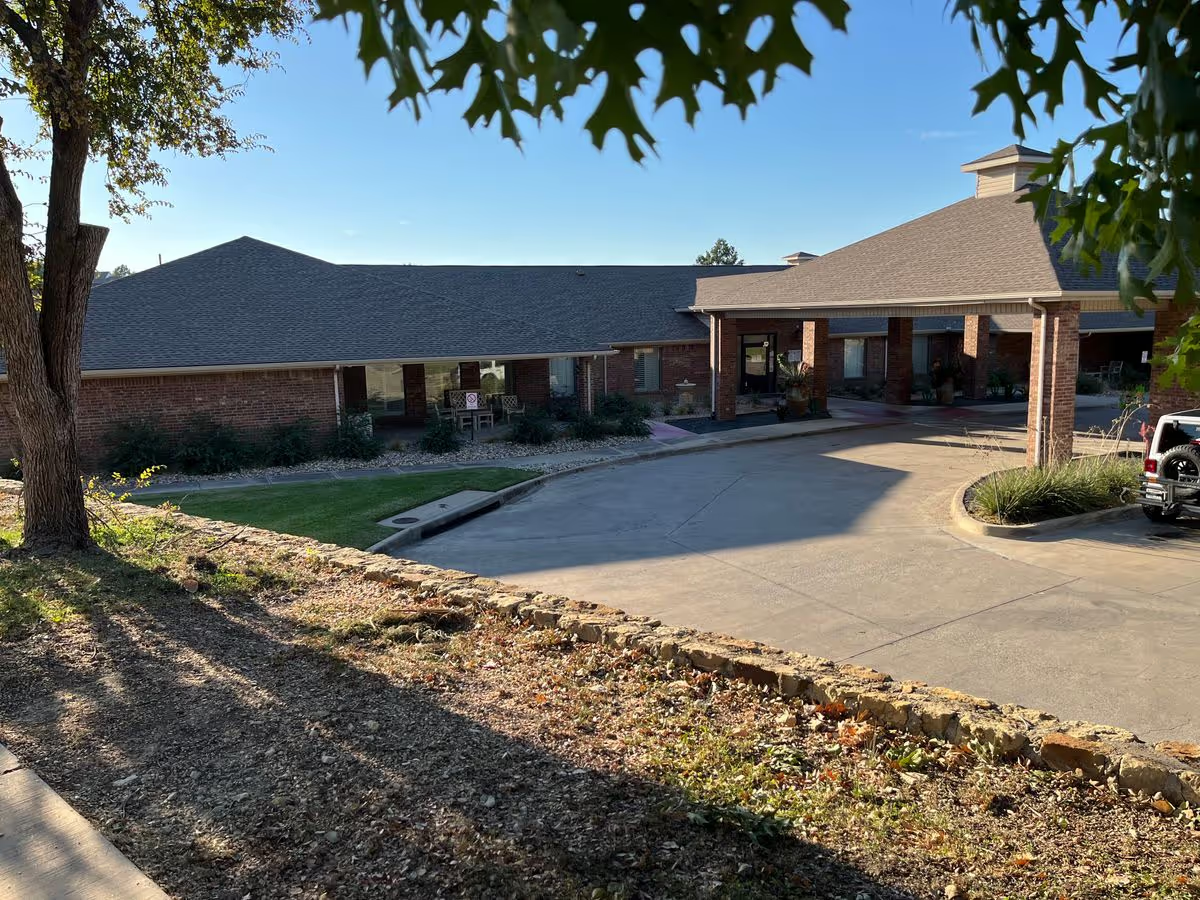
Garden Terrace at Fort Worth elicits strongly mixed but specific impressions. Many families and residents highlight the facility's strengths in rehabilitation, nursing compassion, and hospitality: physical, occupational and speech therapy teams are repeatedly described as effective, and numerous accounts praise attentive nursing and caregiving staff who provide individualized support. Public areas are generally described as clean and welcoming, rooms are spacious and bright with pleasant views, and the dining program receives frequent praise for special meals and holiday offerings. The admissions and discharge teams are commonly noted as helpful with insurance and care coordination, and there are multiple mentions of on-site medical providers and visitor amenities that ease transitions.
Clinical and operational quality show a clear divide. On the clinical side, the facility's rehab services are a consistent strength, and some families report timely pain management and careful medication oversight. At the same time, there are repeated concerns about medication-timing and medication-administration accuracy, along with reports of delayed responses to acute events. A small number of reviews include allegations of serious clinical failures and outcomes; while these appear to be outlier accounts amid many positive experiences, they are consequential and suggest families should seek clear documentation of medication, monitoring and escalation protocols during a tour.
Staffing and communication are another area of contrast. Many reviewers describe compassionate, professional, and responsive staff members who create a warm, home-like environment and maintain continuity of caregivers in memory-care areas. Conversely, there are recurring comments about inconsistent staffing levels (notably on weekends and nights), defensive or unresponsive administrative interactions, and lapses in front-desk coverage or phone availability. These operational inconsistencies are linked in some accounts to slower issue resolution and uneven family communication.
Dining, activities and daily living show a mixed pattern. The dining program is praised for appetizing meals and special offerings that some residents greatly enjoy; however, other accounts cite inconsistencies in meal quality, incorrect meal delivery (including allergy-related errors), and occasional problems with availability. Activity programming is generally described as engaging in the main facility, but reviewers specifically note limited daytime stimulation and reliance on television-based activities in the memory-care unit. Additional operational weaknesses include inconsistent laundry and personal-item management, intermittent housekeeping and supply shortages, and occasional pest-control or cleanliness concerns in certain rooms or units.
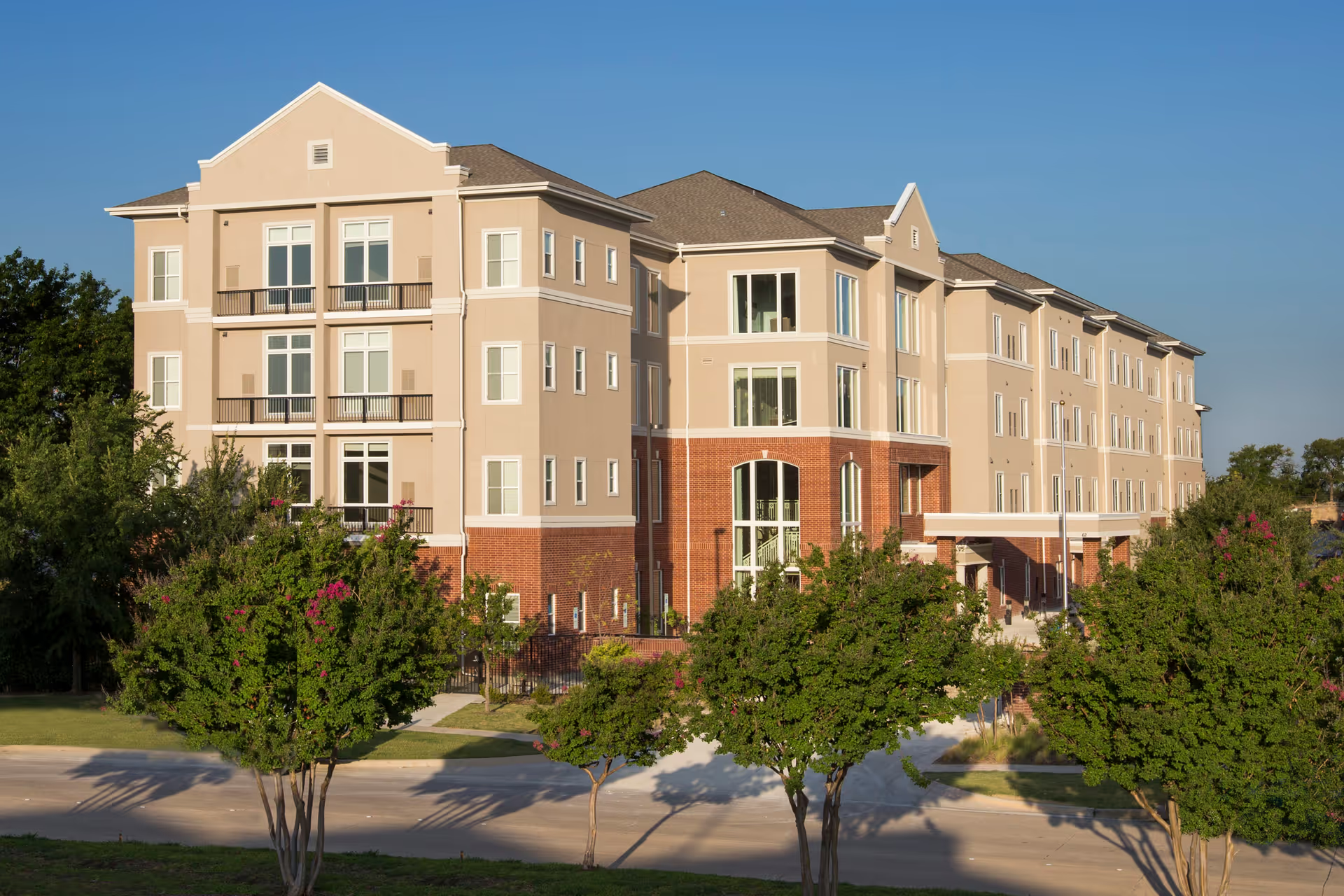
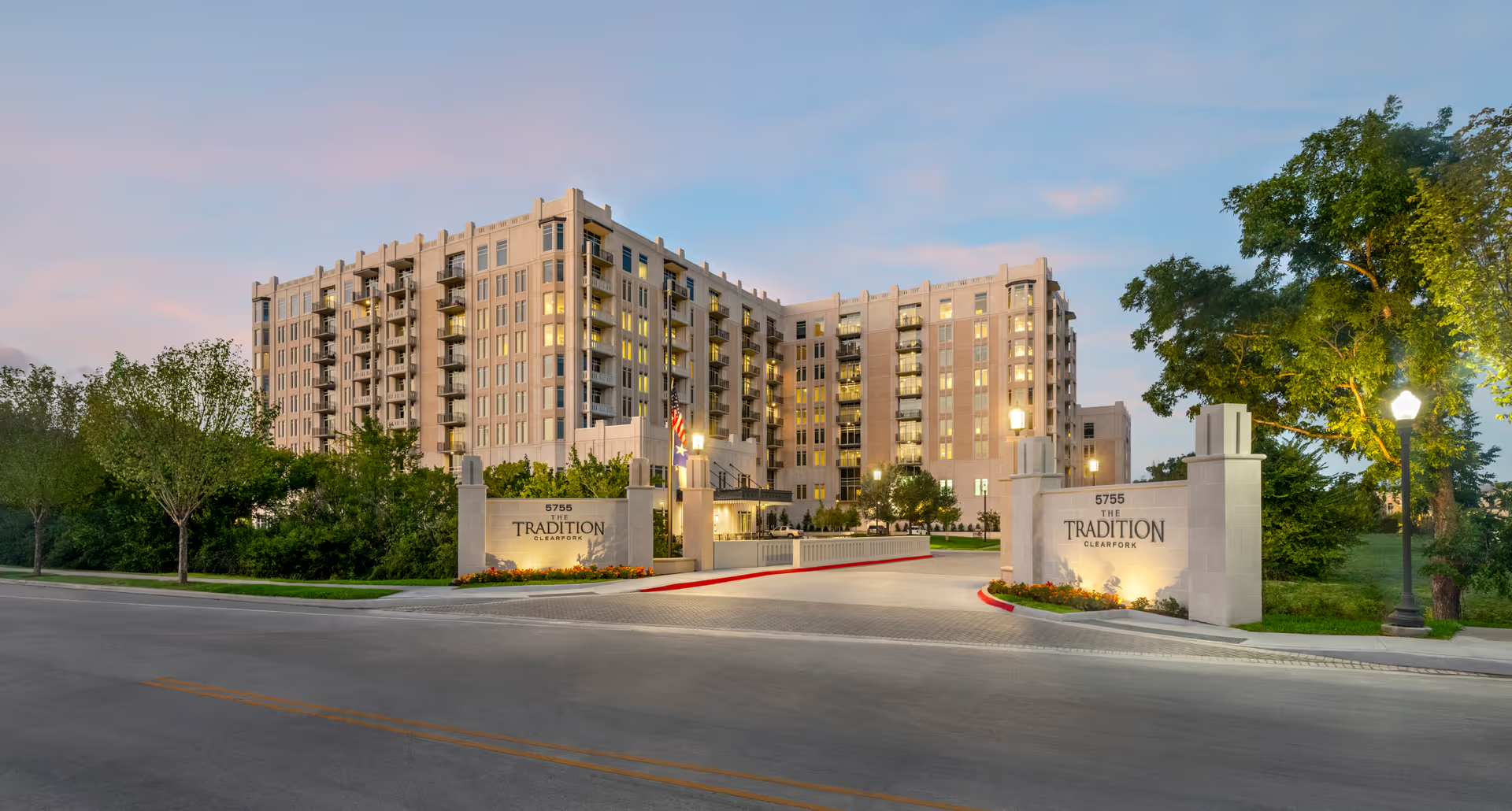
Facility condition and maintenance feedback is similarly bifurcated: communal spaces are often described as immaculate and well-maintained, but several reviewers point to aging infrastructure issues (air-conditioning reliability, ceiling leaks, smoke alarms, and general need for remodeling) and isolated maintenance lapses. Given the mix of high praise and serious concerns, prospective residents and families should perform an in-person assessment focused on operational controls: ask about current staffing ratios and weekend coverage, medication-administration safeguards, fall-prevention and monitoring protocols, memory-care programming schedules, laundry/personal-item procedures, infection-control practices, and maintenance plans for facility repairs. These targeted questions will help reconcile the facility's demonstrated strengths in rehabilitation and compassionate caregiving with the operational inconsistencies documented across experiences.