Overall impression: The facility presents as a memory-care–focused, small-home community with a strong emphasis on dementia-specific training, individualized attention, and a family-like atmosphere. Reviewers consistently highlight compassionate caregivers, experienced nursing leadership, cleanliness, and well-maintained outdoor spaces. The small 20-resident cottage model and private rooms with garden access are frequent strengths, and many families report reassuring transitions and effective coordination with hospice and other clinical services.
Care and staff: Care quality is characterized by knowledgeable, patient, and attentive staff who demonstrate dementia‑specific skills such as redirection, routine implementation, and individualized approaches. Long-tenured staff and visible investment in staff development are commonly cited. At the same time, reviewers describe variability in staffing and coverage: evening and weekend shifts are noted as less consistent, and some families experienced rotational assignments that reduced caregiver continuity. Operationally, this pattern can lead to slower response times to assistance calls and occasional gaps in adherence to individualized preferences or allergy accommodations.
Dining and activities: Dining receives mixed but generally positive feedback. Many families describe freshly prepared, flavorful meals that improved weight and appetite for some residents; others report inconsistent meal service across shifts, issues with texture/chewability for residents with swallowing needs, and occasional reheated items. Activity programming is a clear strength in many accounts — multiple daily activities, themed parties, music, crafts, gardening, and family events are common — but a subset of families expressed a desire for more cognitively targeted stimulation and noted that acoustics in common areas can limit participation for some residents.
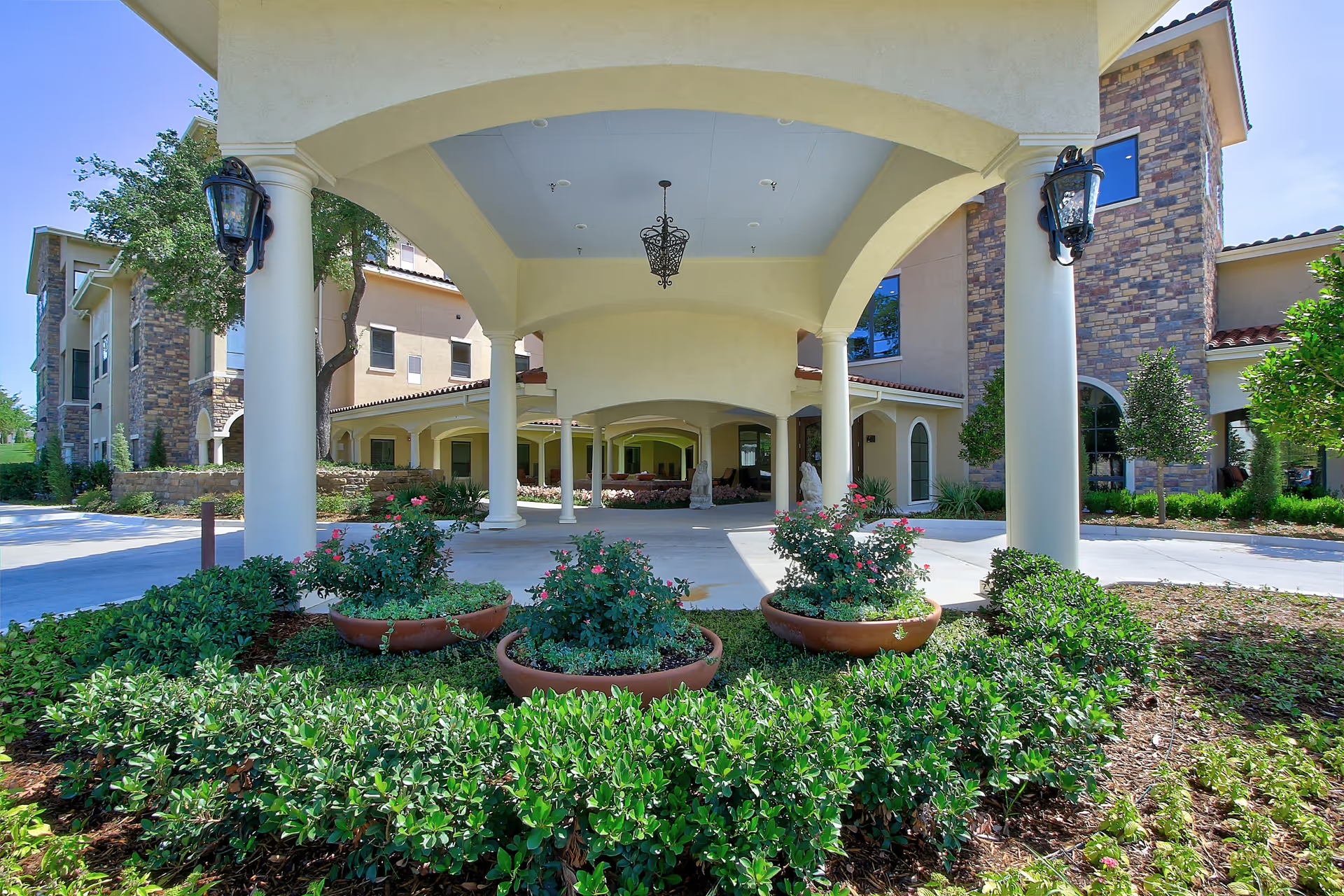
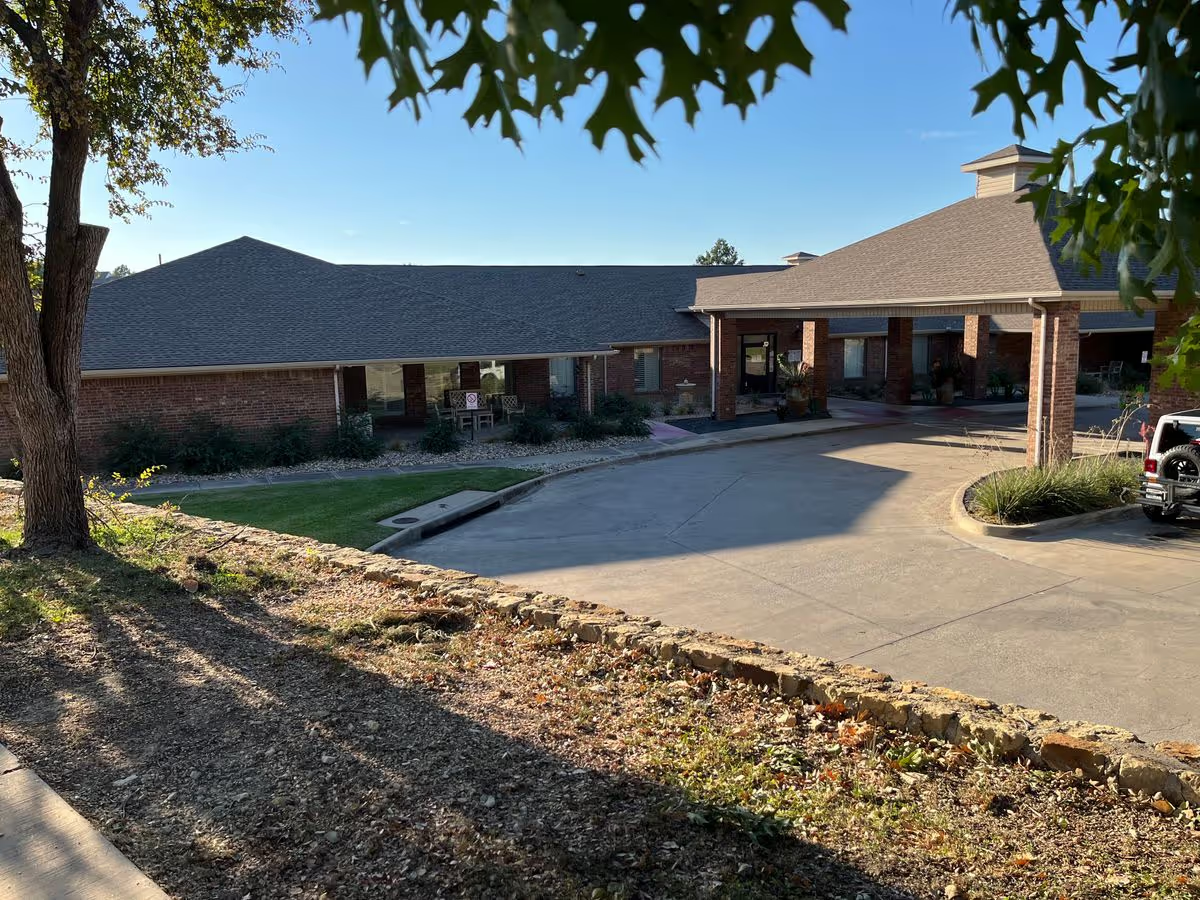
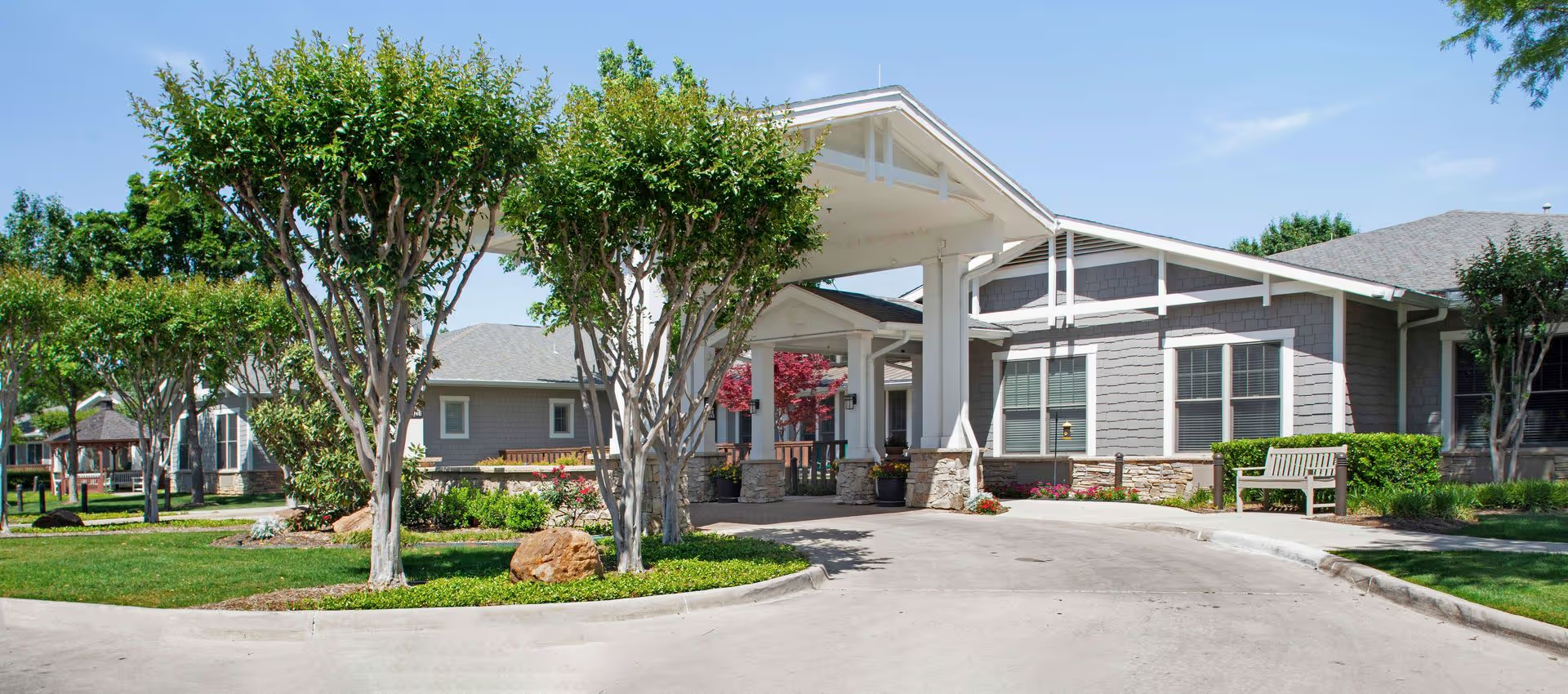
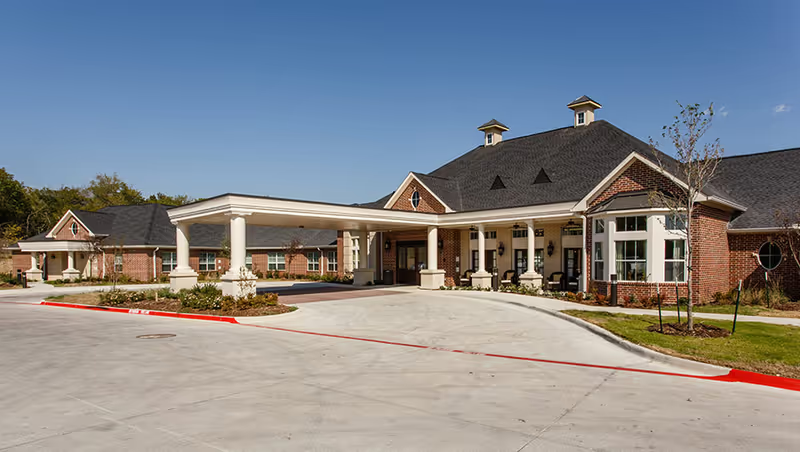
Facilities and safety: The campus and cottages are described as clean, well‑kept, and home-like, with accessible outdoor patios, walking paths, and secure entry systems. Private rooms, pleasant smells, and a domestic atmosphere are frequently praised. Operationally, some shortcomings were identified: room footprints in parts of the community are small and can restrict use of walkers or larger mobility equipment; some bathing and shower configurations are shared rather than fully private; and a few reports suggest perimeter-monitoring or supervision gaps that merit clarification during a tour.
Management and patterns to watch: Leadership is often described as responsive and engaged, with administrators who listen to families and take corrective action. That said, reviewers also mention instances of uneven administrative follow-through, delays in maintenance responses, and occasional billing/refund concerns. There are a small number of isolated clinical coordination issues (for example, medication access or admission-period agitation) noted by families; prospective residents should clarify clinical capabilities and emergency protocols during intake.
Bottom line: Colonial Gardens/ Gemstone Senior Living at Riverpark appears well suited for individuals with dementia who will benefit from a small, home-like memory-care setting, personalized attention, and active programming. Strengths include trained, compassionate staff, clean facilities, and robust activity calendars. Families considering placement should evaluate nighttime/weekend staffing, care-plan adherence processes (including allergy and texture-modified meal management), room size for mobility aids, and the facility’s capacity to manage higher-acuity medical needs to ensure alignment with the prospective resident’s requirements.