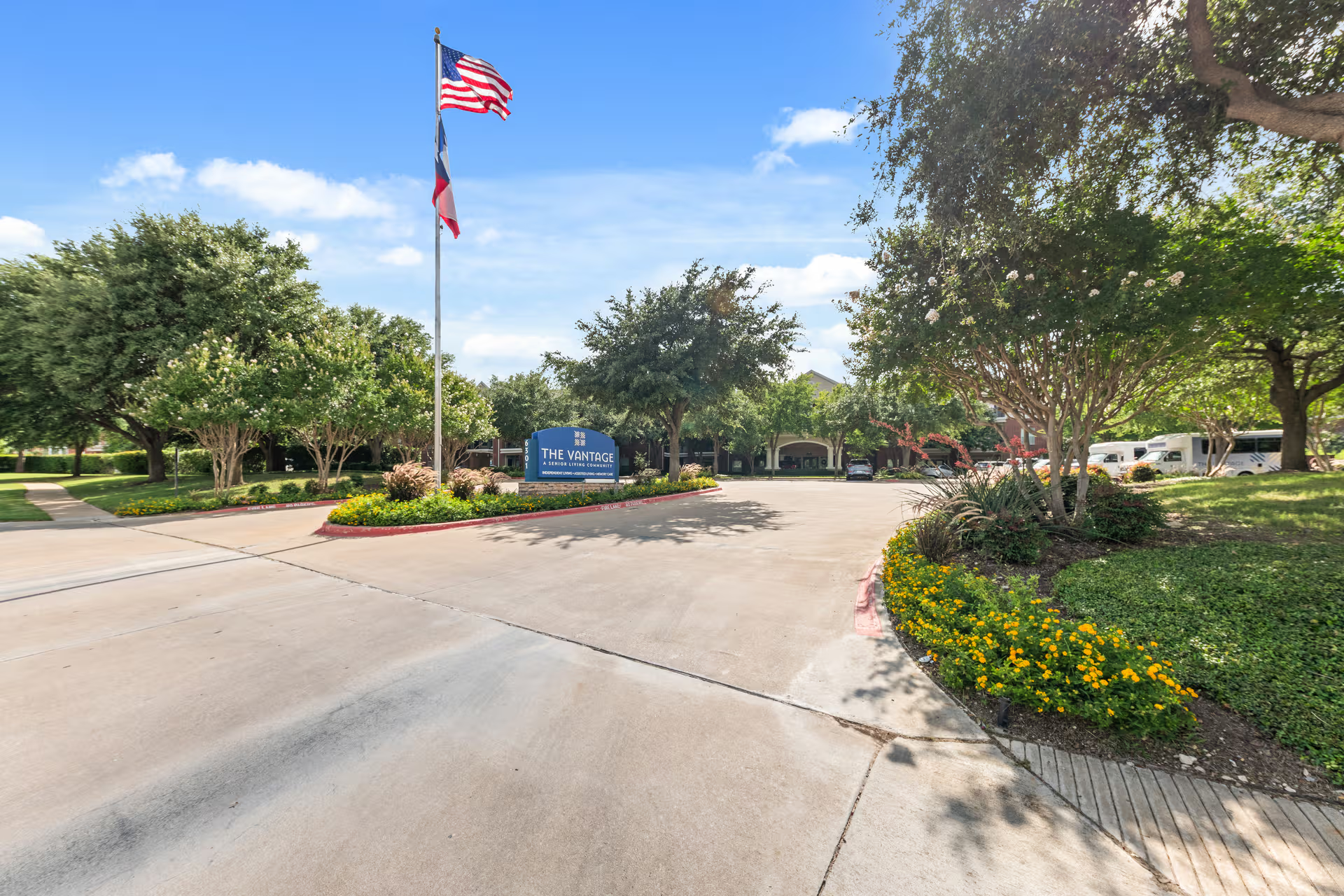
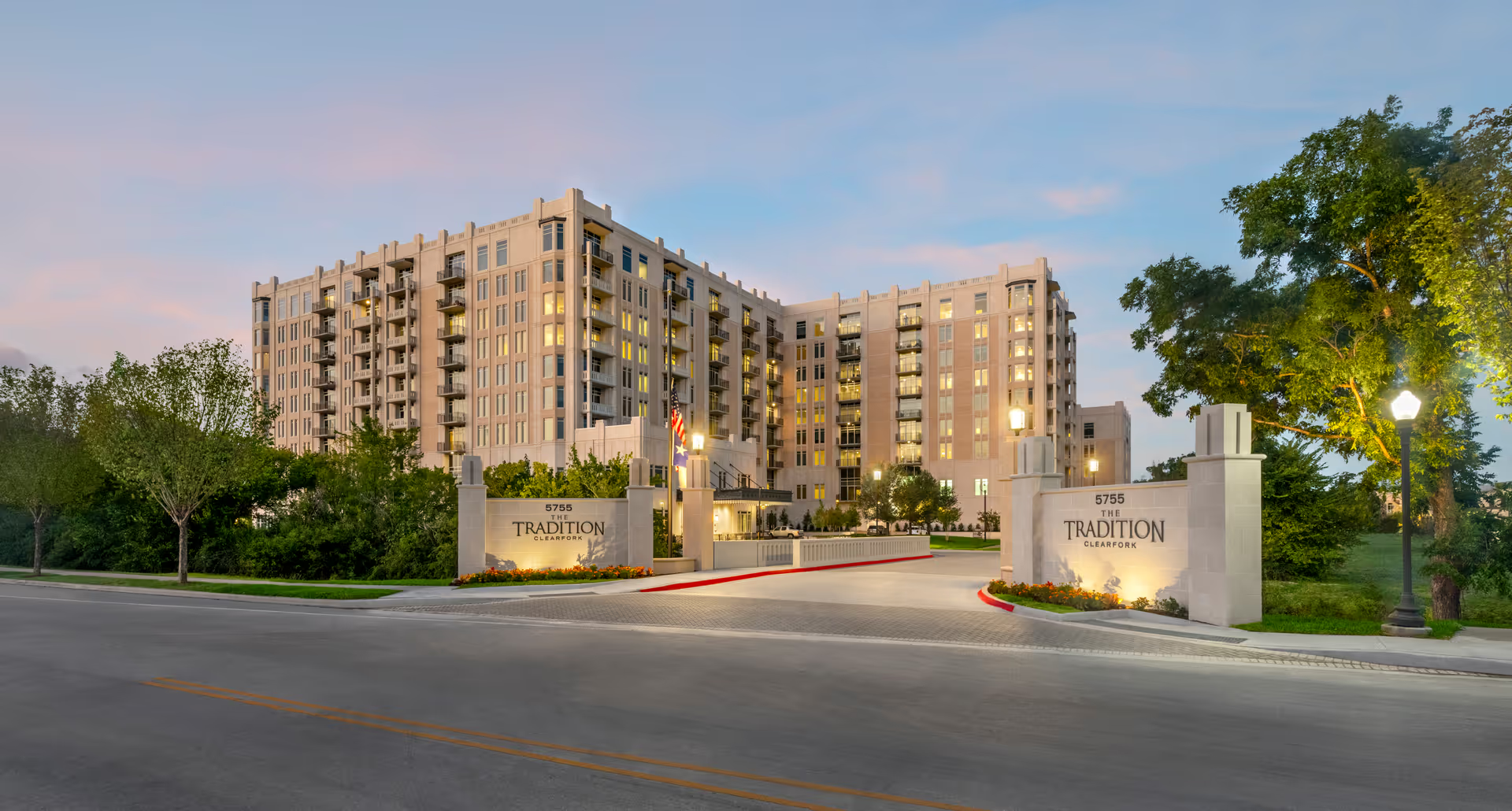
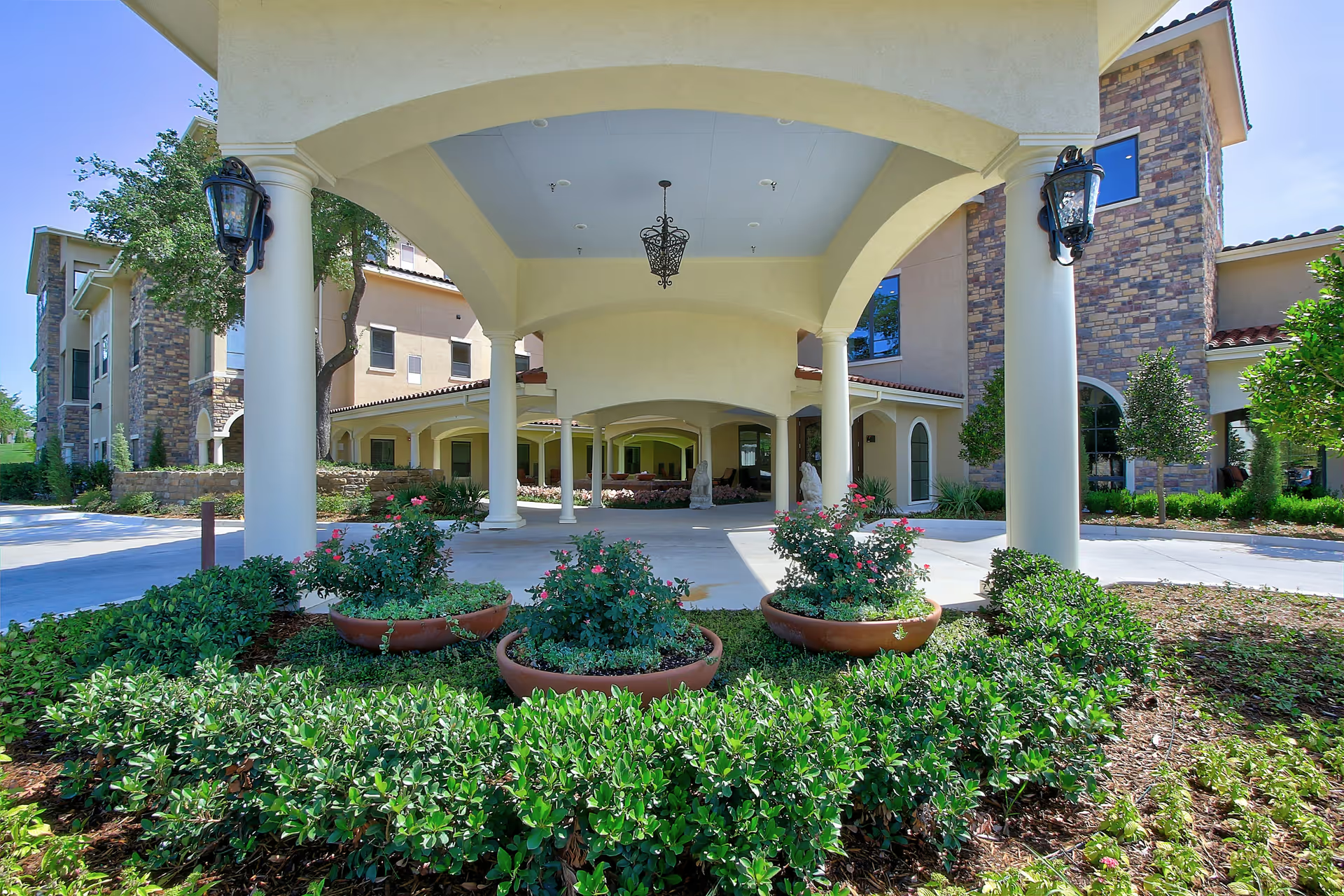
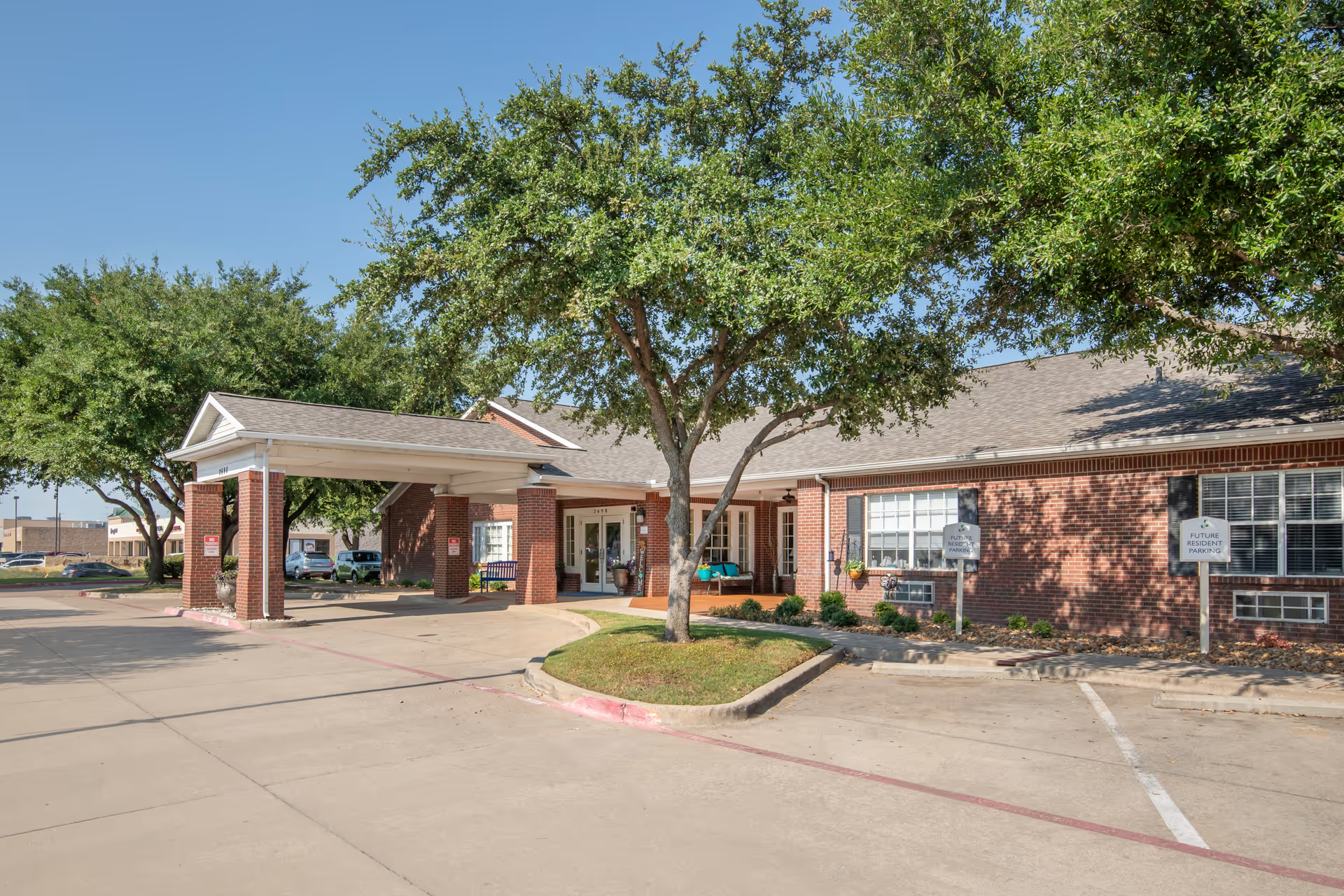
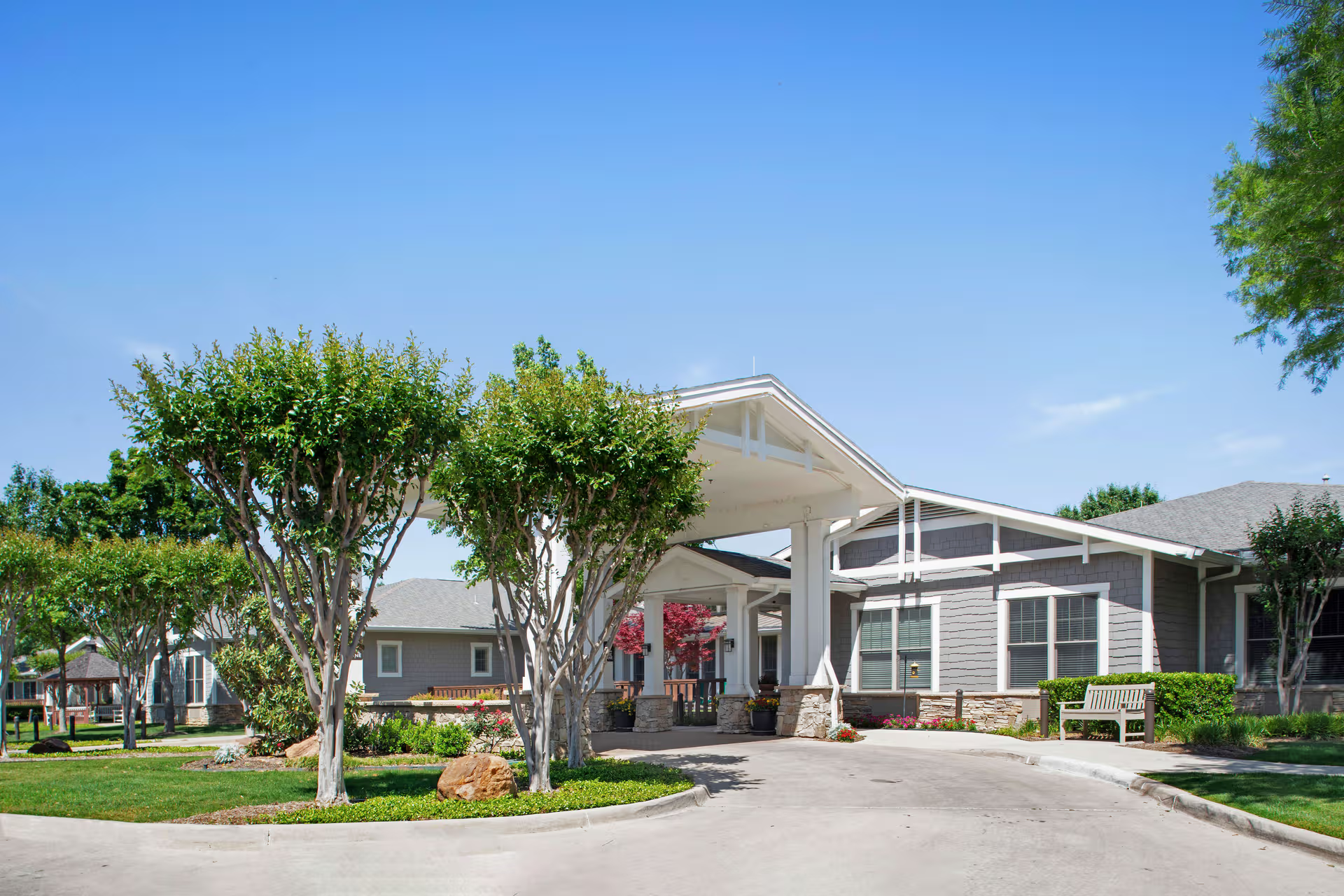
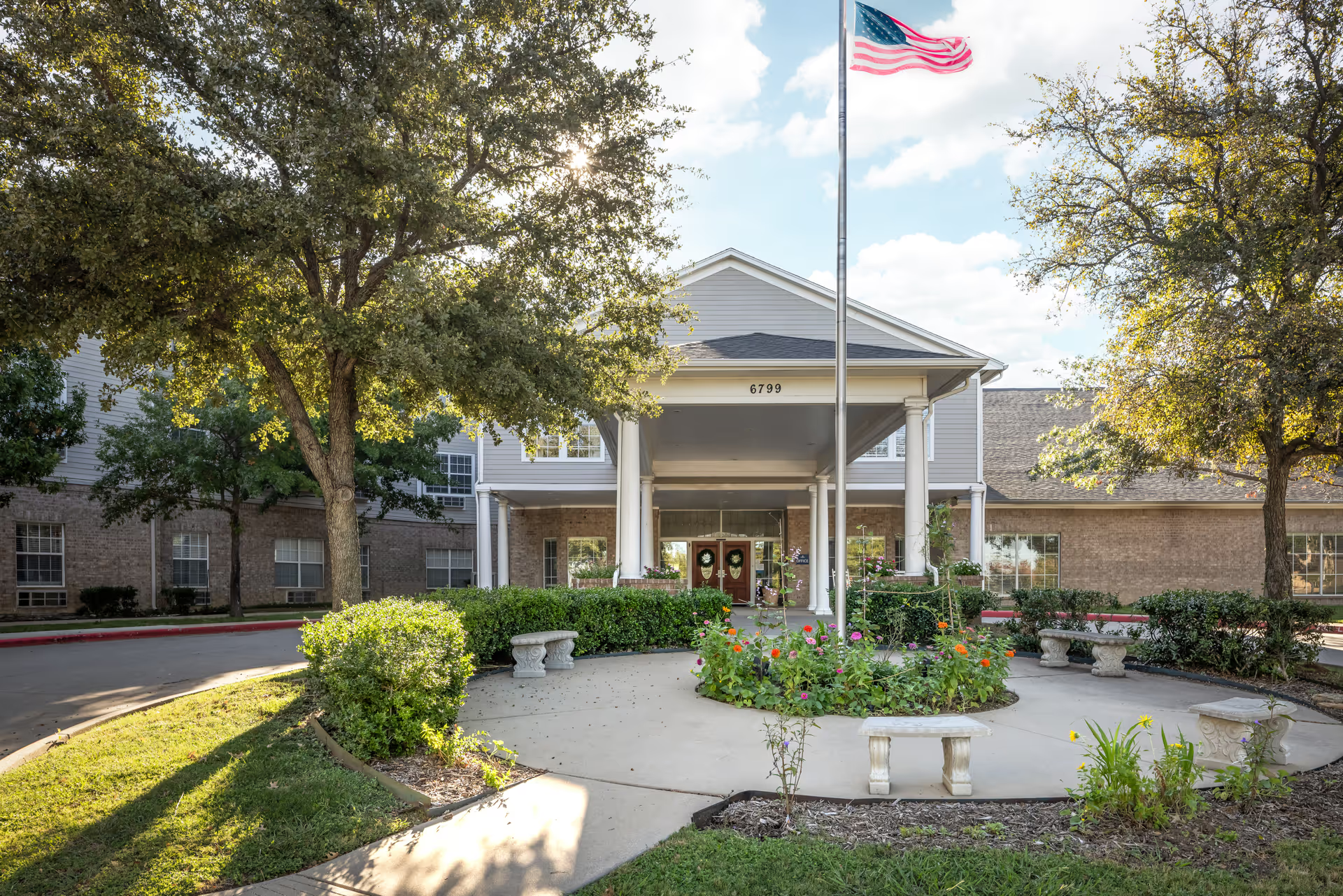
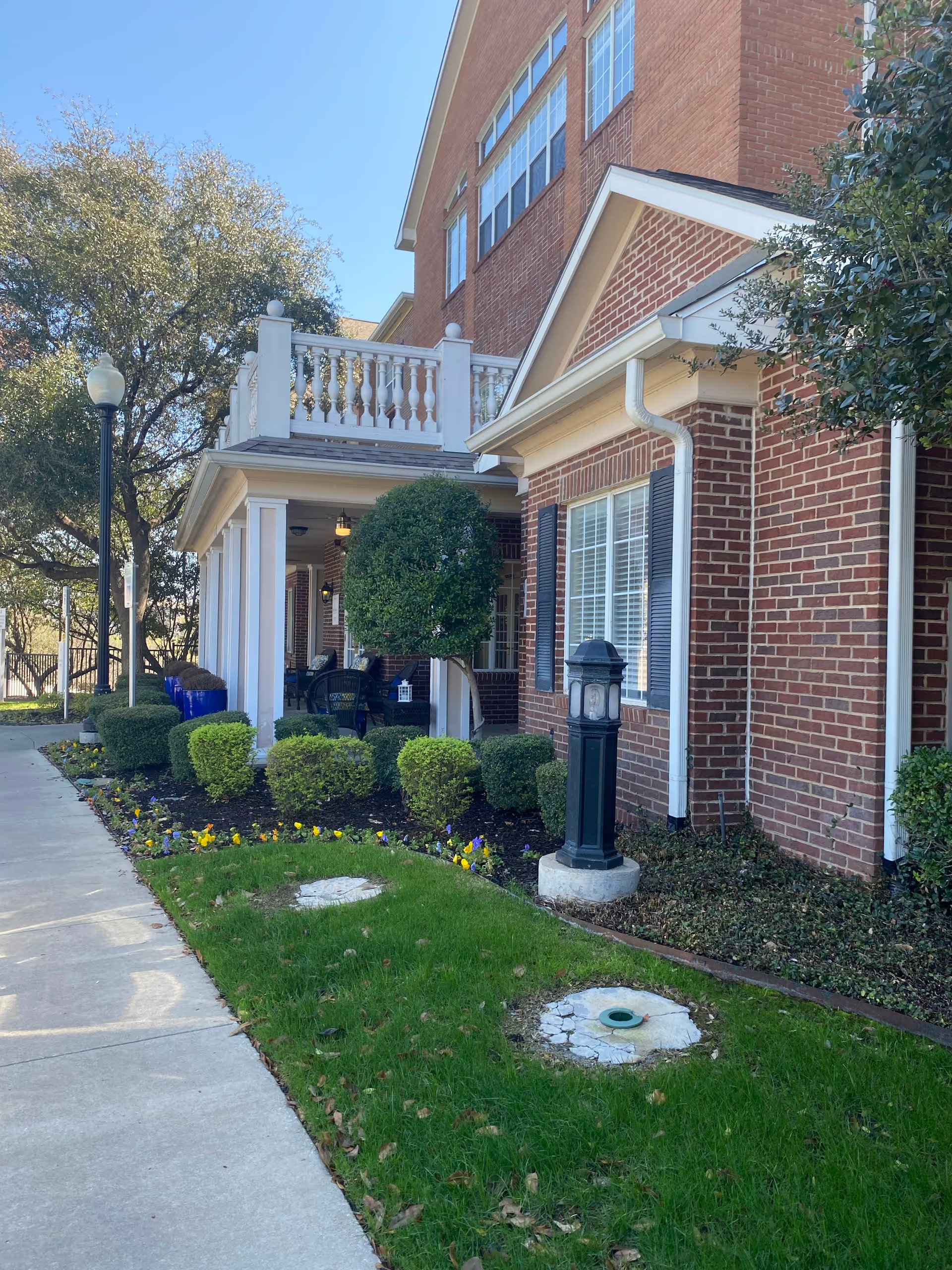
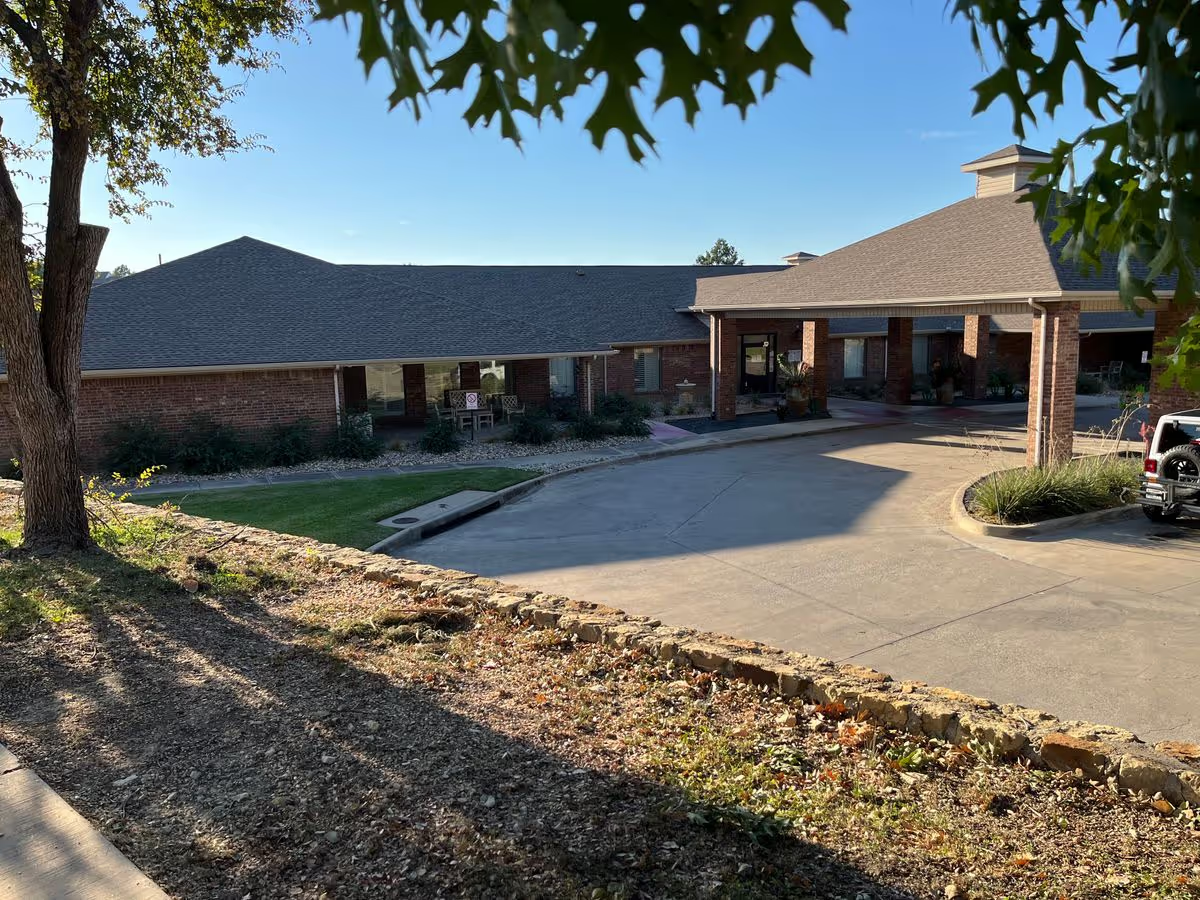
Mirabella presents a divided picture: many families and residents praise warm, compassionate caregivers, attractive public spaces, and an active calendar of social and fitness programming, while other accounts cite operational weaknesses that affect day-to-day experience. The community offers many of the features that prospective residents seek — hotel-like common areas, well-kept landscaping and secure courtyards, spacious accessible apartments with walk-in showers, an on-site salon and shuttle service, and a formal memory-care unit with enclosed outdoors — which contribute to a generally pleasant first impression during tours.
Care quality and staffing are recurrently described in polarized terms. Numerous testimonials highlight attentive nurses and aides who go above and beyond, 24/7 nursing availability, and staff who know residents by name. At the same time, reviewers raise consistent concerns about high staff turnover, variable staffing levels (including weekend understaffing), and uneven caregiver competence or training. These operational patterns are associated with delays in medication administration, missed or late therapy sessions, misfiled clinical documentation, and occasional difficulties obtaining timely clinical answers. Families frequently praised individual caregivers by name while also noting that overall coverage and consistency can be uneven.
Dining and nutritional services are another area of mixed feedback. Many residents and families enjoy restaurant-style presentation, appealing menus, and social dining experiences. Conversely, others describe inconsistent meal quality, limited menu variety at times, perceived over-reliance on certain dishes, and inadequate therapeutic-diet accommodations (for example, limited diabetic or low-sodium options). Meal service timeliness and portions are other points of variability, with reports of both high-quality dining and occasions of cold or poorly executed meals.
Activities programming is a clear strength for many residents: the community offers frequent socials, outings, exercise classes, and special events that promote engagement and mobility. That said, some reviews indicate gaps in rehabilitation resources, limited formal therapy equipment, infrequent exercise class availability, and occasional instructor no‑shows. Families who prioritize regular, clinically supervised rehab or more intensive exercise options may want to verify program frequency and staffing.
Facility condition and operations show a split between updated, remodeled areas and older sections requiring attention. Positive comments emphasize remodeled rooms, bright common areas, and attractive landscaping. Critical comments point to aging units, rooms needing updates, occasional odor concerns in hallways, sanitation shortfalls, and pest-control issues. Maintenance responsiveness is also variable: some families praise prompt fixes and helpful maintenance staff, while others report slow or incomplete repairs and HVAC/plumbing delays.
Management, communications, and administrative practices generate repeated themes. Several accounts commend specific directors and front-line managers for responsiveness and individualized problem-solving. At the same time, there are consistent complaints about opaque pricing and add-on fees, billing errors, unreturned calls from upper management, and frequent executive turnover. There are also allegations of restrictive or uneven policy enforcement tied to payer source and management decisions; for prospective residents this underscores the importance of clarifying residency policies and fee breakdowns in writing.
Notable patterns across the reviews are the community’s strong capacity to deliver a warm, engaging residential experience when staffing and operational systems are stable, contrasted with recurring operational weaknesses that can materially affect care and daily living when those systems falter. Individual caregiver performance is often cited as exemplary even when system-level issues exist.
Advice for prospective residents and families: arrange multiple-day or meal visits, ask for written clarification on base pricing versus add-on fees, request details on staff-to-resident ratios (including weekend coverage), verify processes for medication administration and clinical documentation, confirm the availability and frequency of therapy services, inquire about pest-control and sanitation protocols, and inspect memory-care bathroom arrangements and apartment readiness. Speaking directly with current residents and families — and asking for recent maintenance logs or incident-response policies — can help assess whether the operational strengths or weaknesses are persistent or have been recently addressed.