Overview Renaissance Park Multi Care Center elicits a strongly mixed set of experiences. Its rehabilitation program—particularly physical and occupational therapy—is a consistent strength and many families credit the therapy team with measurable functional improvement. There are numerous accounts of caring, attentive therapists and clinical staff who work to return patients to independence. At the same time, reviewers describe recurring operational weaknesses that have affected clinical outcomes, family trust, and daily comfort for some residents.
Care quality and clinical oversight The facility's therapy services receive frequent praise for clinical skill, motivation, and team coordination; many patients experienced successful rehab progress. Nursing and aide care, however, is described as inconsistent. Positive accounts note compassionate, reliable caregivers and timely medication delivery, but other reports raise concerns about delayed medication or pain control, inconsistent wound-care follow-up, slow clinical escalation, and instances where infection-control practices were not followed. There are also serious-sounding concerns following a resident's death and other adverse clinical events; these accounts point to gaps in clinical oversight and escalation rather than systematic findings that can be confirmed here.
Staffing, conduct, and responsiveness Staffing levels and consistency emerge as central drivers of family satisfaction. Where staffing is adequate, reviewers describe kind, proactive nurses and aides and a visible administrator who knows residents by name. Where staffing is thin—particularly on weekends and night shifts—families describe long waits for assistance, inconsistent bathing/toileting support, and variable staff conduct (from courteous to dismissive). Agency or temporary staff are described as less integrated. Reports of cell-phone use during shifts and lapses in glove/PPE use indicate uneven adherence to practice standards in some areas.
Dining, activities, and resident life The facility offers a full activities calendar and organized outings that many residents and families find meaningful. Activity staff and social programming are frequently cited as positive contributors to quality of life. Dining impressions are mixed: several reviewers praise hot, appetizing meals and attentive dietary staff, while others describe cold food, occasional hygiene lapses in food service, and variability in meal delivery and tray accuracy. Overall, activity programming is a relative strength; dining quality appears inconsistent and may depend on shift and unit.
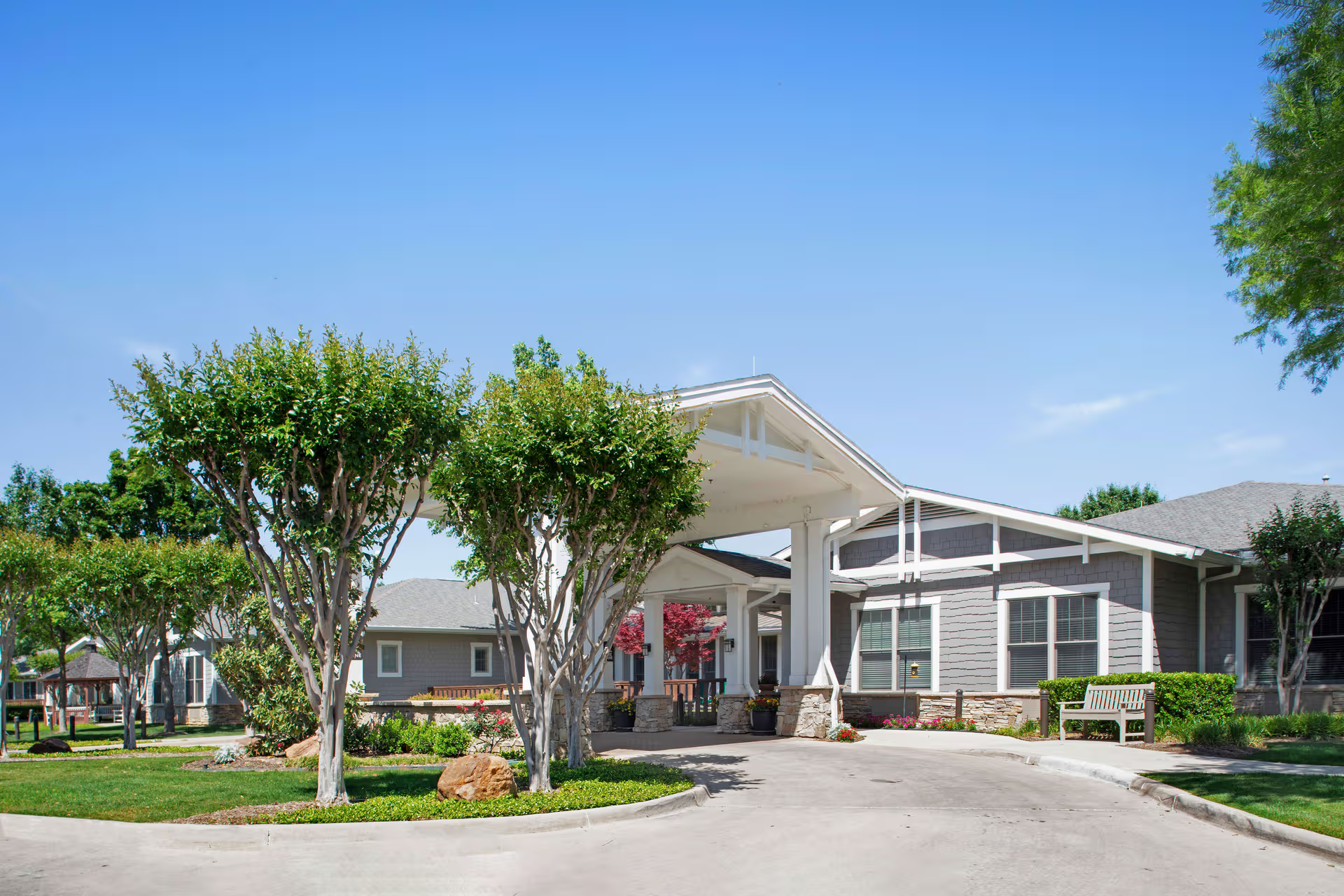
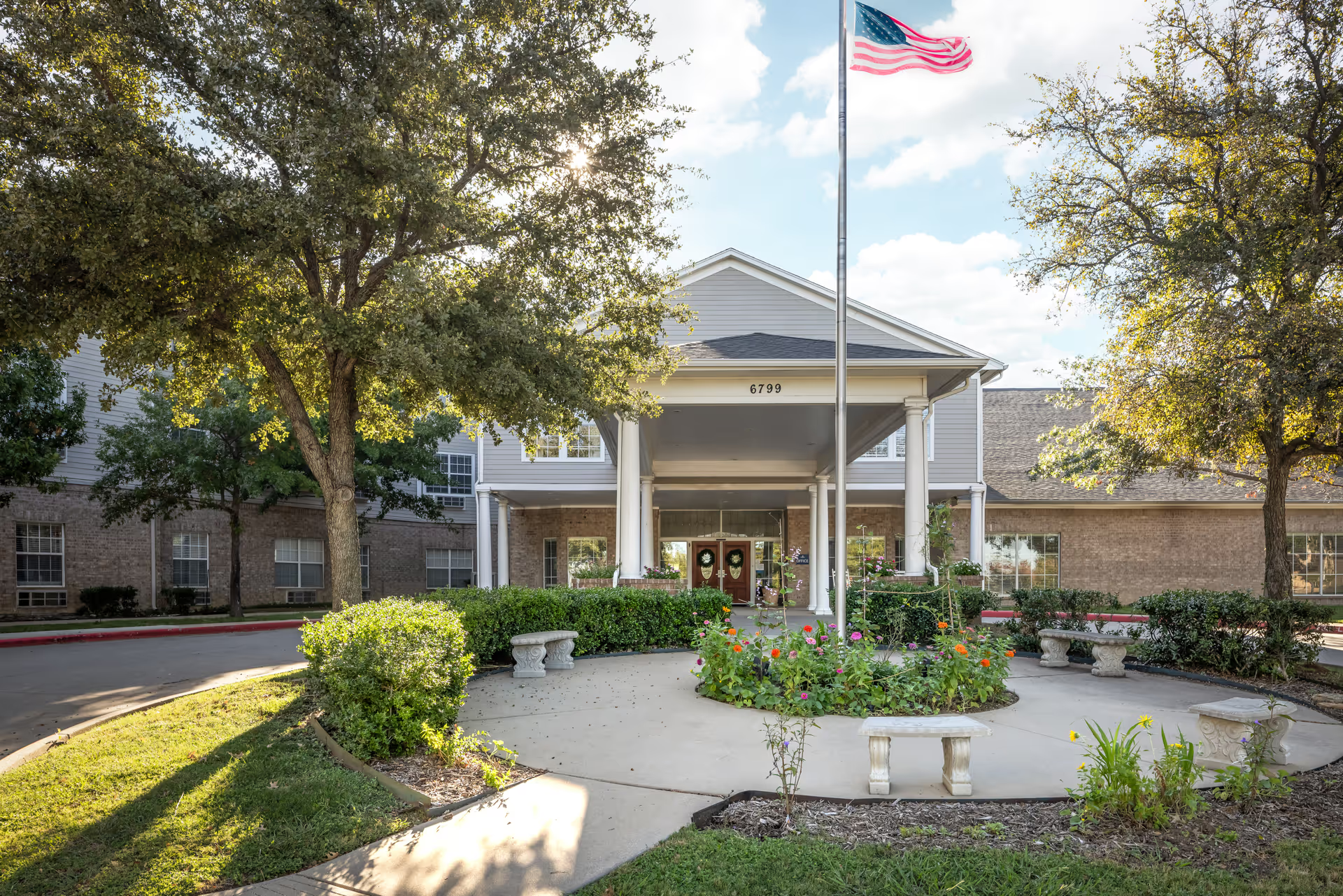
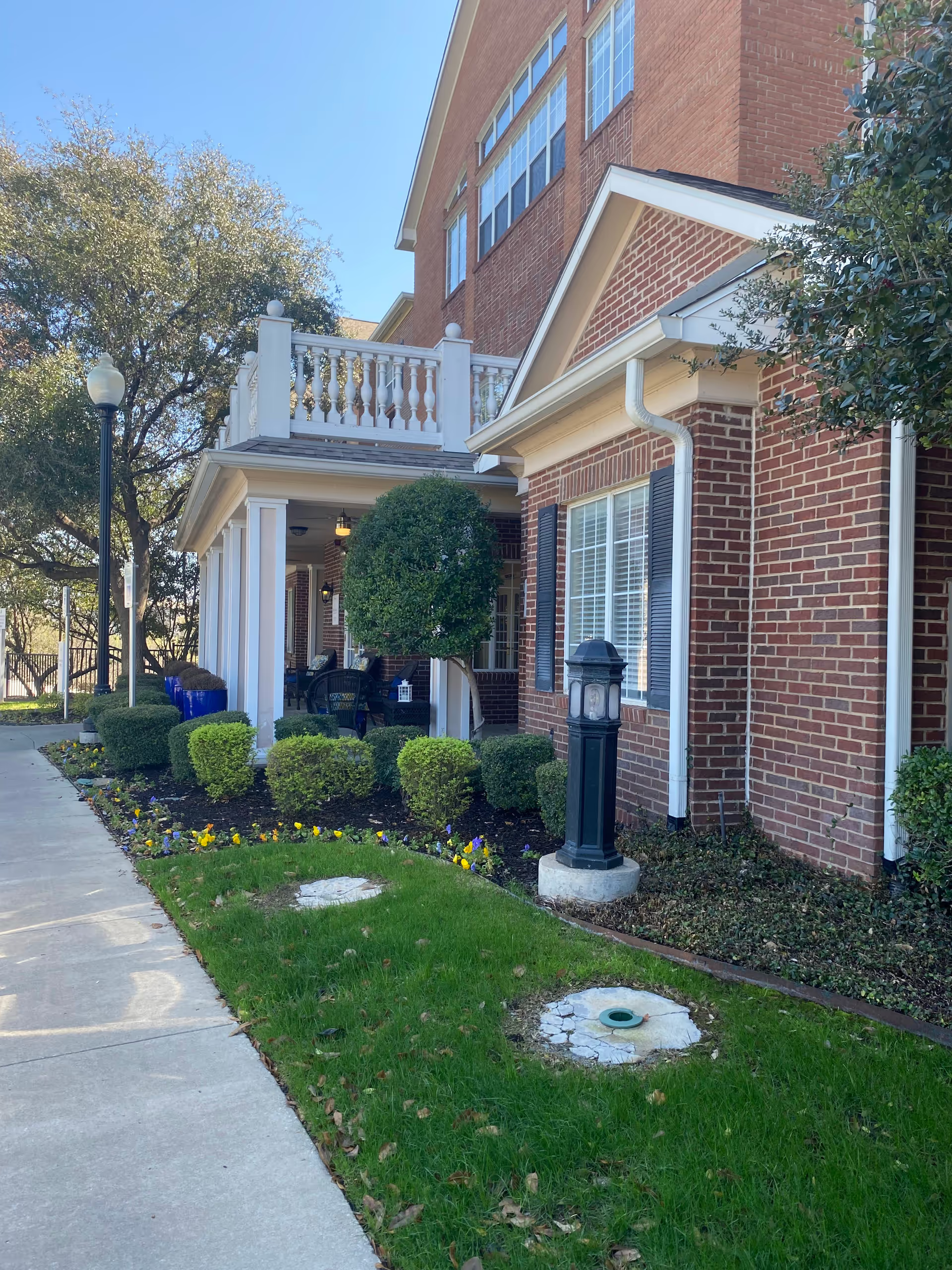
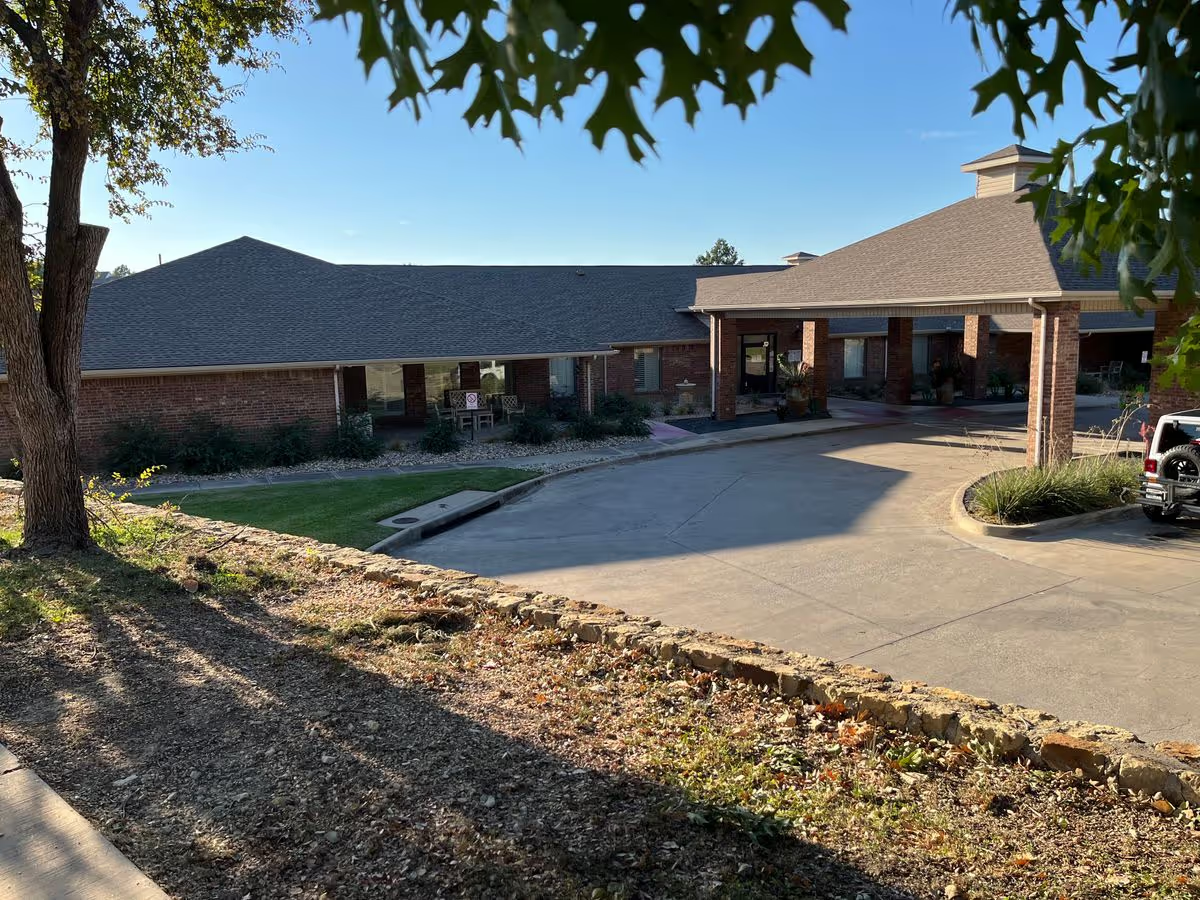
Facilities, housekeeping, and maintenance Physical condition reports are variable. Some areas are clean, recently updated, and well maintained; other accounts describe aging infrastructure, plumbing problems (showers or commodes out of service), delayed housekeeping in rooms and bathrooms, and pest-control concerns in parts of the building. Laundry and personal-item management problems—including lost or mishandled clothing and personal effects—are a recurring operational theme. Families should ask about unit-level maintenance schedules and pest-control protocols during a tour.
Management and communication Administration and social-work staff receive positive mentions for family advocacy, insurance navigation, and being present. Nevertheless, reviewers also describe communication failures: lack of timely notification during infection-control events, transfers or bed moves without family notification, delayed intake or discharge paperwork, and difficulties reaching staff by phone at night. There are also allegations of missing or stolen belongings and at least one serious allegation of mishandled clinical escalation; these suggest the need for careful inquiry about property controls, incident reporting, and family-notification protocols.
Notable patterns and recommendations The center demonstrates clear strengths in rehabilitative therapy and in many frontline staff who provide attentive, individualized care. However, recurring operational themes—variable staffing, slow call-button response, inconsistent clinical escalation, sanitation/maintenance shortfalls, and property-management issues—represent potential risks for medically complex residents or those requiring reliable nursing oversight.
Prospective residents and families should: tour the specific unit where the resident will be placed; ask about staffing ratios, weekend and night coverage, and use of agency staff; review fall-prevention and wound-care protocols; request information on infection-control practices and PPE use; inquire about property-inventory procedures and lost-item policies; and ask to speak with the therapy team and unit nursing lead about expectations for daily care and medication administration. These targeted questions can help align expectations with the facility's demonstrated strengths and operational limitations.