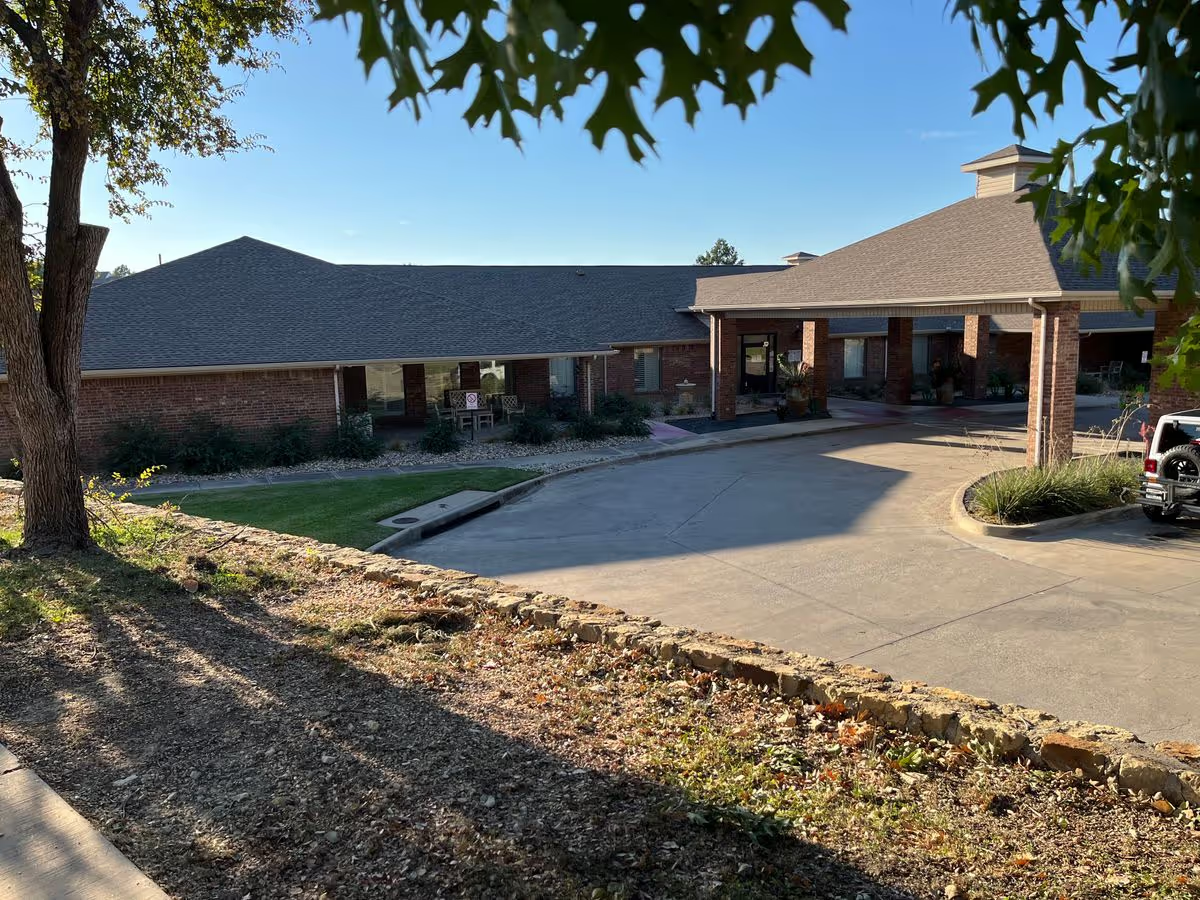
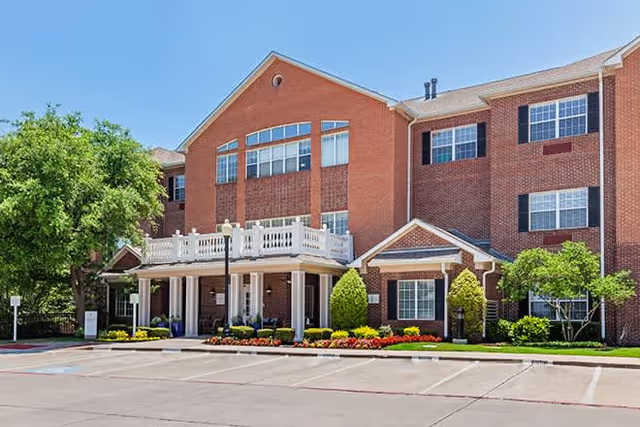
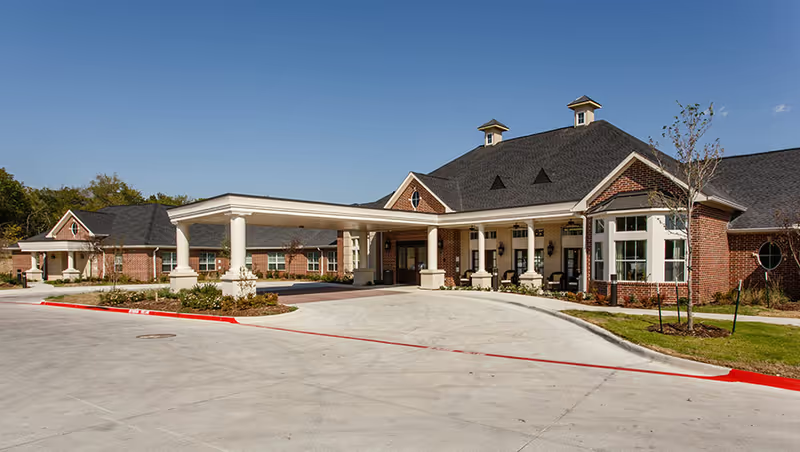
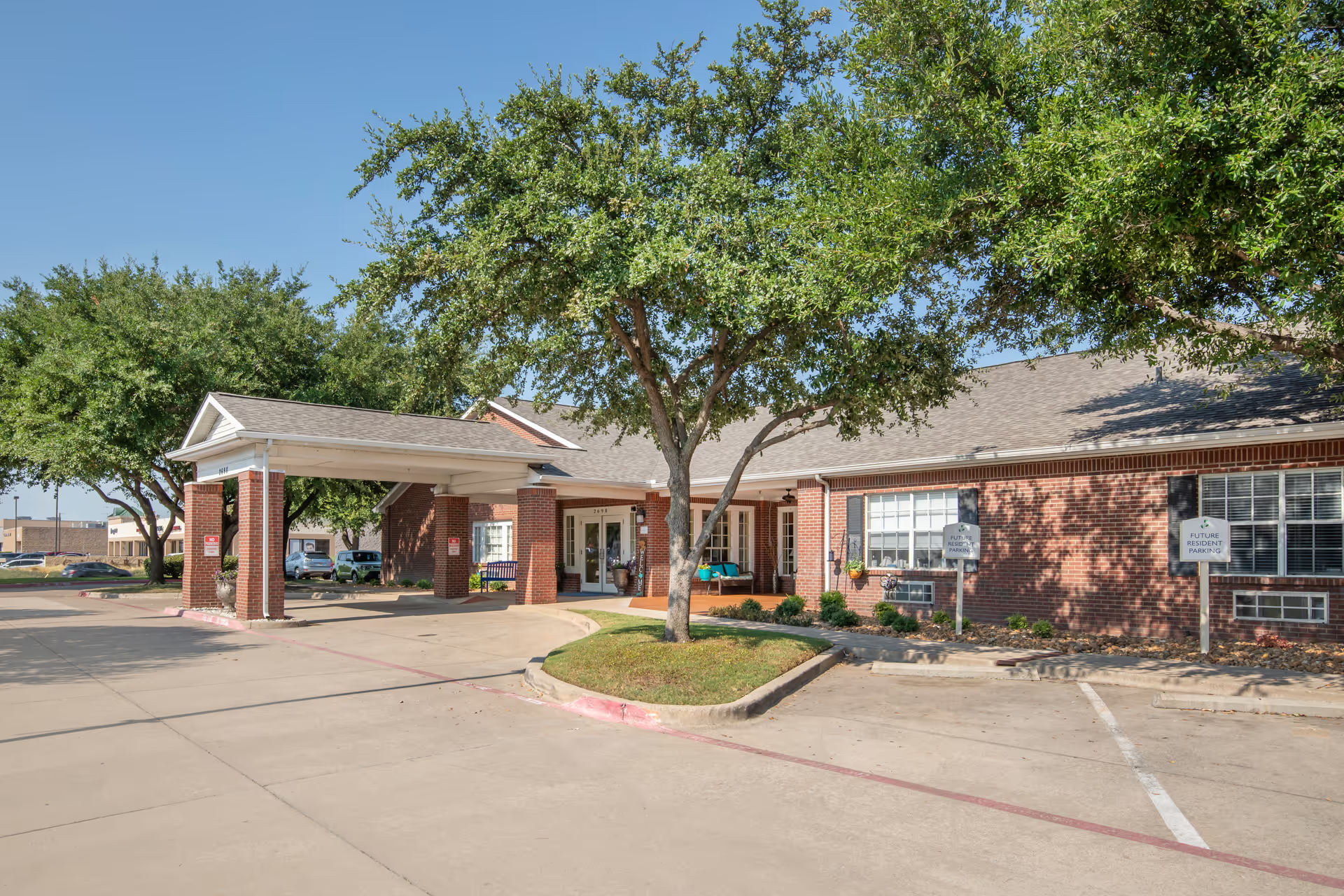
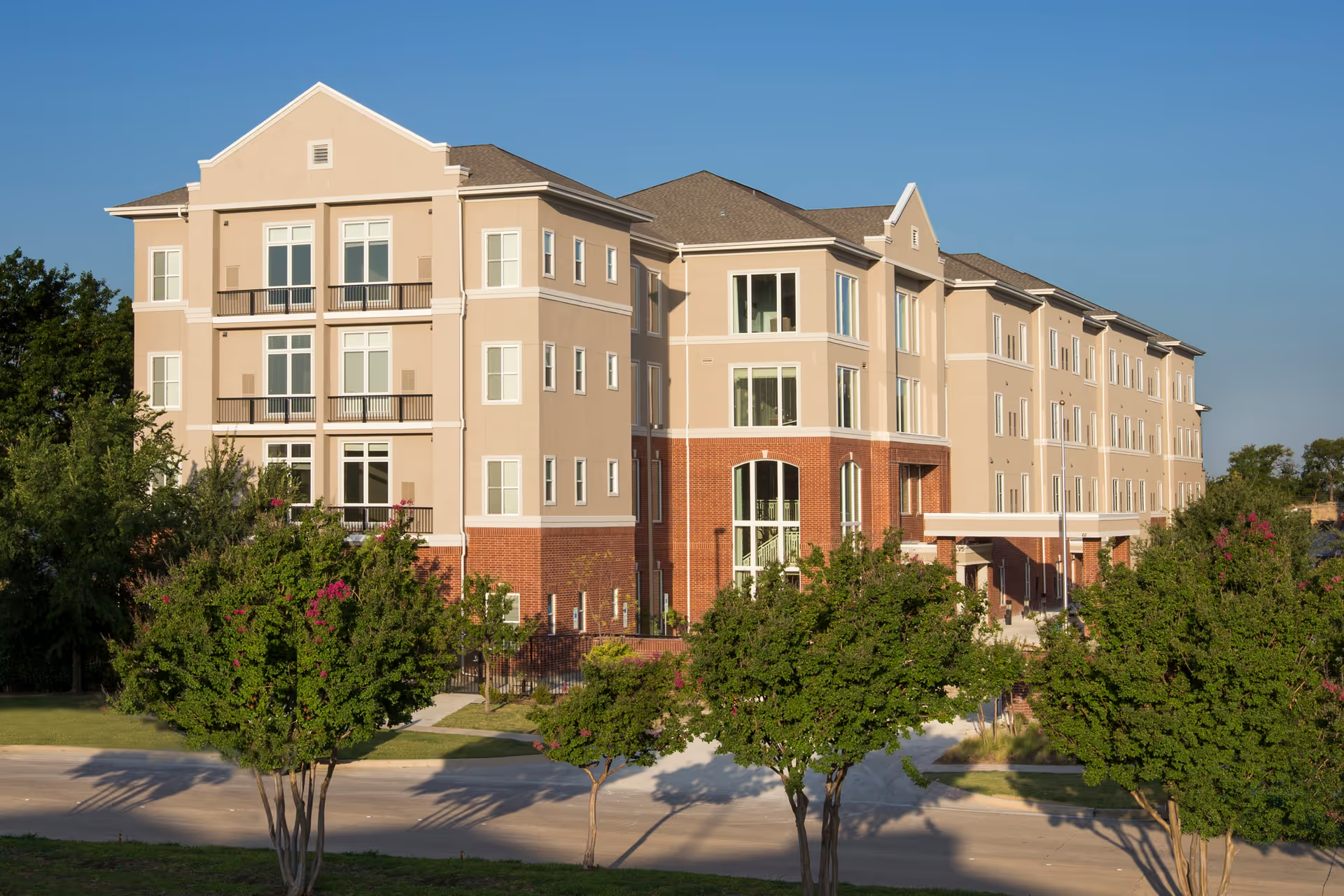
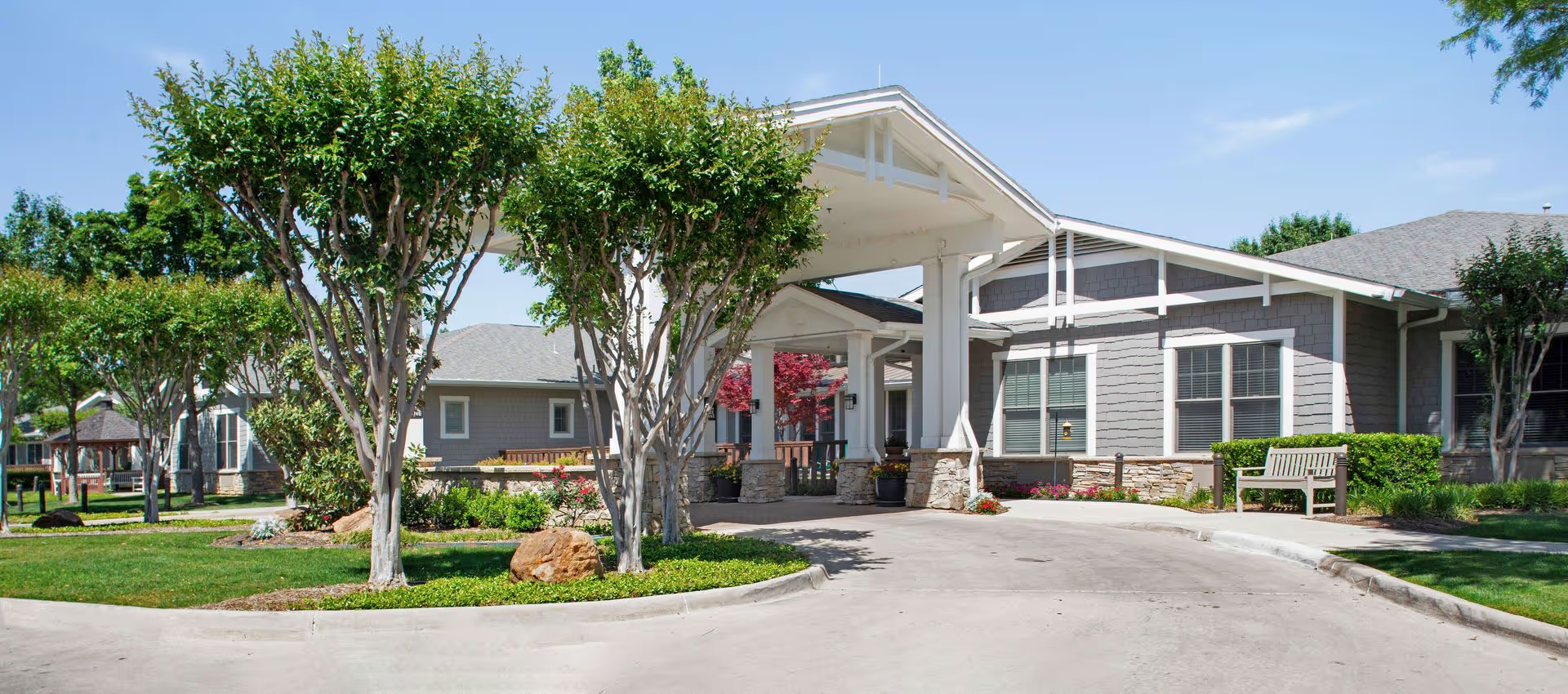
Feedback on Ridgmar Medical Lodge is polarized, with many families and short-stay residents praising the facility’s rehabilitation services and several long-term families expressing operational concerns. The facility receives consistent positive remarks for its therapy teams (physical, occupational, and speech), individualized rehab outcomes, and specific clinical strengths such as attentive wound care. Admissions and some clinical leaders are described as proactive and helpful, and many reviewers highlight a warm, family-like atmosphere, engaging activities, and an attractive, recently renovated building.
At the same time, a recurring pattern of operational weaknesses appears across reviews. Staffing levels are described as inconsistent, with particular pressure on weekends and overnight shifts; this contributes to long call‑light response times, delayed assistance with basic needs, and delayed administration of pain medications. Several accounts point to variability in clinical follow-up and wound management, and to occasions when temporary or float staff were unfamiliar with residents’ established care plans. Scheduling conflicts between therapy and medical appointments (for example, dialysis) were also raised as an impediment to coordinated care.
Dining and housekeeping comments are mixed. Some reviewers praised meals and kitchen staff, while others reported cold or poorly timed meal service and intermittent shortages of kitchen coverage. Laundry and personal-property handling were identified as a persistent concern, including lost clothing and withheld packages; there are also mentions of broader sanitation and pest-control concerns in specific areas. Activity offerings and recreational staff receive positive feedback overall, with residents describing regular programming and a social environment they appreciate.
Communication and leadership are important themes. Positive experiences cite clear, compassionate communication from individual nurses, admissions, and certain directors. Conversely, other reviewers described inconsistent family notification after incidents, gaps in incident documentation, and uneven administrative follow-through. Ownership changes and management turnover were associated with staff morale issues and perceptions of inconsistent oversight. A few serious claims prompted regulatory or law-enforcement involvement; such matters warrant direct inquiry during tours and care-planning discussions.
How to use this information: prospective residents and families should weigh the facility’s strong rehabilitative resources, wound‑care capabilities, and social programming against operational risks tied to staffing consistency, meal-service reliability, property management, and family communication. When considering placement, request specifics about current staffing ratios (including weekend and night coverage), care-plan review processes, incident-notification protocols, property safeguards, and recent regulatory findings. Meet therapy and nursing leads, ask for examples of coordination between therapy and medical appointments, and inquire how the facility supports continuity of care during admissions, ownership transitions, and staff changes.