Stonegate Nursing and Rehabilitation elicits strongly polarized impressions. Across reviews there are consistent, specific strengths in rehabilitation services and in many direct-care interactions, while recurring operational weaknesses—particularly staffing variability and care continuity—produce uneven resident experiences.
Care quality: Therapy services are repeatedly described as a facility strength. Physical and occupational therapy teams are credited with measurable mobility gains and positive rehabilitation outcomes. Wound-care nursing receives specific praise in multiple accounts. At the same time, reviewers describe inconsistencies in basic nursing functions: medication administration and documentation problems, delays in responding to clinical needs, and episodic failures to follow physician orders or individual care plans. These issues create variability in how well clinical needs are met from shift to shift.
Staff: Many families highlight compassionate, attentive aides and long-tenured caregivers on particular units who provide strong day-to-day support. However, staffing levels and turnover are recurrent concerns. Short staffing appears to contribute to delayed responses to call lights, inconsistent bathing schedules, and limited time for social interaction. Reviewer accounts also describe variable staff conduct and communication tone—some staff and managers are praised for responsiveness and warmth, while others are characterized as brusque or difficult to reach.
Dining and activities: The facility offers a varied menu and an active calendar of recreational options—bingo, karaoke, pet therapy, holiday programming and volunteer involvement are noted positively. Nutrition teams are sometimes described as flexible and responsive to dietary needs. Contrastingly, meal service reliability is an operational weakness: delayed or cold meals, missing items, and portion inconsistencies are recurrently mentioned. Families should confirm dietary handling and allergy protocols during assessment.
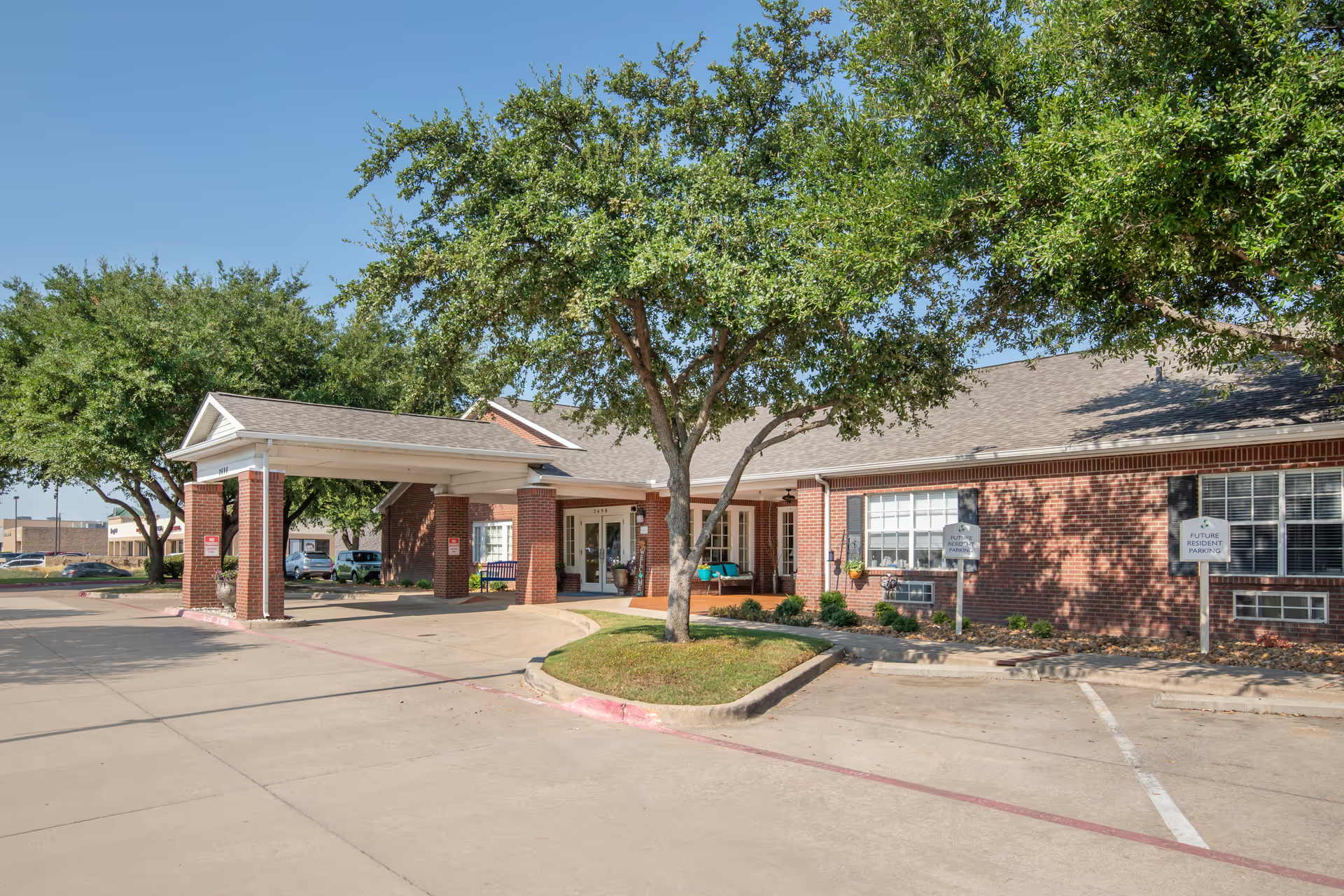
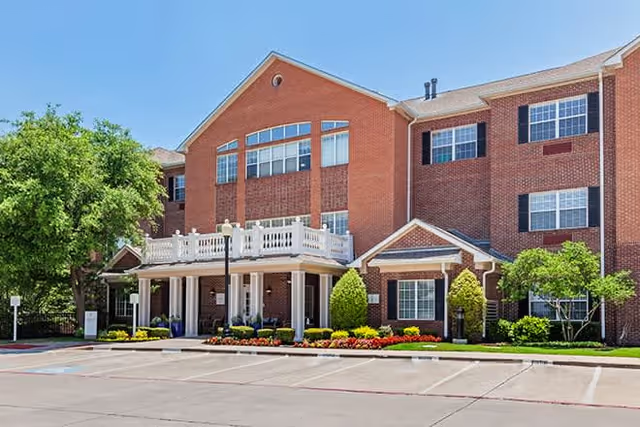
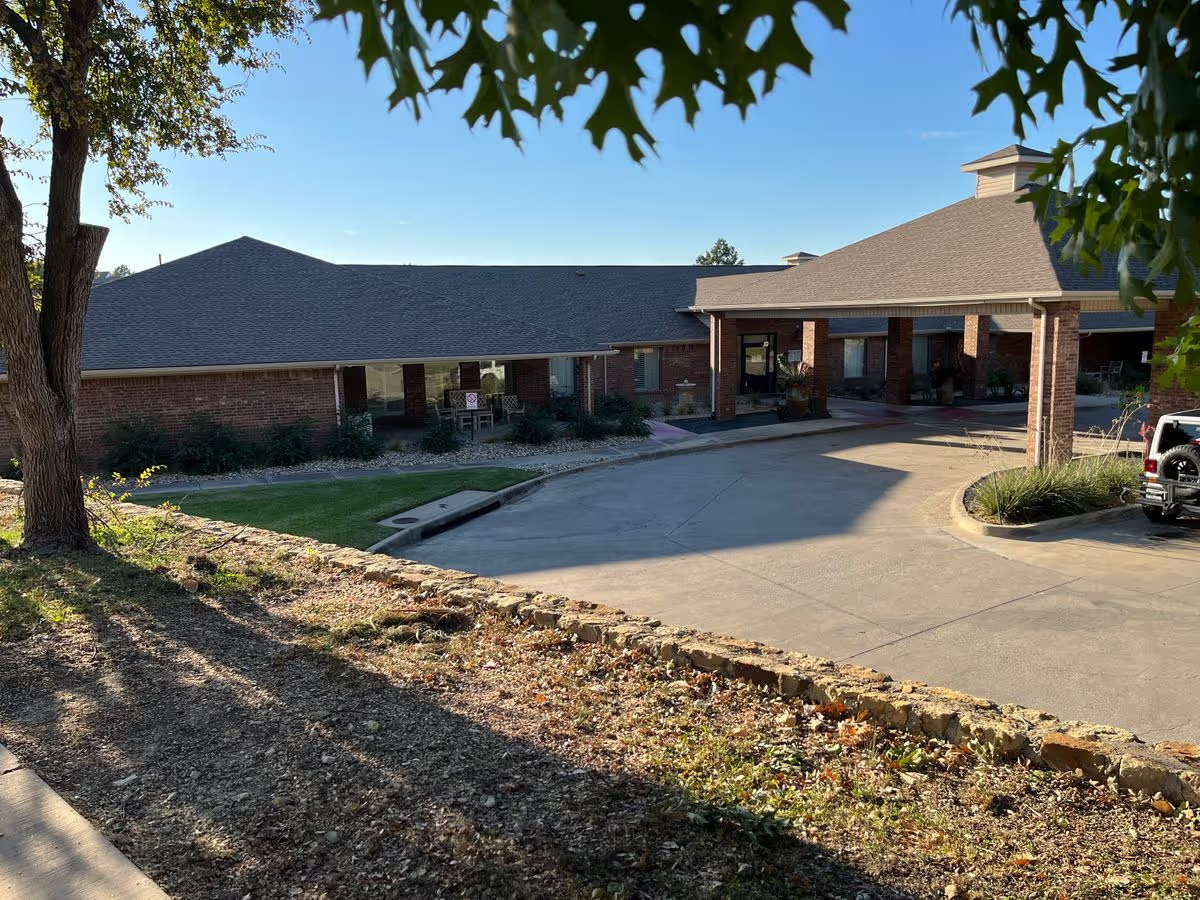
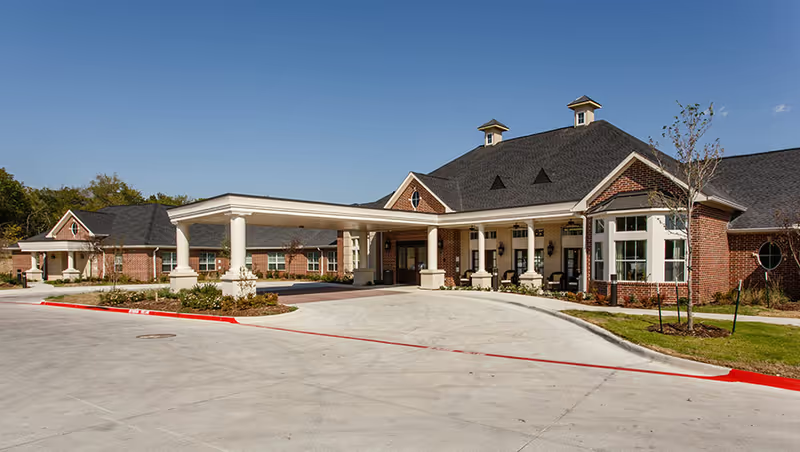
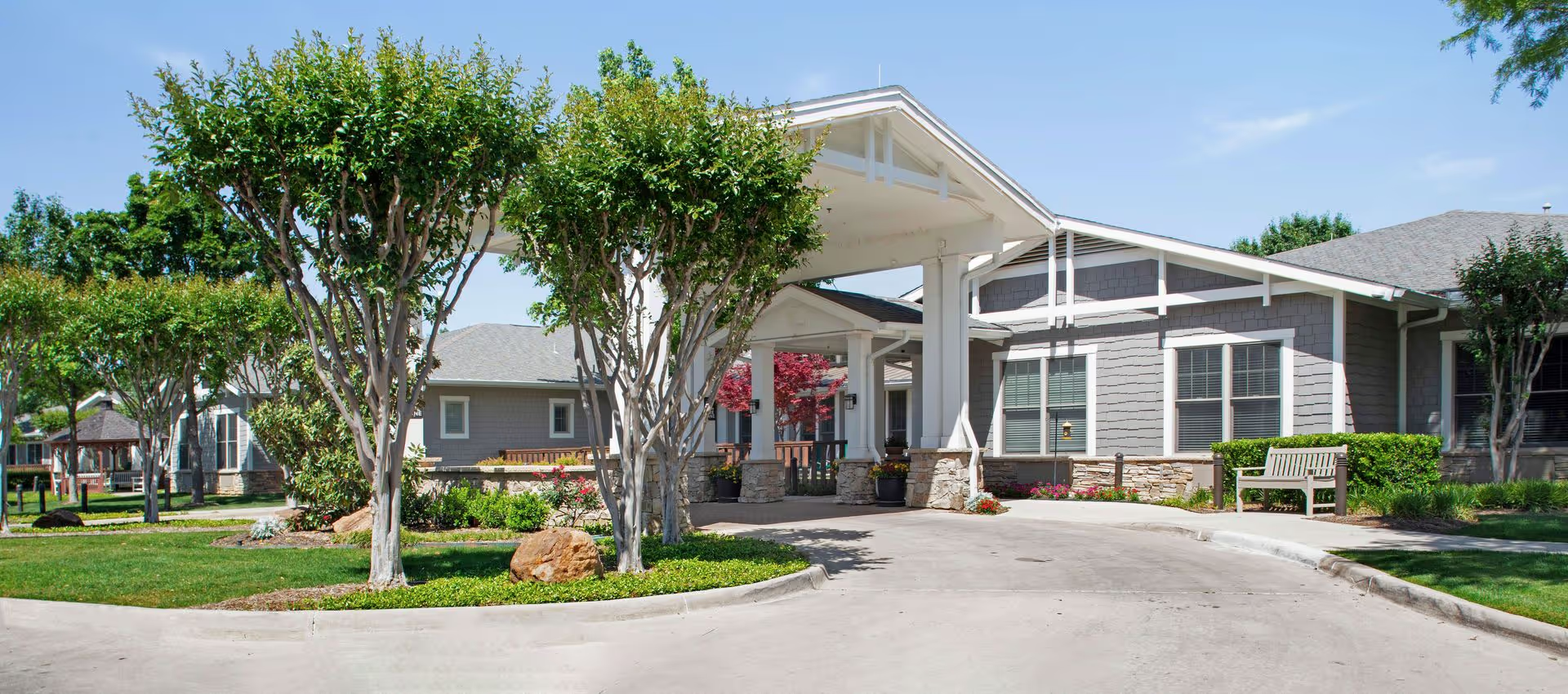
Facilities and environment: The campus exterior and many communal areas are described as clean and well maintained, and recent renovations and new furniture are noted. At the same time, several accounts identify infrastructure and maintenance gaps—temporary climate-control measures, localized odor concerns, dated private-room availability, and shared-bathroom layouts that reduce privacy. These physical limitations can affect comfort and safety, particularly for residents who require privacy or bariatric accommodations.
Management and systems: Opinions about leadership and administration are mixed. Some reviewers describe proactive management, rapid issue resolution, and strong discharge planning. Others report poor communication, delayed clinical follow-up, and unsatisfactory handling of personal belongings or medical records. Patterns of improvement after staffing or leadership changes are reported, indicating the facility can address problems but may do so unevenly across time and units.
Notable patterns and guidance: The strongest, most consistent positive signal is the quality of therapy and the presence of dedicated frontline caregivers on particular units. The most consistent risks relate to operational reliability—staffing, medication processes, sanitation in specific areas, meal-service continuity, and communication with families. Prospective residents and families should evaluate unit-level staffing ratios and turnover, confirm therapy and wound-care expertise if relevant, inspect room layout and bathroom access for privacy and safety, and ask about medication administration and personal-item safeguards during admission tours. These focused inquiries can help set expectations and identify the parts of the facility that best match a resident’s clinical and personal needs.