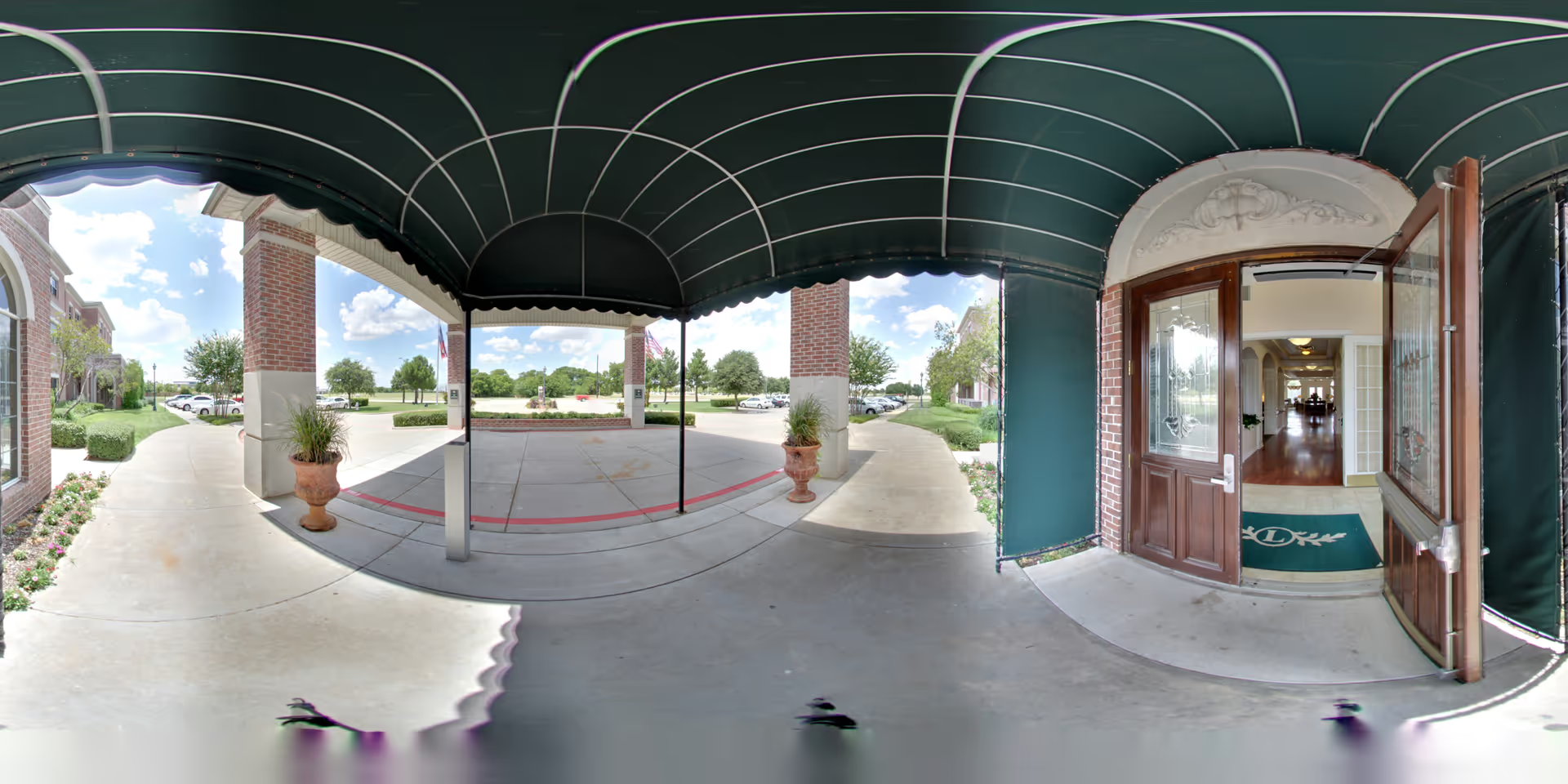
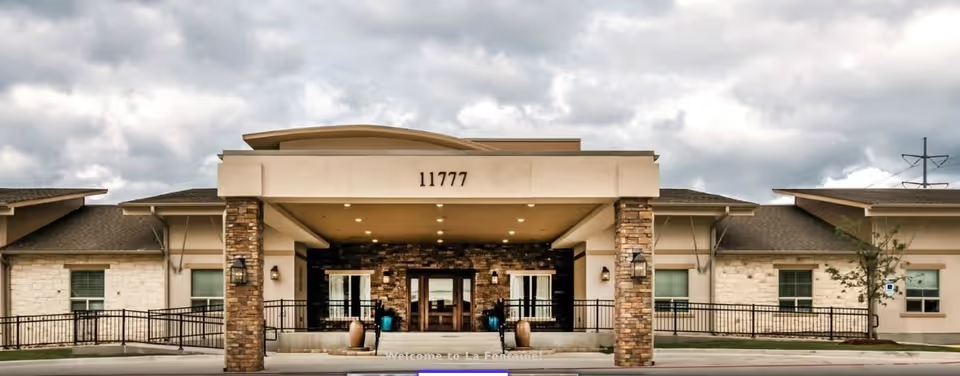
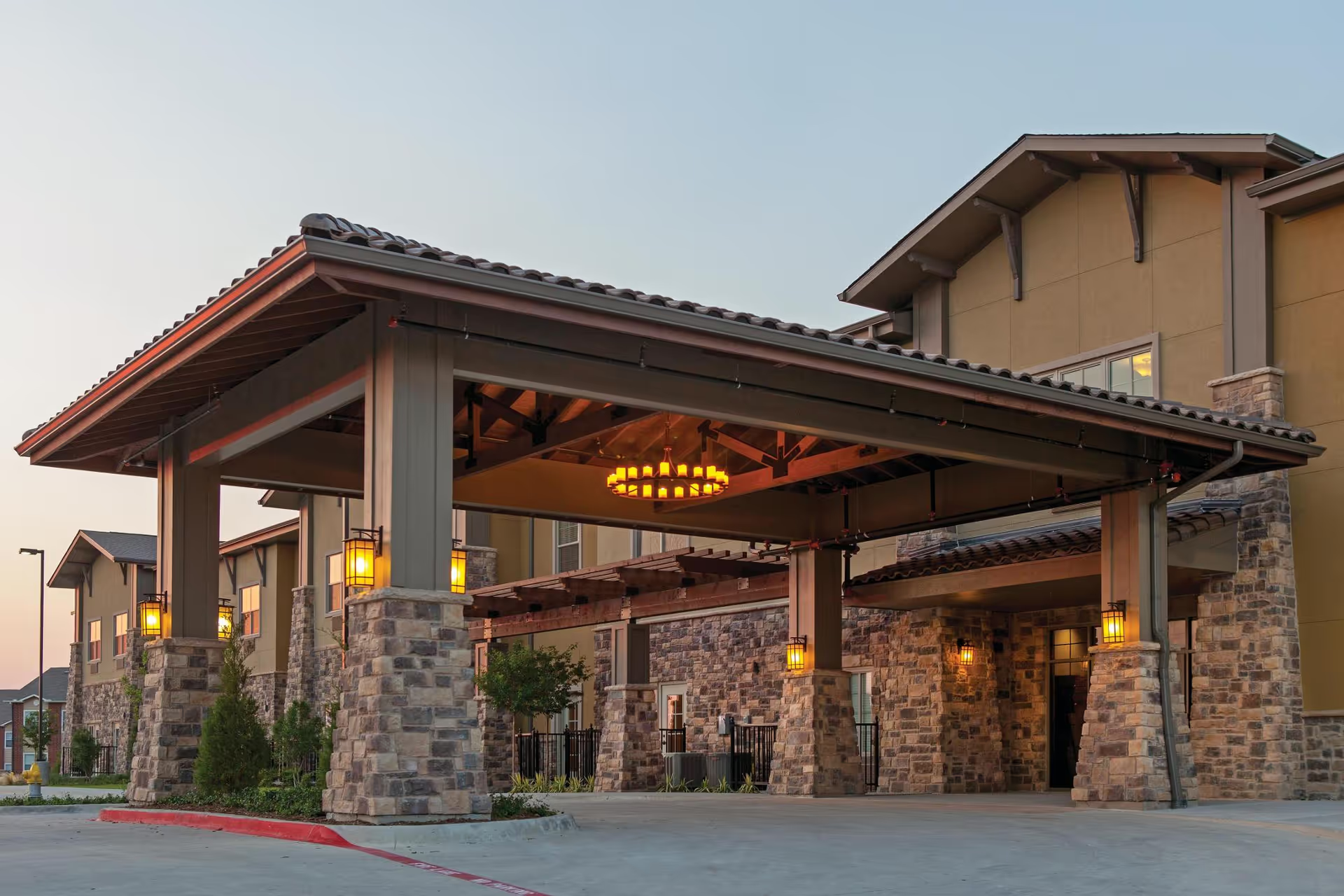
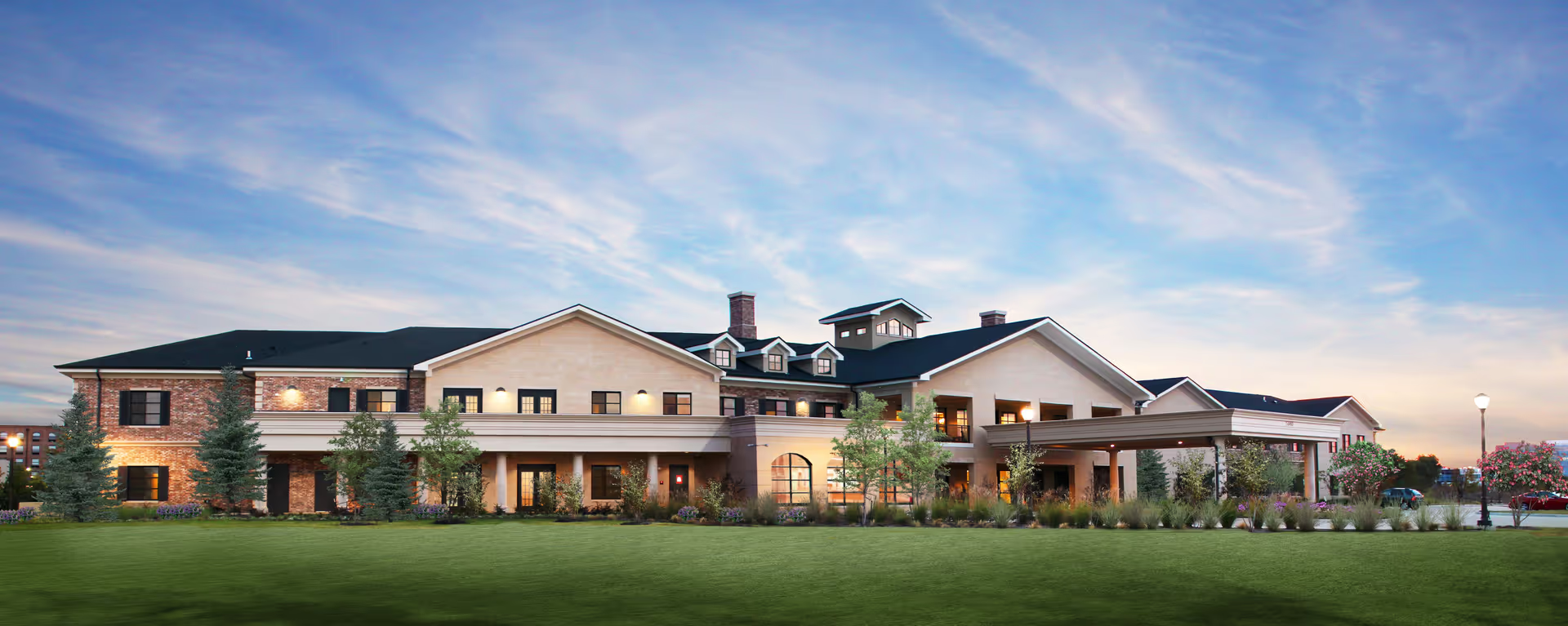
Reviewers present a mixed but consistent pattern of strengths and operational weaknesses at this facility. Positive comments concentrate on hands-on caregivers, therapy services, and the physical environment: many families and residents describe compassionate CNAs and nurses, frequent and effective rehabilitation therapy, a bright renovated building, pleasant common areas, and active social programming. Admissions and moving-in processes are repeatedly characterized as helpful and efficient, and hospice or end-of-life services received specific praise in multiple accounts.
Care quality is variable across reports. A portion of reviewers praise attentive daily care, successful therapy-driven progress, and consistent assistance with mobility and activities of daily living. In contrast, other accounts raise concerns about missed or delayed basic-care tasks (bathing, feeding support, toileting assistance), inconsistent clinical escalation, and medication-management practices that families found problematic. These divergent experiences suggest uneven performance between shifts or units rather than uniformly high or low clinical quality.
Staffing and management feedback is similarly mixed. Many reviews single out individual staff and managers as responsive, compassionate, and proactive (admissions coordinators and several named clinicians were frequently commended). At the same time, reviewers describe inconsistent staffing levels, frequent use of temporary agency nurses, limited after-hours clinical coverage, and occasions when management communication or tone was experienced as defensive. Family communication and coordination with outside physicians were noted as areas with inconsistent follow-through.
Dining, housekeeping, and facility upkeep receive both praise and criticism. Several reviewers commend housekeeping for cleanliness and a pleasant facility scent, timely meal delivery, and tidy common spaces. Others report uneven laundry processes, room dampness or mustiness in areas, cold or inconsistent meal quality, and limited menu choices. These comments indicate variability in environmental services performance across time or units.
Activities and therapy are overall strengths: many residents engage in a variety of programs, field trips, and scheduled events, and therapy services are often described as intensive and outcome-focused (frequent PT/OT/speech sessions). A common critique is that programming can become repetitive or lacks monthly refreshment for long-term residents, suggesting opportunities to broaden activity offerings or rotate new content more regularly.
Safety, equipment, and administrative processes present recurring operational themes that prospective families should evaluate directly. Concerns include slow response times to call lights, equipment maintenance and transfer-safety gaps, inconsistent supervision during off hours, and occasional vulnerabilities around billing and account transactions. COVID-related staffing strain and visitation limits were also referenced as contributors to operational stress in some accounts.
In summary, Victoria Gardens of Frisco displays a combination of clear strengths—particularly in interpersonal caregiving, rehabilitation services, and physical environment—and recurring operational inconsistencies that affect families' experiences. Prospective residents and their families would benefit from targeted questions during a visit: verify current staffing levels by shift, inquire about use of agency nurses, observe call-response times, review medication- and nutrition-management protocols, ask about laundry and housekeeping schedules, and attend an activity or meal. Those steps can help determine whether the facility’s strengths align with an individual resident’s priorities and clinical needs.