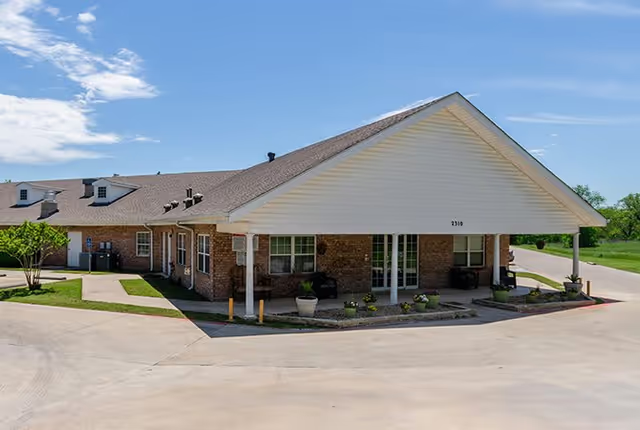
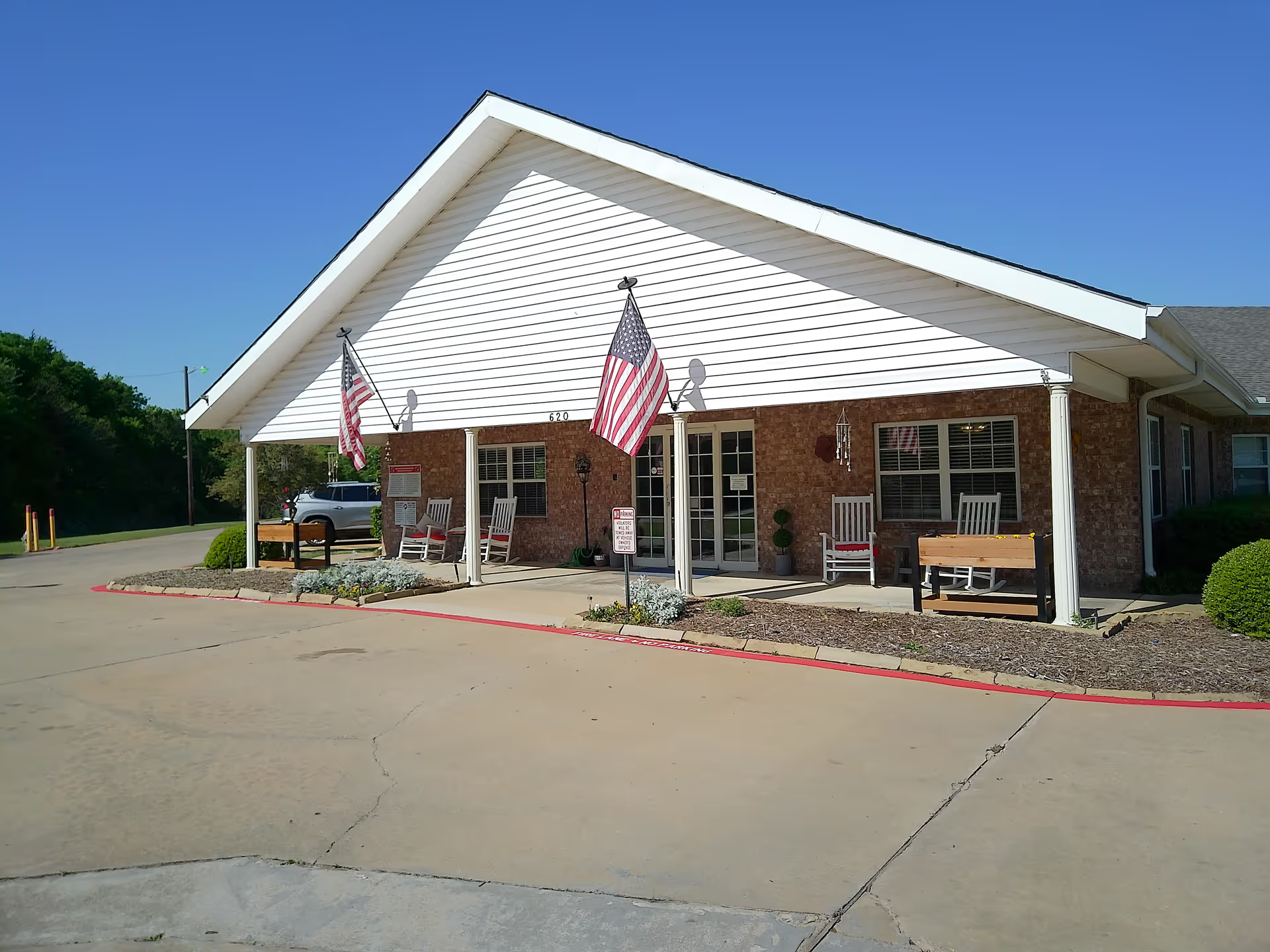
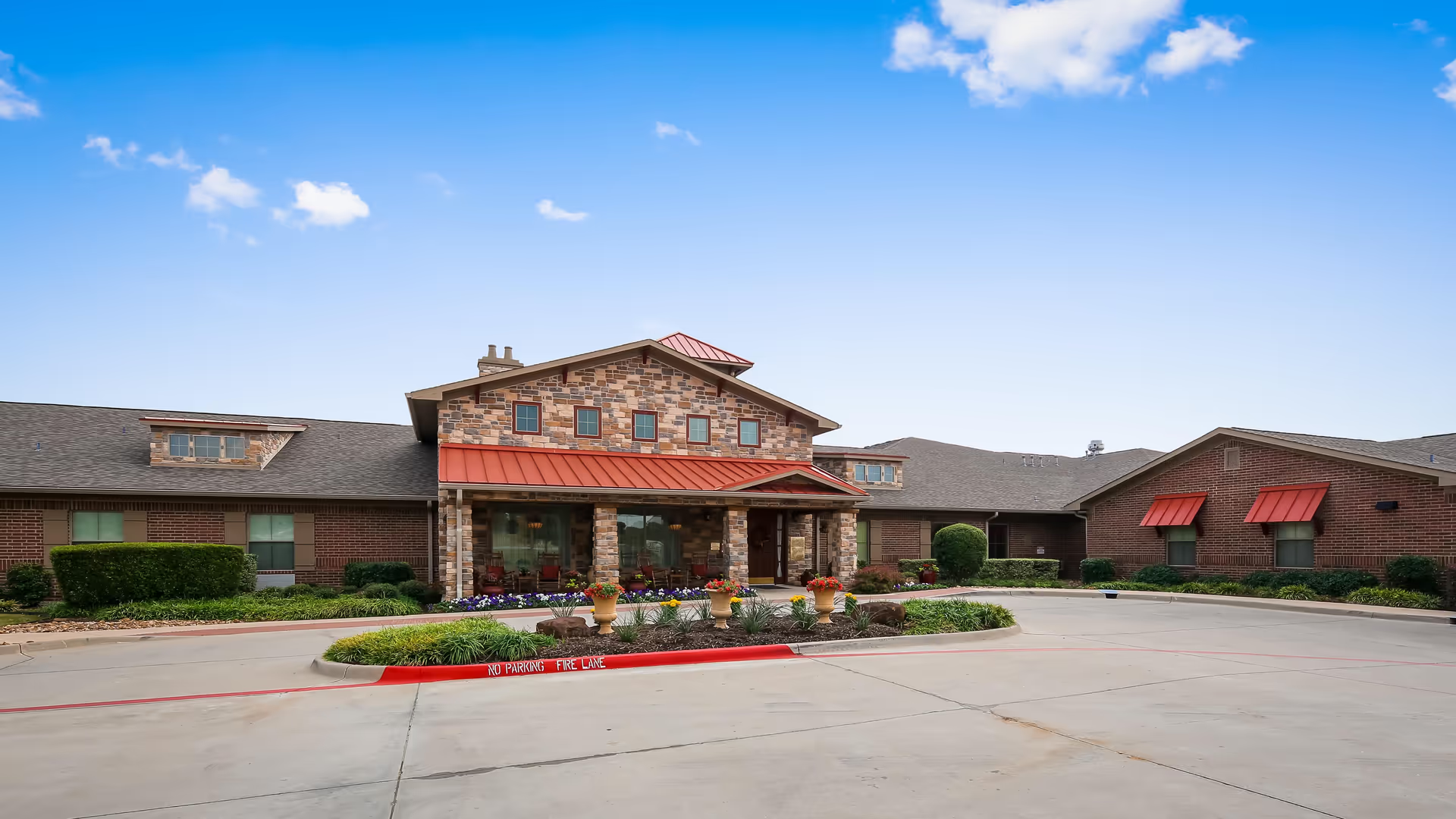
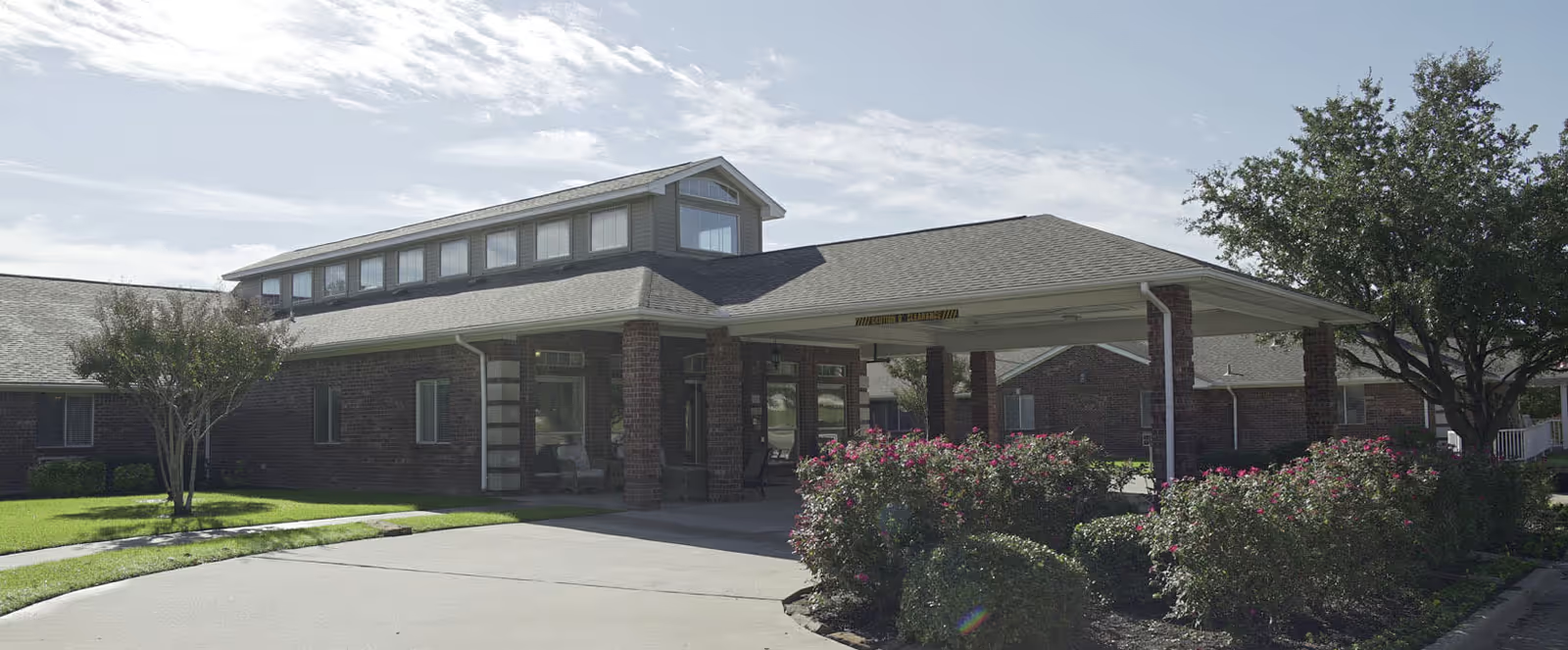
Pecan Tree Rehab and Healthcare Center elicits a broad mix of positive experiences and serious operational concerns. Many reviews emphasize strengths in rehabilitative services, day-shift efficiency, and a warm, family-style culture: therapy staff (physical, occupational and speech) are frequently described as effective, hospice support is regarded as compassionate, and housekeeping and maintenance receive consistent praise. The facility is often characterized as welcoming, with an active activities program that includes arts and crafts, bingo, worship services, and pre-COVID outings. Several reviewers also highlighted a centralized nursing desk and long-tenured staff as contributors to continuity of care.
Care quality shows a divided pattern. On the positive side, rehabilitation outcomes and restorative-care services are repeatedly cited as strong points, and many families reported good follow-up and attentive aides and nurses. In contrast, a subset of reviews raised serious clinical concerns, including inconsistent wound-care practices and medication-management lapses (for example, abrupt discontinuation of medications). These accounts suggest gaps in clinical escalation, infection-prevention adherence, and timely medication reconciliation. Given the seriousness of these types of concerns, prospective families should inquire specifically about wound-care protocols, medication reconciliation procedures, and clinical escalation pathways during any tour or intake conversation.
Staffing and interpersonal interactions also present a mixed picture. Numerous comments praise compassionate, helpful caregivers and individual staff members who go beyond expectations. However, other accounts point to staffing instability, perceived burnout, and variability in responsiveness—issues that can affect timeliness of toileting/incontinence care, assistance with transfers and dressing, and general attentiveness. Leadership changes and administrative problems (including discharge coordination delays and billing/reimbursement follow-through) were also mentioned; these administrative gaps can compound clinical and family-communication frustrations when they occur.
Dining and nutrition received varied feedback. Some families appreciated meal variety and on-site beverage/snack options, while others expressed concerns about the appropriateness of meals for specialized diets (for example, diabetic meal composition and carbohydrate control). Pain-management delays and medication-timing issues were also reported to affect resident comfort at times.
Facility and operational observations include generally well-maintained common areas and ongoing remodeling in parts of the building, balanced against reports of odor concerns in some areas, small or crowded resident rooms, and lapses in laundry and personal-belongings accountability. A few reviews included allegations of missing items or inconsistent return of clothing, which points to an operational area that may benefit from clearer processes and family communication. Noise and behavioral-disturbance management were raised as occasional quality-of-life concerns for residents on certain units.
In summary, Pecan Tree demonstrates clear strengths in therapy, hospice support, and a caring culture among many front-line staff, making it a reasonable option for restorative and end-of-life services. At the same time, recurring themes around wound care, medication management, staffing consistency, cleanliness/odor control, laundry accountability, and administrative communication warrant careful inquiry by families. Recommended next steps for prospective residents and families include touring the unit(s) where the resident would live, asking for written protocols on wound care and medication reconciliation, reviewing staffing levels and turnover, confirming discharge and billing procedures, and requesting references from recent family contacts when possible.