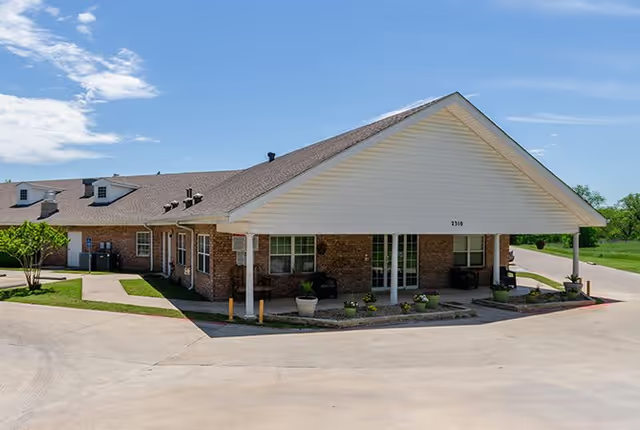
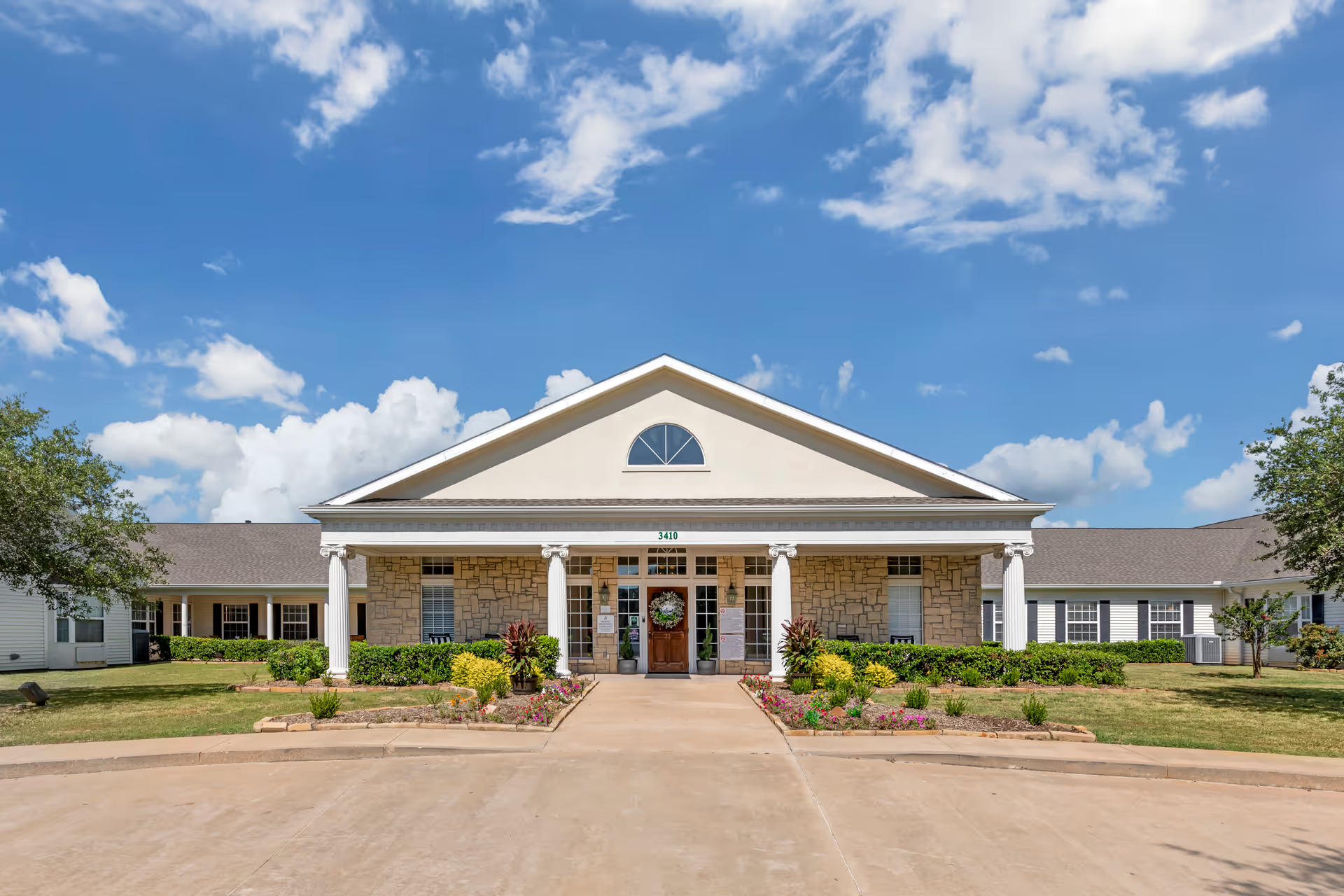
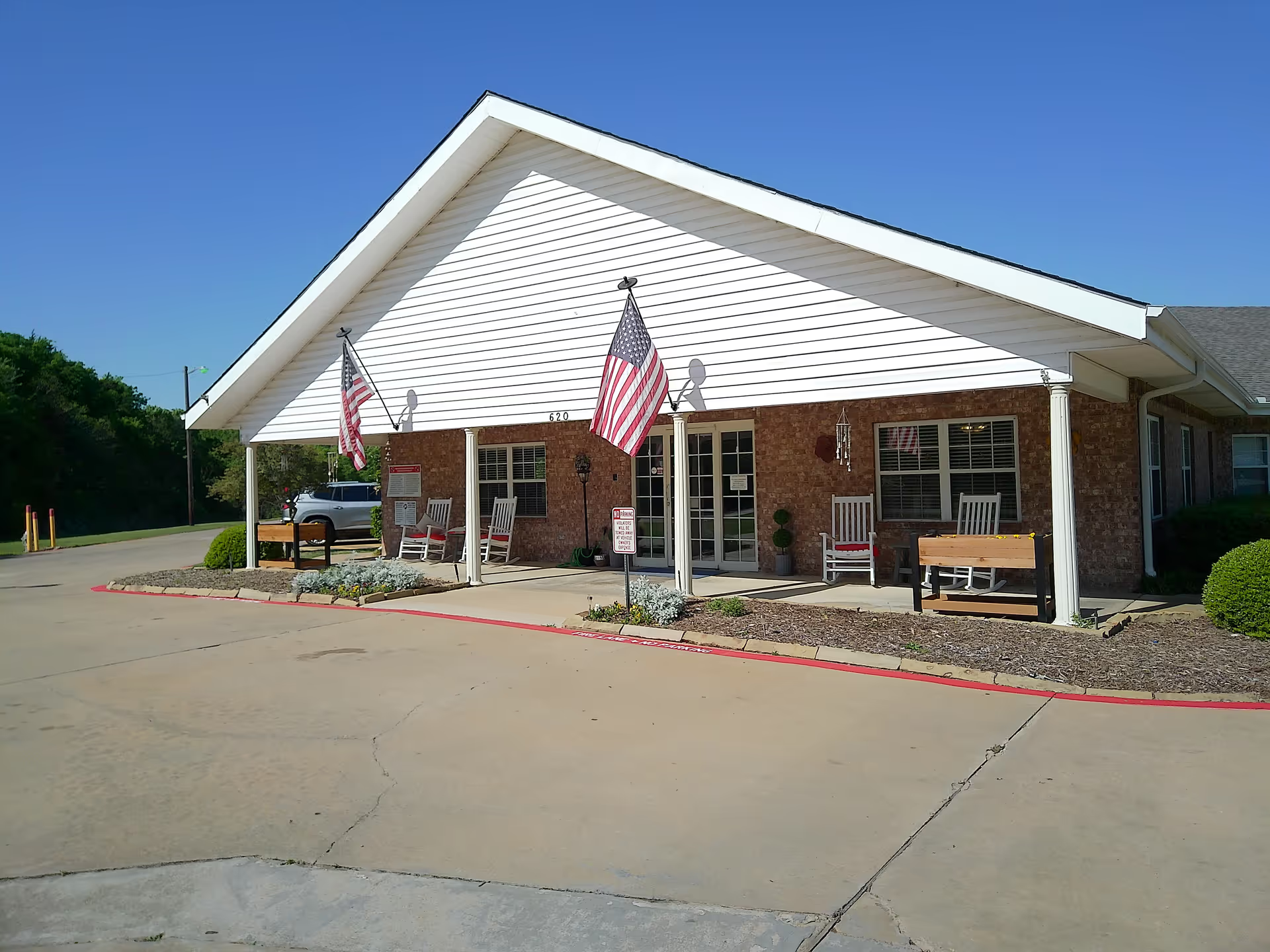
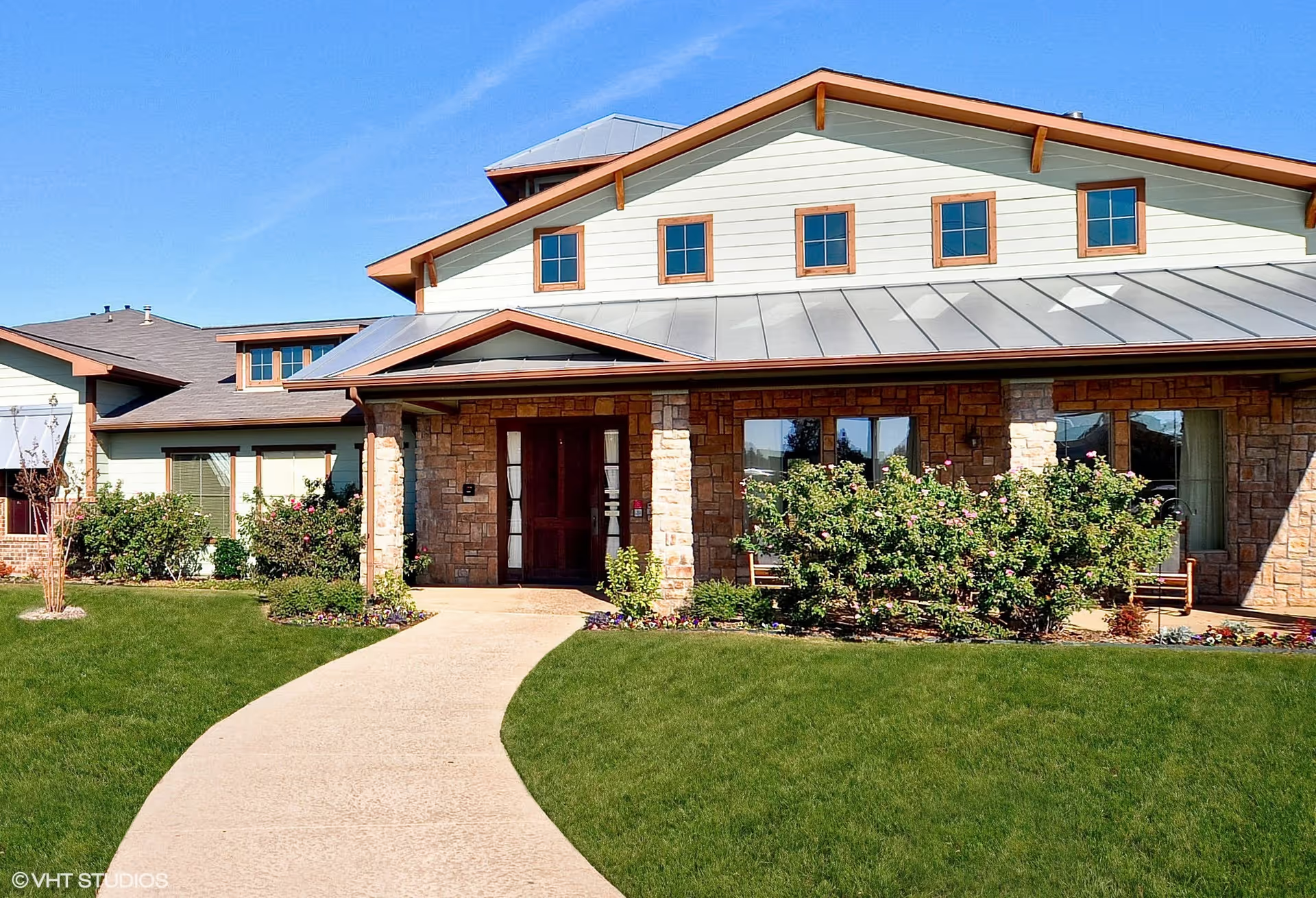
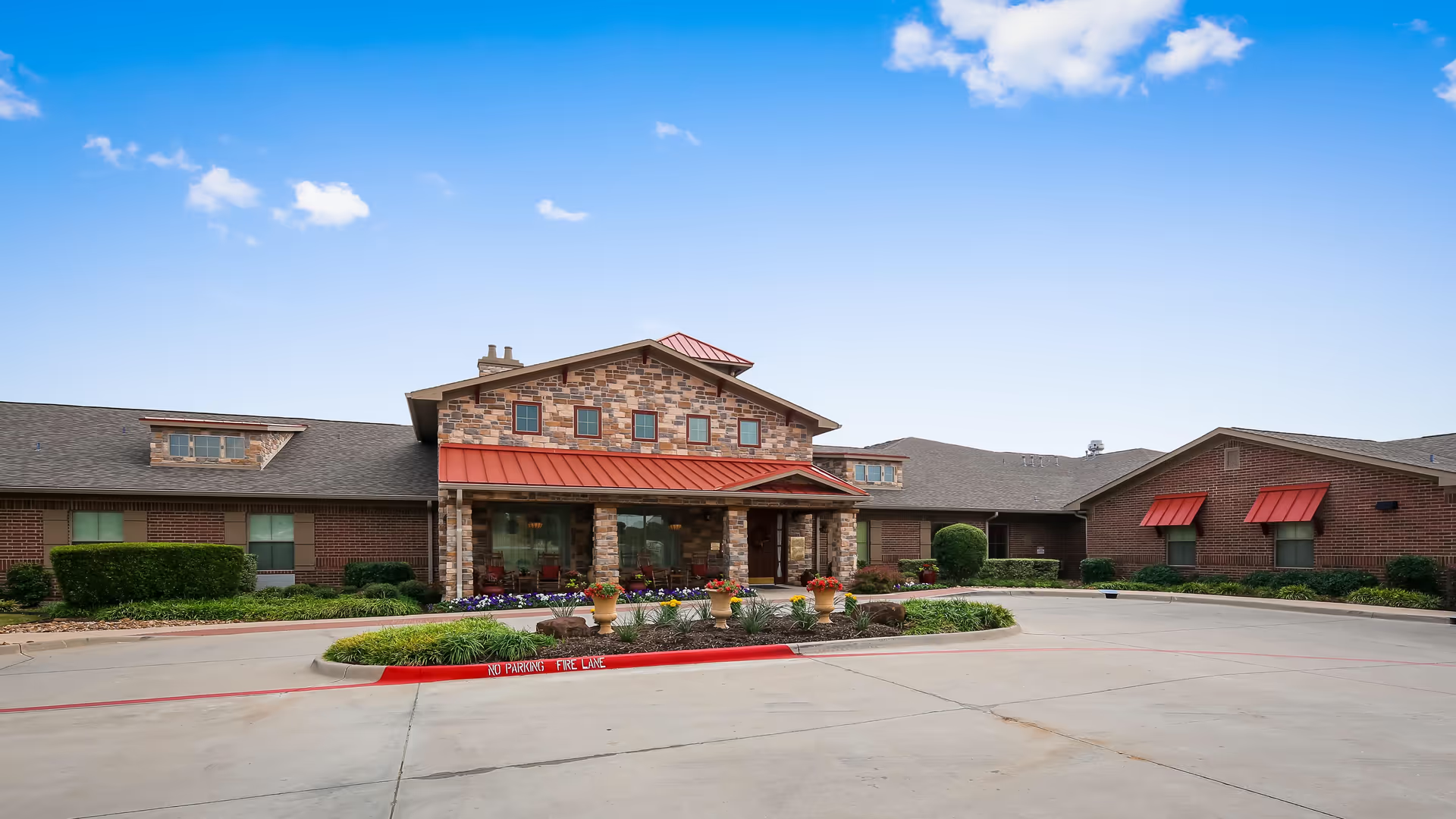
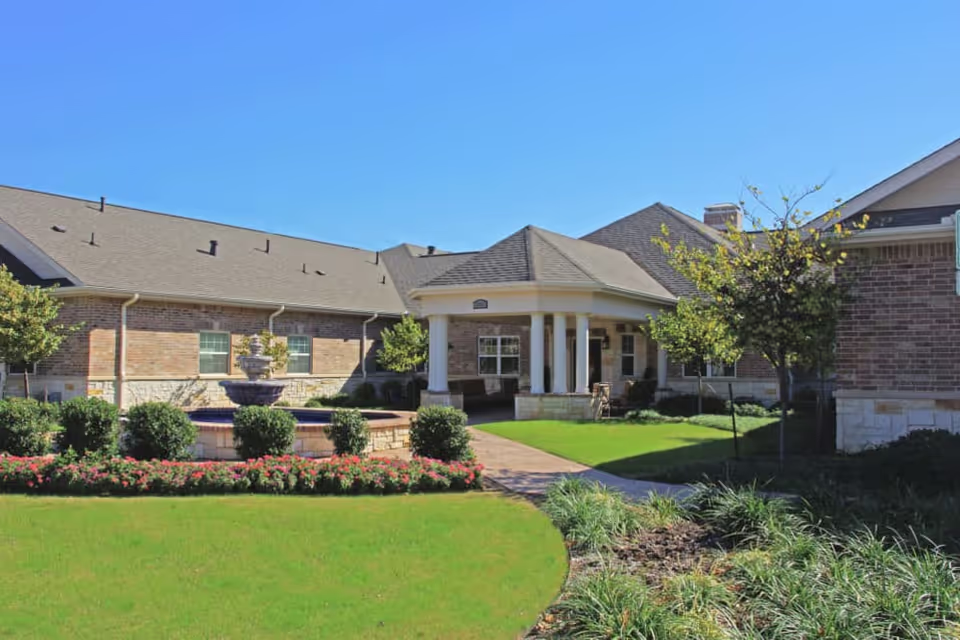
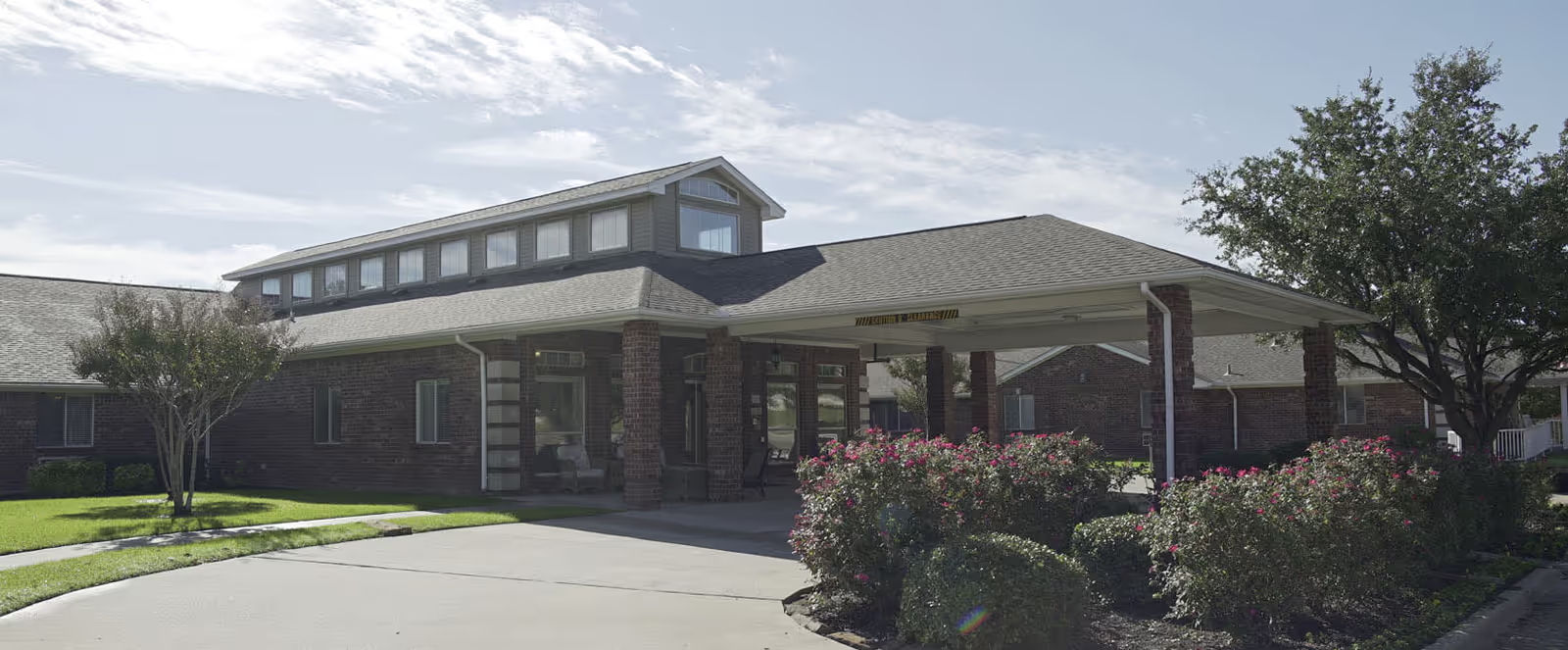
Wesley House is described overall as a newer, well‑maintained assisted- and memory-care community with many features families find attractive. Multiple comments emphasize the facility’s bright, open design, a designated memory-care neighborhood with enhanced safety features, and secure outdoor space. Reviewers commonly note clean common areas and pleasant resident rooms, and several families highlighted on-site visiting medical providers and family-friendly visitation and events as practical conveniences.
Care and staff received frequent praise for compassion and responsiveness. Caregivers, nursing staff, and leadership were often described as attentive and willing to address individual needs; examples cited include management personally addressing issues and an administrator who is highly accessible to families. That said, there are recurring operational contrasts: some reviewers described inconsistent staff conduct or variability in professionalism, and there are mentions of assessments not always being completed on schedule. These items suggest strengths in individualized attention but room for improvement in standardized clinical follow-up and staffing consistency.
Dining and nourishment are generally positioned as a positive element of life at the community, with several families noting residents enjoy meals, and event-style offerings such as nightly movies with popcorn and communal activities enhancing mealtimes. However, meal quality perceptions are mixed—while many praise the food and presentation, others characterize the food negatively—indicating variability in culinary satisfaction or expectations.
Activity programming is broad, including music, exercise, crafts, movies, outings (bowling, fishing), yoga, and faith-based opportunities. The facility appears active with social events and family-inclusive celebrations. A notable pattern is a gap in accessibility of some activities: reviewers specifically asked for more programming tailored to residents with visual impairment, and a few families felt certain residents were not consistently engaged. This suggests a robust calendar overall but uneven accessibility for residents with differing abilities or preferences.
Management and culture receive positive marks for responsiveness and personal involvement, which many families found reassuring. Conversely, there are concerns about cost and perceived inequities: some reviewers indicated the community is expensive for their budget, and a serious concern was raised about differential treatment tied to resident financial status. Those comments point to a need for transparent pricing communication and consistent enforcement of equitable care practices.
In summary, Wesley House appears to offer a modern, clean environment with many programmatic and clinical strengths — especially in hands-on leadership, family engagement, and a varied activities schedule. Prospective residents and families should weigh these positives against noted operational issues: possible variability in staff professionalism, occasional lapses in scheduled assessments, mixed dining impressions, activity accessibility for visually impaired residents, and cost considerations. A recommended approach for interested families is to tour the memory-care neighborhood, ask for examples of activity adaptations for sensory impairments, request documentation on assessment schedules and staffing consistency, and discuss contractual/fee structures to clarify affordability and expectations for equitable treatment.