Overall sentiment in the provided reviews is strongly positive about the day-to-day care environment, staff, cleanliness, and clinical/therapy services at Garrison Nursing Home Inc., but there is a consistent and significant concern about an admissions or care-exclusion policy that affects wound-care patients and may be driven by rating considerations.
Care quality and clinical services: Reviewers repeatedly praise the facility for good clinical care and especially for therapy services. Several comments explicitly say the facility is "highly recommend[ed] for therapy/clinical needs," and others refer to "good care." This pattern suggests that clinical staff and therapy programs are seen as competent and effective by multiple reviewers, and that the facility is relied upon for rehabilitation and clinical support.
Staff and resident experience: The most frequent positive theme is staff behavior and attentiveness. Reviews use terms like "wonderful staff," "caring," "supportive," "helpful," and "friendly," and note that residents are "well taken care of." That consistency indicates a strong culture of hands-on, compassionate caregiving and positive interpersonal interactions between staff and residents or families.
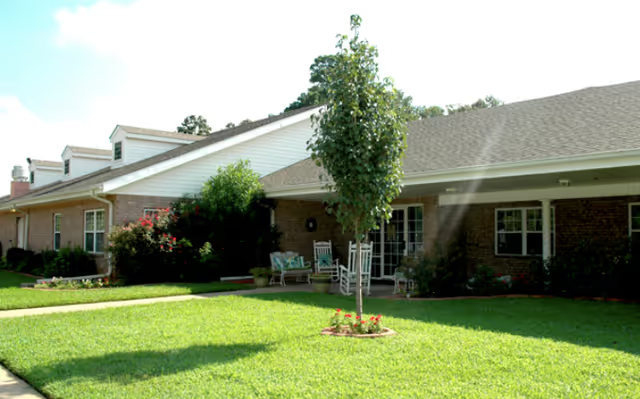
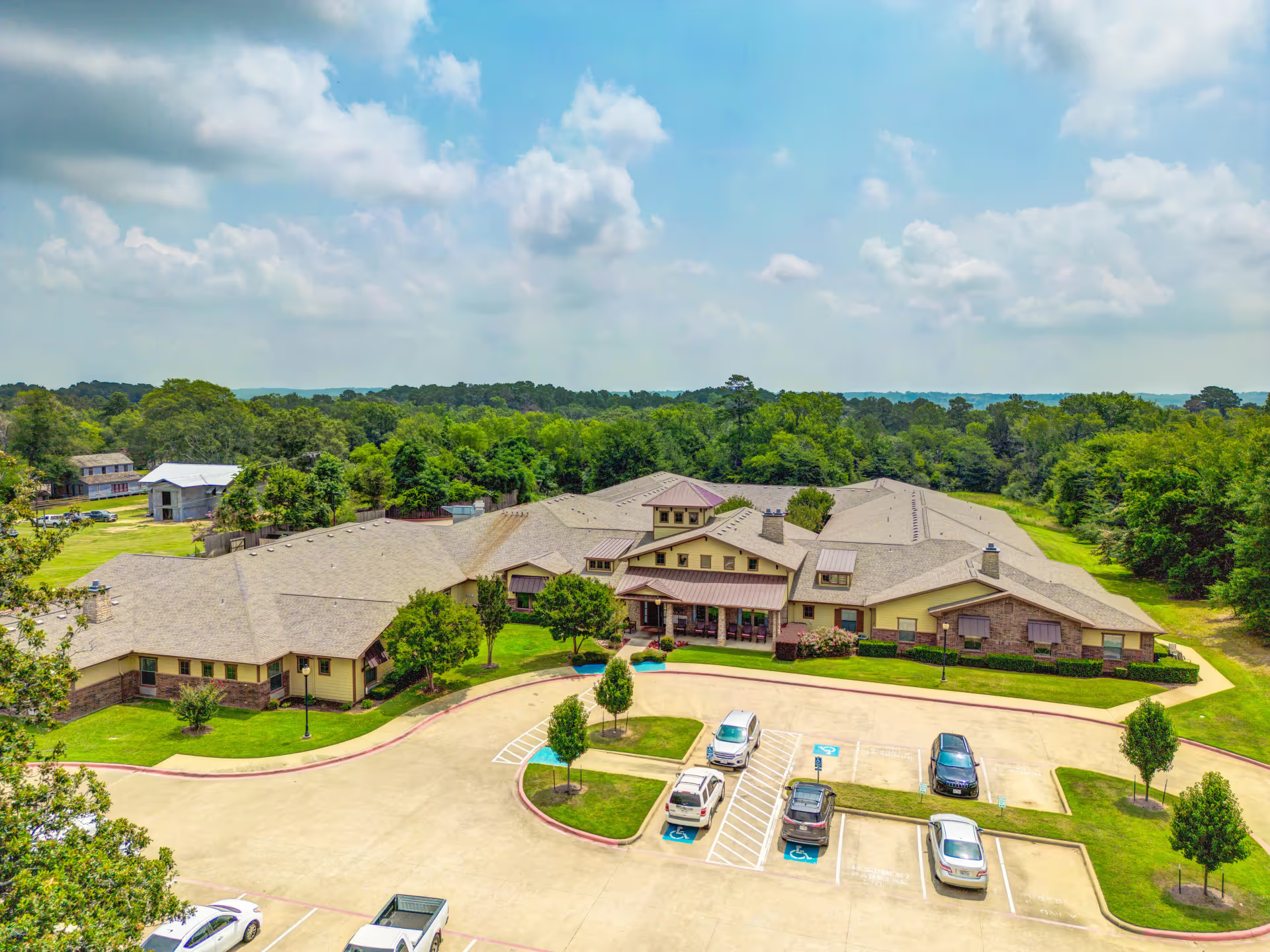
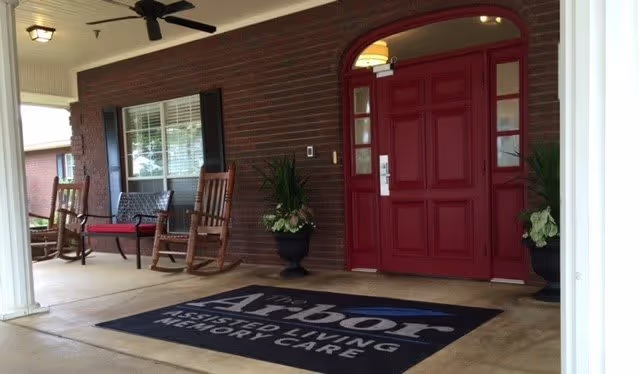
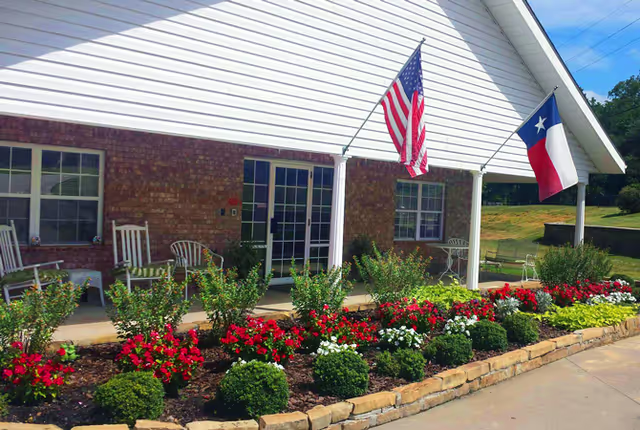
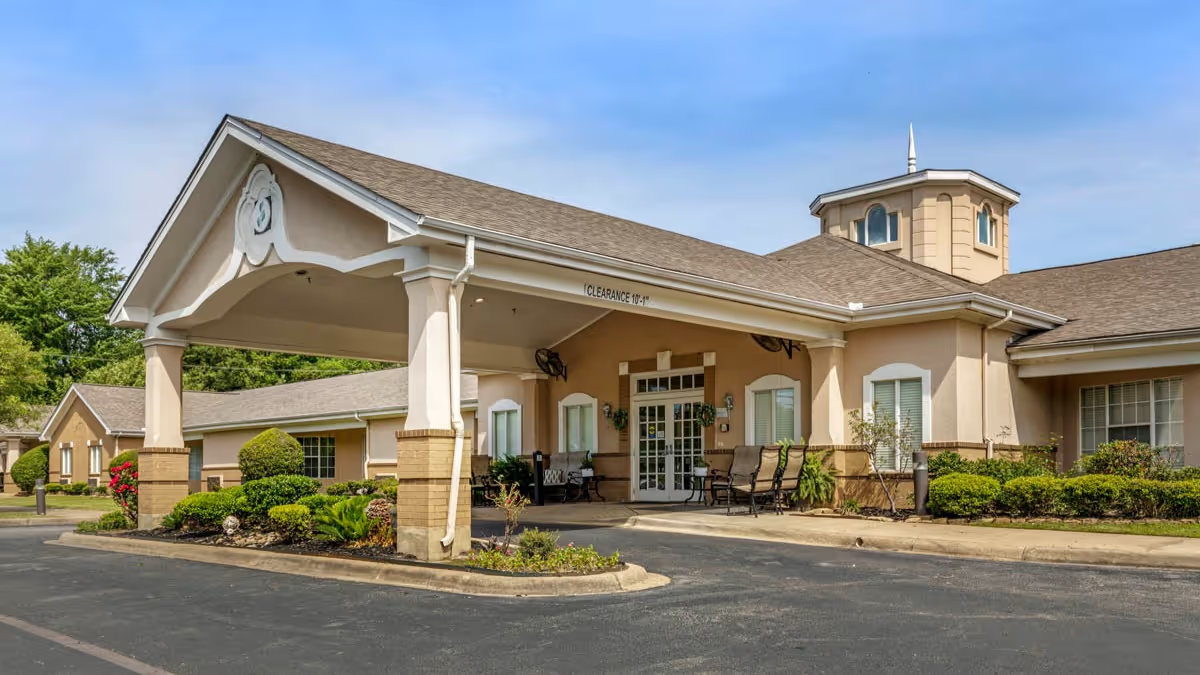
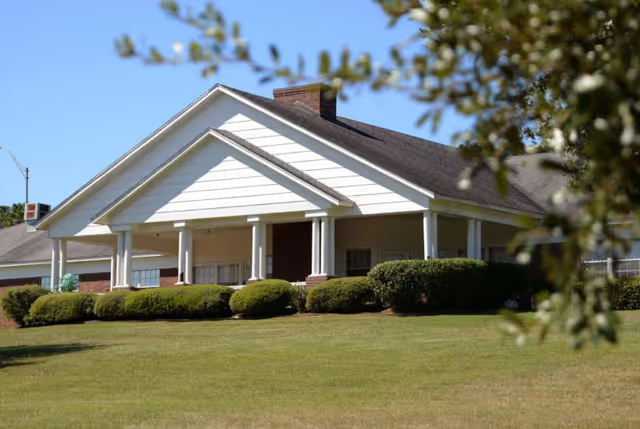
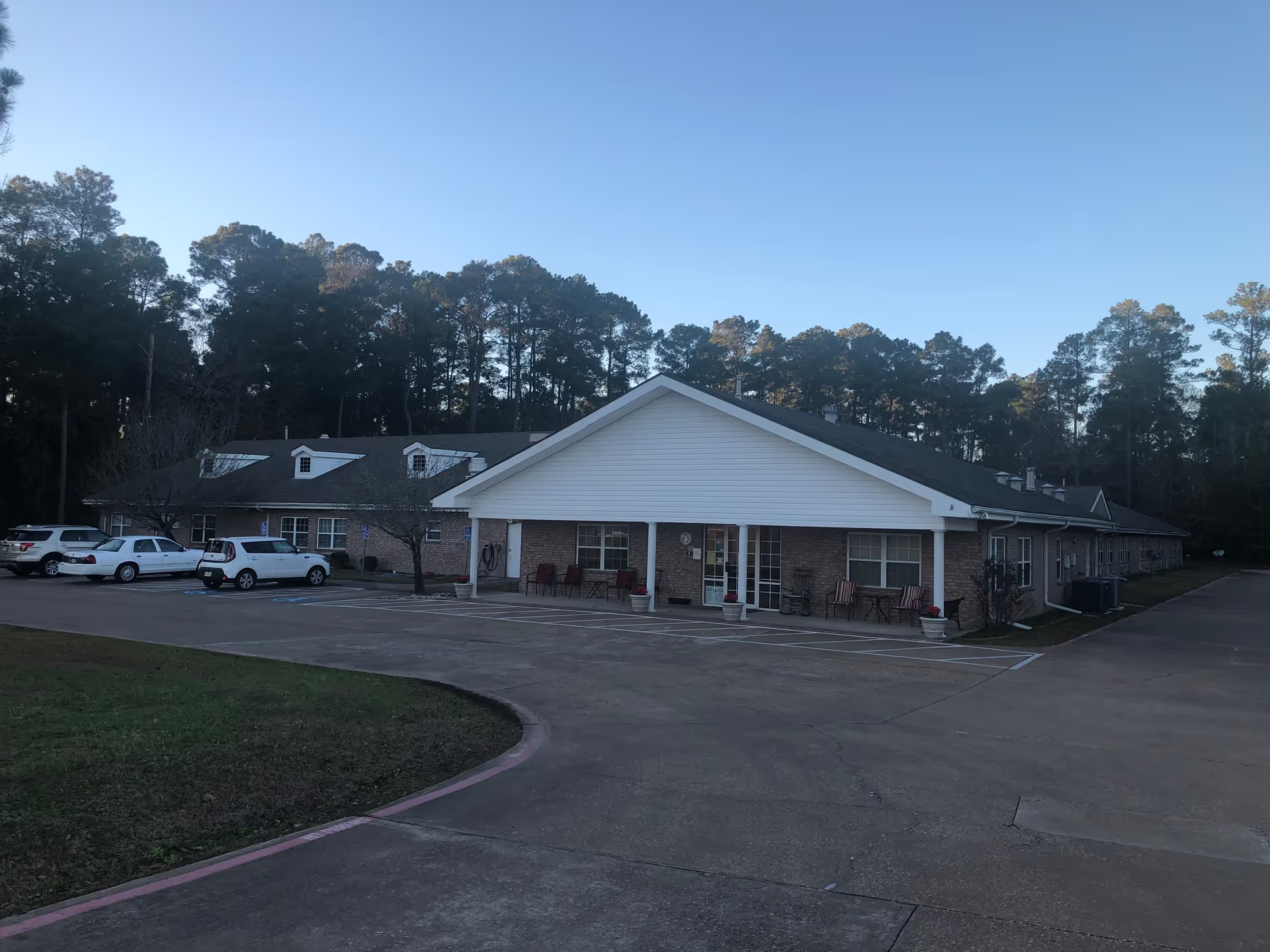
Facilities and cleanliness: The facility is described as "beautiful" and "very clean" in multiple reviews. These comments point to well-maintained physical spaces and a presentable environment, which supports both resident comfort and family impressions.
Services, dining, and activities: Reviews explicitly mention a "many services" offering and emphasize therapy/clinical strengths. However, reviewers do not provide specific details about dining quality, recreational activities, or social programming. The absence of comments on dining and activities in these summaries means there is no reliable signal—positive or negative—about those aspects from this set of reviews.
Management, admission practices, and compliance concerns: The single most salient negative thread relates to admission or care exclusion policies. Several summaries note that the facility "excludes wound-care patients," and that this is tied to a "rating-driven policy." Reviewers explicitly raise concerns about the ethical implications of such a policy and state that it "contradicts state guidelines." Together these points indicate reviewers perceive a practice of selective admissions or care that prioritizes institutional ratings or metrics over serving certain clinical needs. This is a material concern for families of residents who require wound care and raises questions about regulatory compliance and the facility's admissions criteria and decision-making processes.
Overall balance and implications: In aggregate, the reviews portray Garrison Nursing Home Inc. as a clean, attractive facility with strong therapy/clinical services and a consistently praised, caring staff. Those positives make it a recommended choice for many families seeking quality rehabilitation or general nursing care. At the same time, the repeated concerns about exclusion of wound-care patients, reportedly rating-driven policies, and potential contradiction with state guidelines are serious and specific negatives that could materially affect access to care for certain patients. Prospective residents and family members should weigh the strong clinical and staff positives against these policy concerns and should directly ask facility leadership about admission criteria, wound-care capabilities, and how the facility aligns its practices with state regulatory requirements.
Limitations: This analysis is based only on the provided review summaries. The summaries contain repeated praise for staff, cleanliness, and therapy but limited detail on areas such as dining, activities, long-term quality outcomes, or operational responsiveness. Likewise, the criticisms focus narrowly on admission/care-exclusion policies; the exact prevalence, formal policy language, or any corrective actions are not reported here. For a comprehensive evaluation, interested parties should seek full reviews, official facility policy documents, and verification from state regulatory sources.