Overall care quality at this facility shows a blend of clear strengths and operational weaknesses. Clinical rehabilitation services are a consistent positive: reviewers described effective physical and occupational therapy and credited the team with measurable progress. Families also highlighted successful discharge planning and a generally smooth transition home when that was the goal. End‑of‑life and short‑stay comfort care were described as compassionate and calming, with staff creating a stress‑free environment for visits and final days.
Staff performance appears mixed. Many interactions are characterized as kind, accommodating, and attentive; several accounts emphasize individualized, loving care and staff willingness to adapt meals and routines to resident preferences. However, there are recurrent accounts of inconsistent responsiveness and occasional curt or unhelpful communication from some staff members. These differences in tone and timeliness of attention can affect family confidence and perceived reliability of everyday care.
Operationally, reviews point to systemic gaps that management should address. Mobility assistance and transfer procedures were noted as inconsistent, and there were examples indicating that assistive equipment setup and handoff documentation were not always completed reliably. Those patterns raise safety‑related questions about how the facility ensures consistent practice across shifts. While no regulatory conclusions are drawn here, the pattern suggests a need for clearer protocols, consistent staff training, and stronger supervision of transfer and equipment workflows.
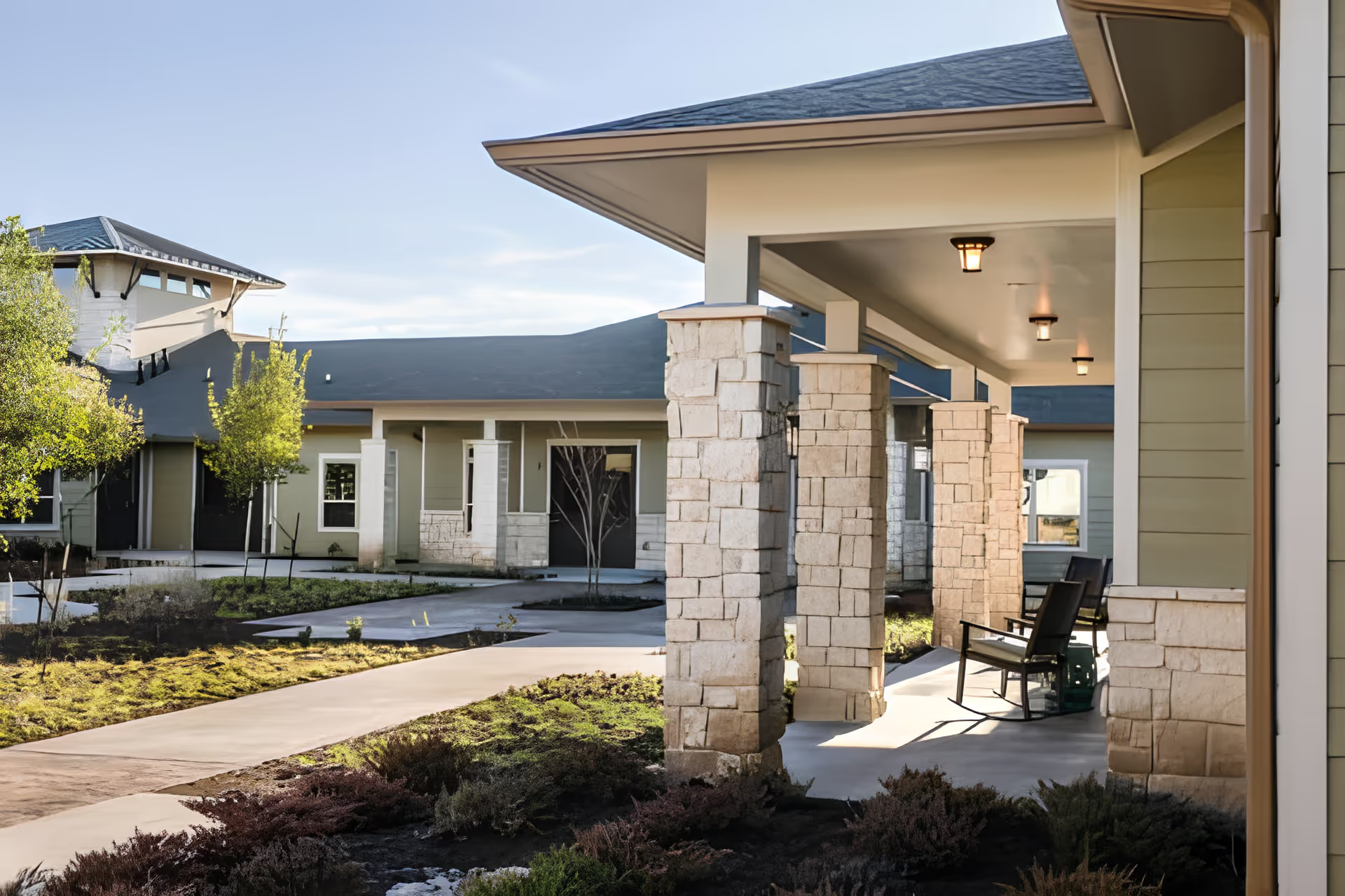
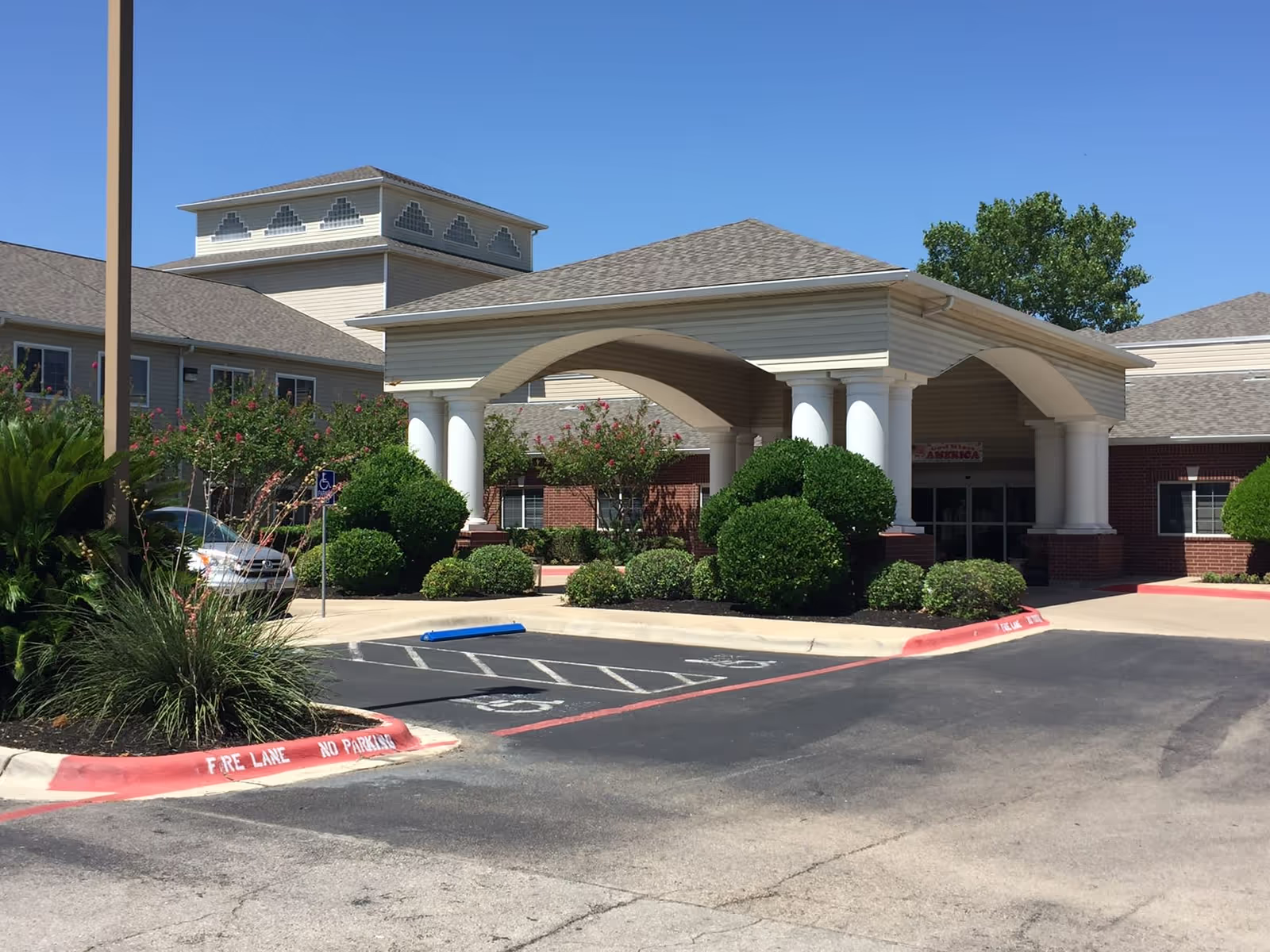
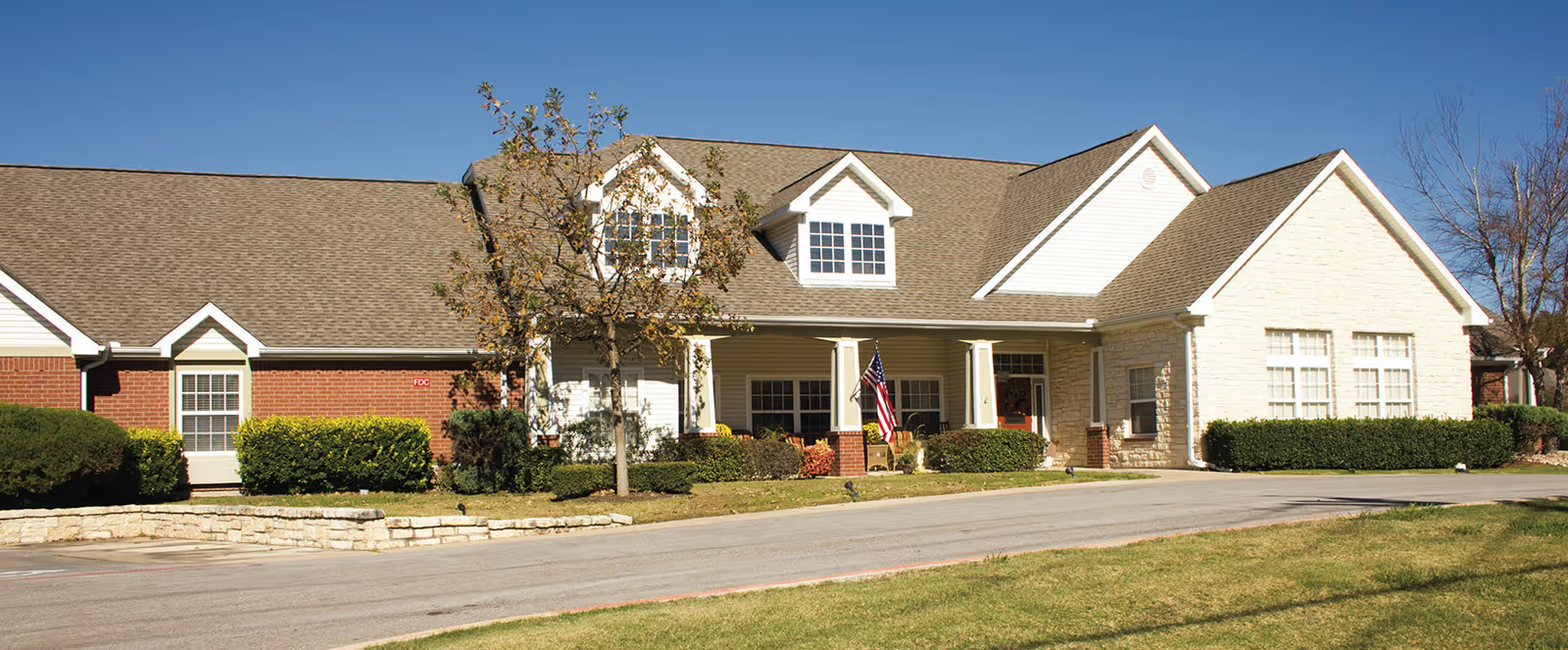
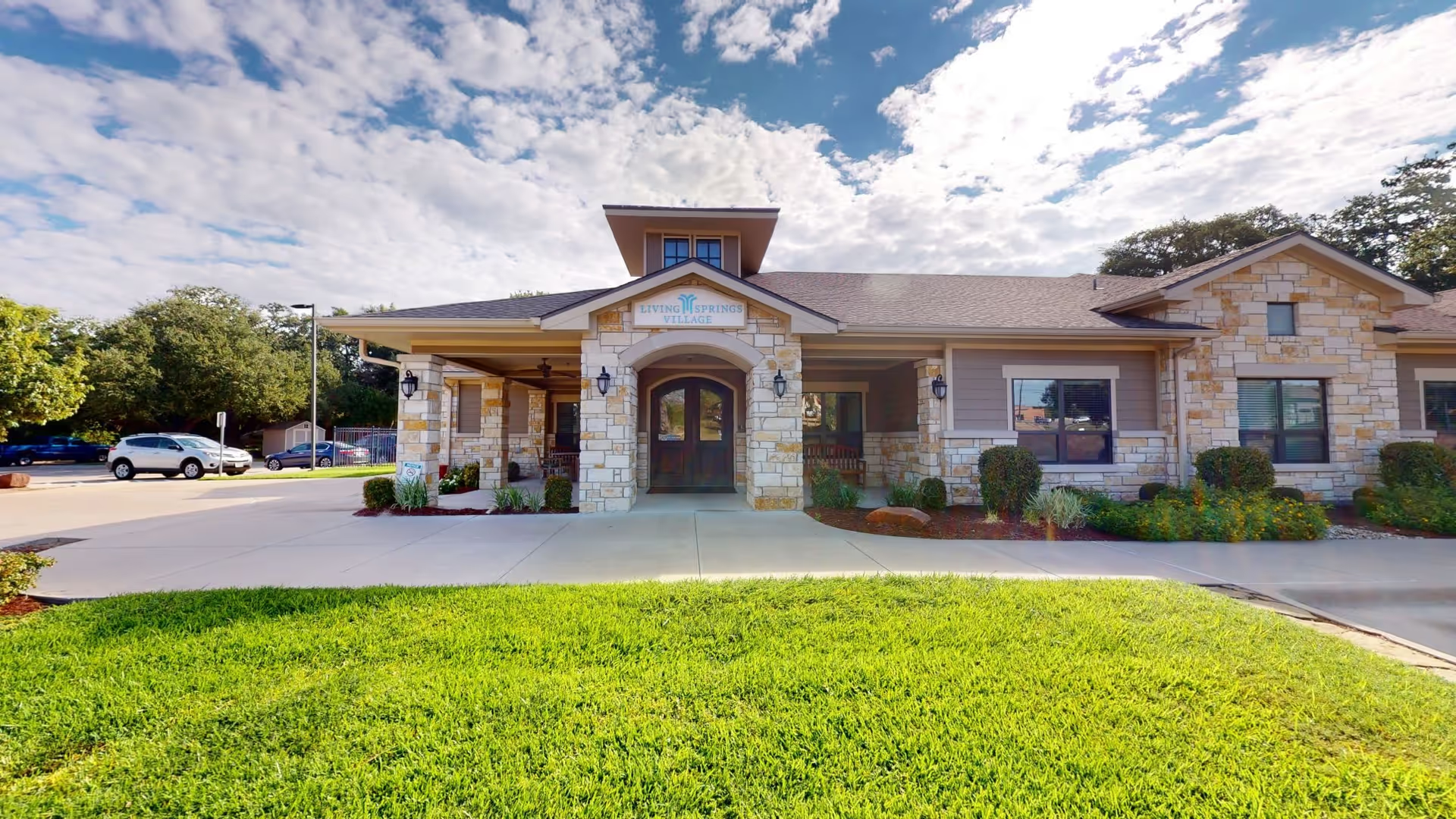
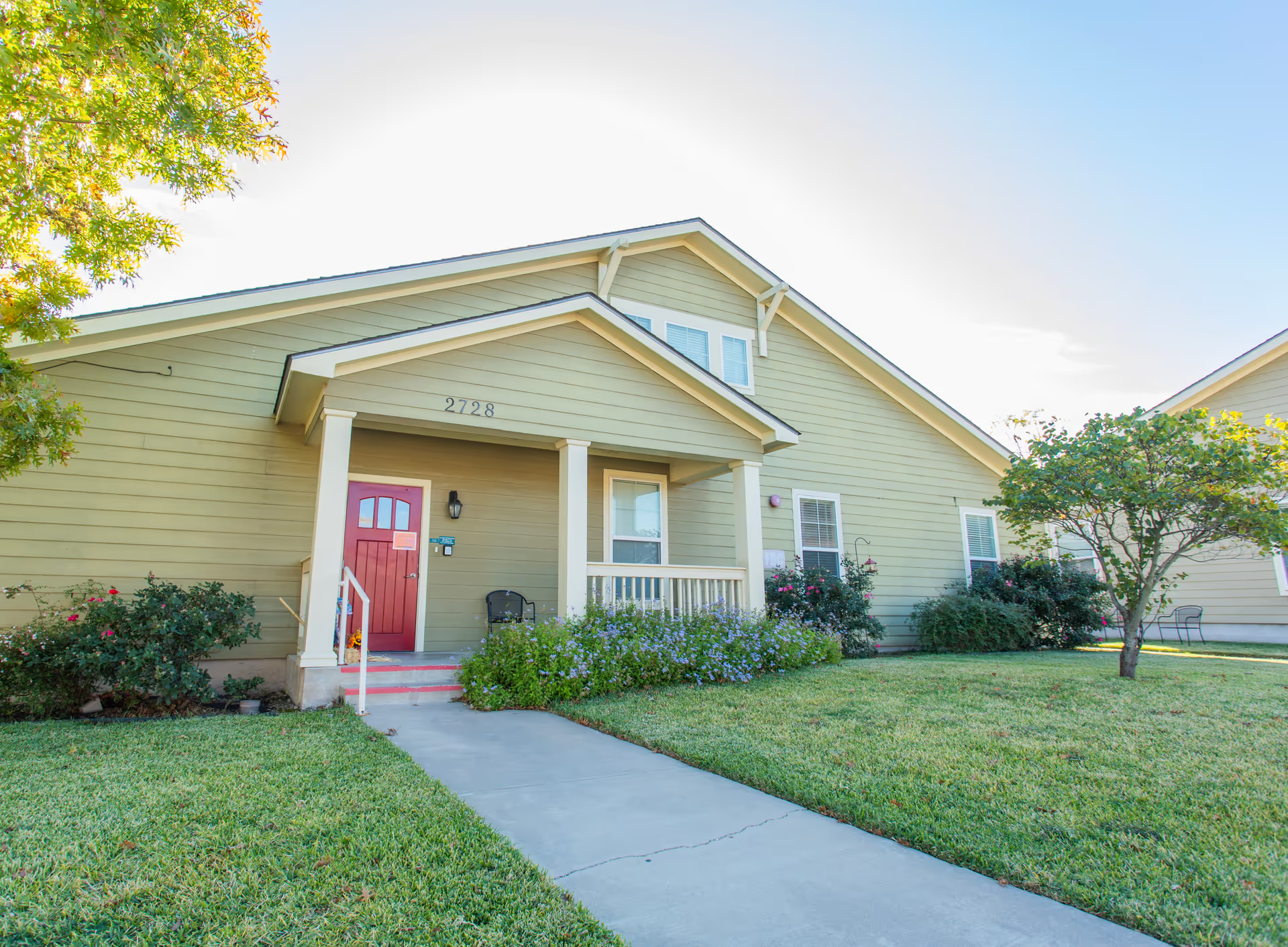
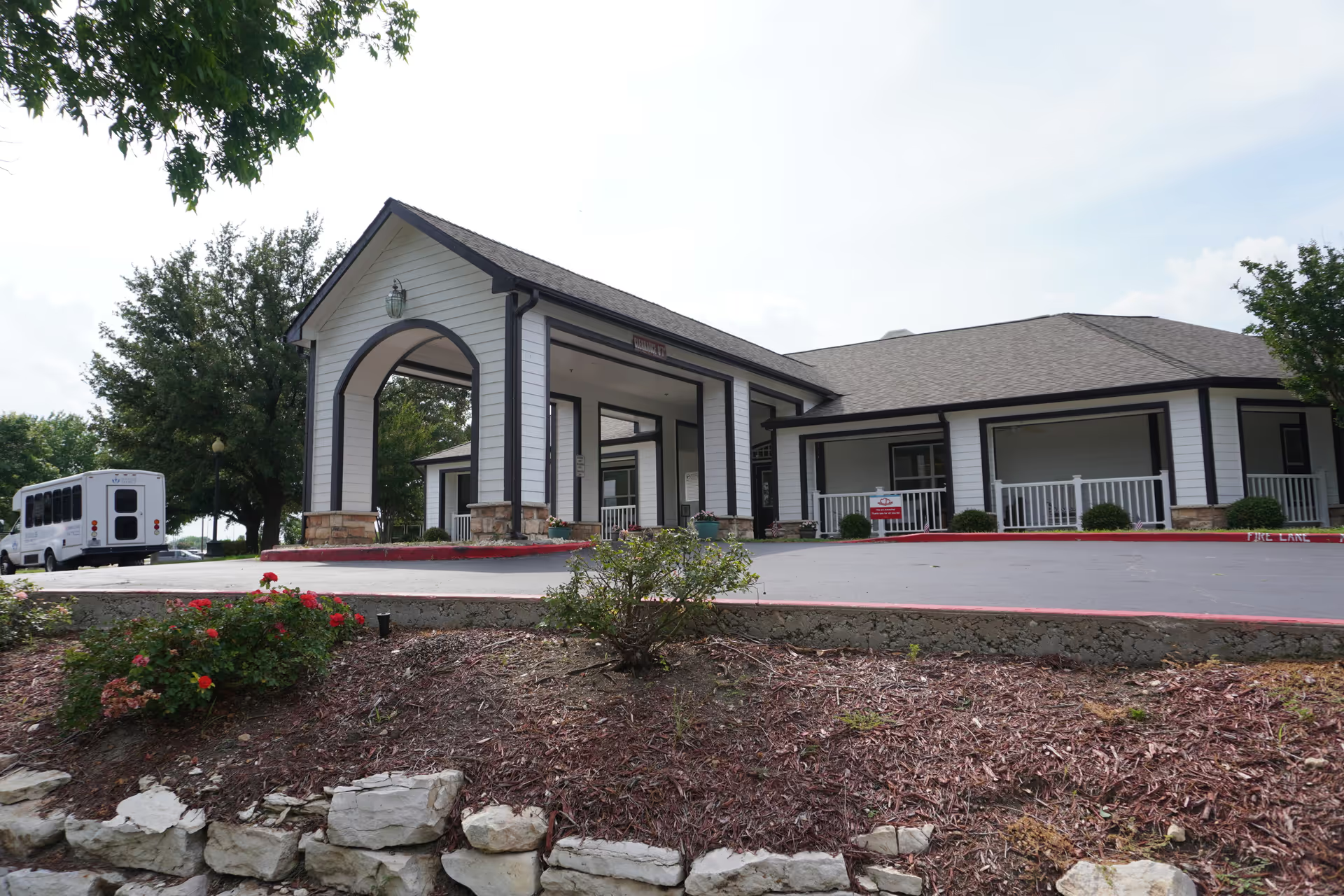
Dining and physical environment are relative strengths. The kitchen is described as willing to make accommodations for selective eaters, and rooms are characterized as nicely appointed and comfortable. The overall atmosphere is often described as calming, which contributed positively to family visits and to perceptions of dignified end‑of‑life care.
Notable patterns for prospective residents and families: expect effective therapy services and a comfortable environment, and anticipate individualized attention in many interactions. At the same time, inquire specifically about staff responsiveness measures, mobility‑assistance protocols, equipment setup and handoff procedures, and what supervisory checks the facility uses to ensure consistent practice across shifts. These operational clarifications can help families align expectations with the facility’s demonstrated strengths and address the areas where reviewers identified variability.