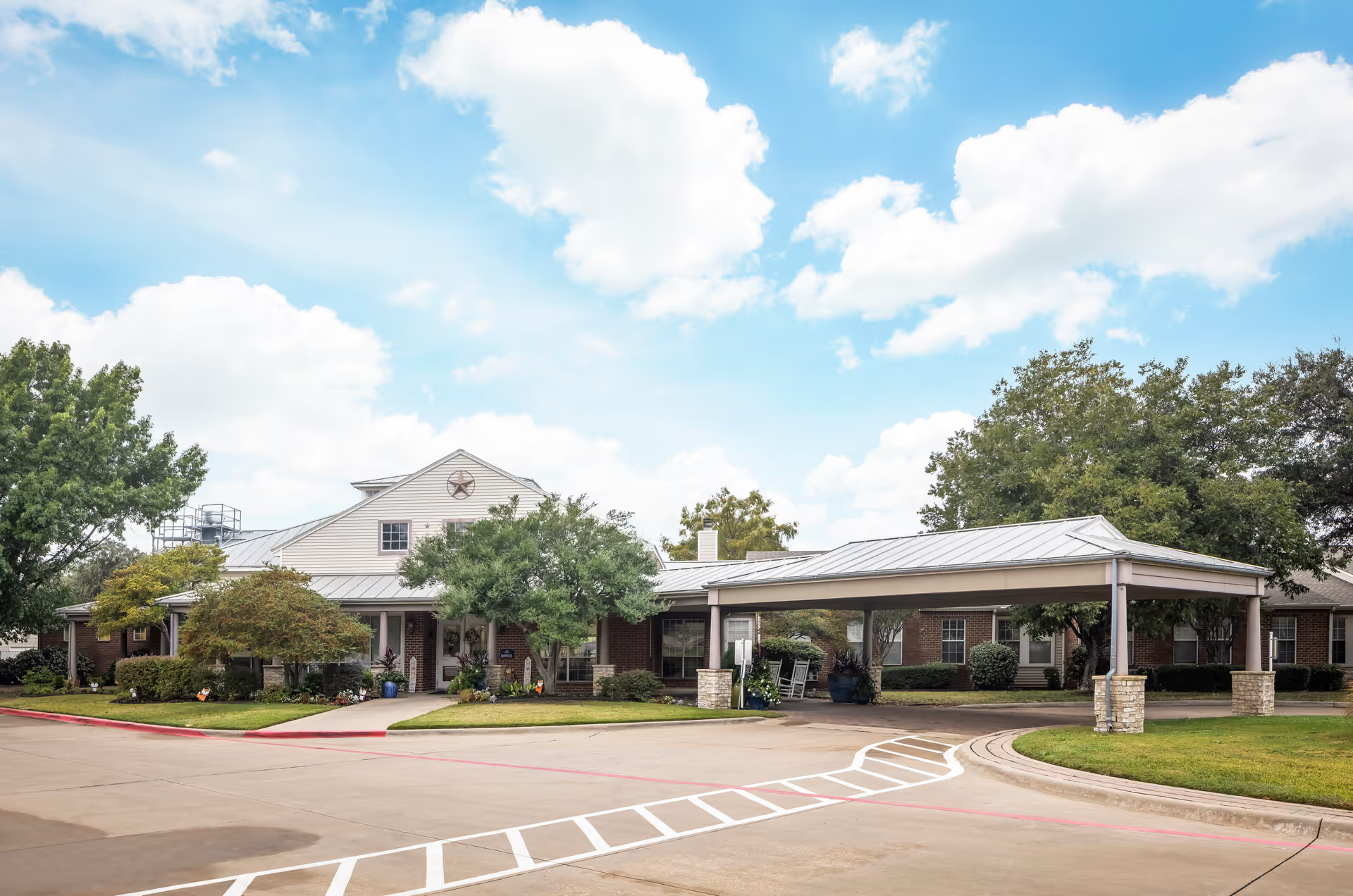
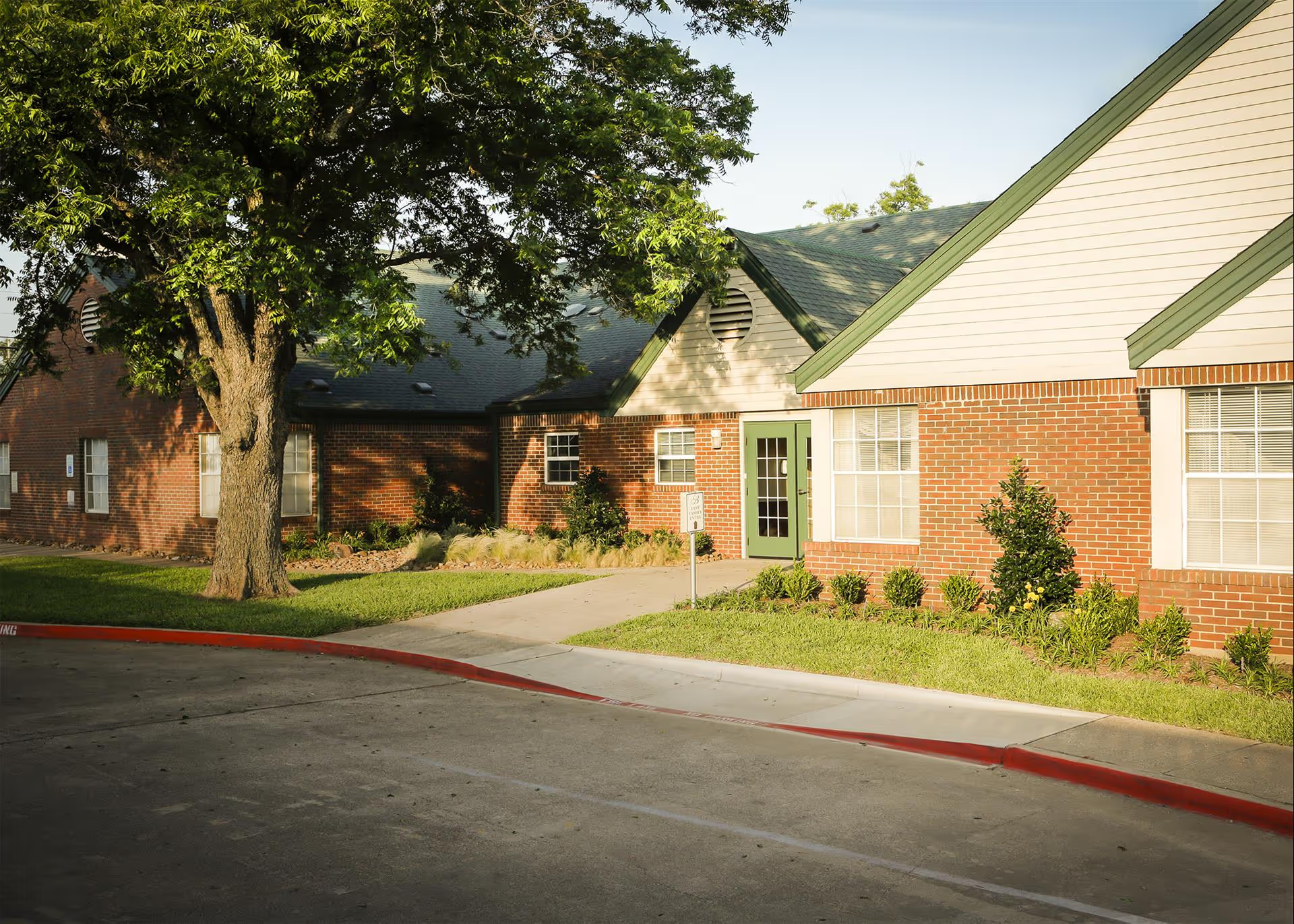
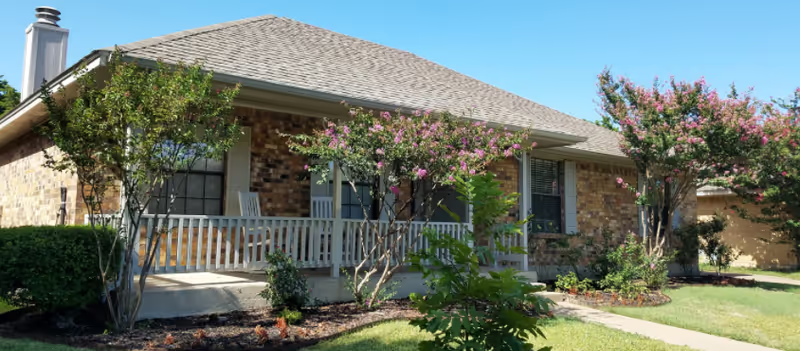
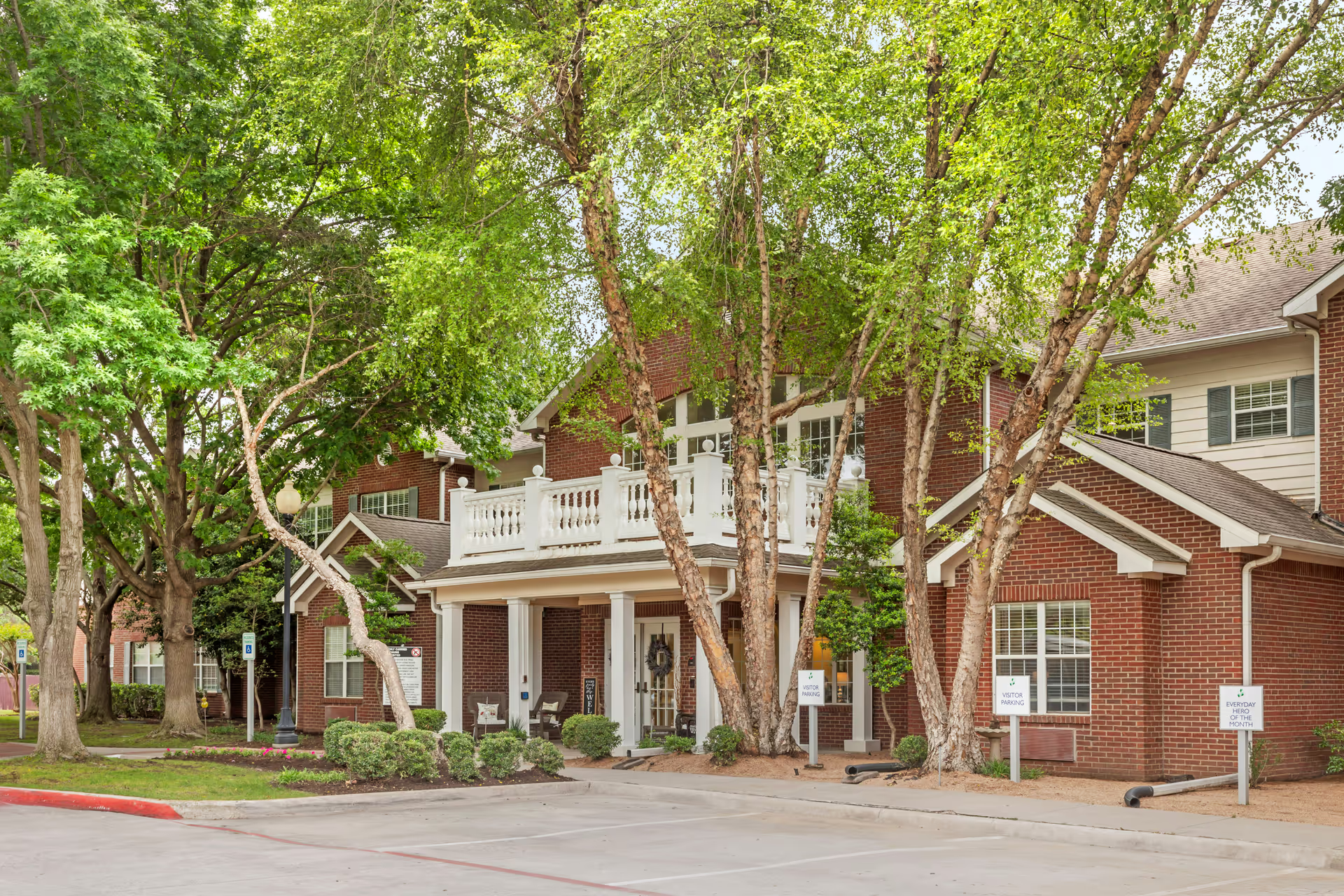
Overview: Reviews for this facility are notably polarized. Many families and visitors describe highly positive experiences—highlighting compassionate nursing, effective rehabilitation therapy that helped residents regain independence, responsive leadership, and well-maintained, home‑like areas. At the same time, a significant set of reviews raise serious operational and quality-of-care concerns. The pattern suggests meaningful variation between units, shifts, and individual staff members rather than a uniformly consistent level of service.
Care and staff: Positive comments emphasize knowledgeable, attentive nurses and therapists who communicate well with families and support successful discharge goals. Rehabilitation services are frequently singled out for helping residents recover mobility and return home. Conversely, other reviews describe slow or absent responses to call signals, missed medication or documentation entries, and failures in clinical escalation. There are also recurring concerns about transfer technique and fall monitoring. Language and accent barriers are noted as interfering with some interactions. Taken together, the feedback points to uneven clinical performance with pockets of strong practice alongside operational gaps that affect resident safety and dignity.
Dining and housekeeping: Several reviewers praise nutritious meals, attentive kitchen staff, and strong housekeeping in parts of the building. However, there are repeated accounts of inconsistent meal quality and delayed or unattended tray service, missing snacks, and cold or stale items at times. Cleanliness and odor concerns are described as inconsistent across units—some areas are characterized as clean and odor-free while others are noted to have sanitation and pest-control issues. These contrasts indicate variability in environmental services depending on unit or shift.
Activities and therapy: Therapy staff and activity programming receive positive remarks for engaging residents and supporting recovery. The facility hosts organized events and family-friendly activities that contribute to a home-like environment. At the same time, some long-stay residents and families describe limited programming in particular units (for example, minimal activities beyond basic options). Activity availability appears to vary by unit and staffing.
Facilities, safety, and personal property: Maintenance and support staff earn consistent praise for helpfulness and responsiveness. Yet reviews also raise concerns about property protection and privacy—allegations include missing personal items, issues around mail and financial safeguards, and problems with controlled-medication counts. Those are serious operational issues that prospective families should confirm are addressed by facility policies and recent audit results.
Management and administration: Leadership impressions are mixed. Many reviewers describe administrators and directors of nursing who are responsive, communicative, and proactive—particularly under newer management teams. Other families report unresolved disputes, poor complaint handling, and instances where administrative follow-up was inadequate. There are isolated but serious allegations concerning complaint resolution and retaliatory behavior; prospective families should review the facility’s complaint-history and regulatory survey results.
Notable patterns and guidance for families: The most consistent theme is variability: units and shifts within the same facility can offer very different experiences. For prospective residents and families, on-site assessment is essential. Recommended checks include visiting during different shifts (weekends and evenings), asking for staffing ratios and recent staffing audits, observing call-response times, reviewing medication-administration and narcotics-control procedures, asking about sanitation and pest-control logs, inquiring about fall-prevention and transfer protocols, and speaking directly with current residents or their families. Reviewing state inspection reports and asking management for corrective-action documentation will also help clarify whether operational weaknesses have been remediated. Overall, the facility shows examples of strong, resident-centered care alongside areas of operational risk that merit careful, unit-level evaluation before placement.