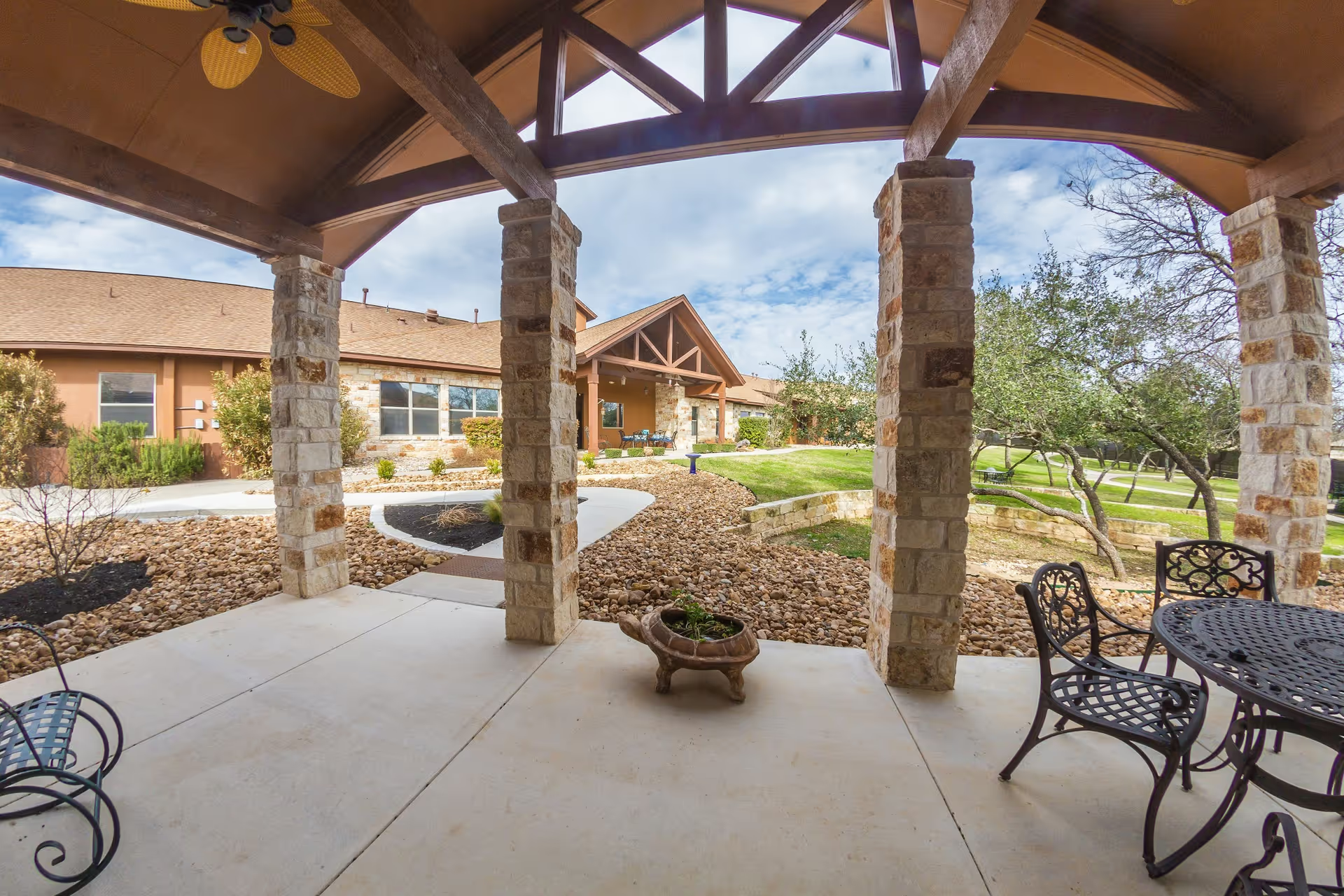
The body of feedback presents a strongly mixed picture of Harker Heights Nursing & Rehabilitation. Many families and visitors praised individual caregivers, therapy staff, and activity personnel for compassionate, hands-on attention, effective rehabilitation services, and programs that keep residents engaged. Multiple accounts highlight timely admissions support, a welcoming admissions team, on-site grooming services, a pleasant garden space, and secure entry procedures. Hospice and end-of-life offerings are also described as supportive and dignified by several families.
At the same time, there are recurrent operational concerns that affect perceived quality and safety. The most consistent themes are unstable staffing and turnover, delayed responses to call bells or urgent needs, and lapses in medication administration and documentation. These issues manifest as missed or delayed personal care (including inconsistent bathing and incontinence-care practices), delayed medication or pain-management actions, and examples of skin integrity problems consistent with gaps in routine care. Sanitation and odor-control are described as uneven across units, with some areas and periods identified as well maintained while others face persistent housekeeping and environmental-maintenance challenges.
Communication and management follow-up are other prominent patterns. Families describe both very responsive administrators and situations where concerns were not addressed in a timely or transparent way. There are repeated notes about poor coordination between nursing, administration, and third-party vendors, which can affect transitions of care, meal delivery, and specialized services. A small number of serious claims — including alleged theft and financial misconduct and lapses in discharge coordination — were raised and merit careful review by any prospective family.
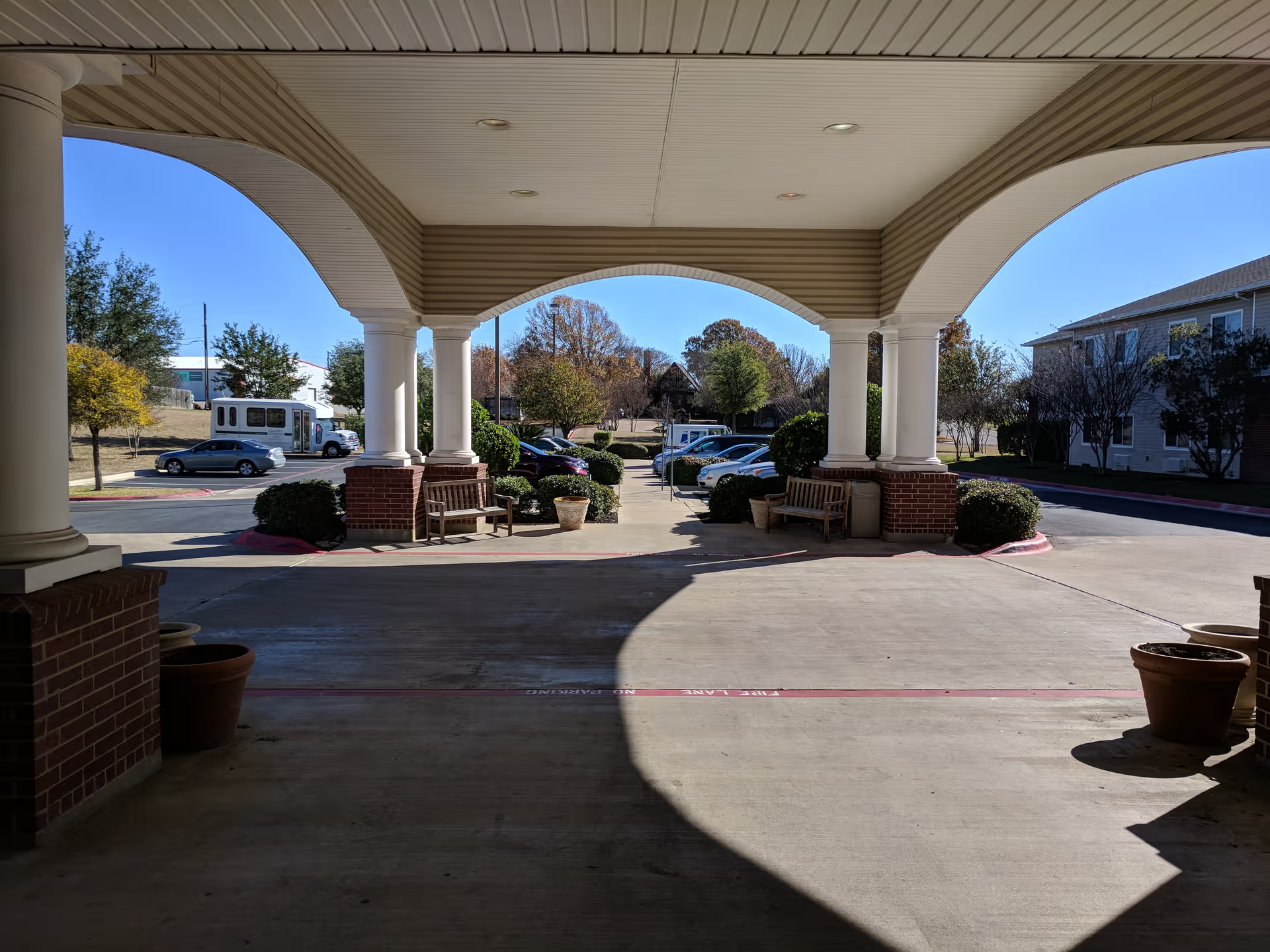
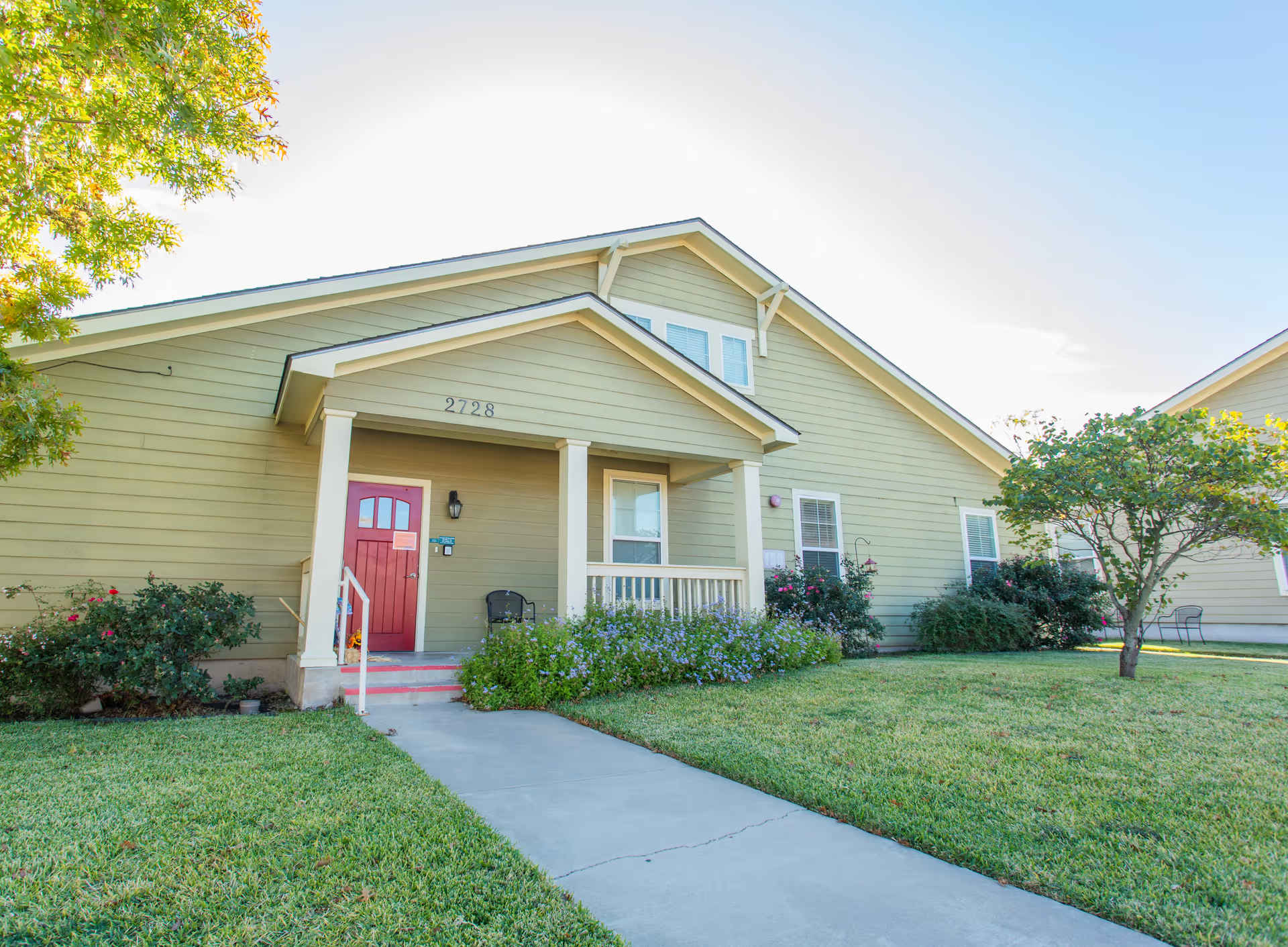
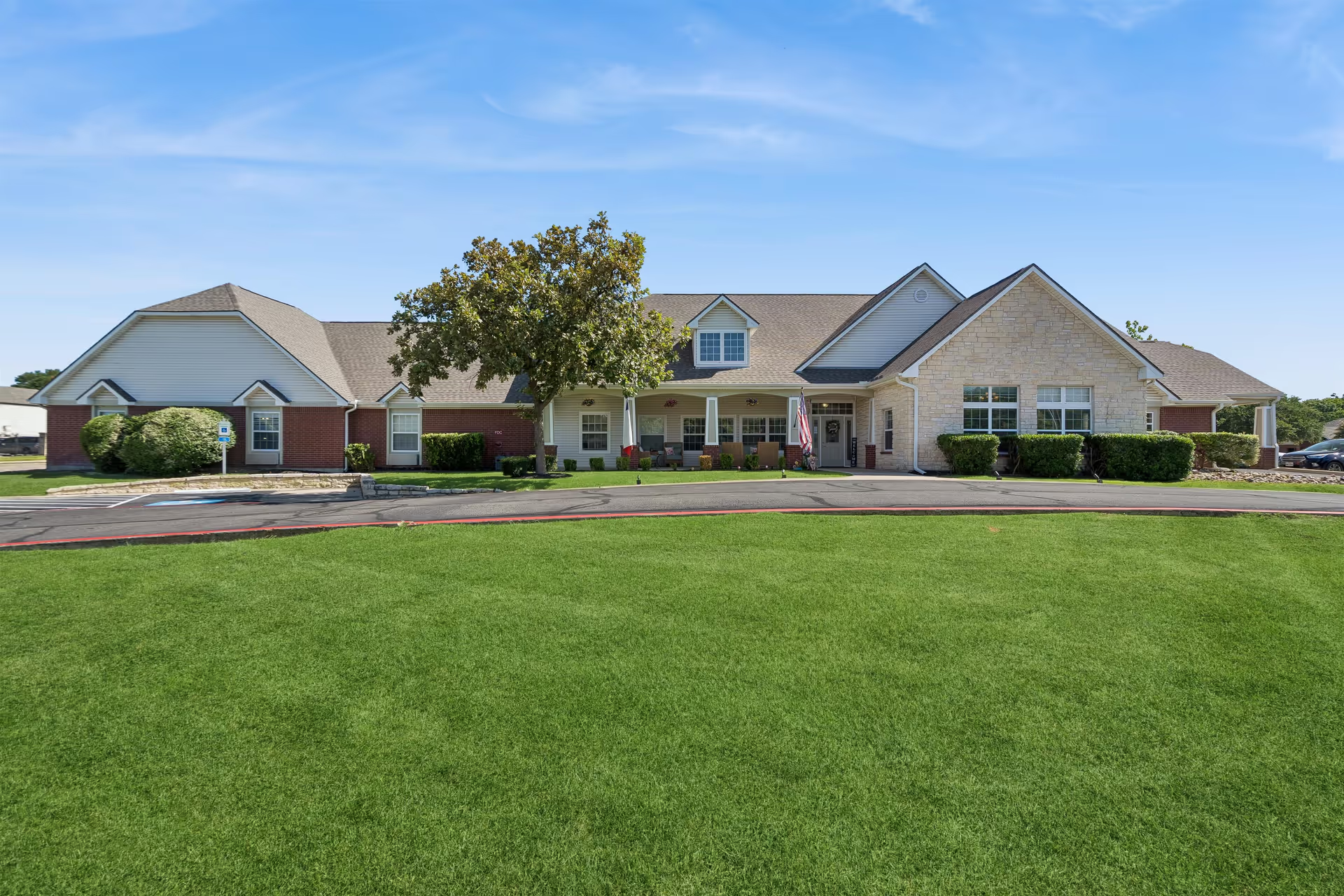
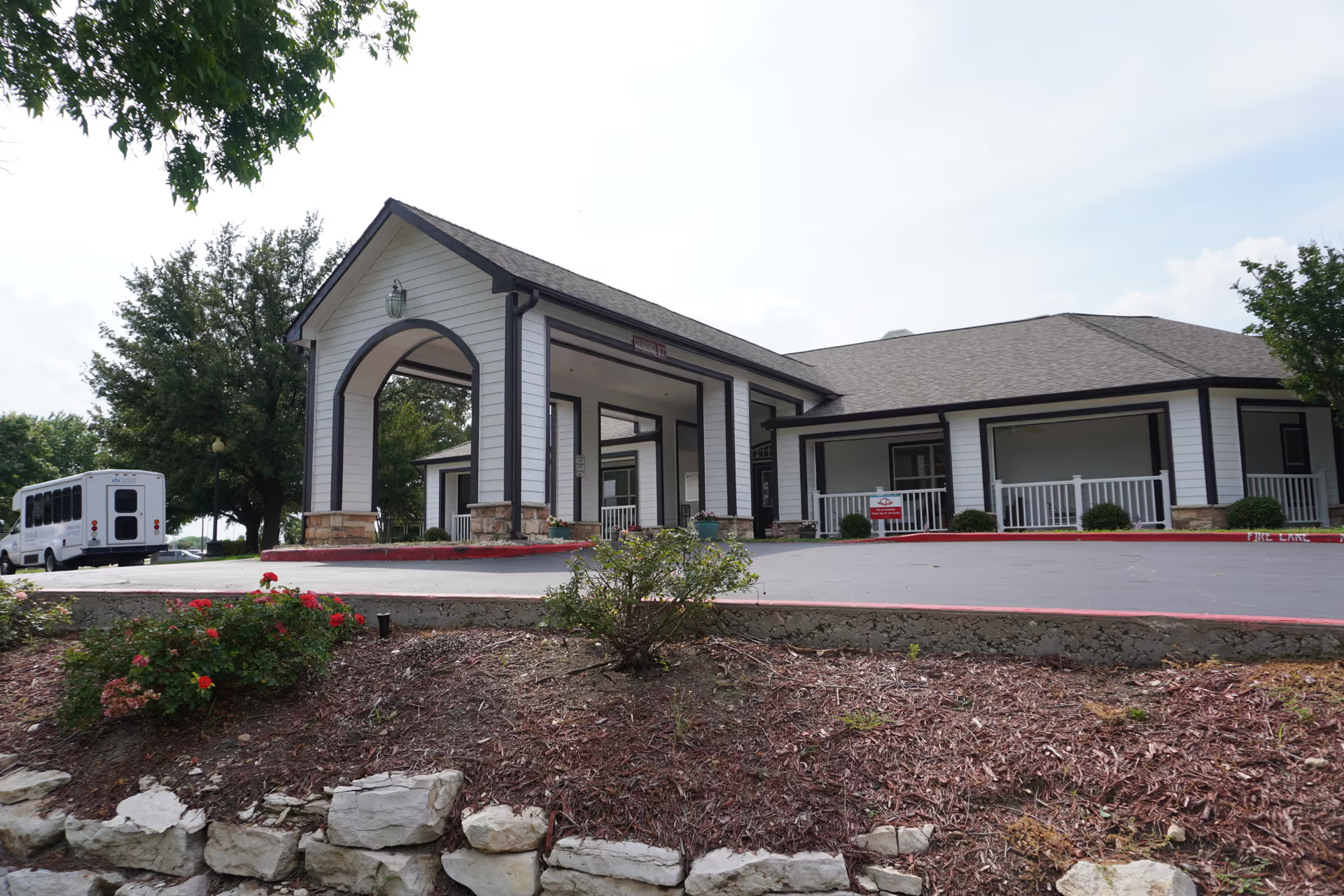
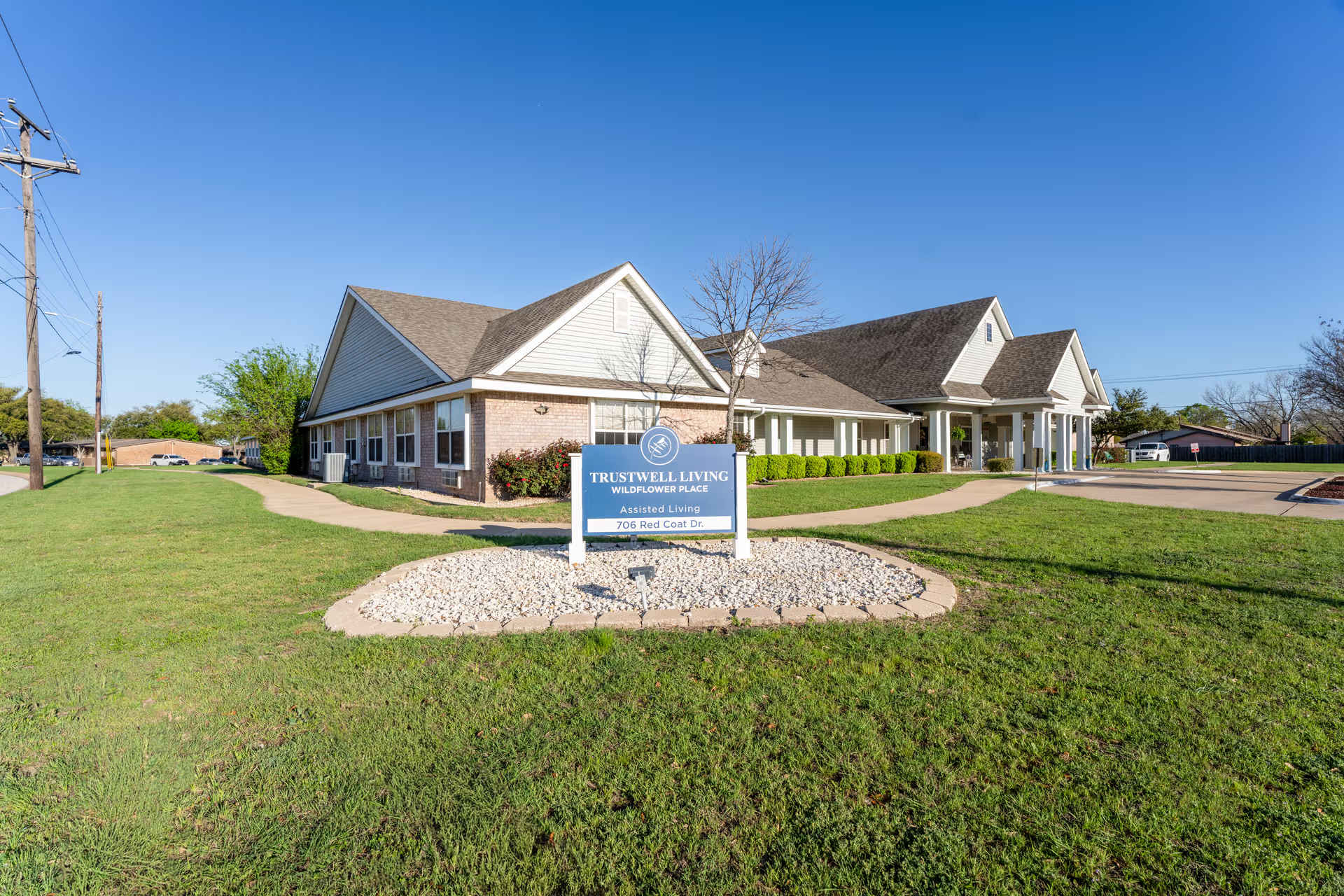
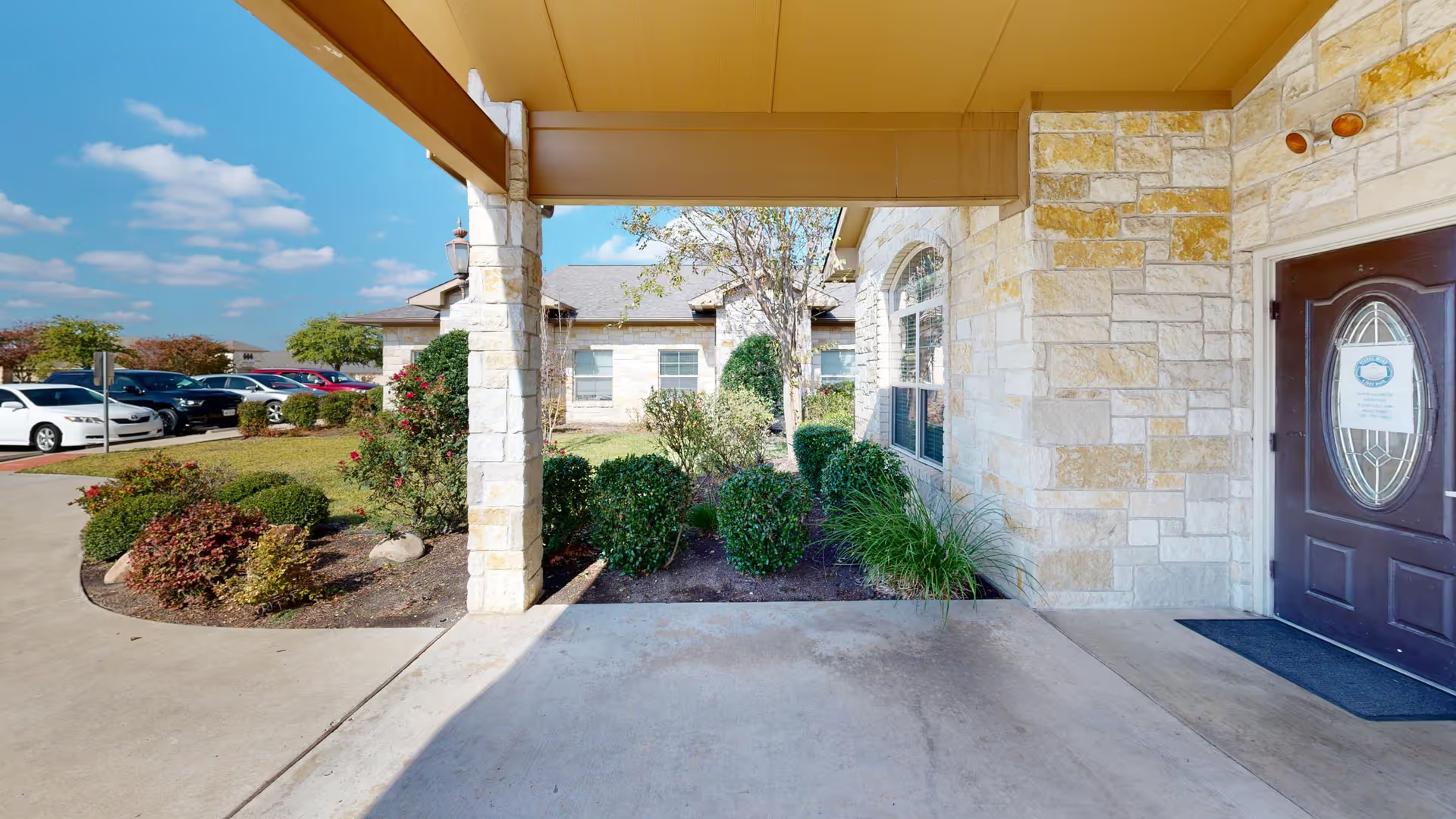
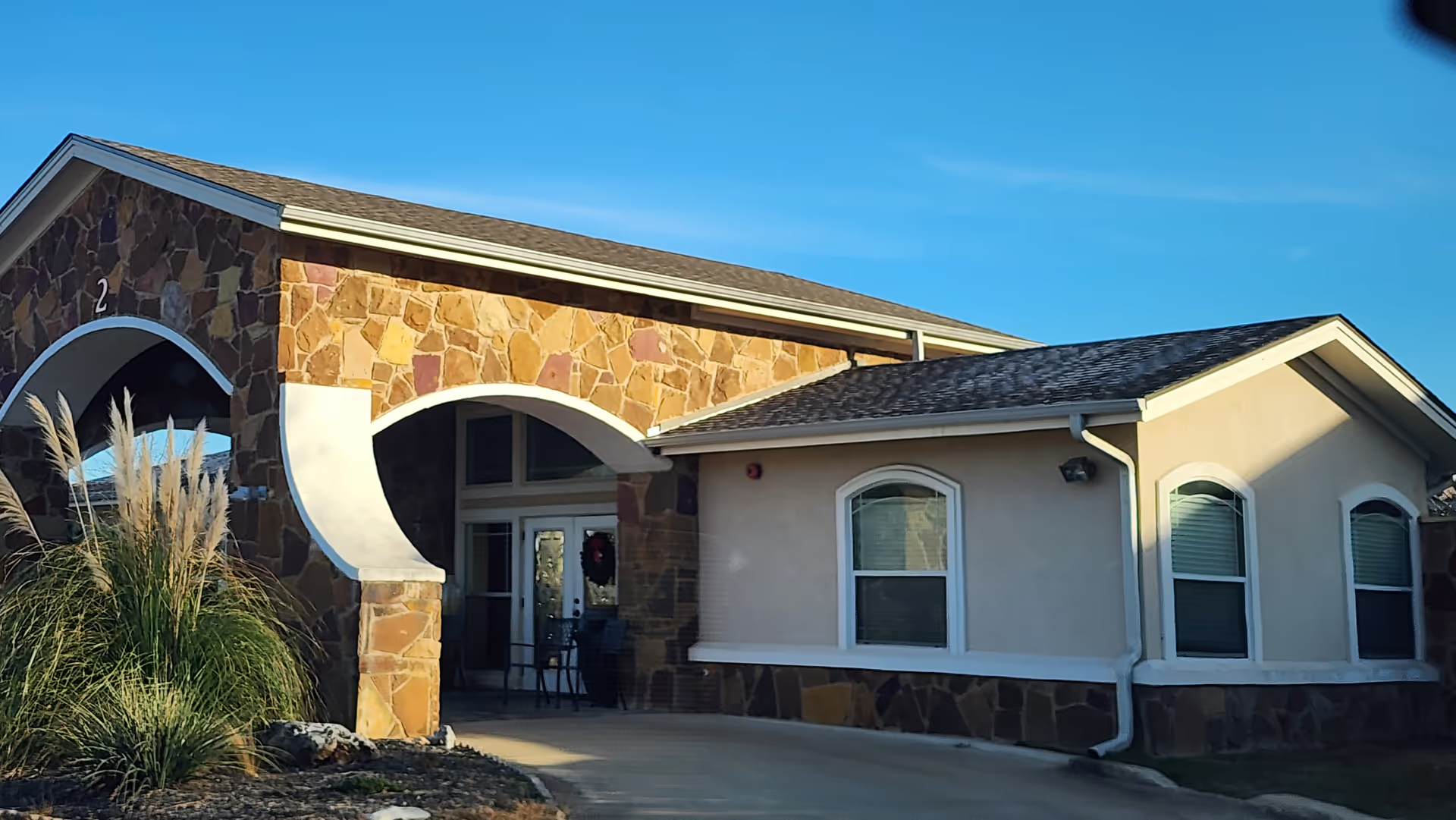
Dining and activities are generally strengths when staffing and coordination are sufficient: therapy outcomes and activity engagement are often singled out positively. Conversely, meal quality and feeding assistance are inconsistent; some residents received thoughtful meal service while others experienced cold meals or inadequate assistance. Facilities feedback is mixed as well: many praise a clean, home-like main building and secure environment, while some memory-care or isolated units are described as less well maintained and inadequately supervised.
Overall, the pattern suggests that the facility can provide strong, resident-centered care in periods or units where staffing, leadership, and coordination are stable. However, recurring operational weaknesses — especially inconsistent staffing, communication gaps, medication and documentation issues, sanitation variability, and occasional serious allegations — create elevated risk of care failures. Prospective residents and families should weigh the facility's therapy and activity strengths against these operational risks, verify current staffing and leadership stability, review care plans and medication administration routines in writing, and maintain proactive communication with administration. If selecting this facility, consider establishing regular check-ins, documenting concerns, and confirming transition and discharge plans in advance.