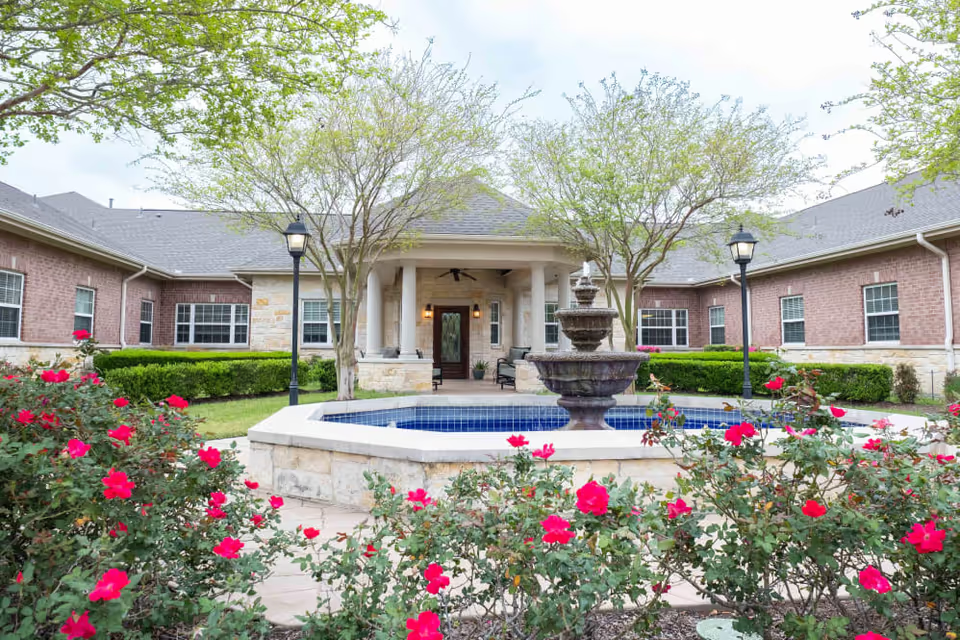
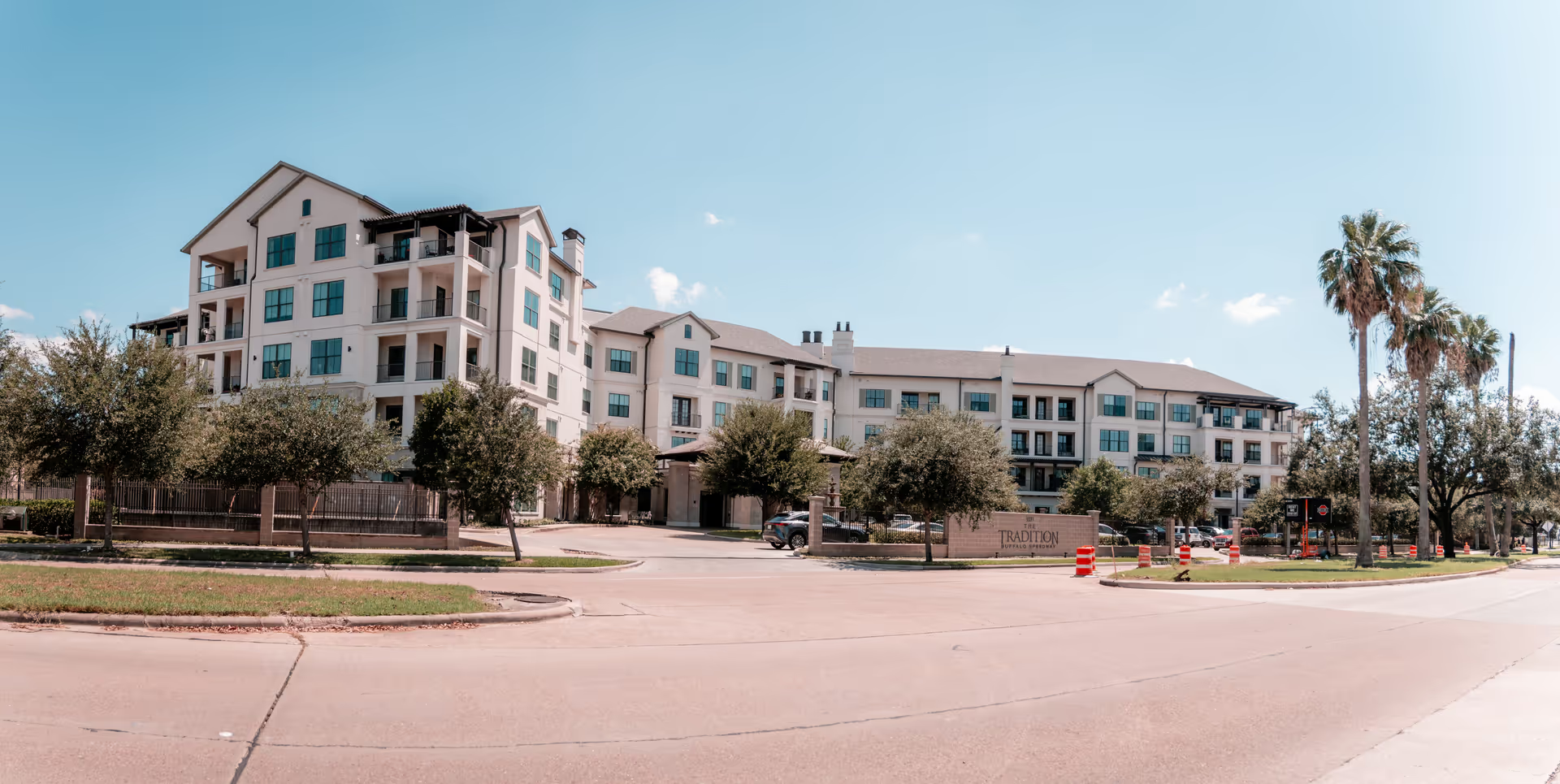
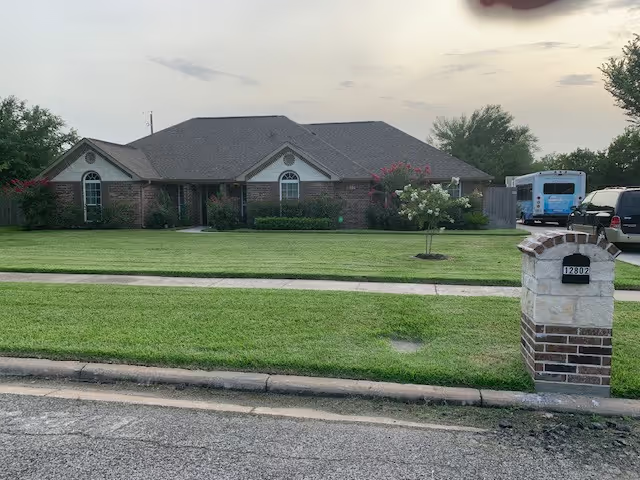
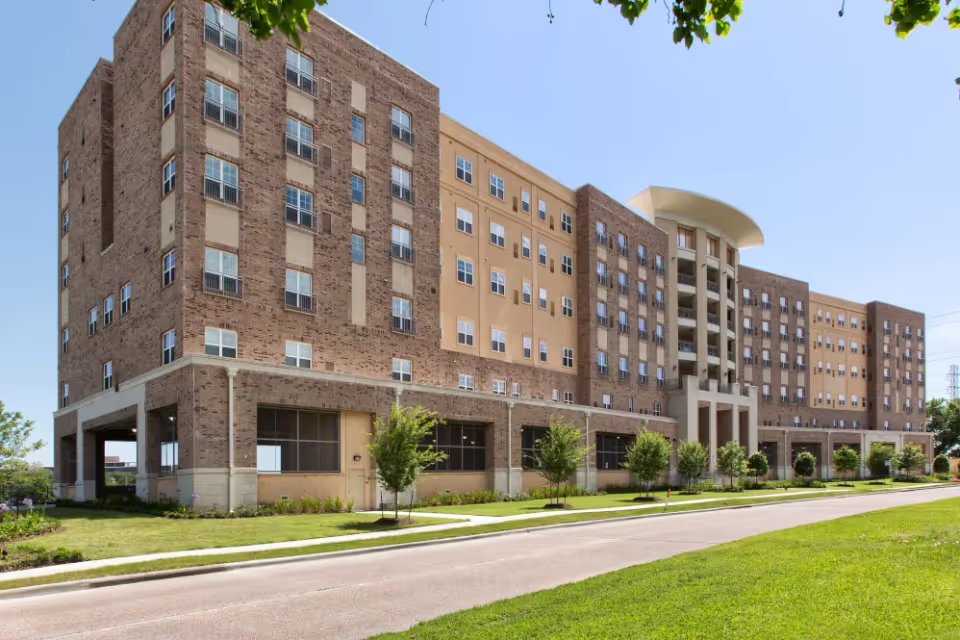
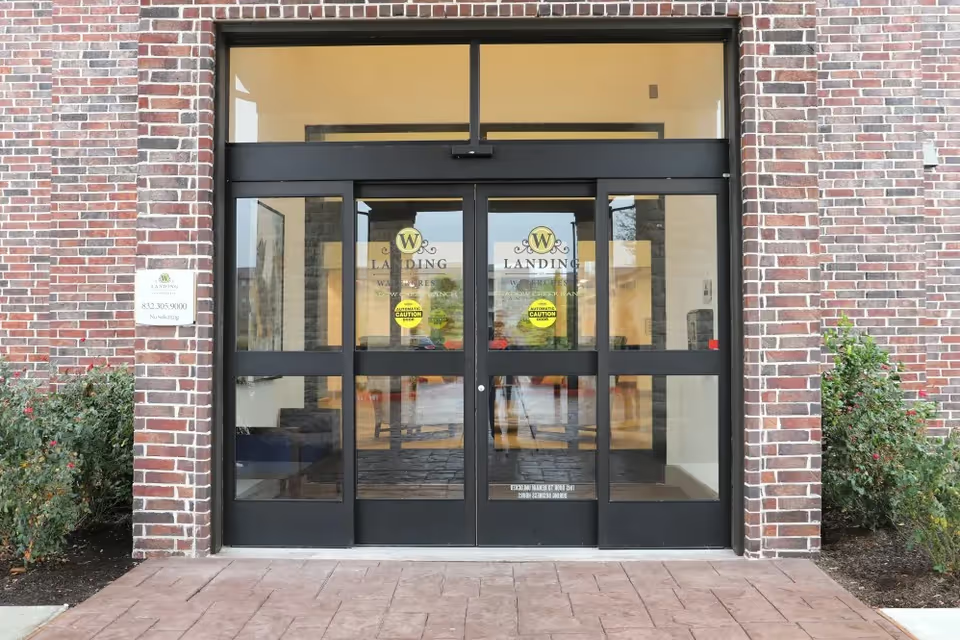
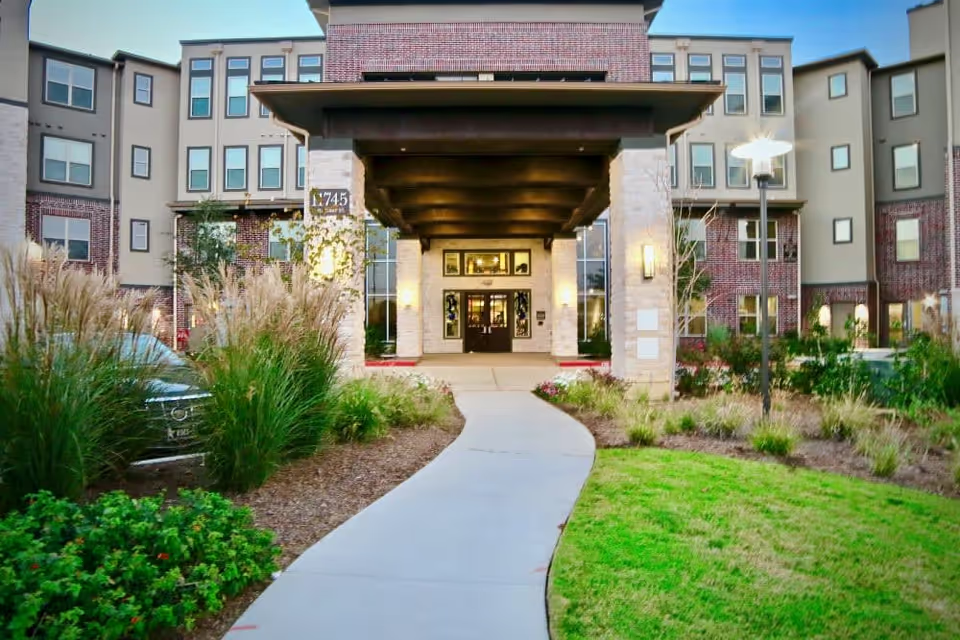
The available reviews present a mixed picture. Many families praise the facility's home-like environment, describing compassionate and attentive caregivers, professional training among staff, and a generally well-maintained interior and exterior. Positive comments highlight home-cooked, balanced meals, structured recreational and activity programs, and personalized support for residents. Several reviewers also noted affordability and helpful referral sources, making the home an attractive option for families seeking cost-effective, small-scale assisted living.
Care quality and staff behavior are areas of divergence. Positive accounts emphasize empathetic, professional caregivers who provide individualized attention and appropriate clinical follow-up (for example, improved diabetic foot care). However, other accounts describe inconsistent staff competency, variable staffing levels, and delays in responding to resident needs. There are specific concerns about supervision practices that can increase the risk of wandering or delayed assistance; a few reviewers described alleged serious safety incidents that families should investigate further. Taken together, these comments indicate variability in day-to-day care consistency rather than a uniform standard.
Dining and activities are generally reported as strengths. Multiple reviews describe thoughtfully planned, balanced meals and a program of activities that contributes to a welcoming and peaceful atmosphere. Families who emphasized these areas felt residents received meaningful engagement and adequate nutritional attention.
The physical plant is described as an older home that has undergone renovations and expansions. Some reviewers found the facility well-kept and home-like; others raised sanitation and pest-control concerns and noted that additions have sometimes led to crowded conditions. Overcrowded shared rooms—commonly two residents per room—were mentioned as limiting privacy and personal space. Prospective families should inspect sleeping areas and common spaces to assess room sizes and cleanliness standards.
Management and communication surfaced as a recurring theme. Several reviews raised concerns about inconsistent management oversight, opaque hiring practices, and uneven responses from ownership and staff when issues arise. Reported communication gaps include delayed notification to families after incidents and unclear information about policies or resident status. These operational weaknesses amplify the impact of clinical and environmental concerns when they occur.
In summary, this facility appears to offer a warm, home-like environment with strengths in caregiver compassion, meals, and activities, and it may suit residents who need moderate assisted-living support and value affordability. At the same time, reviewers indicate operational risks—variable staffing, gaps in incident response and family communication, sanitation and pest-control concerns, and limited private space—that warrant careful inquiry. Prospective residents and families should conduct an on-site visit, review staffing patterns and training protocols, ask for recent inspection or pest-control records, confirm incident-reporting procedures, and evaluate room assignments before making a placement decision, particularly for individuals with cognitive impairment or high supervision needs.