Summary
Care and clinical oversight: Reviews present a mixed picture. Many families praised highly attentive, family-style caregiving, owner involvement, and proactive coordination of medical visits. These accounts indicate individualized attention and willingness to accommodate changing needs. Conversely, there are serious operational concerns around clinical monitoring and wound-care oversight; one account of a severe wound during hospice care raised questions about end-of-life monitoring and follow-up. Overall, the facility appears capable of good hands-on care but may have inconsistent clinical staffing and supervision at times.
Staff and communication: Multiple comments highlight compassionate, accommodating owners and staff members who provide emotional support to families and flexible scheduling, including after-hours visits. At the same time, several reviewers described inconsistent staff professionalism, rude or unhelpful phone interactions, and uneven bedside communication. These contrasting comments suggest variability in staff conduct and front-desk administrative responsiveness rather than uniformly consistent practice.
Dining and nutrition: There are repeated remarks about small meal portions and uneven meal quality. In some instances caregivers were preparing or serving meals due to limited staffing, which may affect meal continuity and variety. Prospective families should ask for sample menus, portion information, and how the facility manages meal coverage during staffing shortages.
Activities and social engagement: A notable pattern is limited formal programming; reviewers mentioned few organized activities and low social engagement for some residents. While some residents have outdoor access and opportunities for sun exposure, organized recreational and social schedules appear underdeveloped compared with expectations for higher-activity settings.
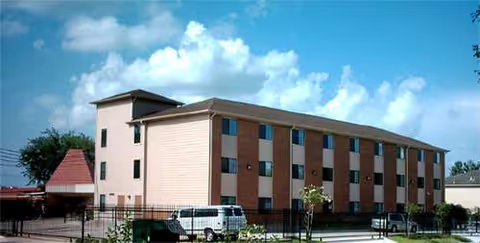
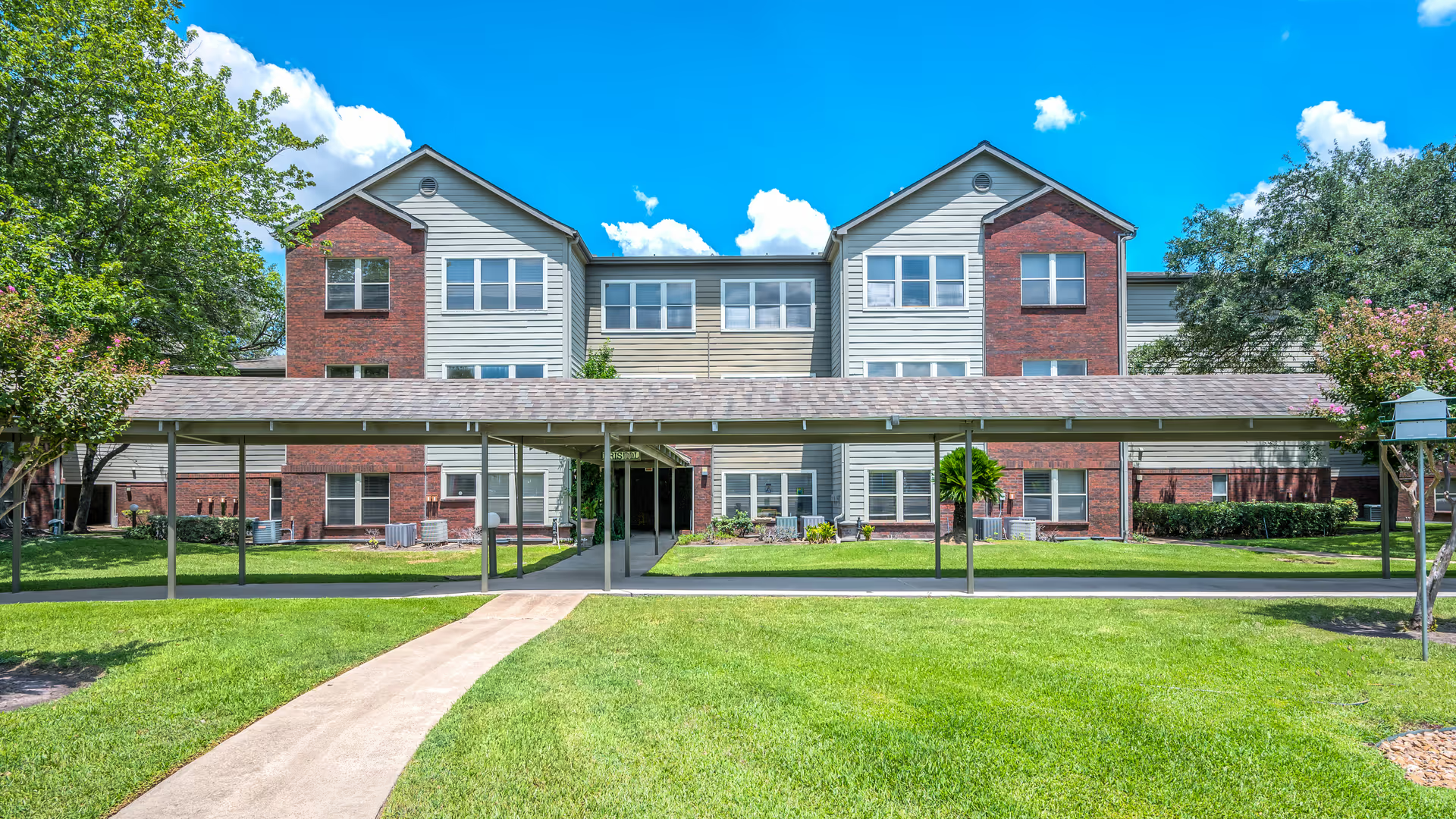
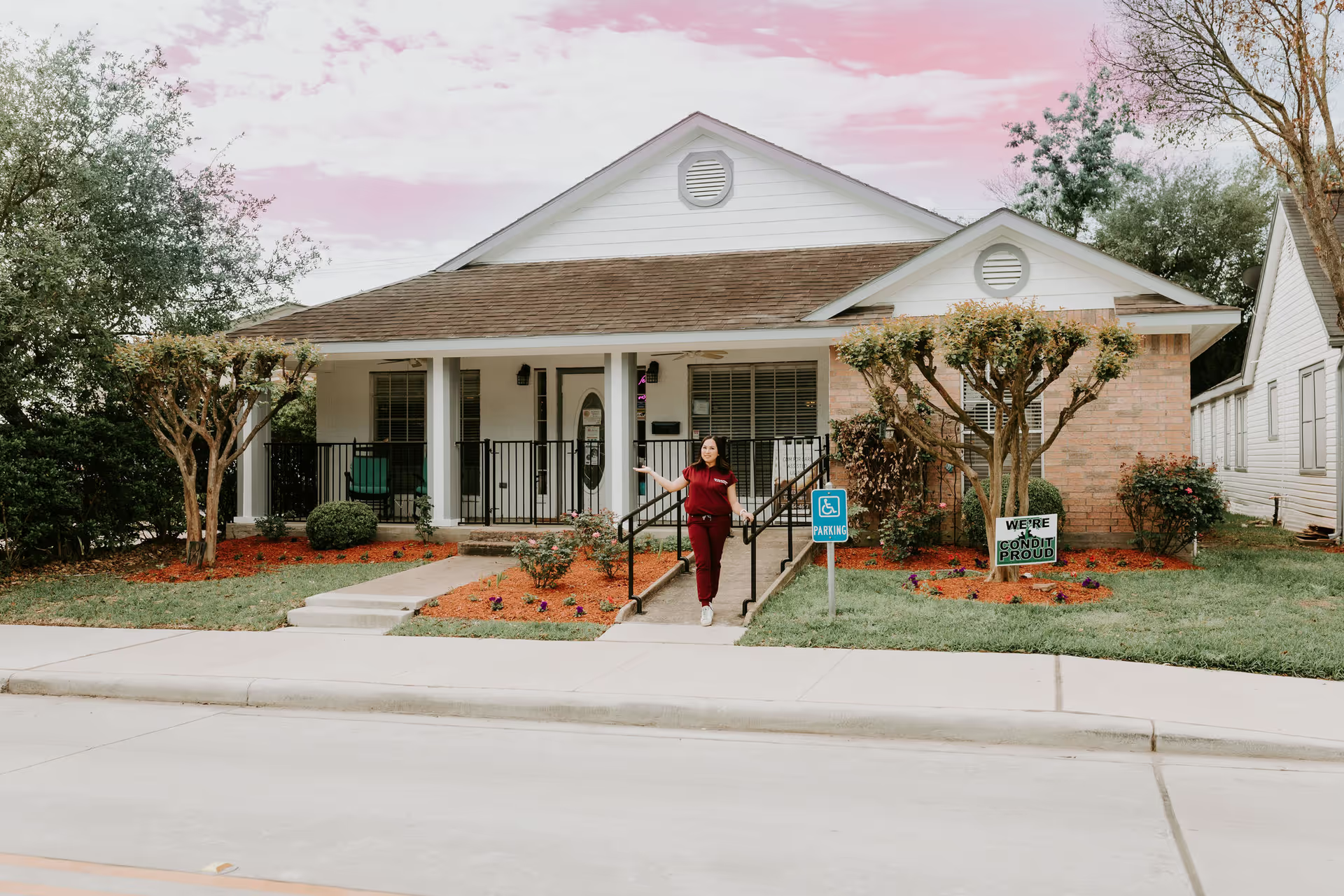
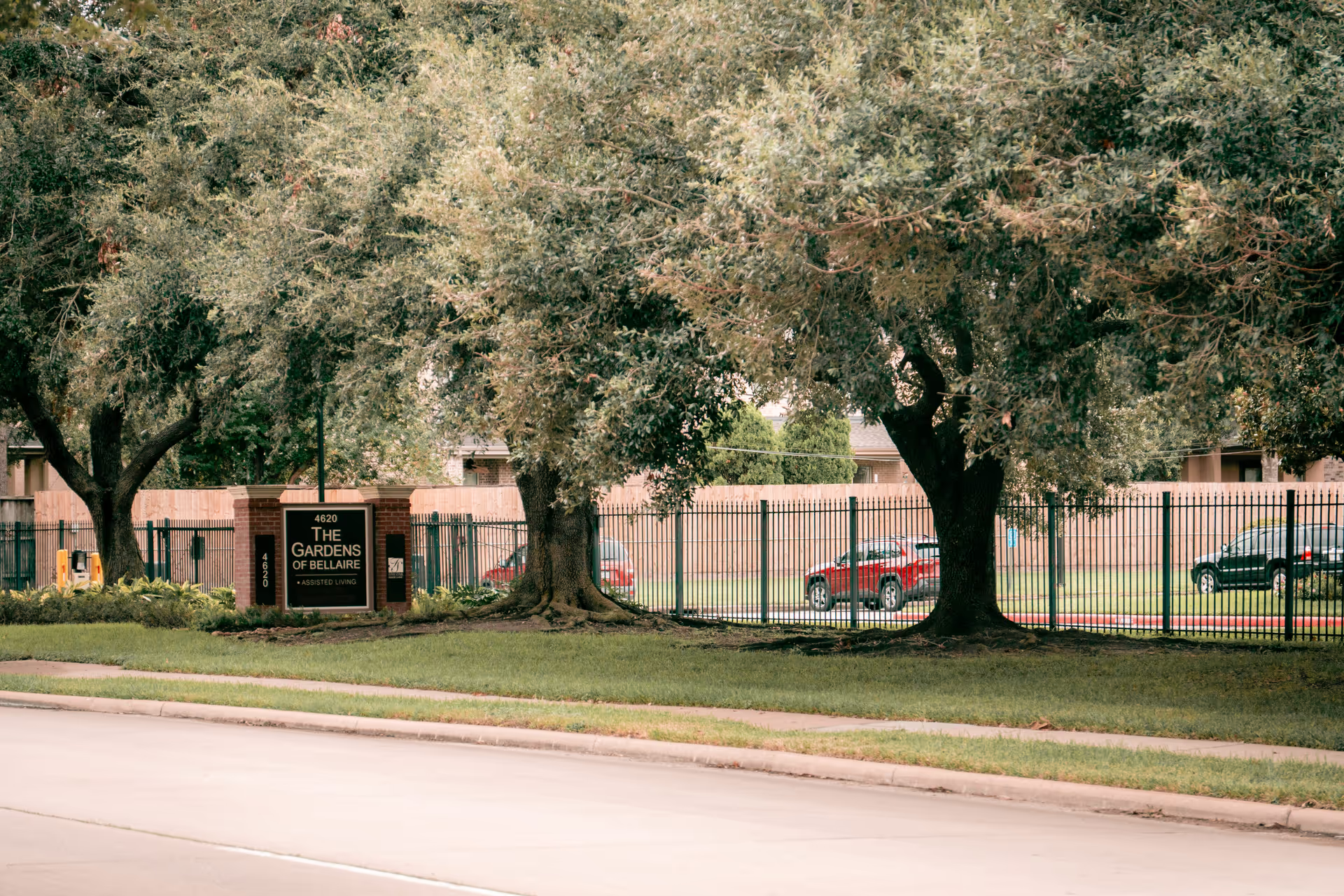
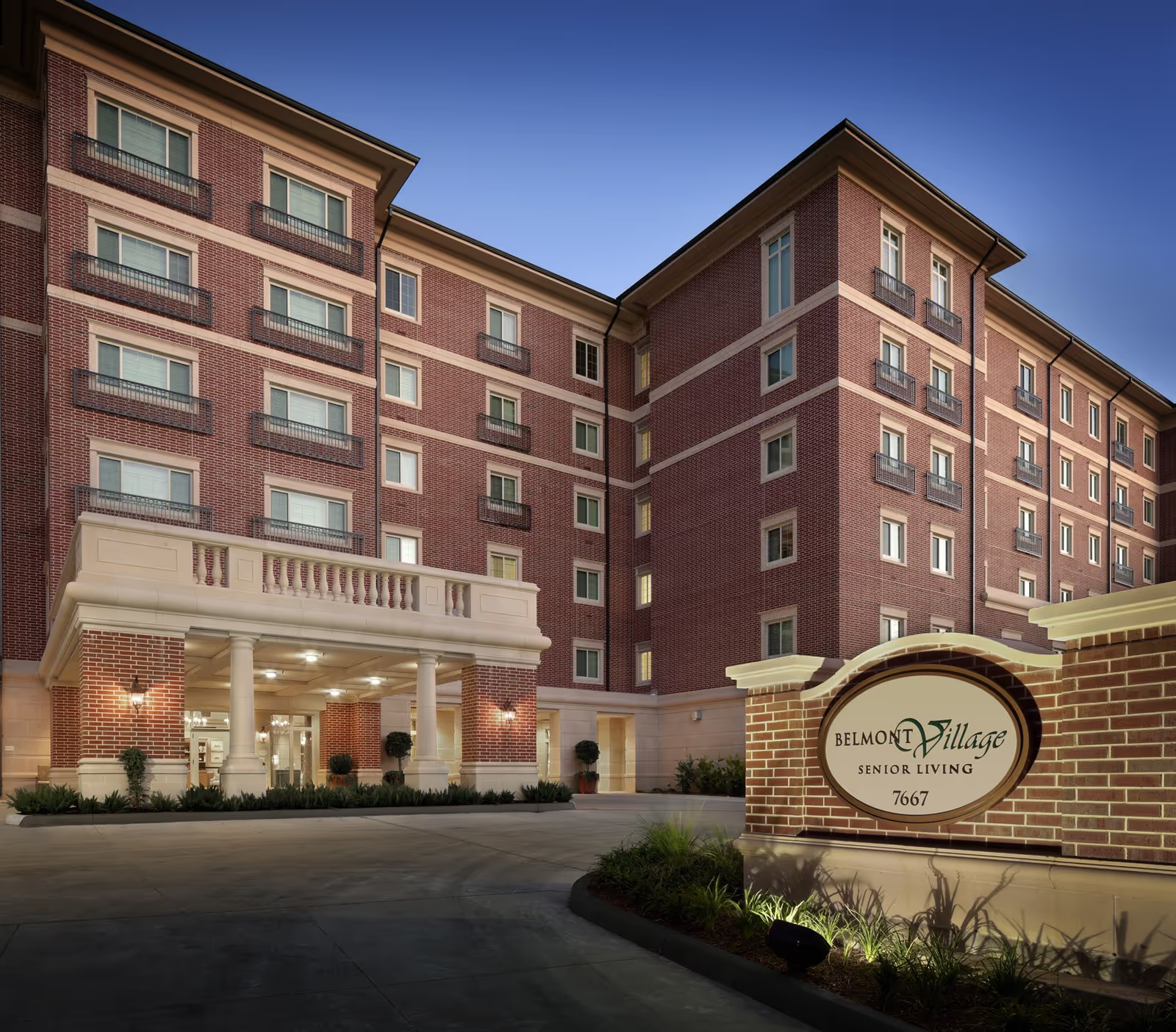
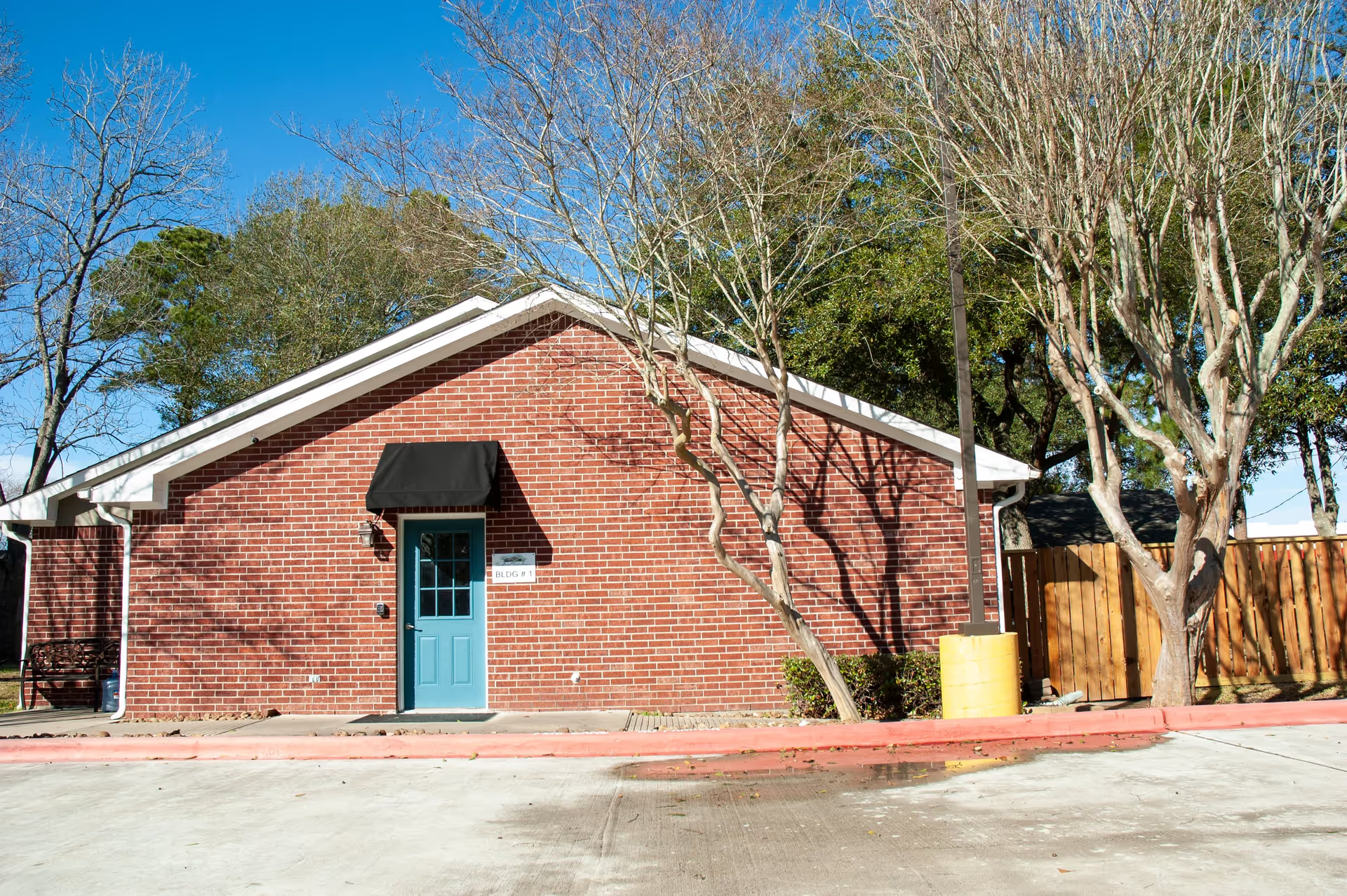
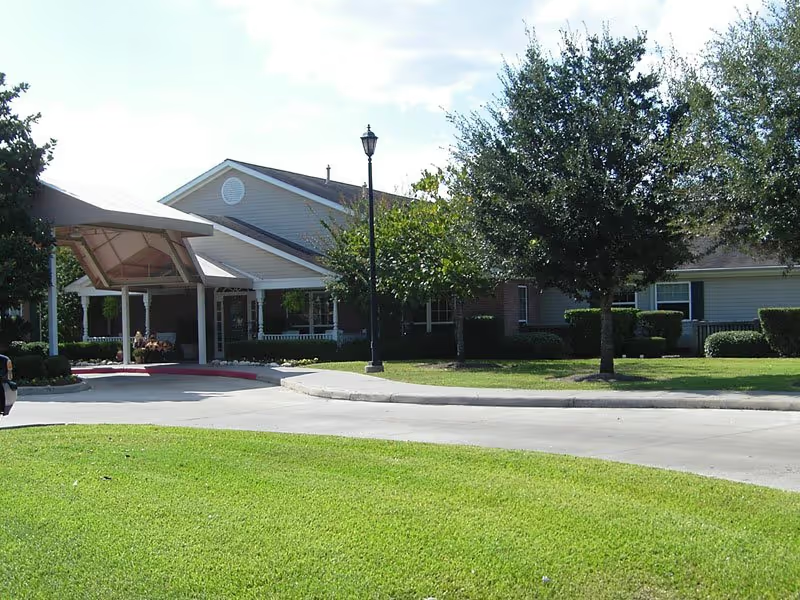
Facilities and maintenance: The facility shows evidence of investment—remodeling, new furniture, and a generally bright interior and neighborhood appeal were cited positively. However, reviewers also raised concerns about maintenance and safety hazards on the grounds (rust, debris, uneven sidewalks) and variable cleanliness or sanitation in some areas. This indicates uneven upkeep: visible renovations coexist with outstanding maintenance items that could present risk or reduce resident comfort.
Management, costs and transparency: Management is described as family-oriented and responsive to individual requests, which is a strength for families seeking personal attention. At the same time, some reviewers expressed concerns about administrative transparency, trustworthiness of the agency, and communication tone. Cost concerns include higher private-pay rates and a sizable holding deposit; one review noted budget overruns connected to renovations. Prospective residents should review contract terms, deposit policies, and recent financial/operational changes.
Notable patterns and practical guidance: The overall pattern is polarizing—many families describe excellent personalized care and owner engagement, while others point to systemic operational weaknesses (staffing shortages, inconsistent clinical coverage, limited activities, and maintenance gaps). For prospective families: schedule an in-person tour at different times of day, ask specifically about staffing ratios and nurse coverage, inquire about wound-care and end-of-life protocols, request current activity calendars and sample menus, inspect outdoor areas and walkways for safety, and review contract terms including deposit and rate structure. Verifying recent inspection reports and asking for current family references can help clarify which of the contrasting experiences is most representative.