Overall impression: Reviews of The Lev at Town Park describe a facility with clear strengths in caregiving and clinical support, alongside recurring operational challenges. Families and referral sources frequently praised individual caregivers, nursing teams, and rehabilitation/wound-care services for attentiveness and clinical competence. At the same time, multiple reviews raise systemic concerns about environmental sanitation, staffing levels, and policy consistency that point to variability in everyday resident experience.
Care quality and staff: Many reviewers emphasize compassionate, attentive nursing and CNA care; several named staff and administrators were singled out positively for communication, responsiveness, and resident advocacy. Rehabilitation and wound-care services received repeated commendation, and families reported good coordination around transfers and admissions. However, other reviews describe uneven staff availability, long call-light response times, and concerns about the timeliness of bedside rounding. This produces a mixed picture in which core clinical strengths coexist with operational gaps in coverage and responsiveness.
Dining and clinical nutrition: Feedback on food service is mixed. Some families noted good meal service and appropriate clinical nutrition oversight, while other accounts raised concerns about inconsistent food quality and diet-management for residents with specific needs (for example, diabetes). There is at least one allegation of contaminated meals associated with a hospitalization; that claim would merit direct inquiry during a tour or follow-up with facility leadership and regulators.
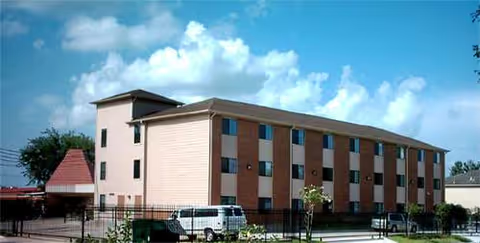
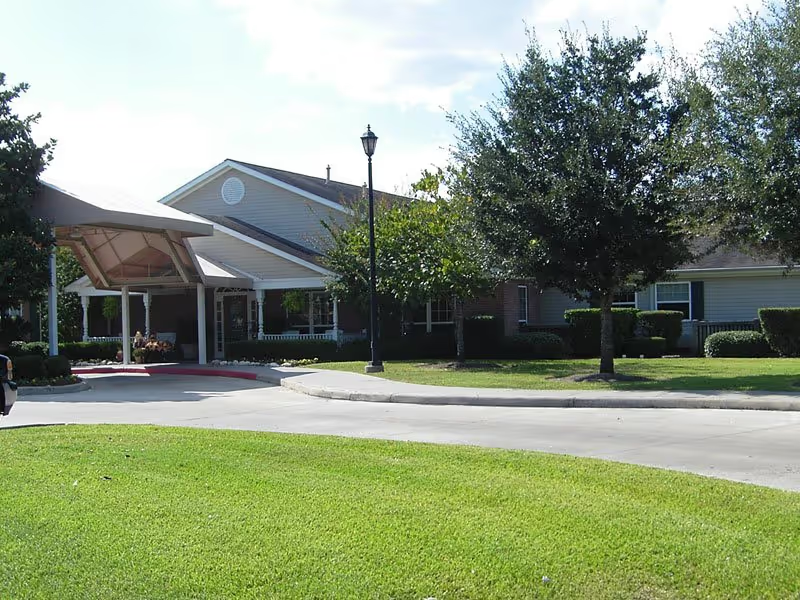
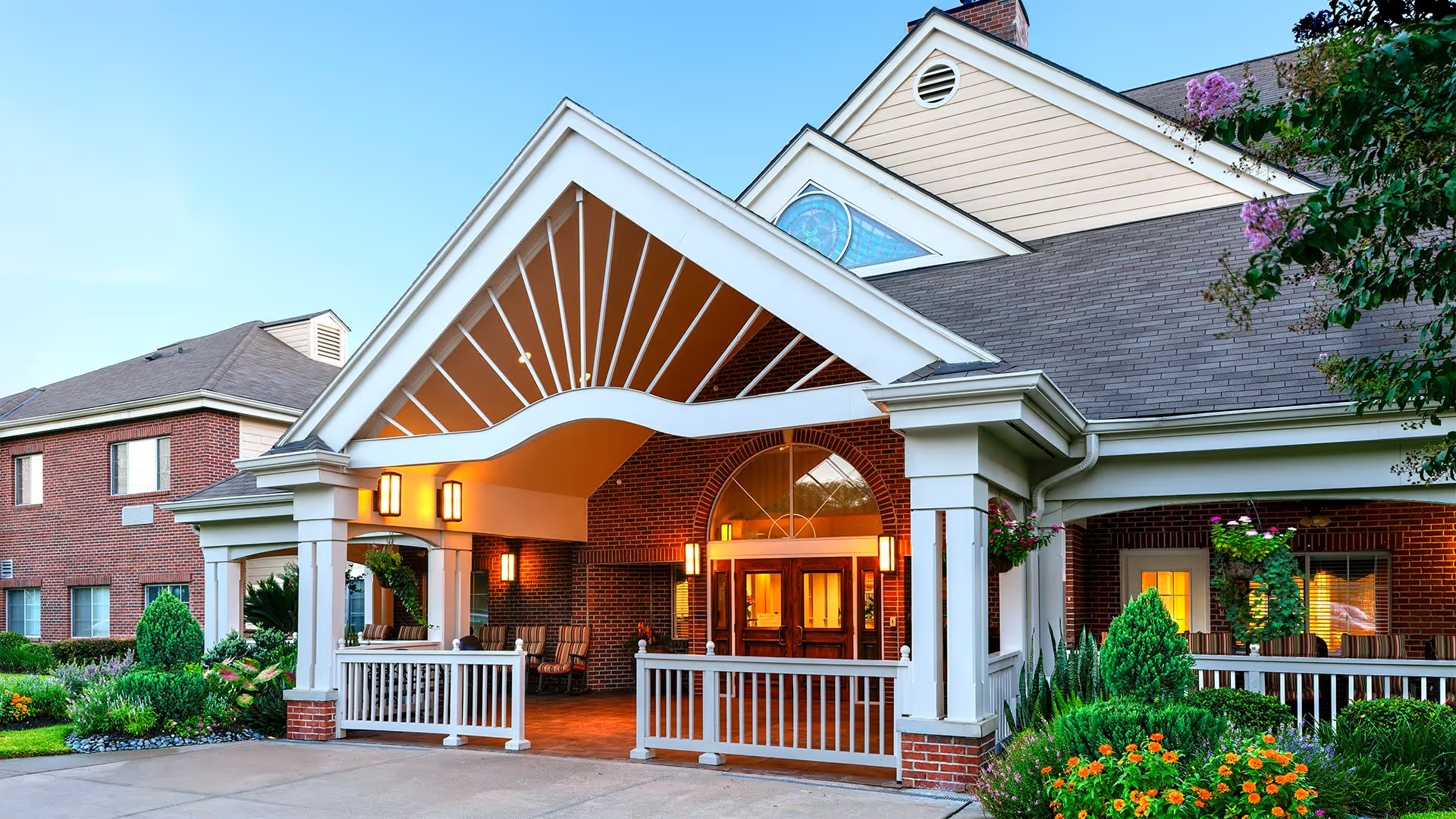
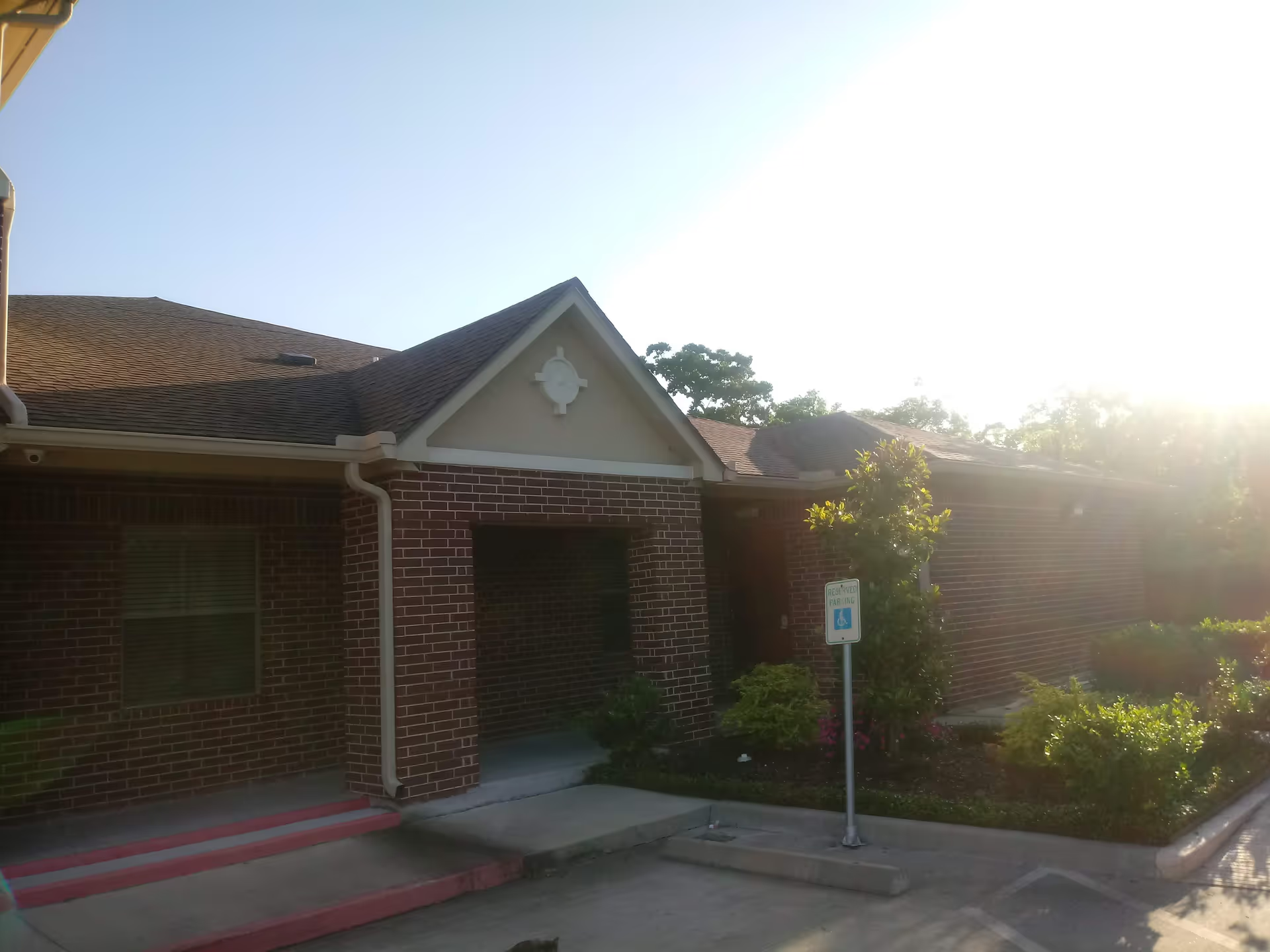
Facilities and environment: Several reviewers describe well-maintained, clean areas and praise long-tenured maintenance staff who keep the building up to code. Conversely, other reviews indicate odor concerns, pest-control issues, and sanitation-related problems in certain units or at particular times. Reviewers also called out crowded hallways and equipment storage practices that could impede safe egress and create potential safety risks. Access control is generally seen as a benefit (secure gated entry), although some families noted occasional delays at the gate.
Management and communication: There is a bifurcation in perceptions of leadership. Many families report clear, timely communication, an open-door administrative approach, and leaders who address concerns; admissions and transfer coordination were often described as seamless. Other reviewers, however, described unclear lines of oversight, difficulty reaching corporate offices, and slow responses from the Director of Nursing or administration in specific situations. These inconsistencies suggest variability in escalation pathways and the need for stronger, more consistent corporate oversight.
Notable patterns and suggested diligence: The dominant pattern is one of strong individual staff performance and areas of clinical excellence paired with operational inconsistencies that affect sanitation, staffing reliability, food-service continuity, and safety practices. Prospective residents and families should consider on-site visits that specifically evaluate cleanliness protocols, pest-control schedules, staffing ratios and peak-hour coverage, call-light monitoring practices, medication-administration audits, food-safety procedures, and the facility’s formal complaint/escalation process. Asking for recent inspection reports, staffing data, and evidence of corrective actions for prior concerns will help clarify whether positive practices are consistent across the building.
In summary, The Lev at Town Park appears capable of providing compassionate, clinically competent care in many cases, with particular strengths in rehab and family communication. At the same time, recurring operational concerns—especially around sanitation consistency, staff responsiveness, food-service quality, and management clarity—warrant careful, specific inquiry before placement to ensure the facility’s strengths align with a prospective resident’s needs.