Rosewood’s reviews describe a broad range of services, including assisted living, retirement living, skilled nursing, rehabilitation, respite care, and memory care. Experiences vary substantially by unit, staff member, shift, and apparent period of operation. Many residents and families describe attentive support, positive relationships, and helpful rehabilitation, while other accounts raise significant concerns about the reliability and consistency of care. The reviews are personal accounts and do not independently establish the accuracy of individual claims.
Care and rehabilitation are among the strongest themes in positive feedback. Families and former residents describe effective physical and occupational therapy, individualized encouragement, and improvements that helped residents return home or regain function. Other accounts describe uneven delivery of ordered care, including wound management, therapy, personal care, and follow-through on clinical instructions. Some families also describe delayed responses to call lights or changes in residents’ health, along with concerns about escalation and communication. These contrasting experiences suggest that care consistency is an important area for prospective residents and families to assess directly.
Staff are frequently praised as friendly, compassionate, knowledgeable, and welcoming, with individual nurses, aides, therapists, and administrators receiving repeated recognition. Families also value staff efforts to help residents adjust and feel at home. However, other accounts describe staffing shortages, turnover, weaker weekend coverage, delays in assistance, and inconsistent communication tone. Some families report difficulty obtaining updates or return calls, while others describe administrators addressing concerns promptly. The difference between these accounts makes it useful to ask how staffing and family communication are handled on the specific unit and shift relevant to a prospective resident.
Dining feedback is mixed. Positive comments describe enjoyable meals, menu choices, and convenient room delivery. Criticism includes inconsistent food quality and temperature, late or missed meals, and difficulty accommodating special diets. Reviews also describe missed personal-care needs, limited access to water or assistance, and concerns about adherence to prescribed oxygen or medication routines. These are particularly relevant considerations for residents who need support with nutrition, mobility, or complex care plans.
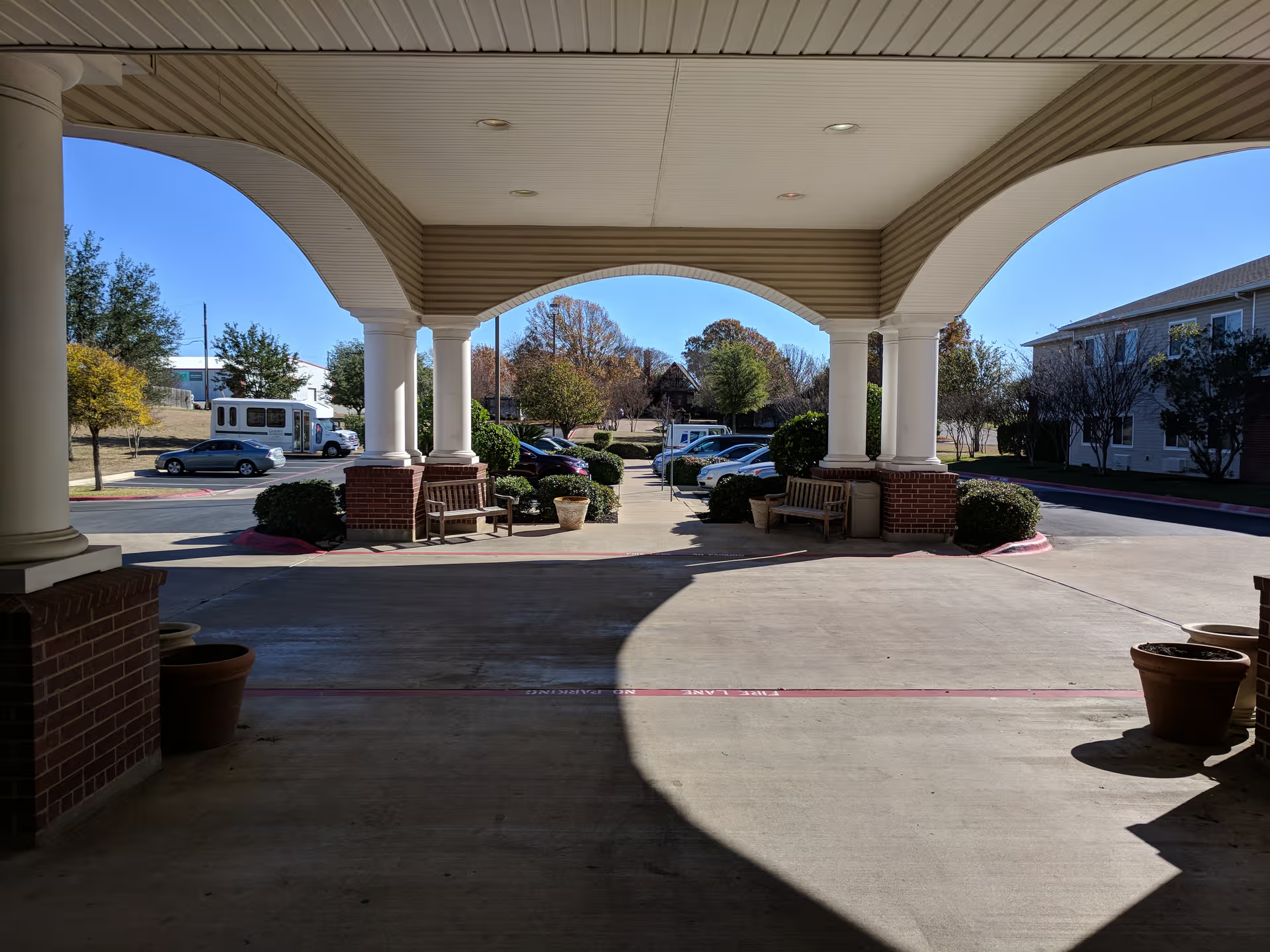
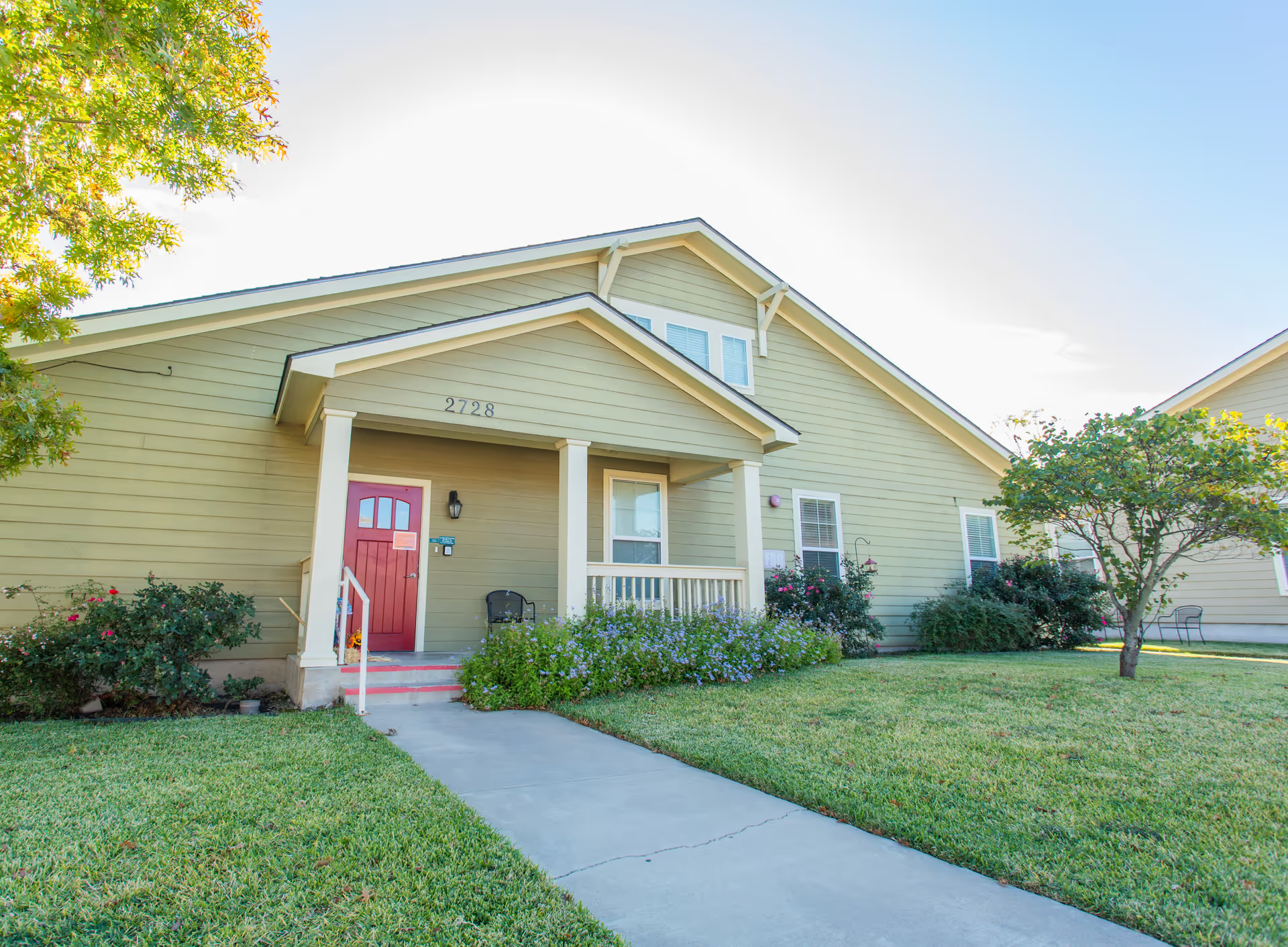
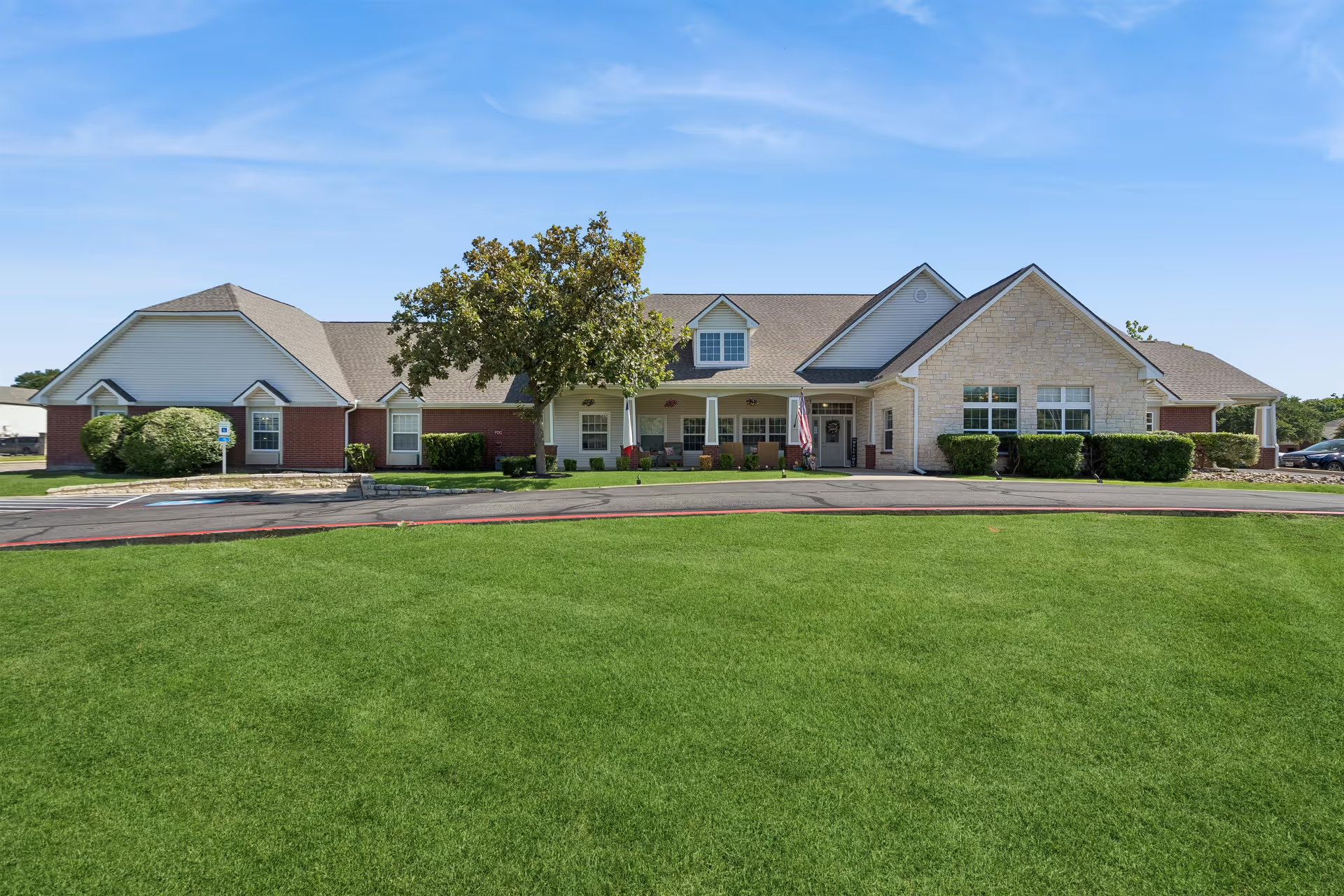
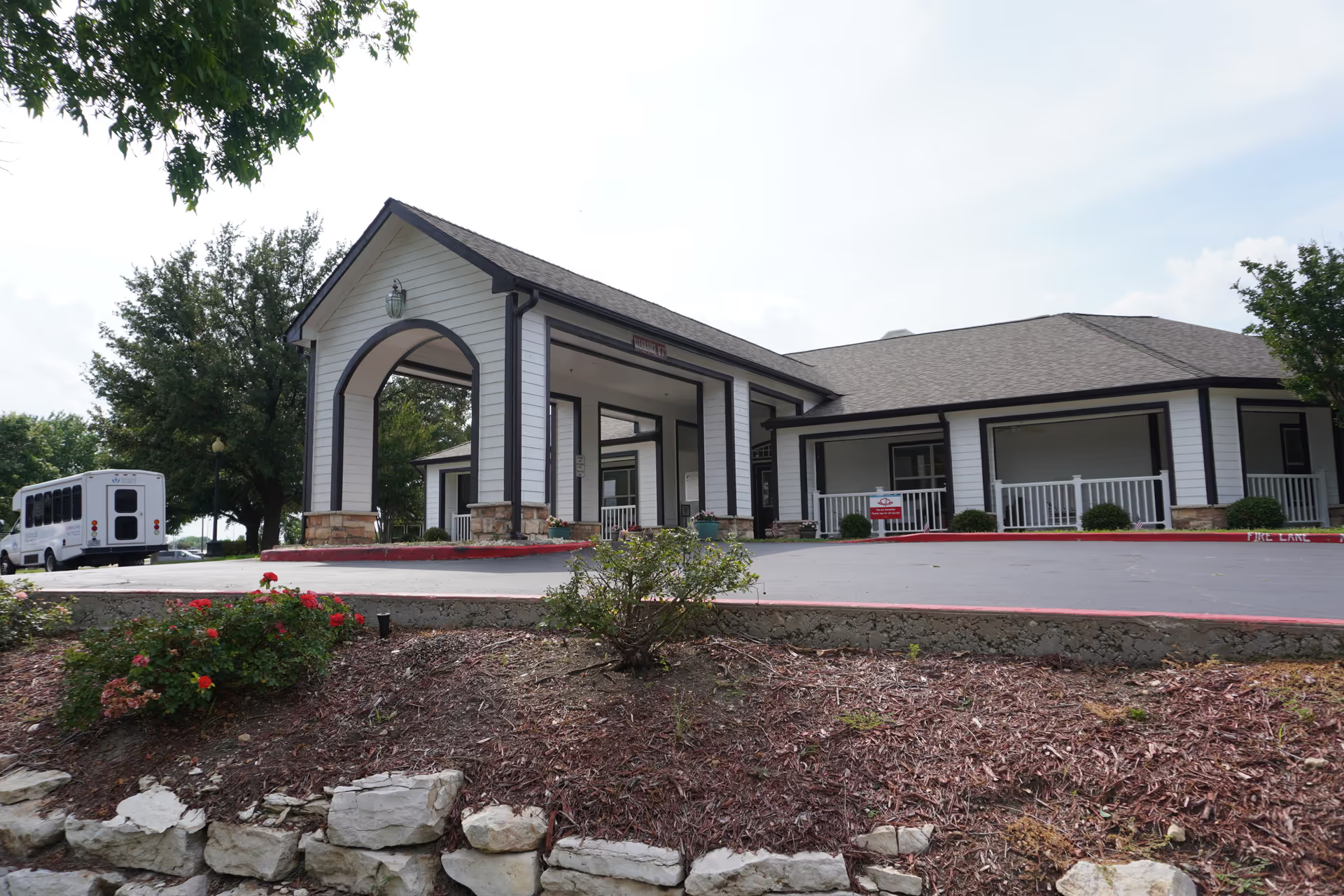
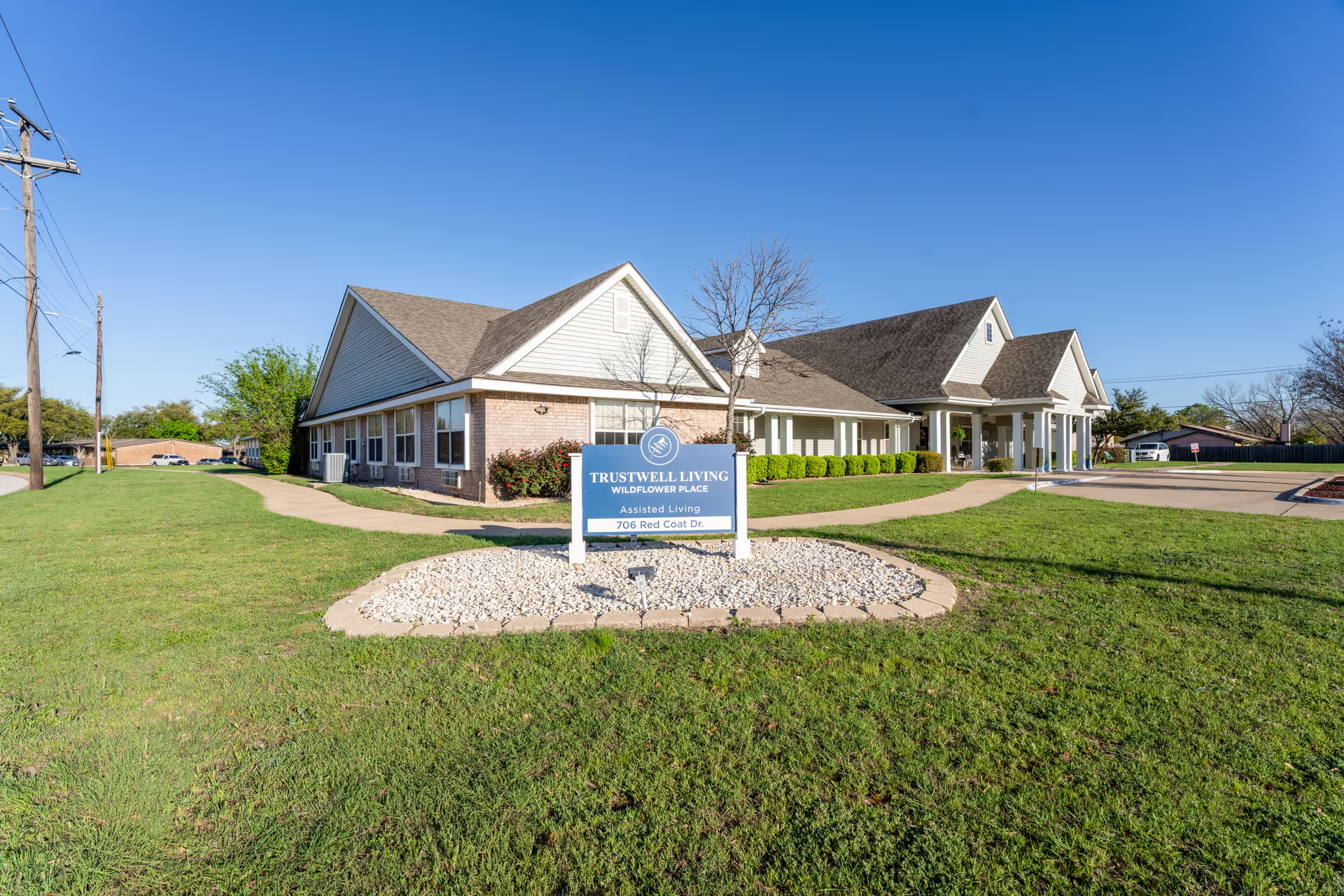
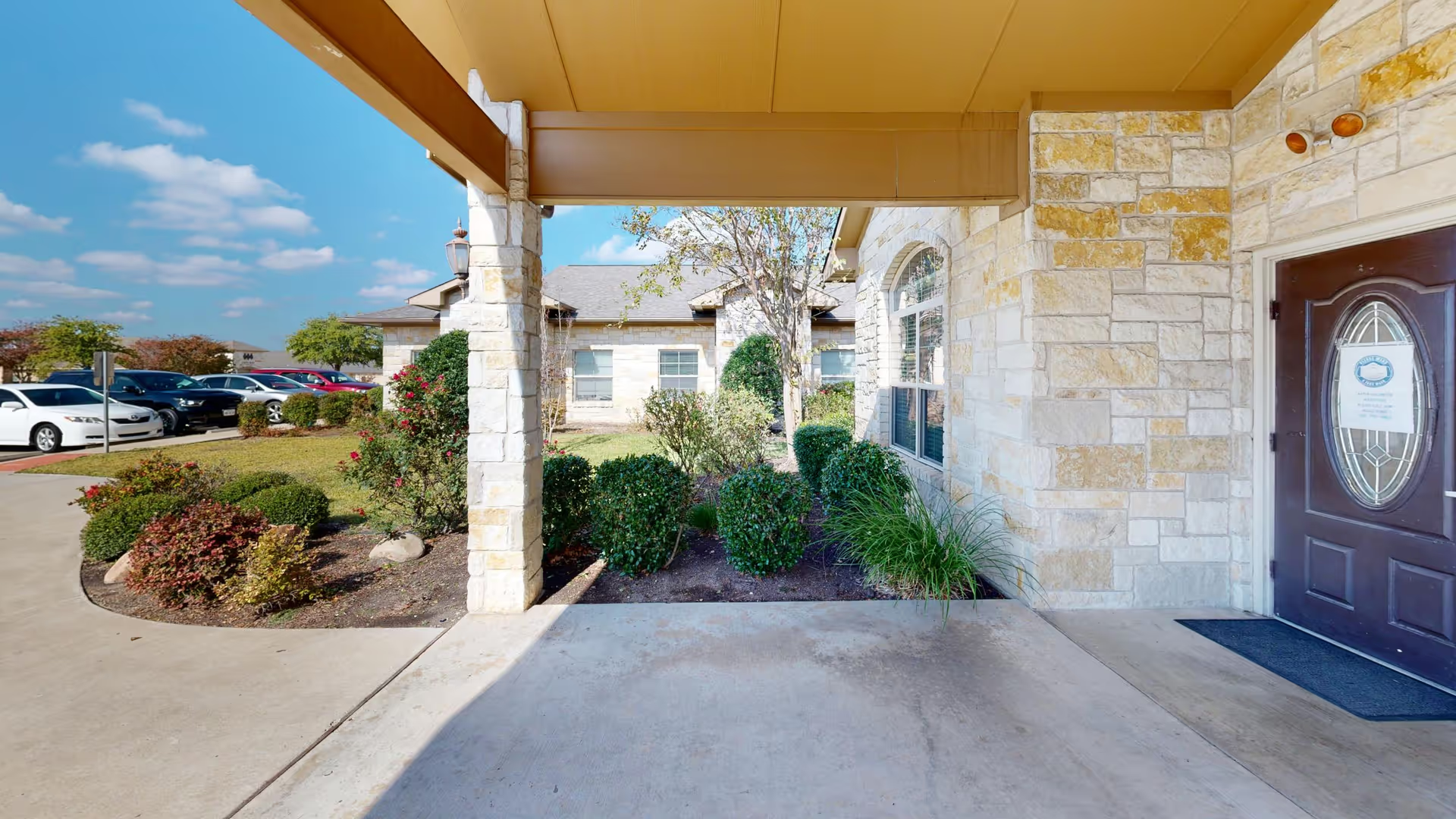
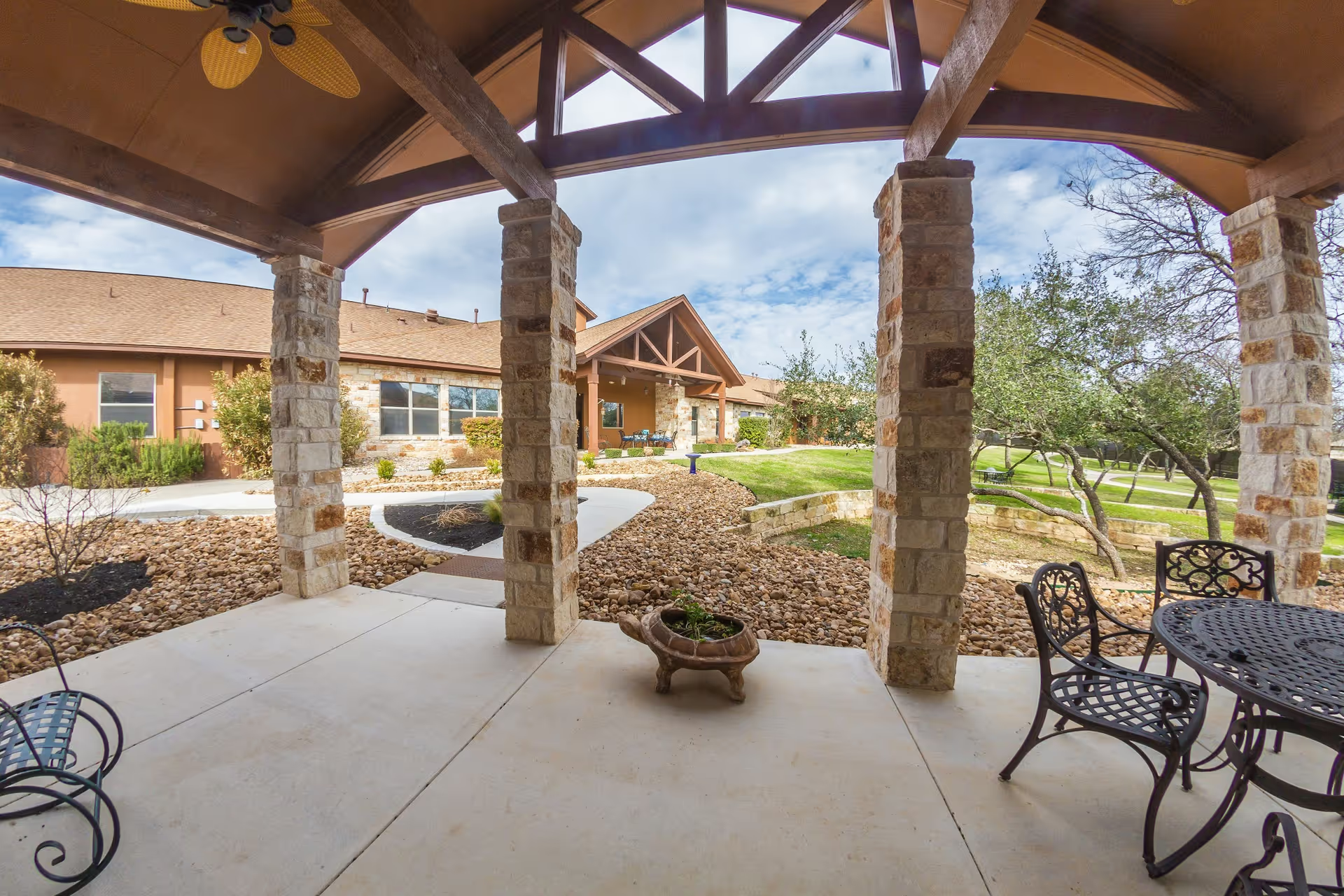
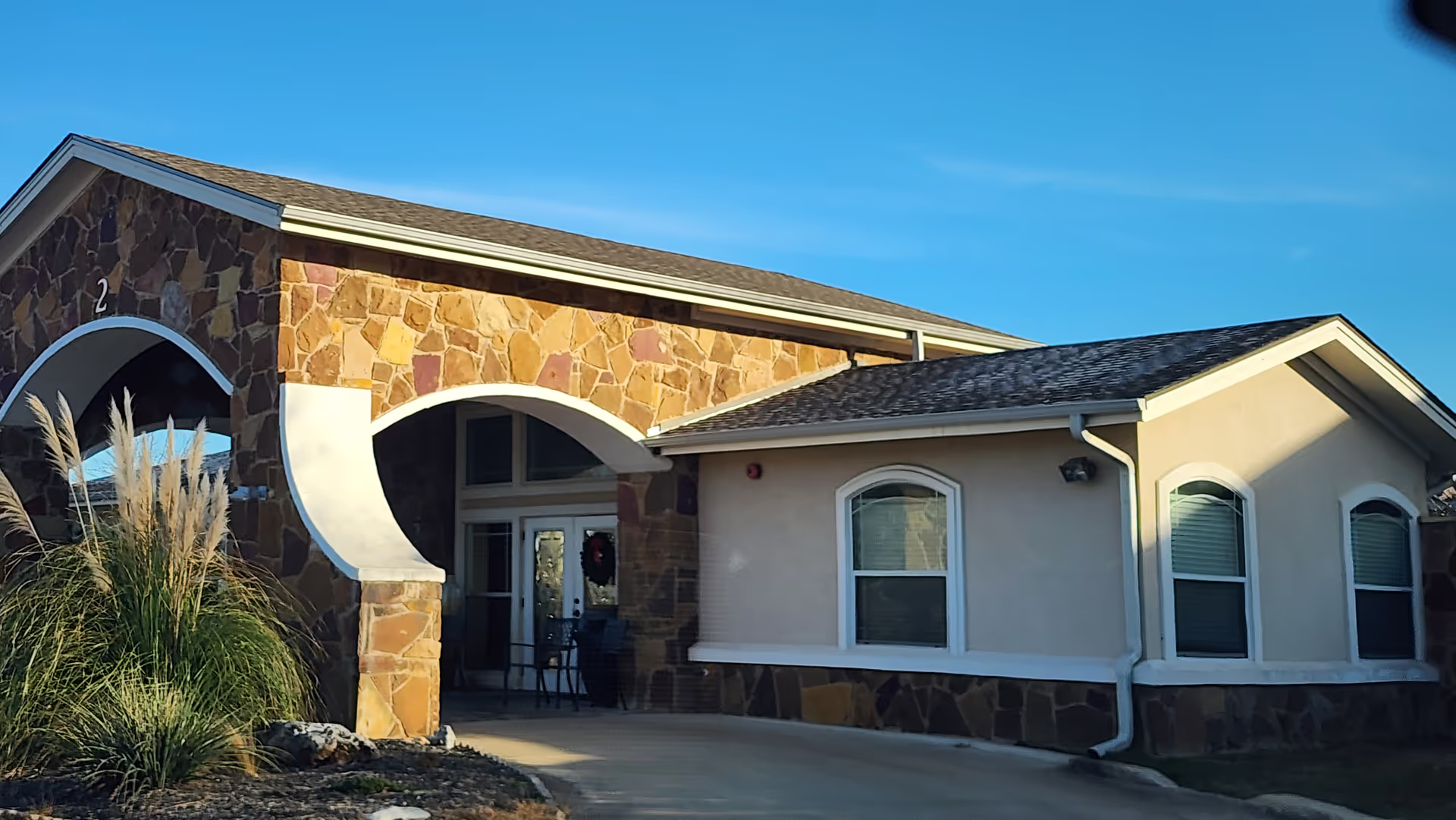
Activities and social connection are recurring strengths, with reviews mentioning bingo, crafts, music, dancing, outings, celebrations, and opportunities to form friendships. The grounds and common areas are often described as attractive, clean, calm, and welcoming. Other visitors describe dated rooms or furnishings, maintenance concerns, unpleasant odors in some areas, or inadequate temperature control. Tour impressions also vary, with some describing an orderly and well-kept setting and others finding the building dated or disorganized.
Management and administrative experiences are similarly mixed. Some families praise leadership for listening, resolving concerns, and supporting transitions; others describe difficulty getting clear answers about care, services, insurance coverage, or billing. One family alleges that VA benefit payments continued to enter an account established by the facility after the resident had moved elsewhere, and says questions about those funds went unanswered; this is an unverified account. Other reviews raise concerns about coverage estimates and financial communication. Individual accounts also describe delayed responses during serious health changes and concerns following a resident’s death; the reviews do not establish causation. Given the wide variation in experiences, prospective residents and families may wish to verify current staffing, care-plan procedures, dietary support, billing practices, and unit-specific conditions during a visit.