Windsor Quail Valley Post-Acute presents a distinctly mixed profile. Many families and clinicians praise the facility’s rehabilitative capabilities, noting a robust physical/occupational therapy program, effective wound care, outpatient rehab options, and transportation support to appointments. The activities program is repeatedly highlighted as engaging and well staffed, and multiple accounts commend individualized meal plans and a responsive food-service director. Admissions and business-office staff receive positive mention for helpfulness and clear guidance during transitions.
Clinical care impressions are varied. Positive accounts emphasize attentive nursing, helpful CNAs, and access to specialty services (nurse practitioner, podiatry, psychological care). However, other reports describe inconsistency in care delivery: delays in medication administration (particularly overnight), variability in therapy follow-through, and isolated concerns about pressure-injury management and other clinical outcomes. A small number of reviews raised allegations of serious incidents that families felt warranted further inquiry; these accounts increase the importance of verifying clinical processes and oversight during any placement decision.
Staffing and responsiveness are central themes driving both positive and negative experiences. Many reviewers identify individual staff members and leaders (therapy staff, CNAs, certain nurses, and named administrators) as compassionate and diligent. Conversely, recurring complaints point to understaffing, especially on night shifts, long call-button response times, and variability in staff conduct and training. Families link many operational problems — delayed care, missed baths, meal assistance gaps, and poor supervision — to staffing shortages and shift-to-shift variability.
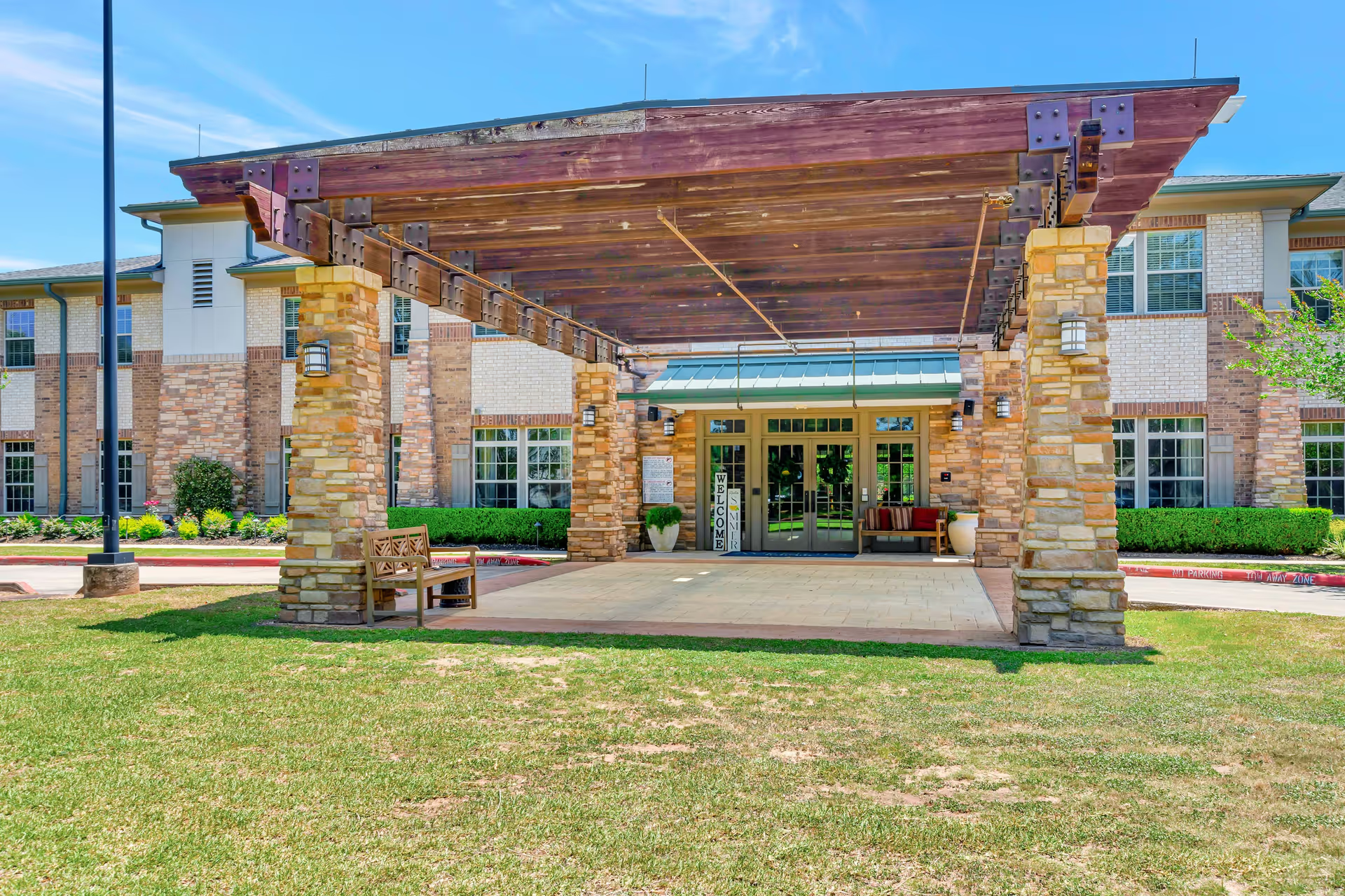
Facility condition and housekeeping feedback is conflicted. Several reviewers describe clean, comfortable, and well-decorated common areas and living spaces. Others cite sanitation concerns in resident rooms and bathrooms, odor concerns in parts of the building, inconsistent housekeeping performance, and pest-control concerns. Move-in readiness and room preparation are cited as occasional trouble points, indicating inconsistent operational standards for transfers and admissions.
Management and communication patterns are likewise mixed. Some families find administrators and departmental leaders accessible, responsive, and investigative when presented with issues. Other families describe difficulties reaching social workers or administrators, delayed callbacks, and dissatisfaction with how some concerns were escalated or addressed. These communication gaps appear linked to frustration around discharge planning, admission coordination, and responses to overnight issues.
Overall pattern and guidance: Windsor Quail Valley demonstrates clear strengths in rehabilitation, wound care, activities, and in many individual staff relationships. At the same time, there are consistent operational themes that merit scrutiny — most notably staffing variability, cleanliness and incontinence-care inconsistencies, medication-timing and night-shift responsiveness, and variable management follow-through. Prospective residents and families should arrange an in-person visit, observe therapy sessions and mealtimes, ask for current staffing ratios and overnight coverage plans, review sanitation and pest-control protocols, and request specific contacts for escalation. Verifying written care plans, medication administration processes, and expected timelines for move-in readiness will help align expectations and identify whether the facility’s strengths match the resident’s needs.