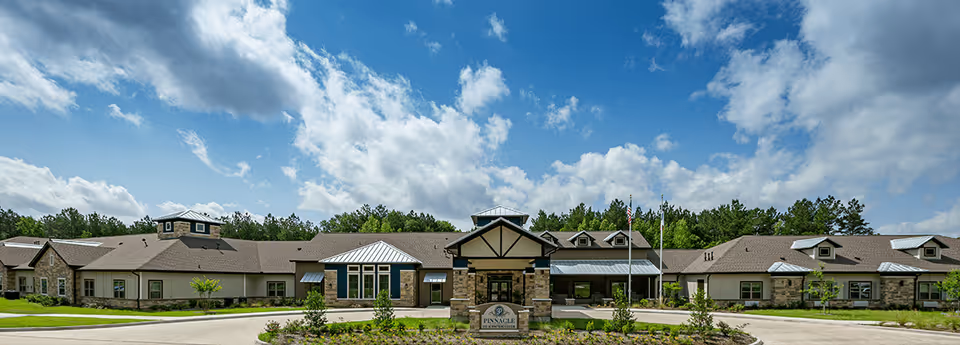
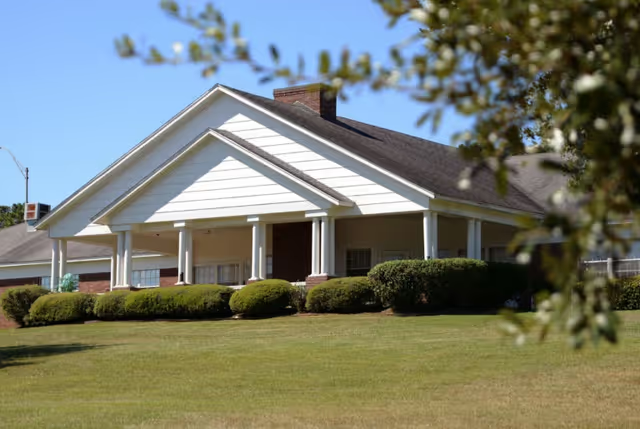
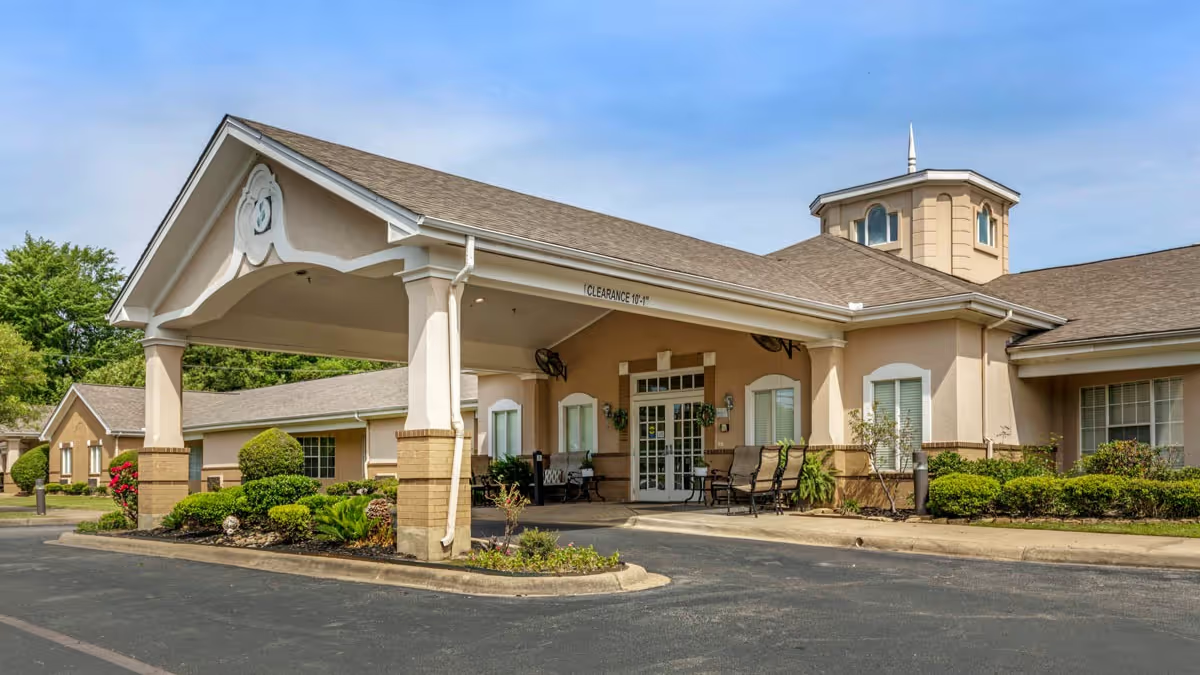
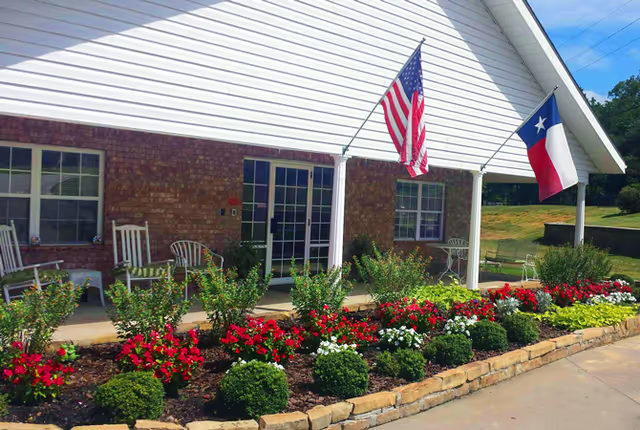
Stallings Court Nursing and Rehabilitation presents a mixed but generally positive clinical profile. Strengths are concentrated in hands-on care and therapy: many accounts describe compassionate nursing staff and certified nursing assistants, strong physical and occupational therapy teams, and successful short-term rehabilitation outcomes. The facility’s modern, recently renovated building and comfortable, well-appointed rooms are repeatedly highlighted, as are proactive social work and admissions personnel who facilitate family communication and care planning. Families frequently note prompt access to on-site medical providers, frequent therapy updates, and a visiting environment that can be welcoming and family-oriented.
Care quality and staffing show a dual pattern. On one hand, numerous reviewers praise individual caregivers, therapists, and administrators for attentive, patient-centered care and for going beyond expectations. On the other hand, reviewers also describe variability in staff professionalism and responsiveness. Operational weaknesses implied across accounts include delays in attending to resident needs, uneven attention during shift changes, and concerns about medication-management processes. There are also specific references that indicate challenges with timely incontinence care and with rapid response to falls; these should be considered indicators of variable bedside practices rather than universal performance.
Dining and activities present similarly mixed findings. The facility offers daily activities, community outings, volunteer engagement, and therapy-driven programs that many families found meaningful and beneficial to quality of life. However, meal quality is inconsistent for some residents: menus have been described as repetitive, and therapeutic diet options (for example, diabetic-friendly selections) appear limited or disappointing to some families. Prospective residents should evaluate menu options relative to individual dietary needs.
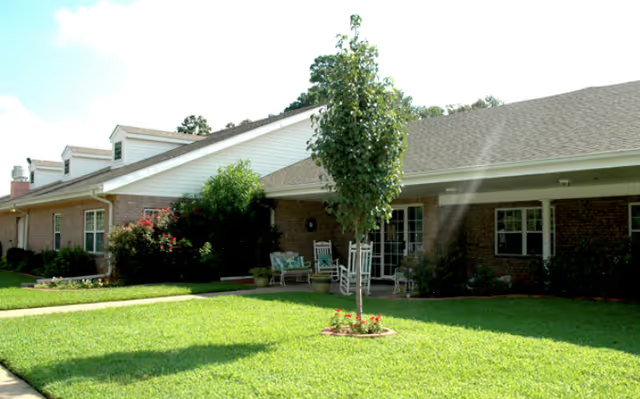
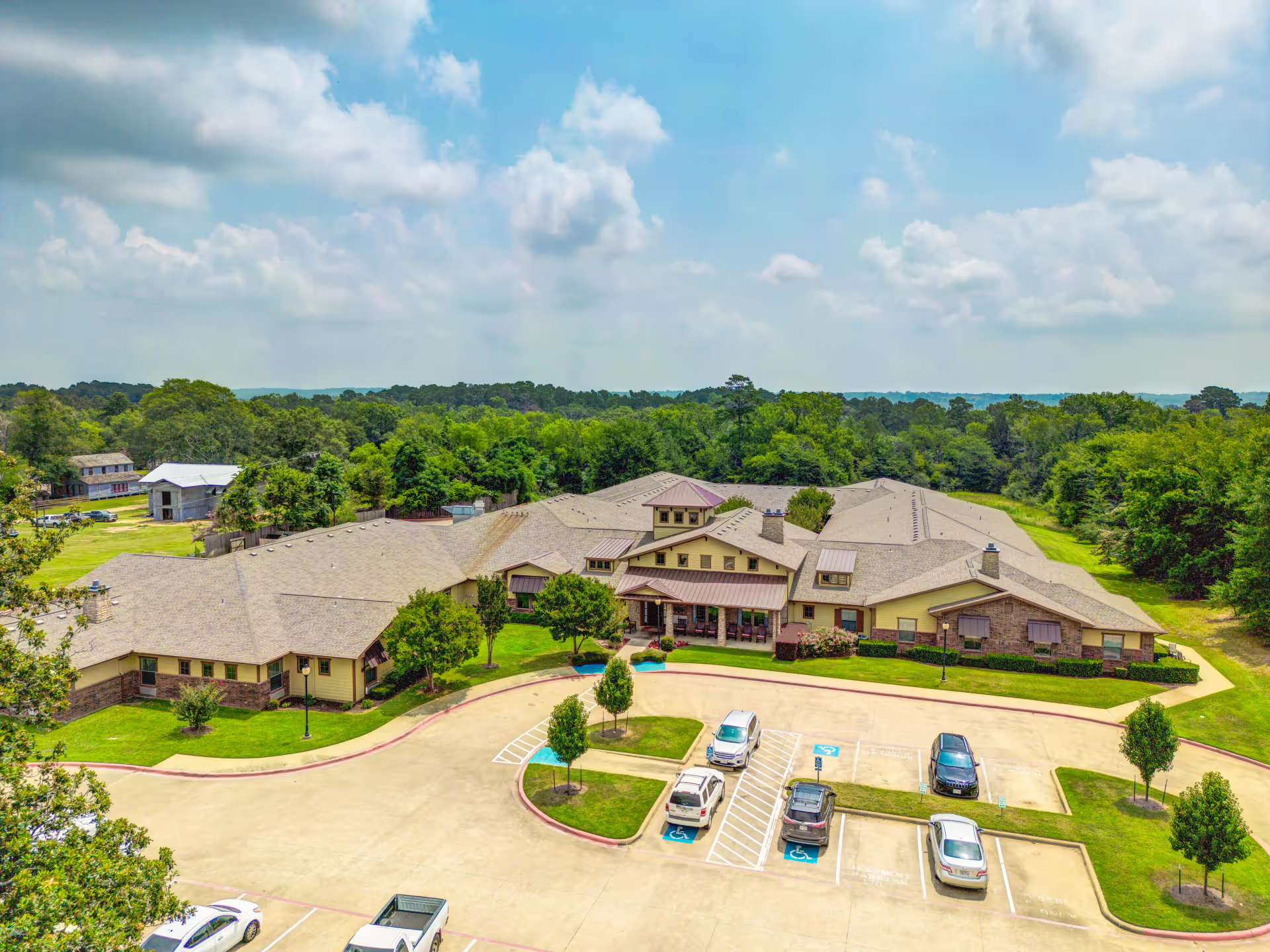
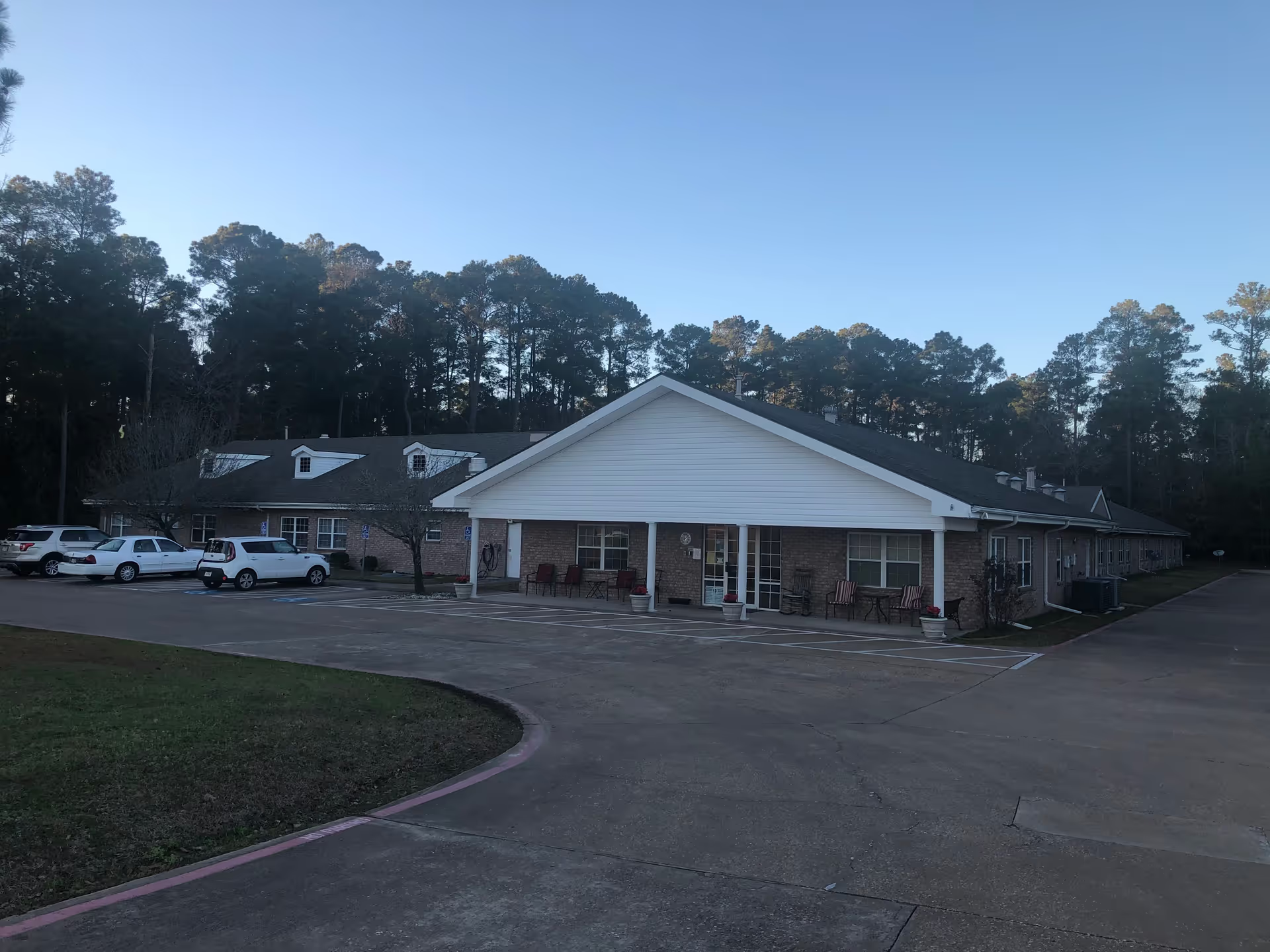
Facility condition and operations: the physical plant is generally well-regarded for its appearance, cleanliness, and updated spaces, including bathrooms and communal areas. At the same time, reviewers point to inconsistent housekeeping standards and maintenance lapses in certain areas (for example, clutter or odor concerns in entrances, dust in rooms, and trash left in shared spaces). There are also recurring mentions of missing personal items and lapses in belongings tracking, suggesting a need for stronger inventory and property-control processes.
Management and administrative themes are mixed as well. Several families praised administrators, social workers, and specific admissions staff for clear communication, responsiveness, and helpful coordination. Conversely, others expressed concern about business-office transparency, admissions marketing versus actual experience, and inconsistent follow-through between leadership and frontline teams. Interdepartmental communication gaps were highlighted as an operational weakness contributing to medication errors, misplaced items, and muddled care coordination.
Overall pattern and guidance: Stallings Court demonstrates clear strengths in therapy, many individual caregivers, and a modern physical environment that supports rehabilitation and social engagement. The notable operational issues are not limited to isolated incidents but point to systemic inconsistencies in housekeeping, staff conduct and responsiveness, medication controls, belongings management, and communication between departments. Families considering the facility will likely see strong clinical and rehabilitative benefits but should probe operational controls during tours—ask about housekeeping schedules, medication safety protocols, belongings inventory procedures, fall-response routines, and therapeutic-diet menu planning—to ensure those systems meet individual needs.