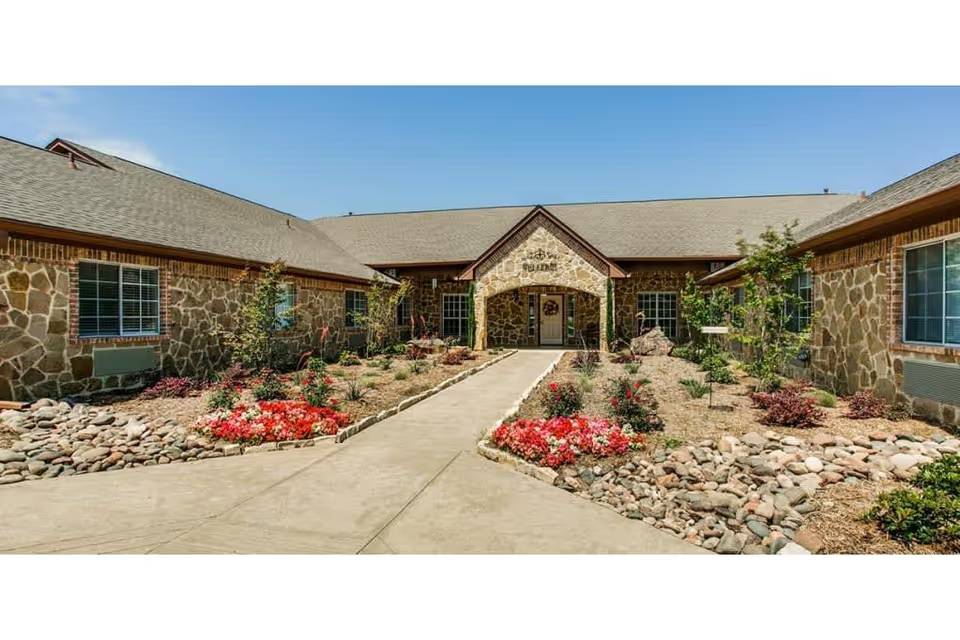
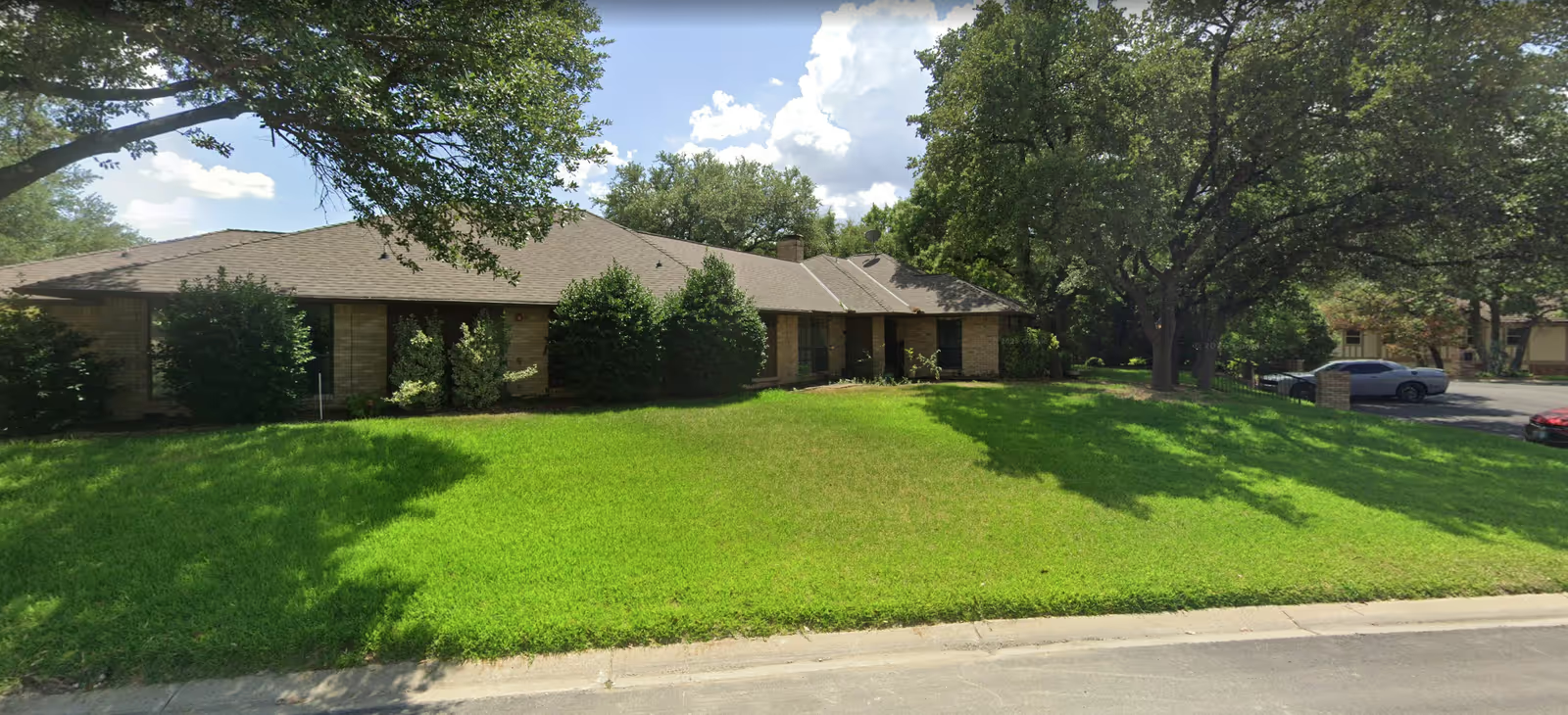
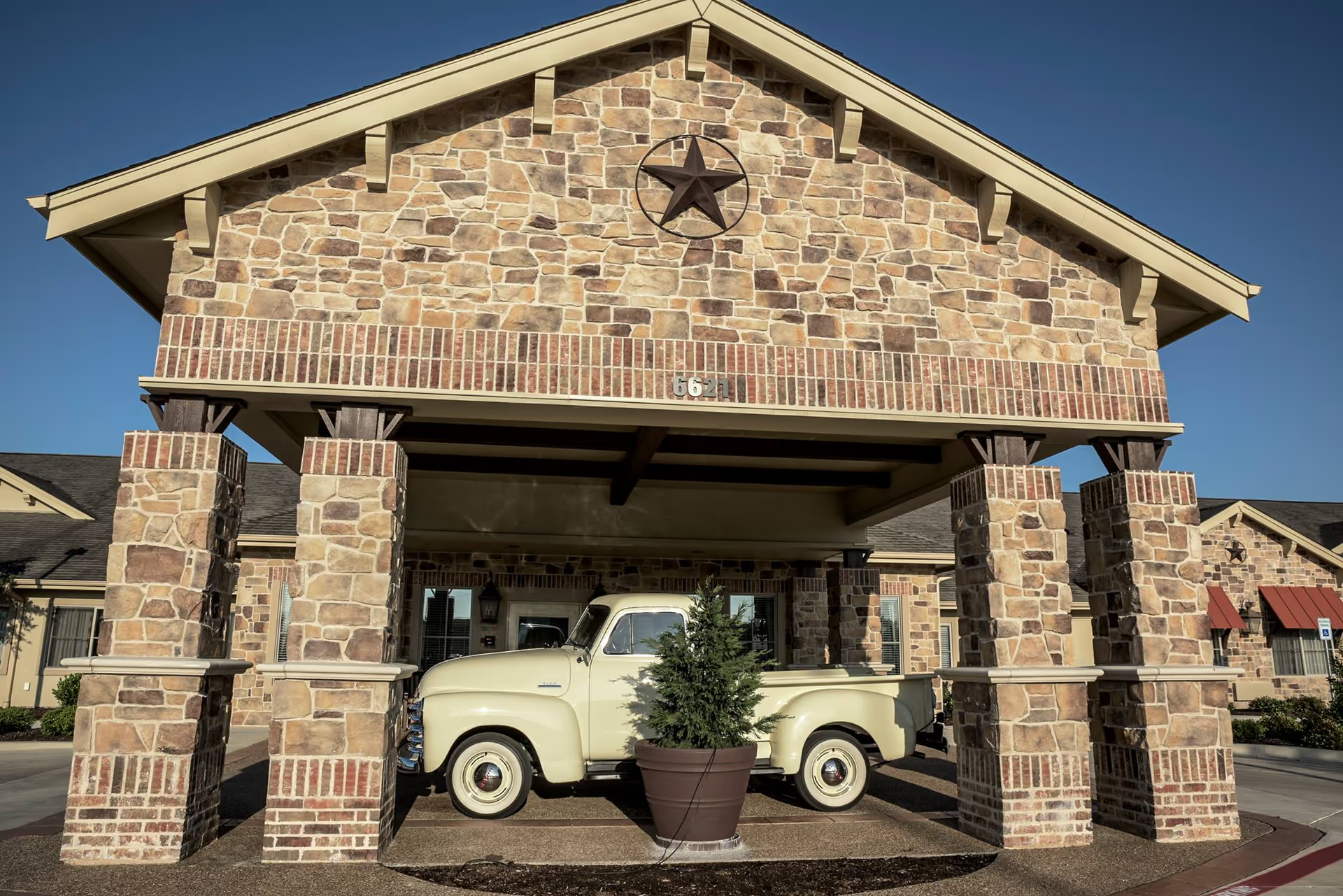
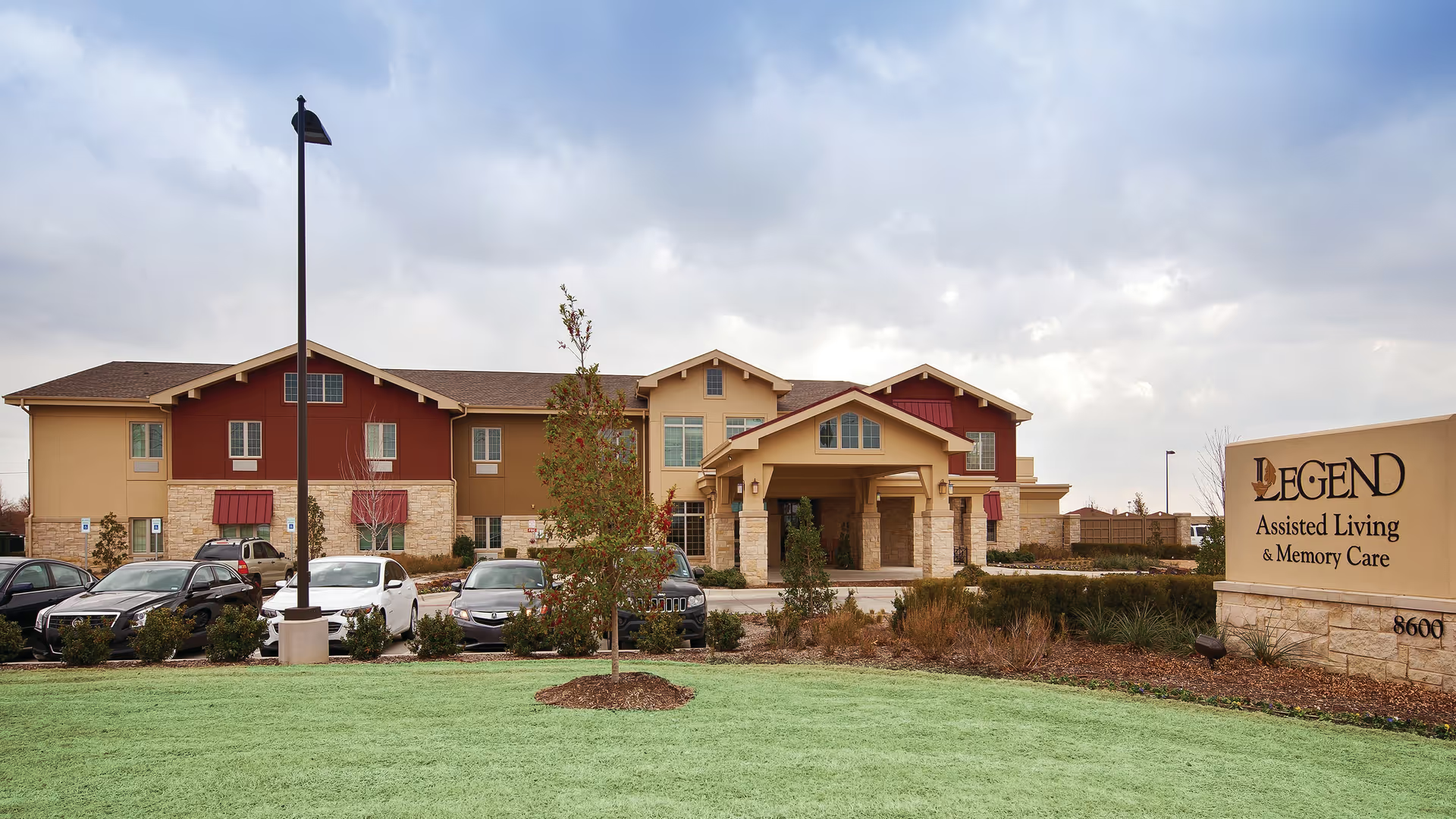
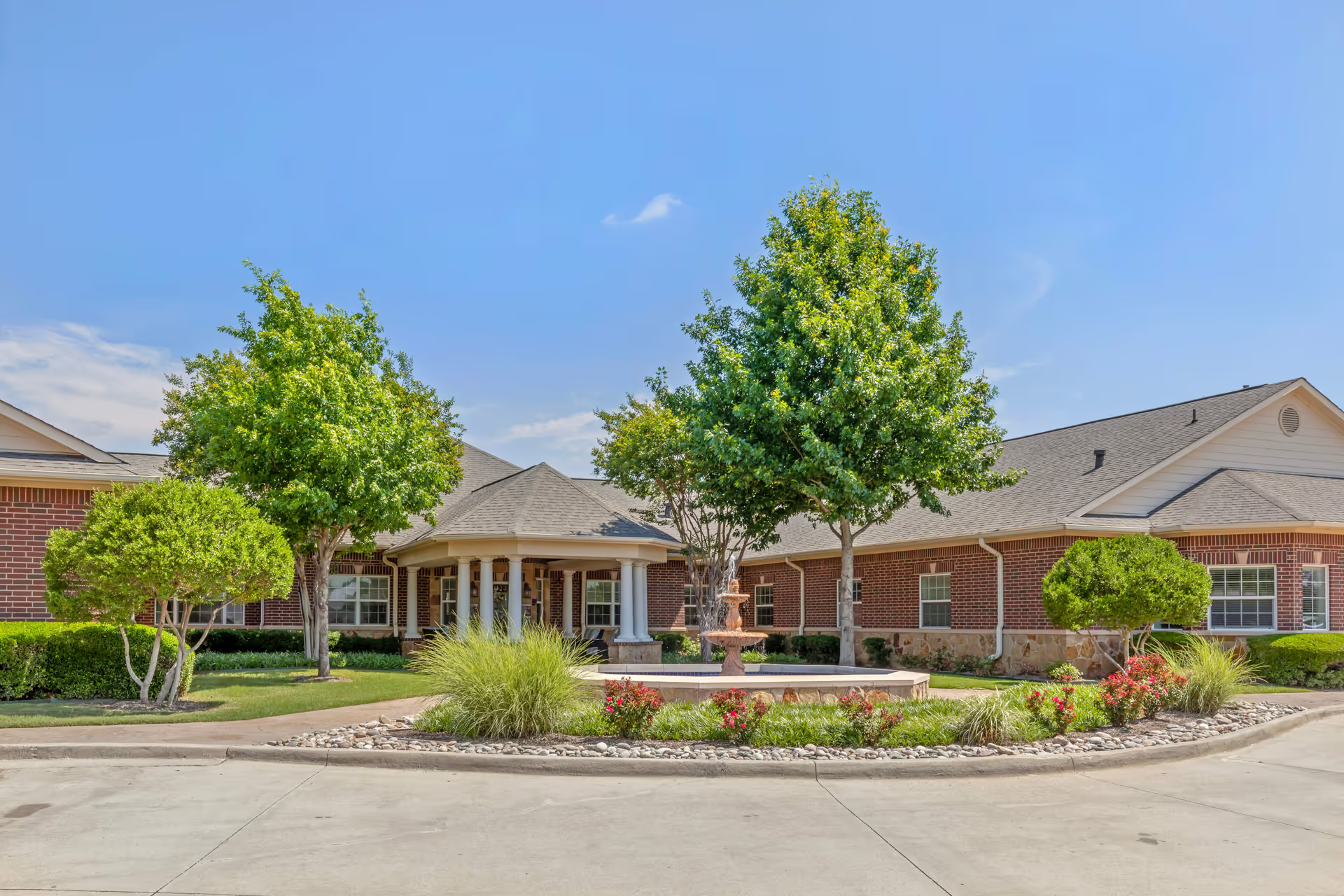
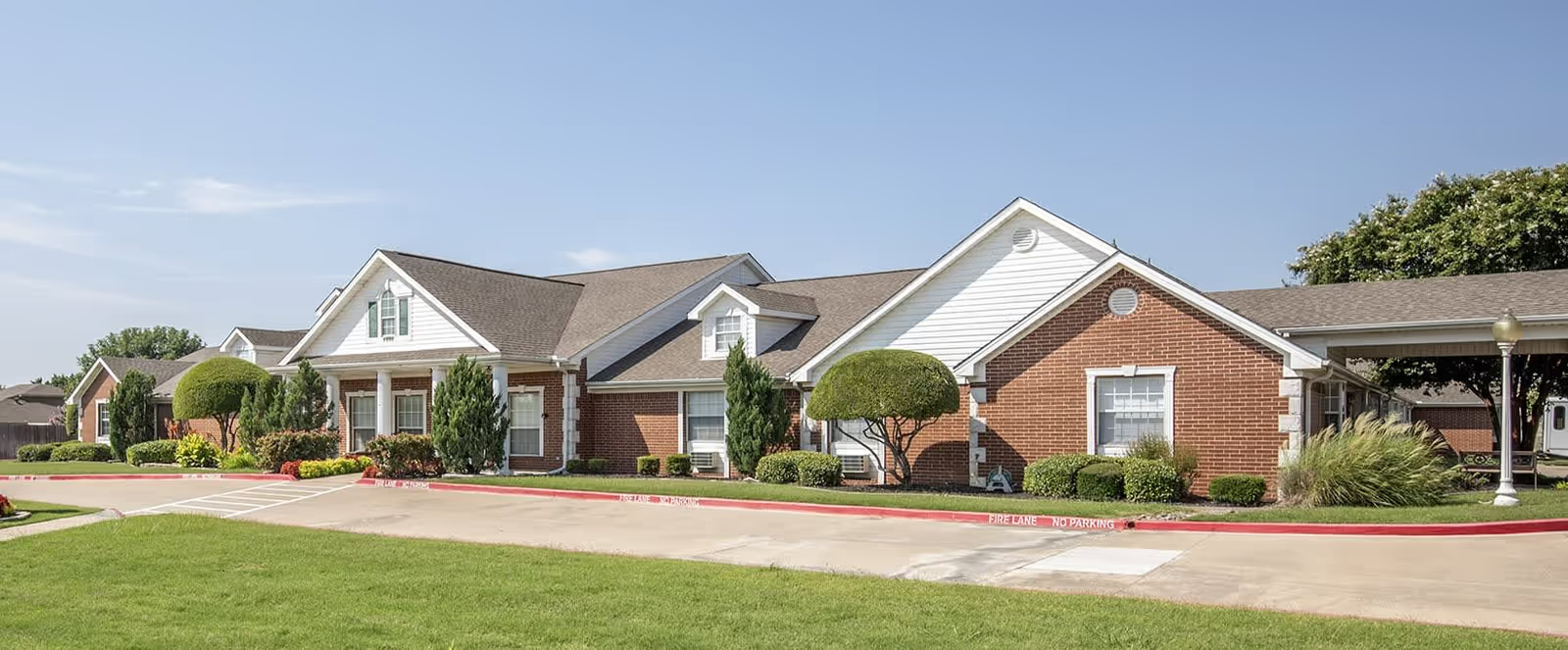
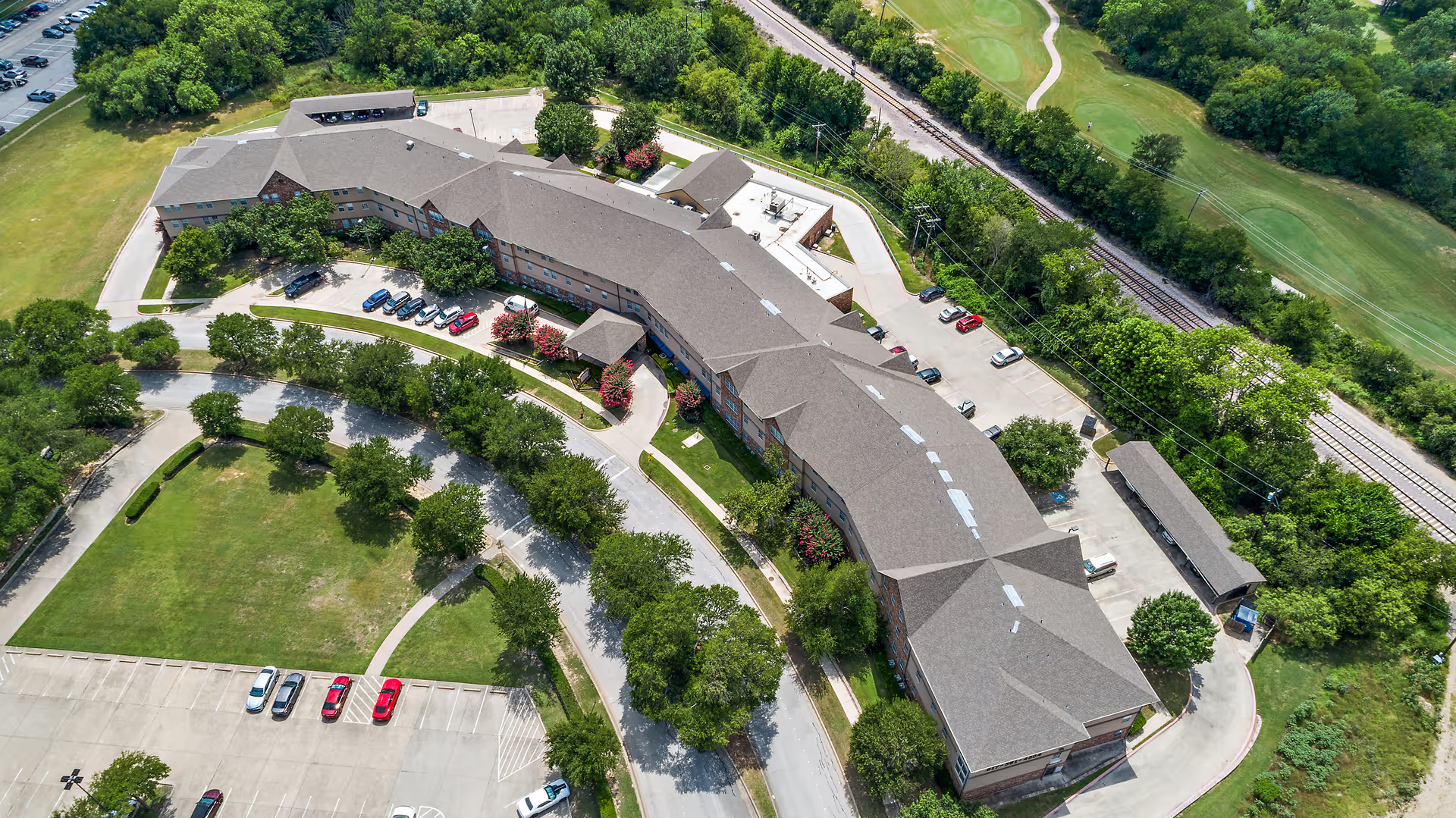
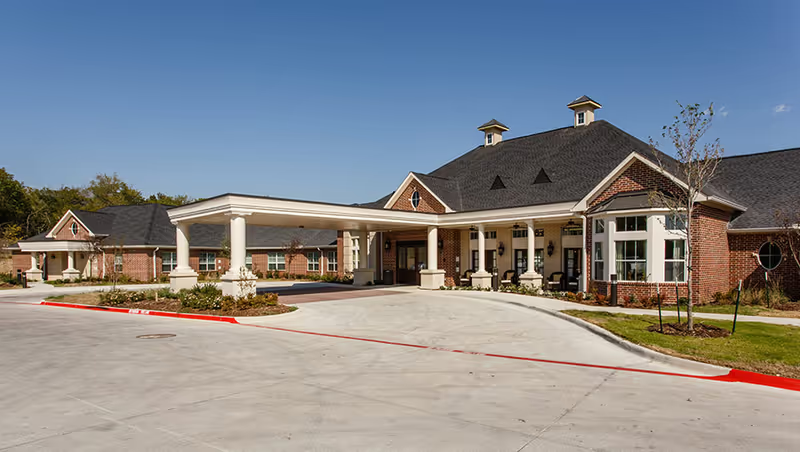
Feedback for The Lodge of Saginaw Health & Wellness is strongly mixed, with many families describing a well-appointed, modern facility and engaged staff while others report substantive operational concerns. The facility's physical environment is frequently praised: reviewers note clean, bright common areas, comfortable seating indoors and outdoors, a well-maintained dining hall, and a secure, modern design that gives a hotel-like first impression. Admissions and front-desk interactions are often described as smooth and welcoming, and the building and grounds are repeatedly characterized as tidy and odor-free.
Staff and direct care quality elicit a wide range of impressions. Numerous accounts highlight compassionate, attentive CNAs, helpful nurses, and particular staff members and activity leaders who engage residents by name and provide a family-like atmosphere. Several families attribute clinical improvement and successful rehabilitation to the facility's therapy services and note that therapy staff supported residents' recovery and regained independence. At the same time, other families report inconsistent staff performance tied to turnover and staffing shortages, including delays in responding to call requests and variability in competency across shifts.
Dining and activities are notable strengths for many residents. The presence of an on-site chef who prepares meals from scratch and makes an effort to learn resident preferences is frequently commended, and activities programming — including music therapy, live bands, pianists, pet therapy, and spiritual programming — is viewed as engaging and meaningful. However, reviewers also describe uneven dining experiences: while some praise the food and service, others note repetitive menus or periods of poor meal quality and interruptions to meal-service continuity.
Clinical operations and safety present the clearest areas of concern. Reviews describe lapses that cluster around medication-management (including missing medications after transfers and challenges coordinating hospice medication), inconsistent monitoring and delayed clinical responses, and examples implying gaps in safety protocols and equipment oversight. These operational weaknesses are often linked to communication failures with families; several accounts cite poor transparency, delayed or inaccurate family notifications, and inconsistent documentation. In a subset of reviews, families raised serious concerns following critical incidents and a resident death; these have led to allegations that attracted attention beyond routine complaints in a few instances.
Overall, the pattern is one of significant variability: prospective residents and families may encounter strong clinical and social supports in a clean, engaging environment, but should also be aware of recurring operational weaknesses. Recommended due diligence includes discussing staffing levels by shift, medication-administration and transfer protocols (including hospice coordination), family communication procedures, and emergency response practices. Visiting during different times of day, meeting nursing leaders, and reviewing recent quality or regulatory records can help families better assess whether the facility's strengths align with their care needs and risk tolerances.