Castle Hills Rehabilitation and Care Center elicits strongly mixed impressions. Many families and patients describe a high level of clinical and rehabilitative care: an established physical and occupational therapy program, measurable short-term rehab gains, on-site dialysis, hospice and respite options, and nursing teams who are described as compassionate and attentive. Admissions coordination, social-work support and an engaged activities director are noted strengths in multiple accounts, as are organized events, community outings, and generally nutritious, diet-appropriate meals.
At the same time, a recurrent set of operational concerns appears across reviews. Cleanliness and sanitation practices are inconsistent: while common areas and renovated spaces receive praise, a number of accounts raise sanitation concerns within resident rooms and certain units. Staffing quality and reliability vary by shift and unit; reviewers describe both exemplary caregivers who go above and beyond and other shifts with inconsistent bedside performance. These staffing inconsistencies are linked to delays in responding to urgent needs, gaps in emergency escalation, and uneven documentation practices.
Clinical continuity and transitions of care show mixed performance. Several reviewers cite problems with discharge medication reconciliation and missing prescriptions after discharge, as well as slow physician callbacks. Family communication is uneven: some administrators and case managers are described as proactive and helpful, while others are slow to respond or dismissive. Ownership and management turnover have been frequent, and that instability appears to correlate with variability in staffing, processes, and overall facility consistency.
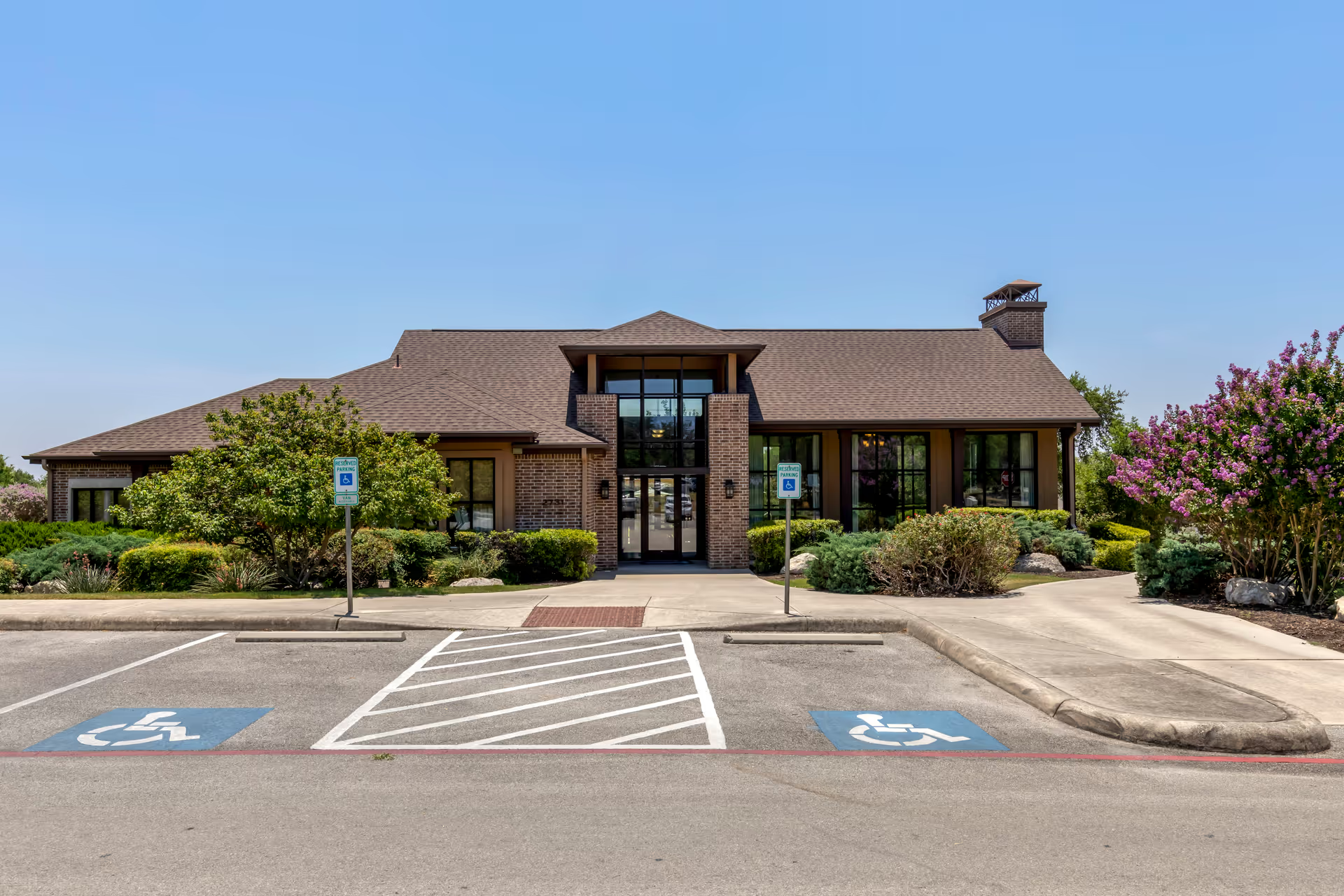
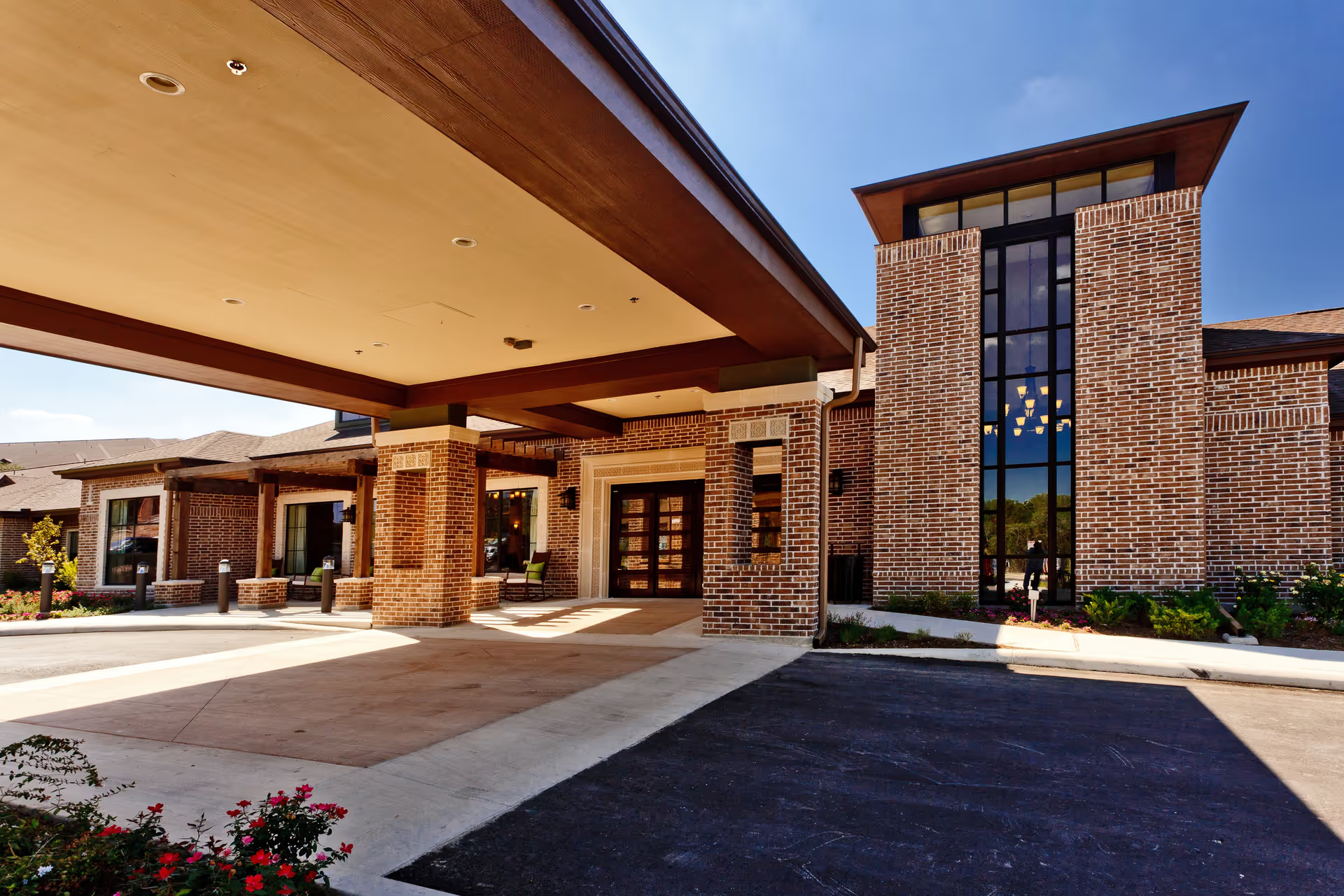
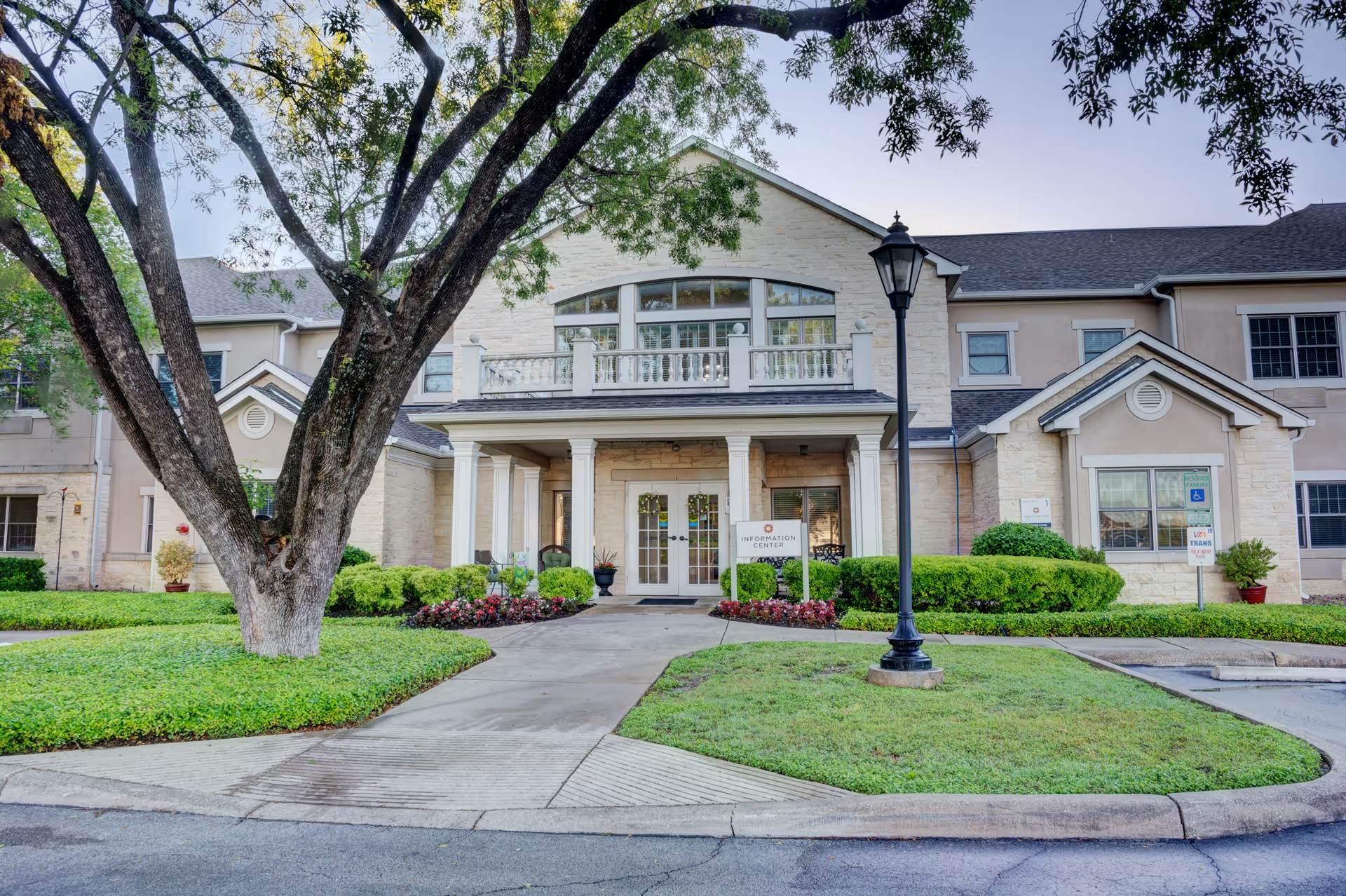
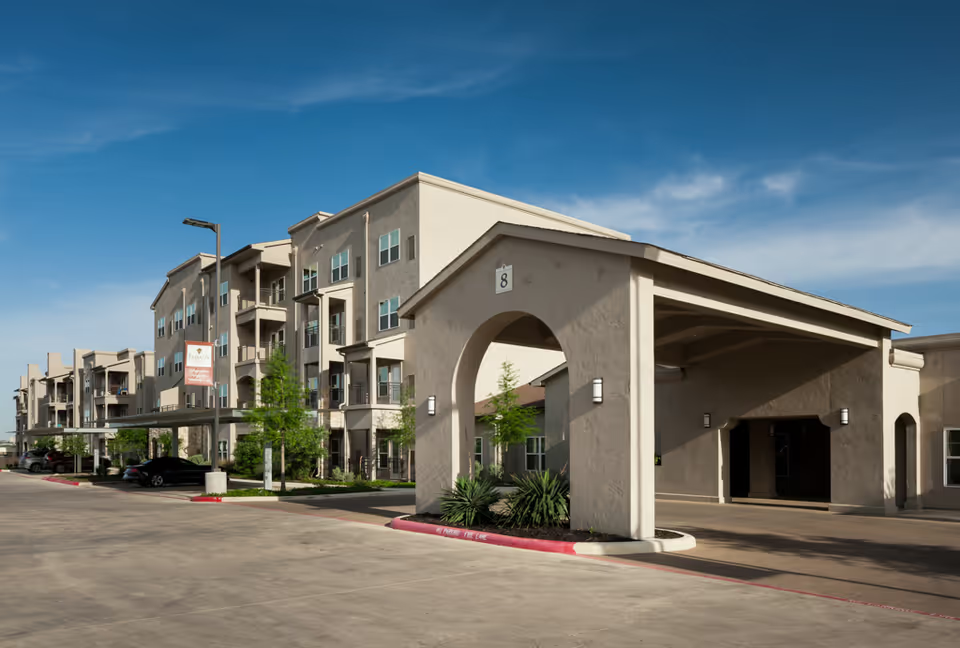
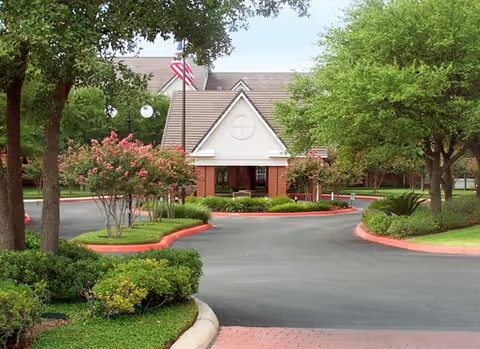
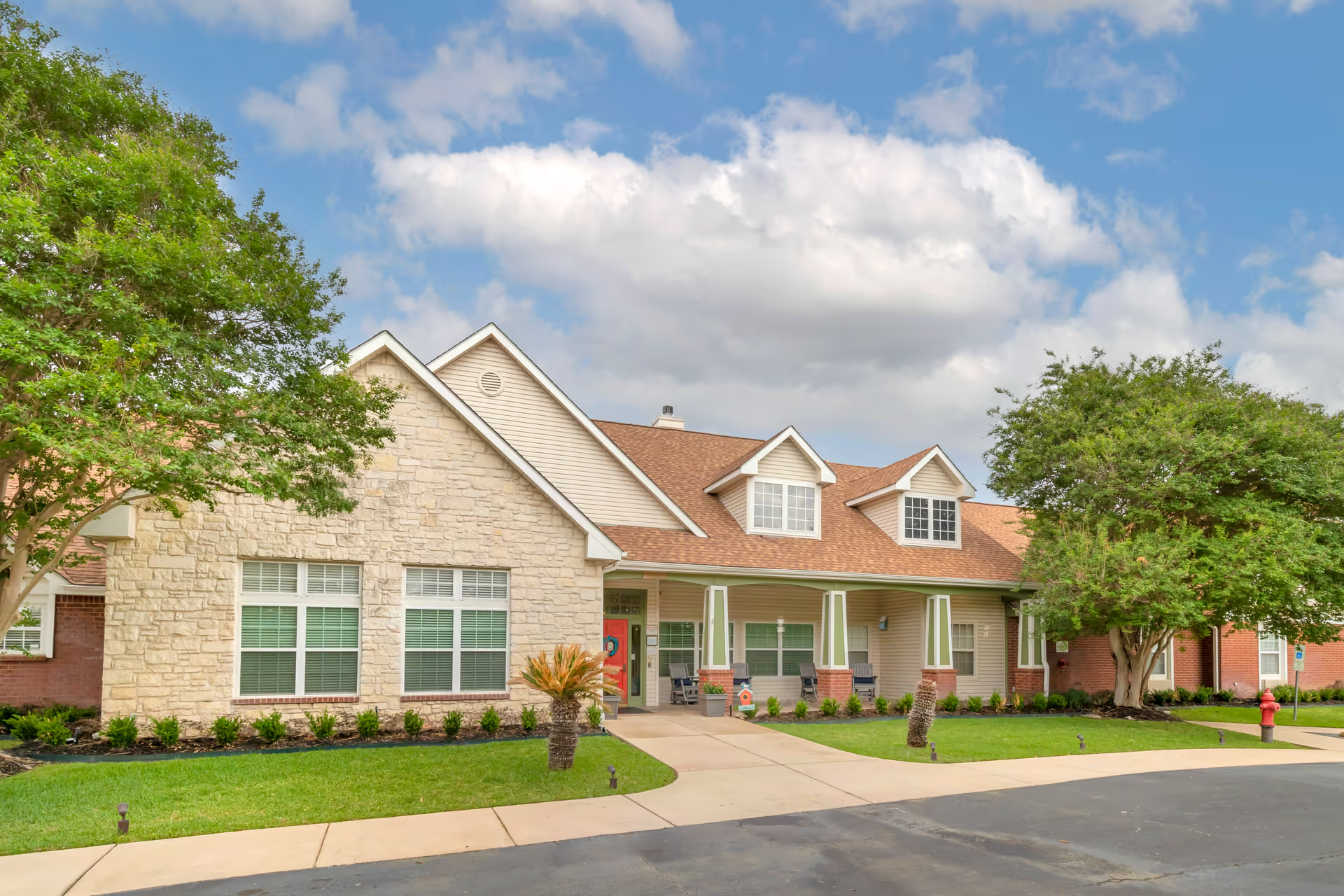
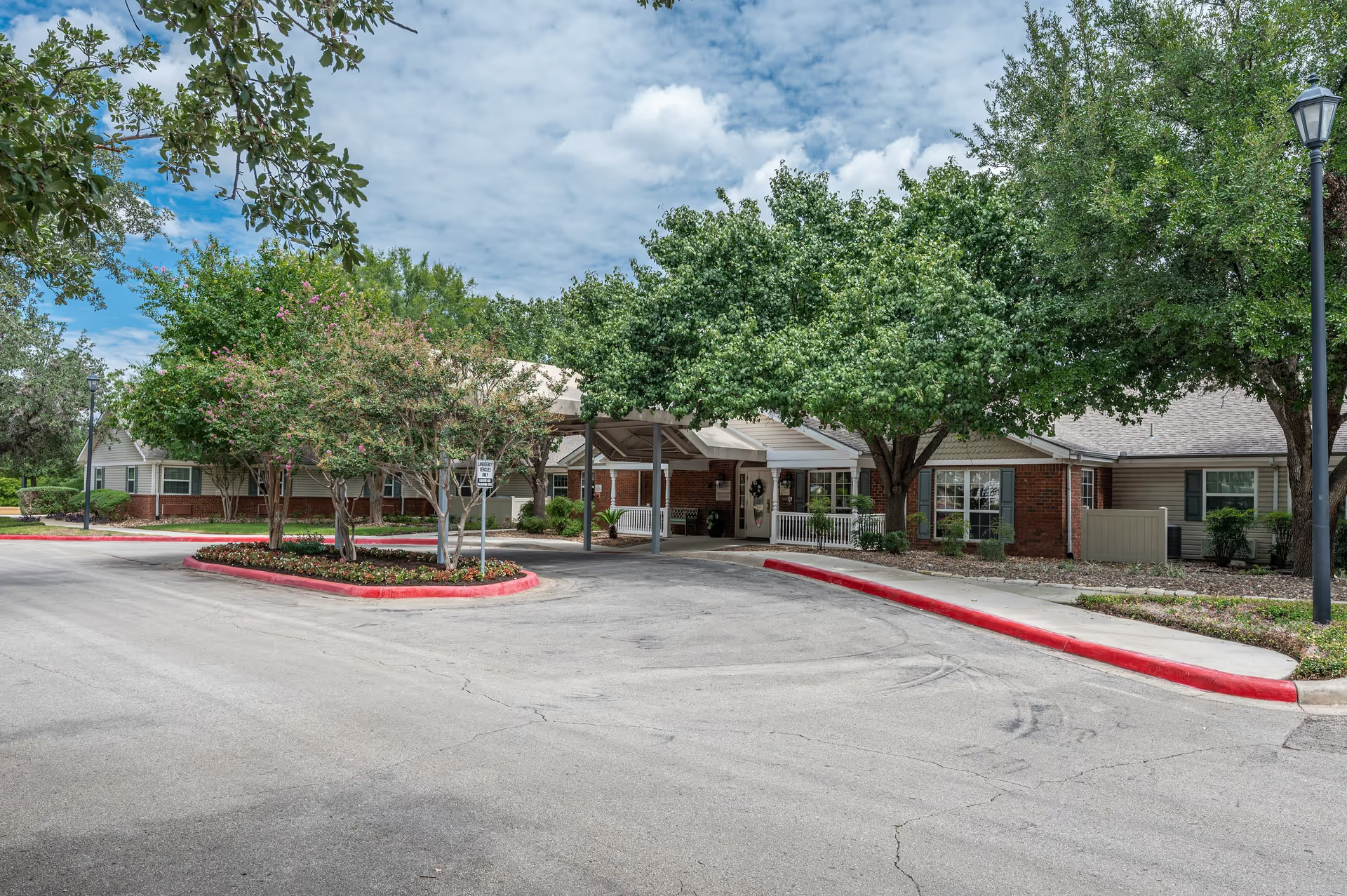
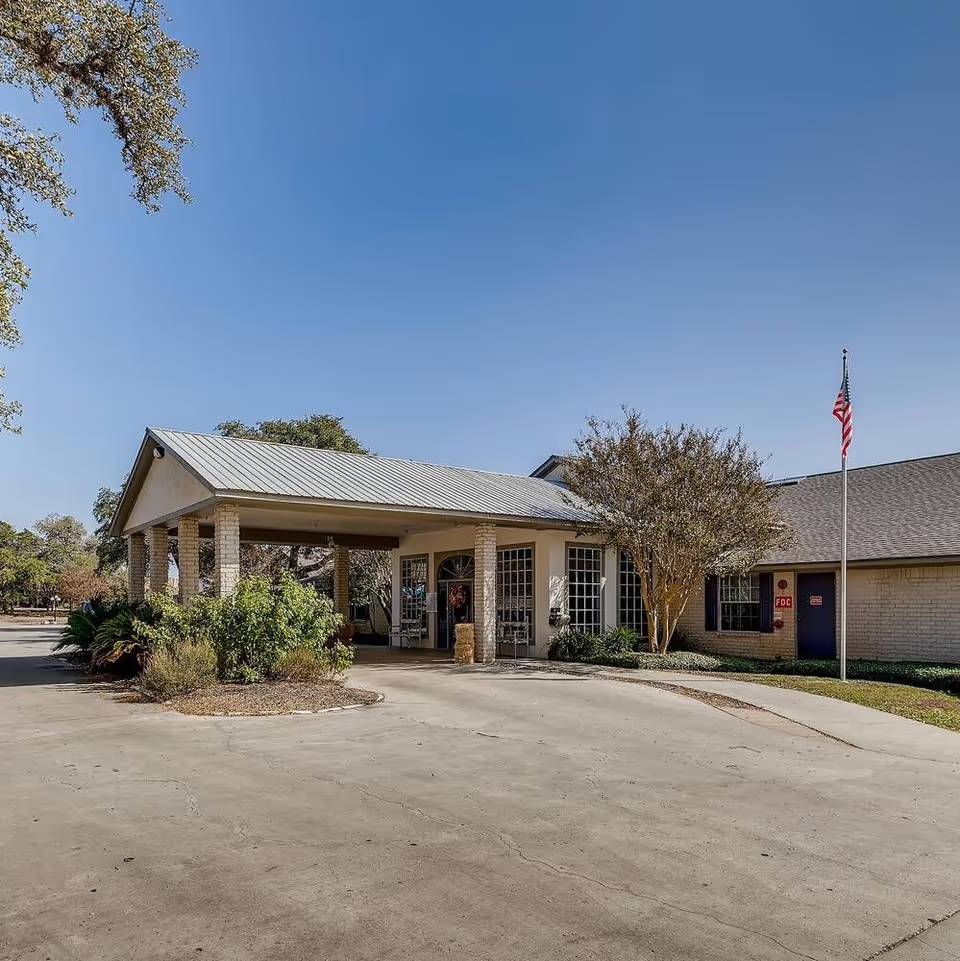
Facility amenities and infrastructure present a similar contrast. Many reviewers praise recent renovations, updated interiors, and a welcoming event environment; others note a dated exterior, room amenity gaps, TV/channel problems, and at least one power-outage incident. Activities programming is often a strength when the activities director is active, but programming consistency and availability fluctuate. Infection-control and outbreak-related concerns were raised in connection with prior events, and there are references to subsequent state-level scrutiny.
For prospective residents and families this profile suggests clear trade-offs. Castle Hills can offer strong rehabilitation outcomes, engaged therapy staff, and a warm, activity-rich environment under the right staffing and management conditions. At the same time, variability in housekeeping, staff reliability, clinical documentation, and communication are material considerations. Visitors and decision-makers should prioritize an on-site assessment: review a current staffing plan and infection-control procedures, inspect resident rooms for sanitation and amenities, ask about recent turnover and ownership transitions, and get a clear written plan for medication reconciliation and emergency escalation before placement.