Parklane West presents a mixed but distinct pattern: clinically strong rehabilitation services and numerous examples of attentive, compassionate front‑line caregivers are contrasted with recurring operational and staffing weaknesses that have affected some residents' experiences.
Care quality and clinical services: The facility is repeatedly praised for its physical and occupational therapy teams, in‑house therapy gym, new equipment and indoor therapy pool. Many residents met rehabilitation goals and returned home after short stays; therapy staff are described as encouraging and effective. Nursing and caregiving staff also receive substantial positive feedback for compassionate, hands‑on care; however, there is a notable pattern of inconsistent nursing performance across shifts. Concerns raised include delays in medication delivery, gaps in medication‑management controls, and inconsistent assistance with bathing and continence needs. Several reviewers described situations that required transfer to acute care; while these appear to be individual events, they point to variability in clinical oversight and escalation processes.
Staff and culture: Reviewers frequently name individual staff members and business‑office personnel as exemplary, indicating pockets of strong leadership and staff engagement. At the same time, many comments point to short staffing, high turnover, use of temporary staff, and incidents of poor staff conduct or tone. These operational staffing pressures are linked in multiple accounts to delayed response times, inconsistent routines, and uneven resident interactions. Families highlighted that communication from charge nurses and some managers was timely and helpful, yet other families reported variable management follow‑through when clinical concerns were raised.
Dining and activities: Dining services receive mixed reviews. Several families praise the chef, menu customization, and accommodating dietary staff; others note variability in food temperature, blandness, and occasional service problems. The activities program and director are often described as strong, with meaningful engagement for many residents; nonetheless, some residents — particularly those with cognitive impairment — were said to receive limited structured programming or spent extended periods in-room.
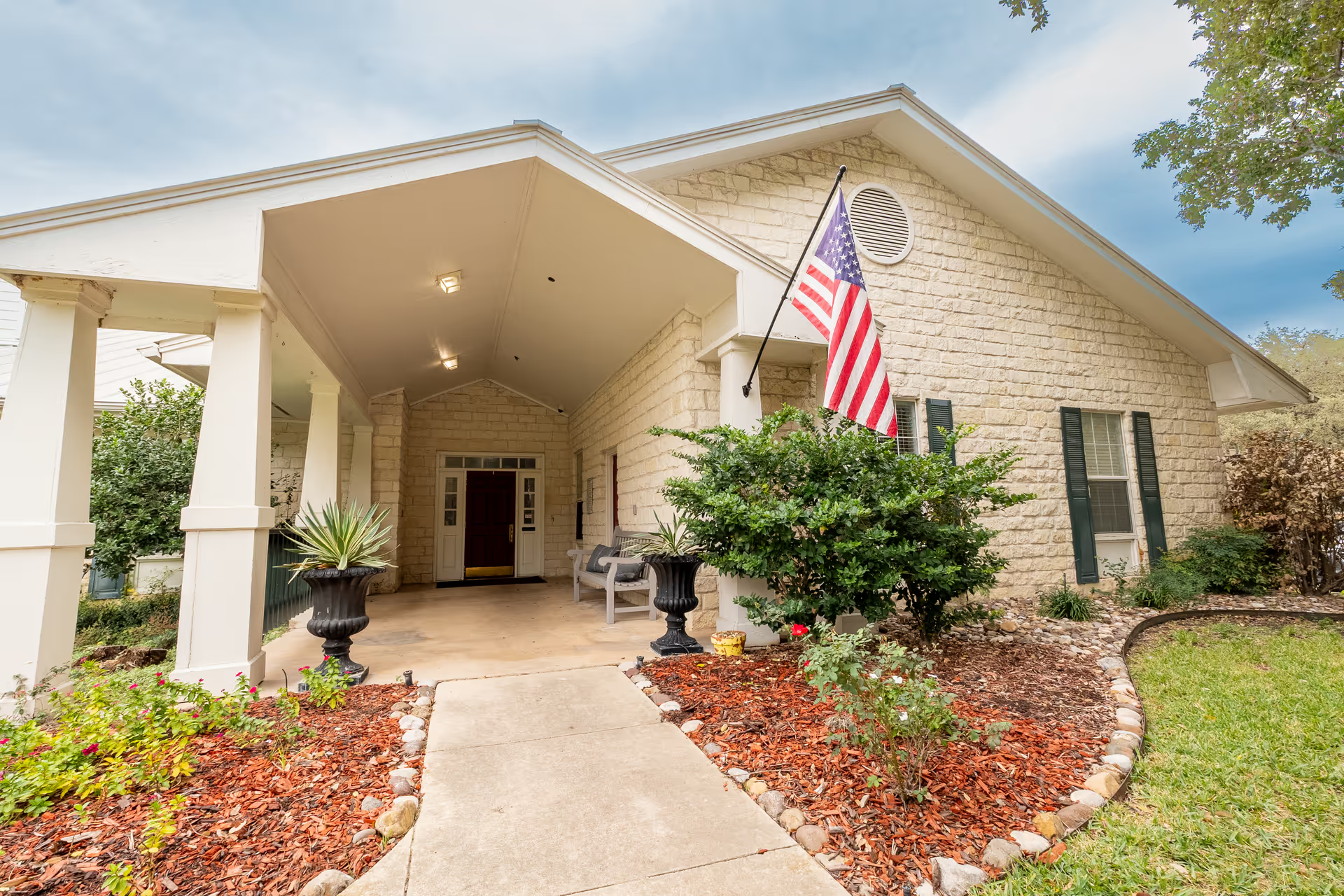
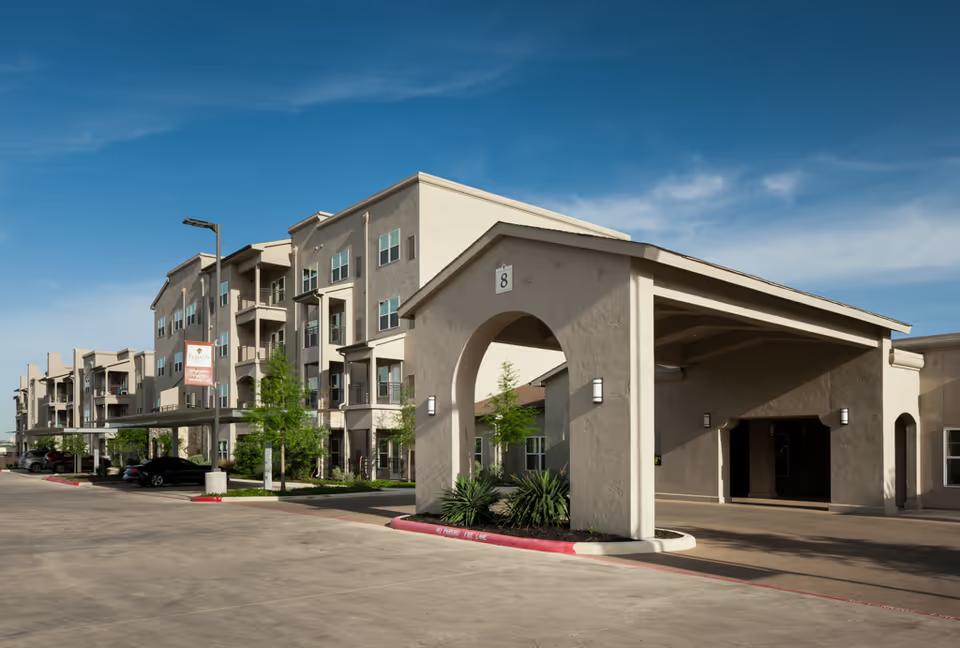
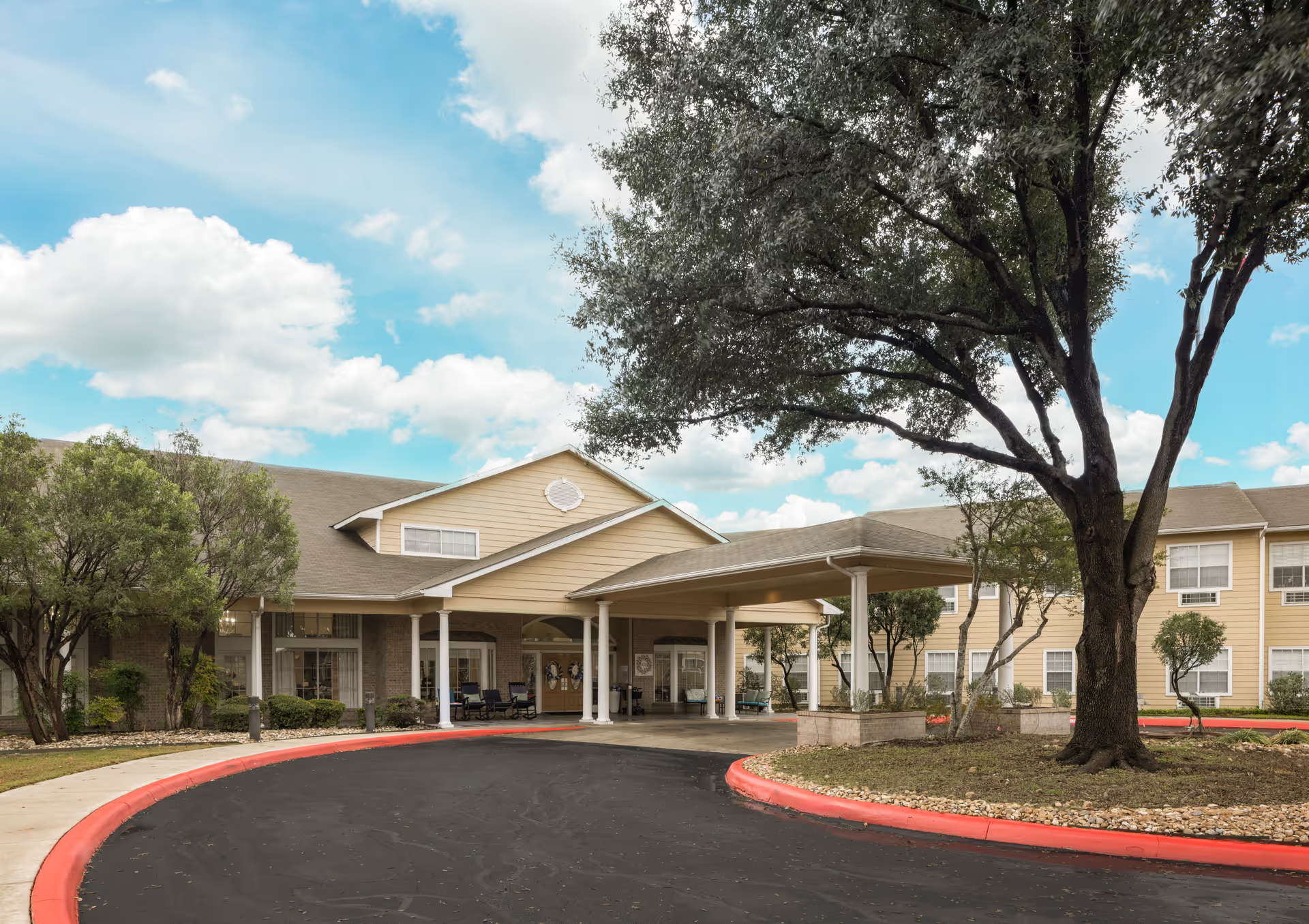
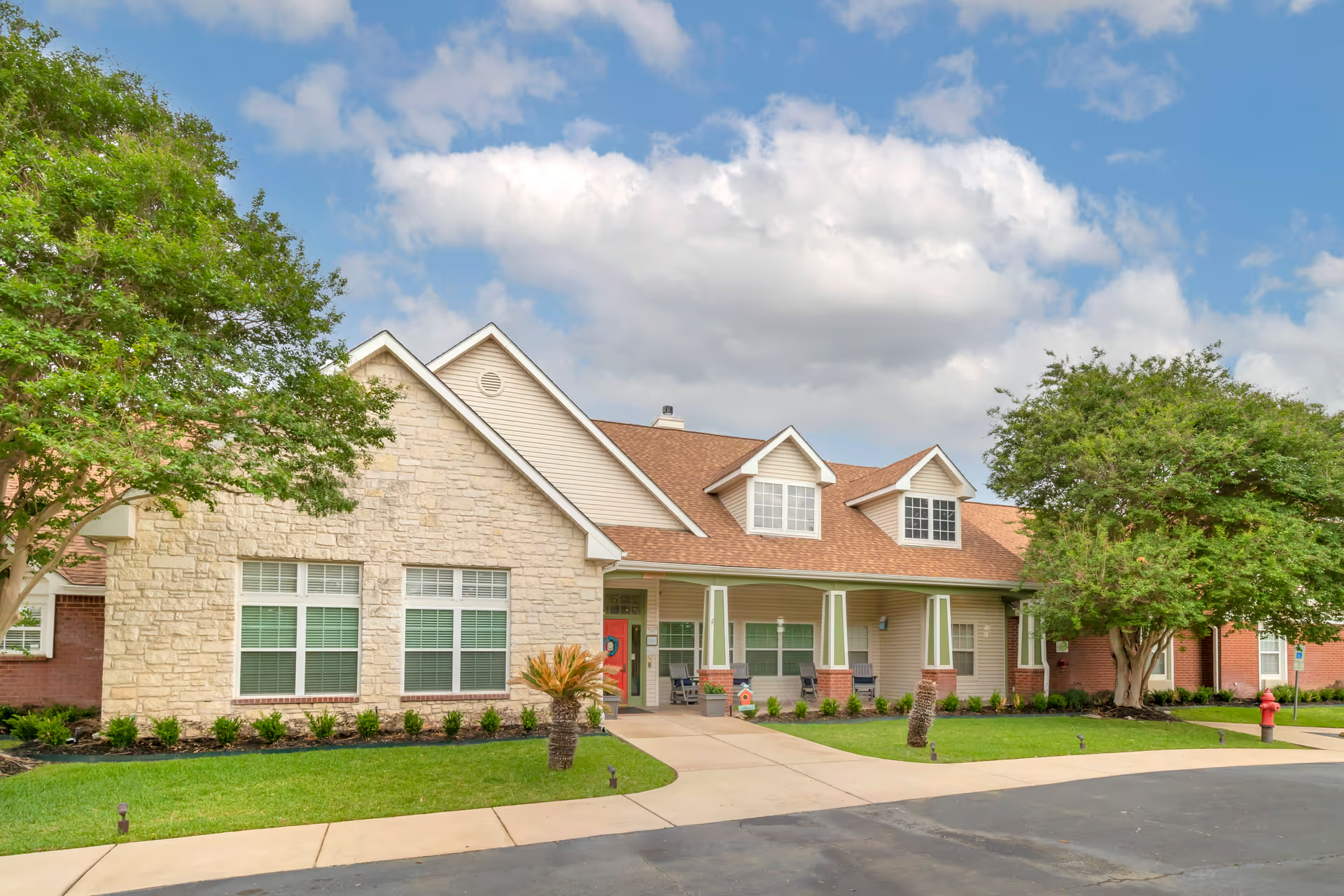
Facilities and environment: The campus and interior are frequently described as clean, well‑kept, and hotel‑like, with attractive halls, outdoor seating, and secure gated entry. Daily housekeeping and room maintenance are strengths for many. Conversely, reviewers also describe environmental maintenance lapses such as air‑conditioning outages, water leaks, and localized sanitation or odor concerns. There are isolated pest‑control concerns and occasional infrastructure issues consistent with an older building in parts of the facility.
Management and notable patterns: Management impressions are mixed. Admissions, tours, and business‑office interactions — notably assistance with insurance and Medicaid navigation — are commonly praised. Some families credit leadership with resolving issues; others report insufficient follow‑through after complaints. A few reviews include serious allegations such as missing personal items; these should prompt prospective families to ask about property‑management and investigation procedures. Overall, the pattern suggests that the facility can deliver high‑quality rehabilitation and compassionate care, but that outcomes depend heavily on staffing levels, shift consistency, and management responsiveness.
Recommendations for prospective families: When evaluating Parklane West, verify current staffing ratios and turnover metrics, ask about medication‑administration safeguards, infection‑control practices (including roommate placement), pest‑control procedures, and recent regulatory or inspection history. Tour the therapy gym and observe therapy sessions if possible, meet nursing leadership, and request examples of how management follows up on clinical or safety concerns. Confirm details about dining preferences and in‑room care for residents with higher needs. These targeted questions can help determine whether the facility’s strong rehabilitation resources and identified staff strengths align with a prospective resident’s specific clinical and safety needs.