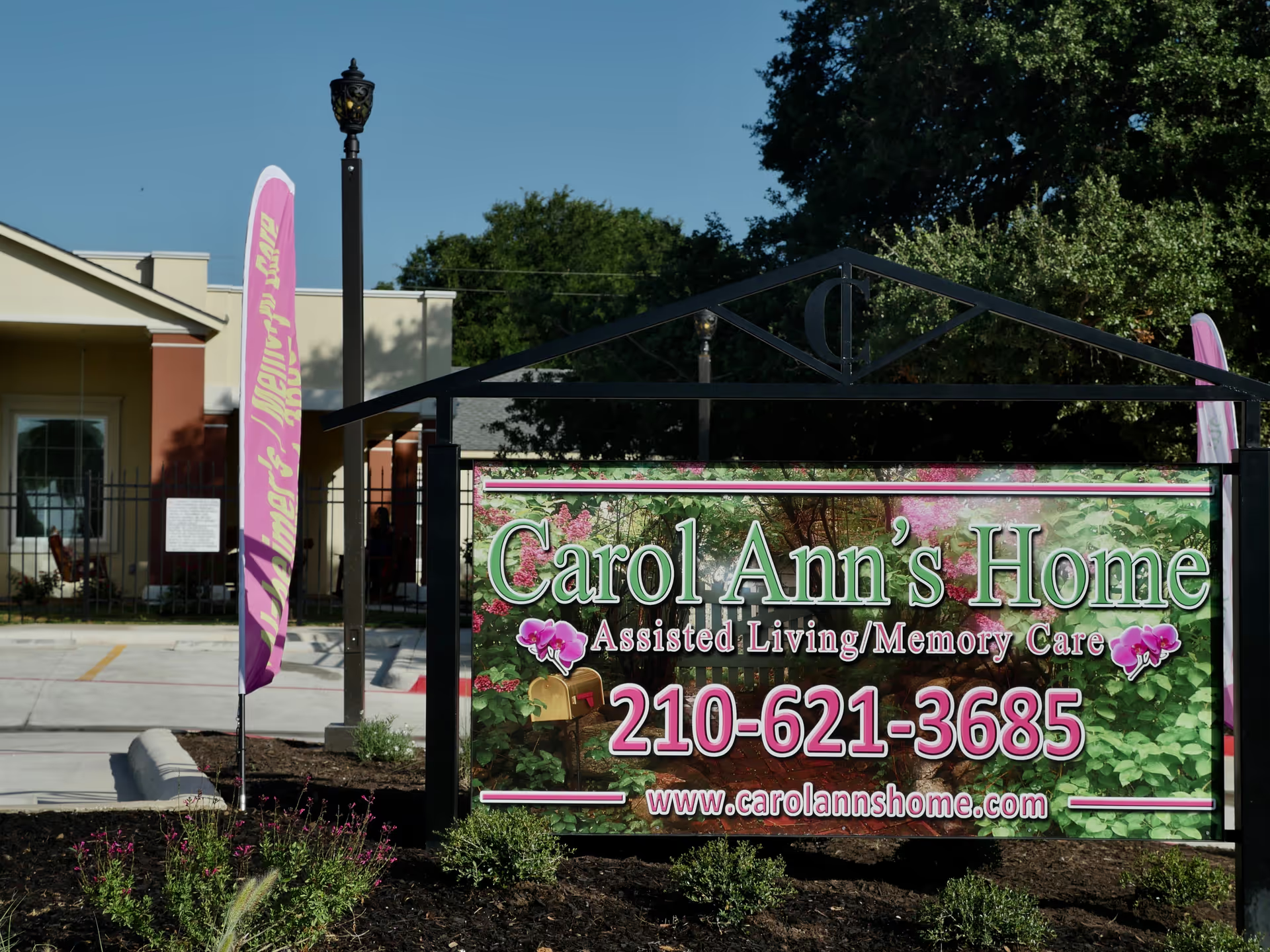
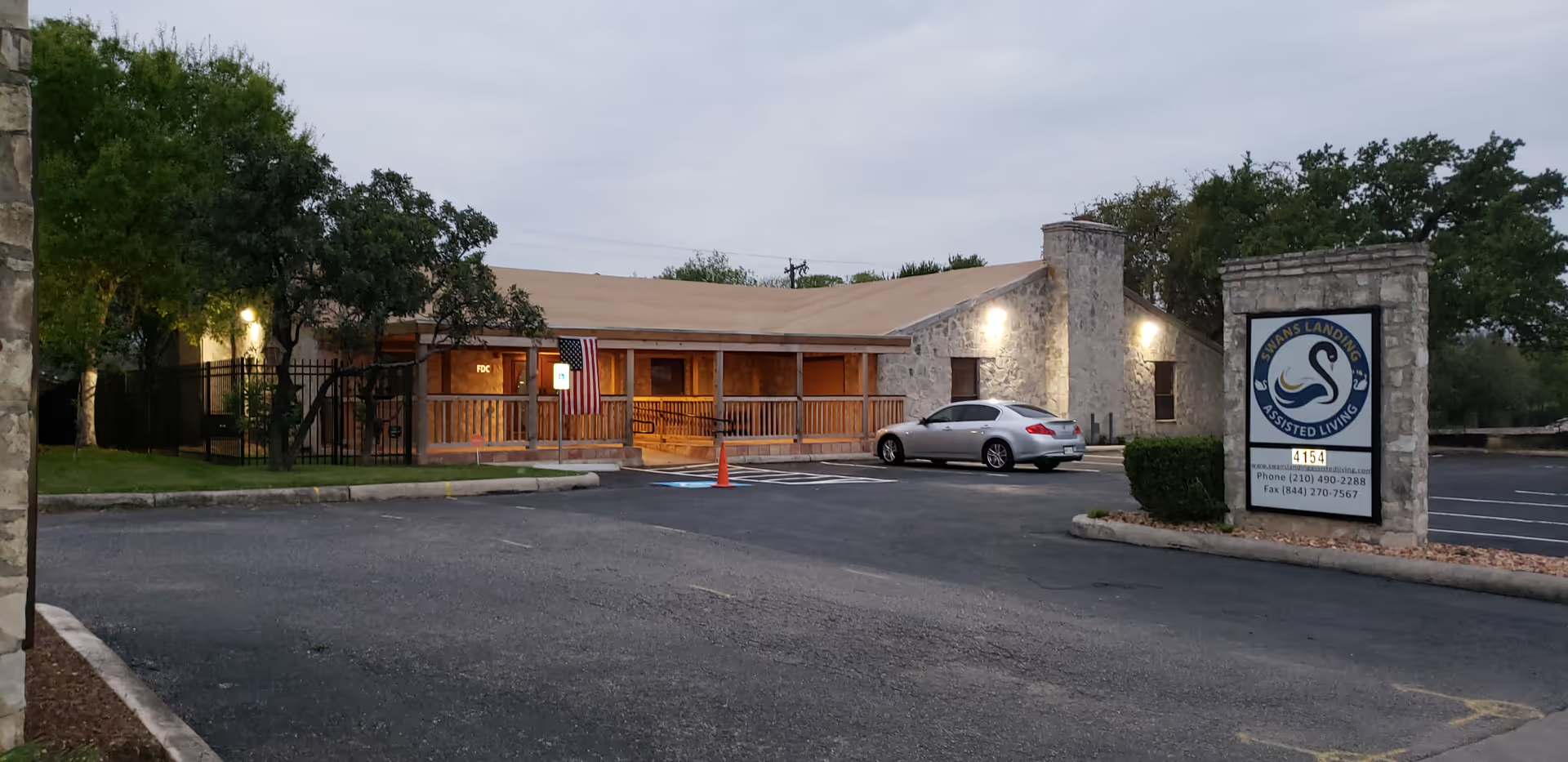
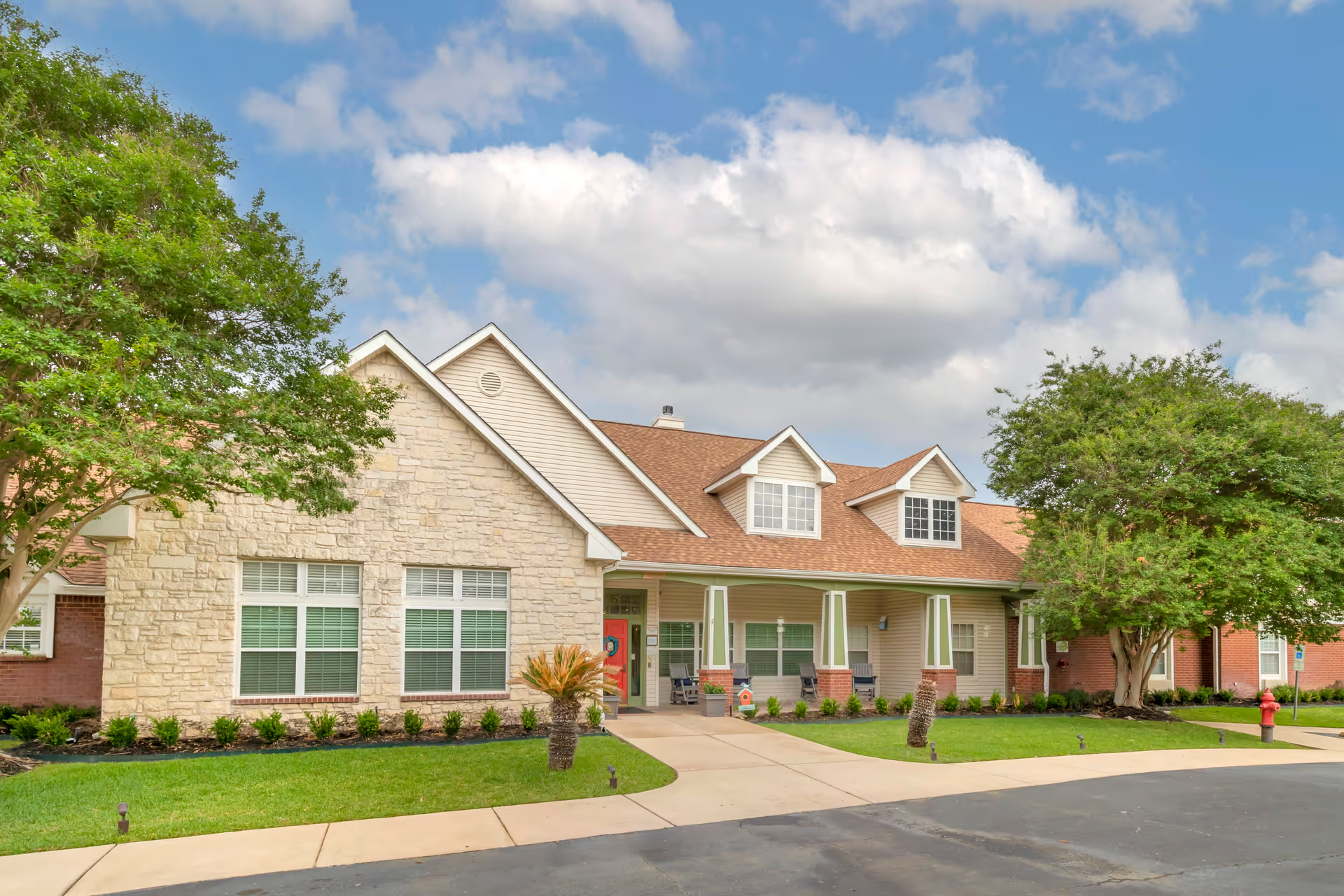
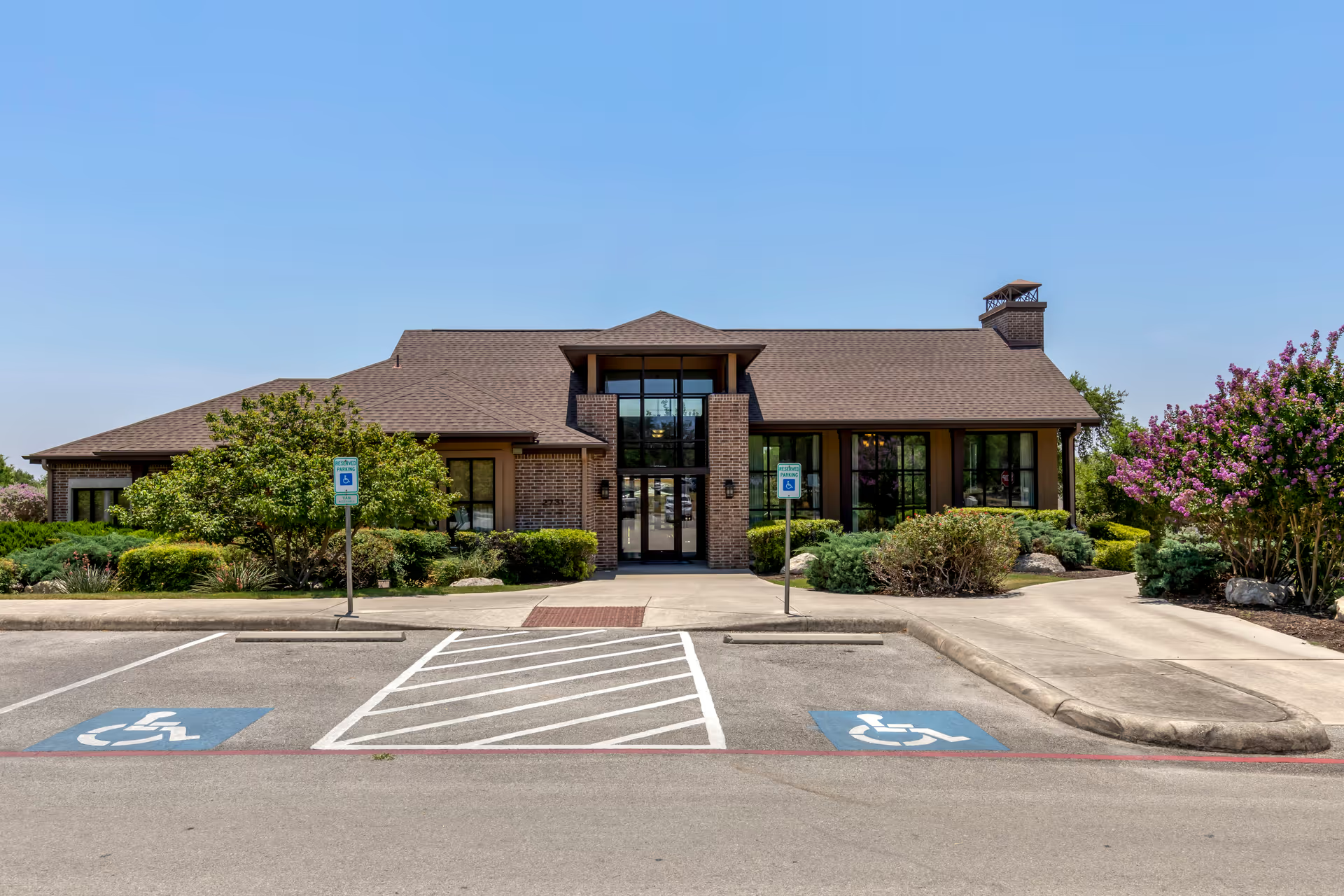
Reviews for this community are strongly polarized: many families and residents describe a warm, active, renovated campus with strong rehabilitation services and an engaged activities program, while other accounts raise serious operational and clinical concerns. The facility shows clear strengths in social programming, therapeutic rehabilitation, and several instances of attentive, long-tenured staff who create a welcoming, homelike environment.
Care quality descriptions vary. Positive reports highlight skilled physical therapy, regular nursing communication, and CNAs who are responsive for routine assistance. Conversely, multiple accounts indicate delays in attending to residents' needs (including overnight monitoring and timeliness of pain management), inconsistent personal-care and bathing schedules, and incidents where therapeutic-diet instructions were not followed, creating safety risks. There are also significant concerns about medication management processes, including missed medication refills and allegations of medication or property irregularities; these suggest opportunities to strengthen medication controls and incident follow-up.
Staff-related feedback is mixed. Many reviews praise compassionate, hardworking caregivers and supportive front-desk personnel, and note staff dedication and positive interactions that foster community engagement. At the same time, there are consistent comments about understaffing, high workloads, and variability in staff demeanor — ranging from professional and caring to rude or unresponsive — which appears to affect resident experience and continuity of care.
Dining receives both strong praise and criticism. Some residents describe high-quality, varied, and enjoyable meals with menu choices, while others report inconsistent food quality and failures to meet specific dietary needs. This variability points to operational inconsistency in kitchen service and diet implementation rather than a uniform culinary standard.
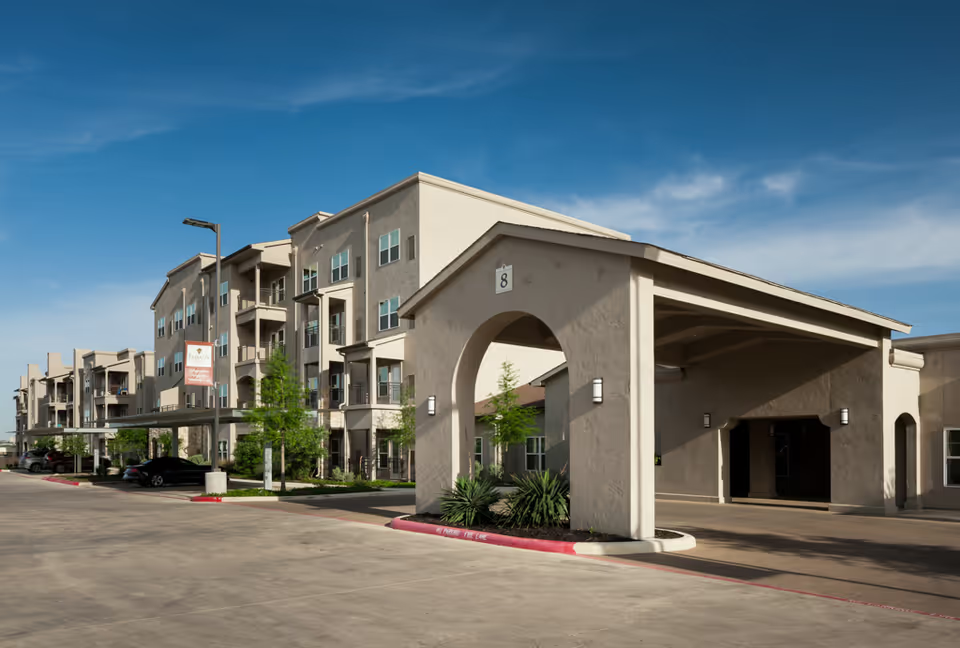
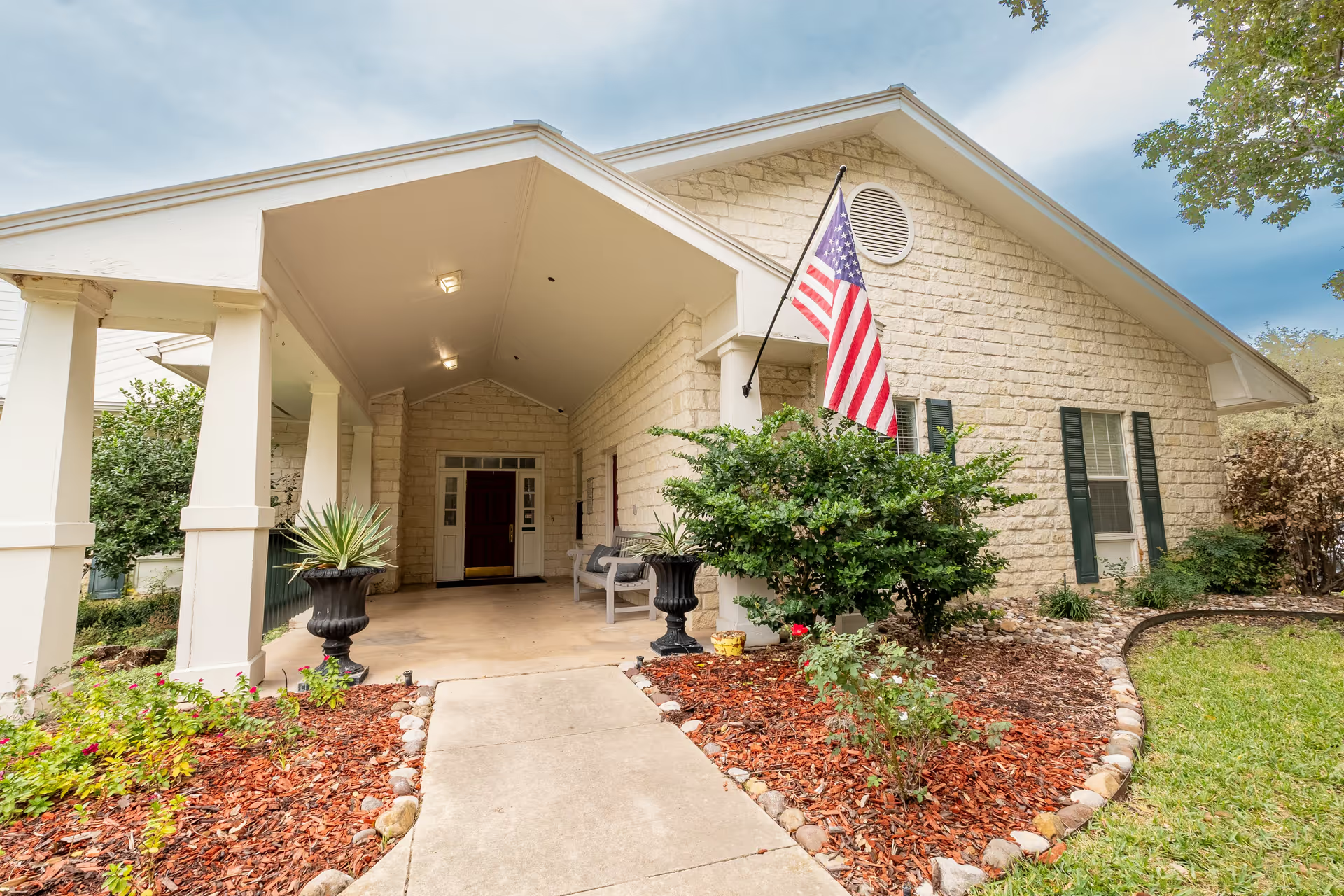
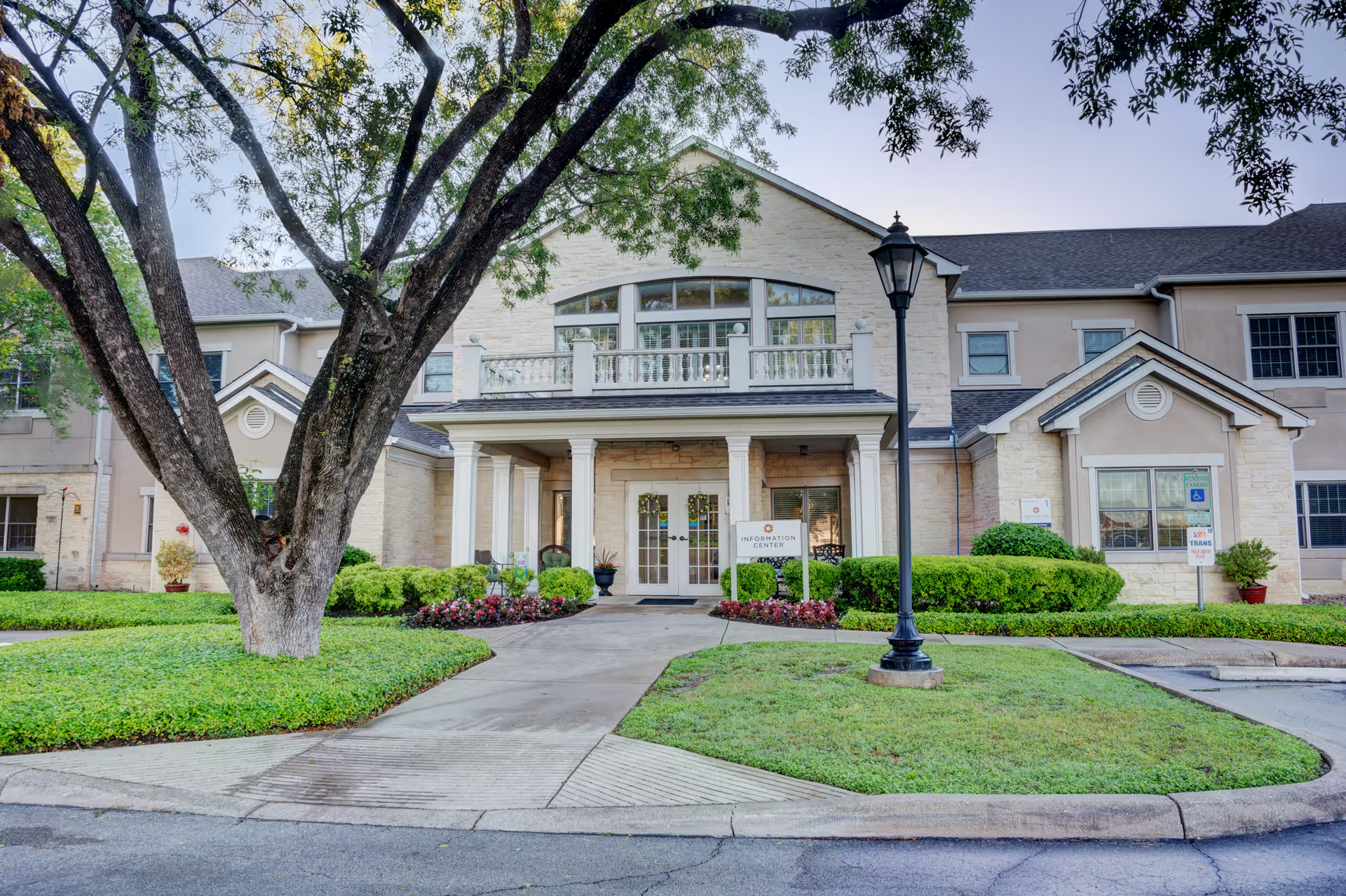
The activity program and facility aesthetics are frequently cited as highlights: renovated common areas, landscaped grounds, live music, outings, and regular social and spiritual activities that support resident engagement. However, some reviewers raised sanitation- and pest-control concerns in parts of the building and pointed to localized cleanliness issues that management should address to maintain consistent standards across the campus.
Management and communication show a mixed picture. Several families describe clear care plans, timely admissions, and managers who go above and beyond. Other accounts describe scheduling issues (early-morning vitals/meds), delayed or absent callbacks from management on family concerns, and a perceived mismatch between the level of care advertised and the facility's capability to support higher-acuity needs. Taken together, these comments indicate variability in administrative follow-through and escalation processes.
Recommendation: prospective residents and families should perform focused due diligence. Ask specific questions about current staffing ratios (including night coverage), medication-administration controls and theft-prevention practices, procedures for diet adherence and dysphagia safety, bathing/incontinence schedules, recent pest-control actions, and how the facility handles incident reporting and family communication. Visit at multiple times of day, request recent quality or inspection reports, and speak with therapy staff about rehab goals to confirm that the facility’s strengths align with the resident’s clinical and social needs.