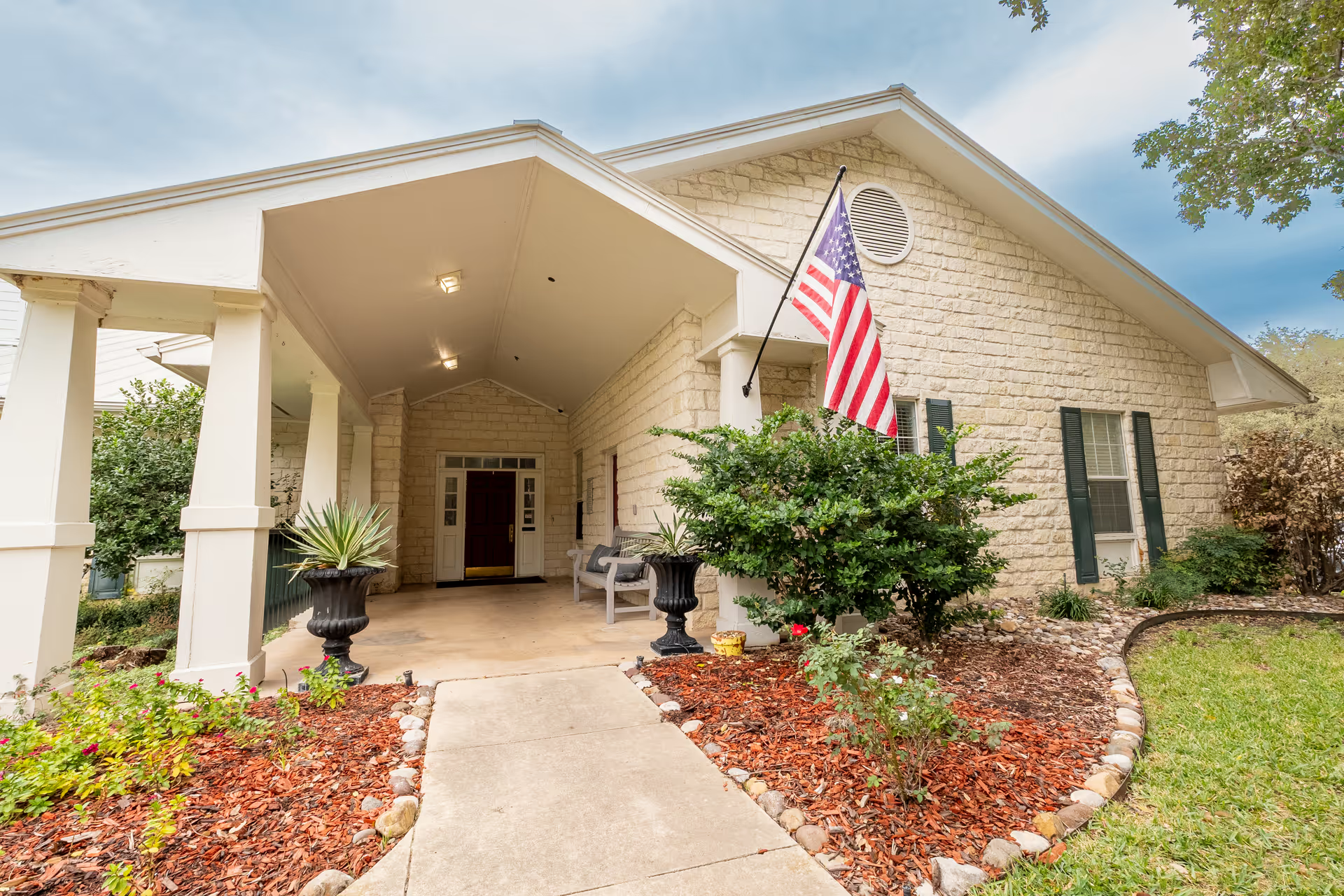
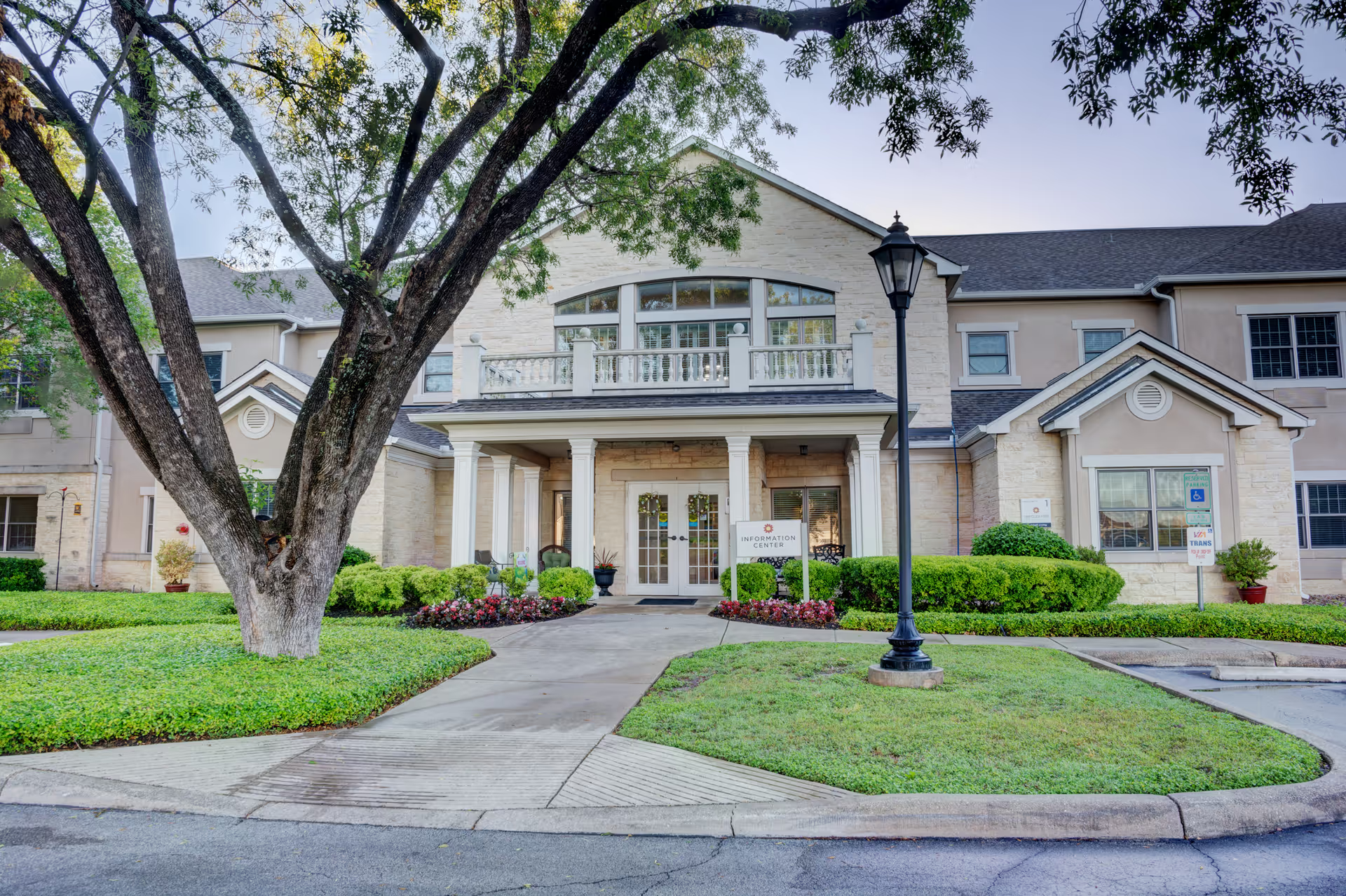
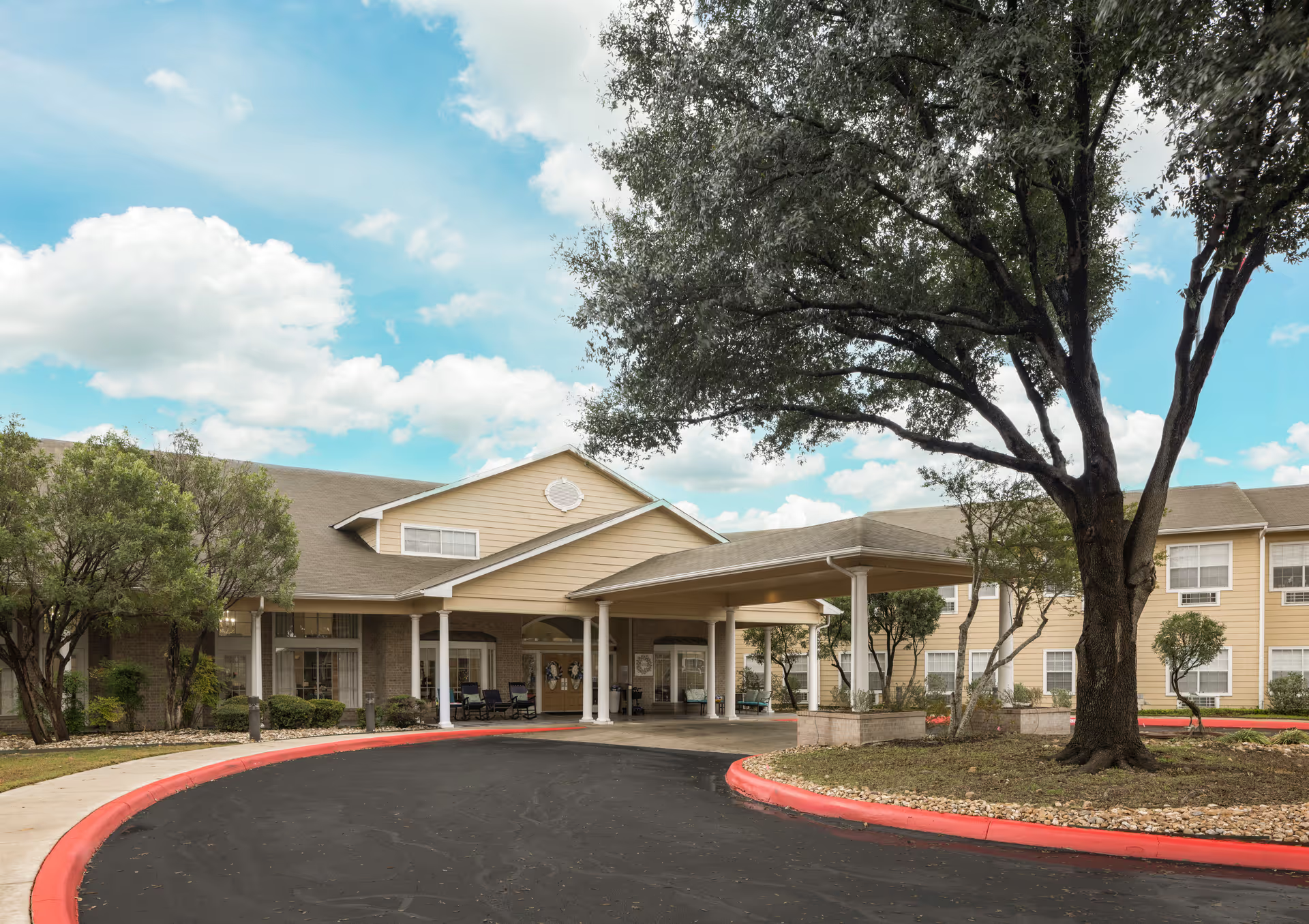
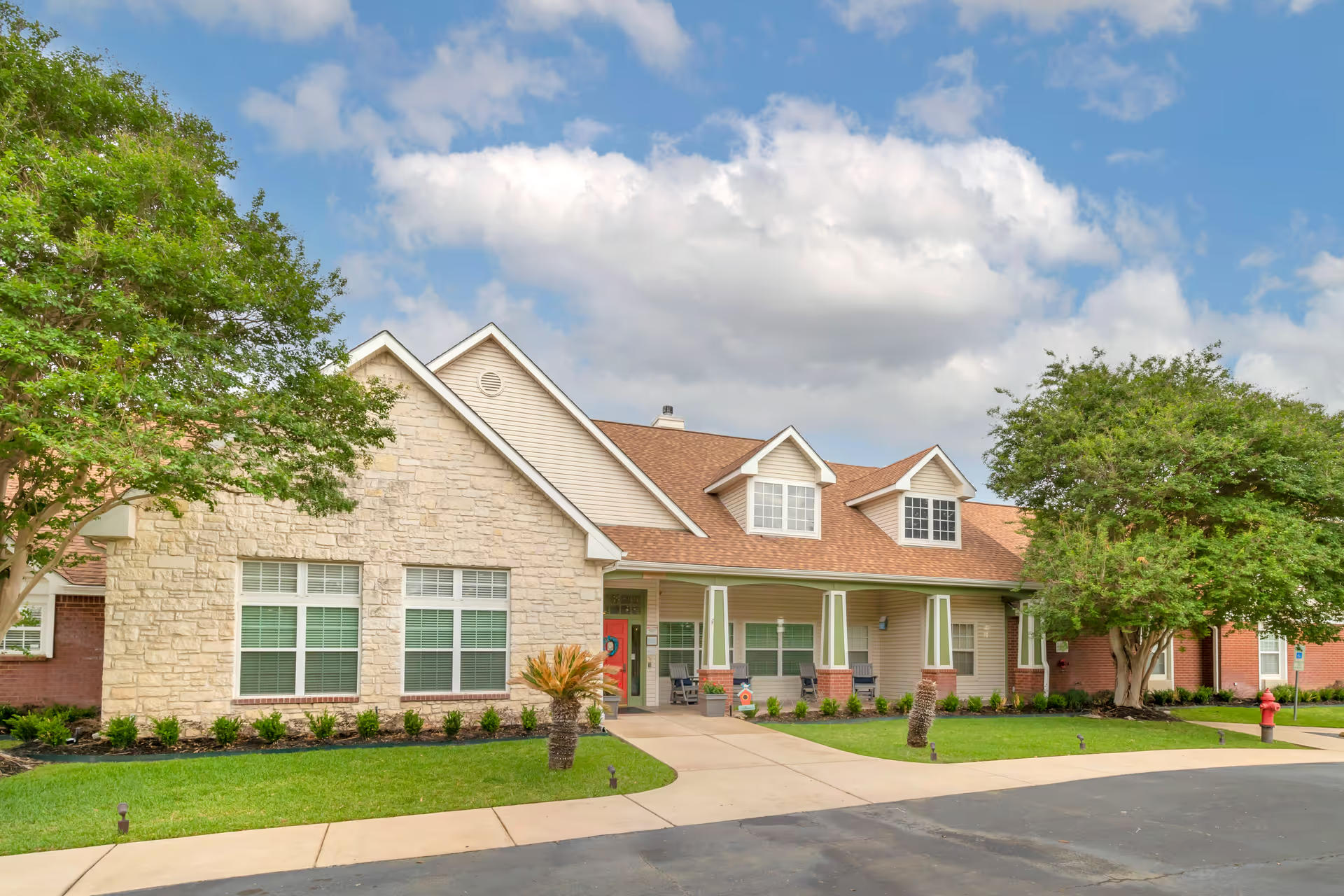
The reviews describe a small, home-like facility with several distinct strengths alongside notable operational concerns. Strengths consistently cited include a low caregiver-to-resident ratio (identified as 1:6), a compact resident population that some families found comforting, and a kitchen producing home-cooked meals under an experienced cook. Reviewers also described the interior as clean and neat and characterized many staff members as friendly and accommodating.
Care quality appears mixed. The setting is described as better suited to residents with low-dependency needs; reviewers explicitly indicated the facility may not have the resources or systems to support residents who require moderate to frequent assistance. Several comments point to operational weaknesses around personal care and clinical oversight: incontinence-care and associated odor concerns in some resident rooms, questions about monitoring when restraints are used, and gaps in medication-management practices. There are also specific references to delays and coordination problems during end-of-life situations, which reflect broader gaps in clinical-incident response and family communication.
Staff behavior and communication present a mixed picture. While many families praised individual caregivers as friendly and accommodating, other accounts describe inconsistent professionalism and responsiveness during critical moments. These divergent impressions suggest variability in staff interactions and in how the facility communicates with families during care concerns. Management continuity and oversight may be affected by recent transitions noted by reviewers, including the passing of the facility founder; some family members also referenced ongoing efforts to pursue legal or regulatory review related to a resident's death.
Dining and the physical environment are relative strengths: reviewers emphasized the quality and appeal of the meals and the overall cleanliness of communal areas. There was limited commentary about organized activities; the small population may offer a quieter, more intimate daily routine, but families seeking robust programming should inquire directly about activity offerings and schedules.
Taken together, the pattern indicates that Starlight Homes offers a homelike atmosphere and strong dining and housekeeping elements, but prospective residents and families should carefully evaluate clinical capacity and communication processes before placement—particularly for individuals who need moderate-to-high assistance or who may require close medication oversight or specialized end-of-life coordination. Specific questions to raise during a tour include staffing ratios during peak care times, protocols for incontinence care and room sanitation, restraint and medication monitoring procedures, hospice coordination, and how the facility documents and communicates clinical events to families.