Overall impression: Reviews portray a facility with consistently strong, person-centered caregiving and notable clinical strengths alongside operational and facility-condition variability. Praise centers on nursing and direct-care staff who are described as compassionate, attentive, and respectful; families frequently cite individualized attention, effective rehabilitation outcomes, and coordinated end-of-life care (including remote hospice communication). Many commenters highlight a home-like atmosphere, helpful admissions support, and interior cleanliness and common areas that are well cared for.
Care and staff: The dominant theme is high-quality hands-on care. Nursing, CNAs, and therapy teams receive repeated commendation for responsiveness, dignity-preserving approaches, and assisting residents to regain function. Communication with families is often described as strong, with administrators and some leaders noted for proactive, solution-oriented involvement. However, there is variability: some accounts indicate lower engagement from particular shifts or staff members and occasional concerns about responsiveness and professional conduct. These comments suggest staffing and supervisory consistency as an area for ongoing attention.
Dining and activities: The facility offers an a la carte menu and a range of activities—exercise classes, Bingo, movies, trivia, live music and holiday events—which many residents and families find meaningful. Activity programming appears to contribute to a positive social environment in several units. At the same time, reviewers note unevenness in activity delivery: weekend programming and memory-care engagement can be limited or inconsistent, and some families perceive rushed or poorly planned events when staffing is thin.
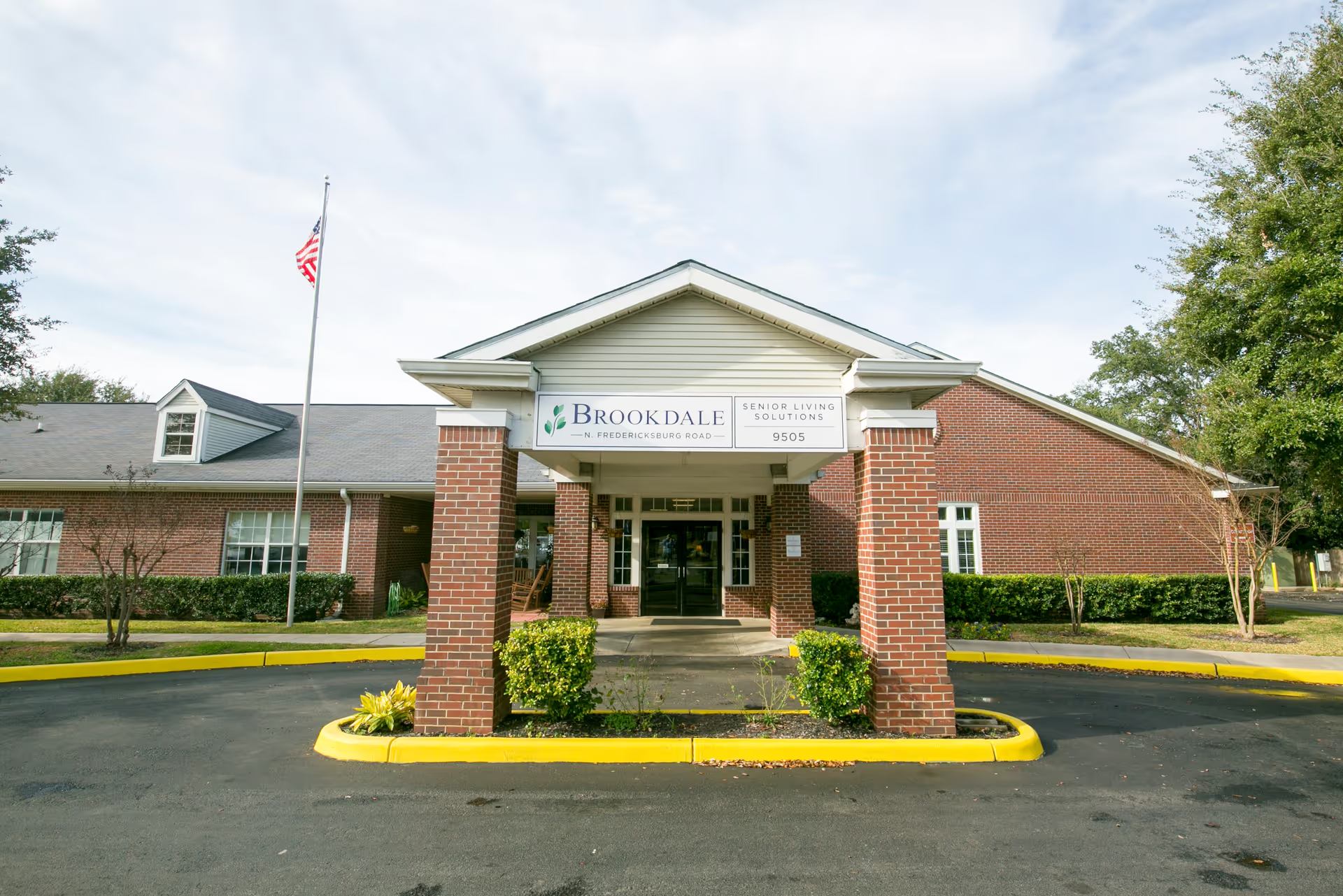
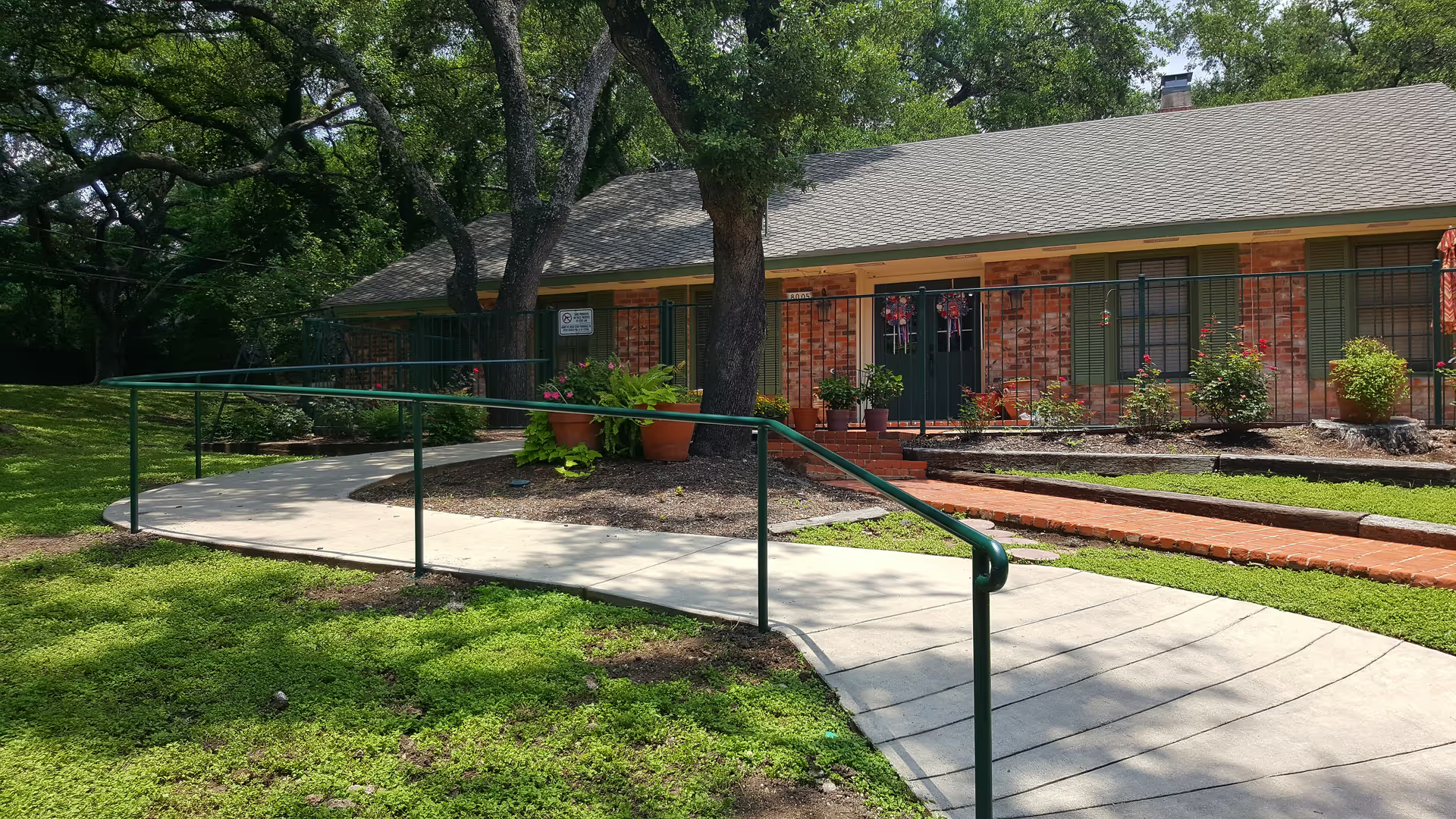
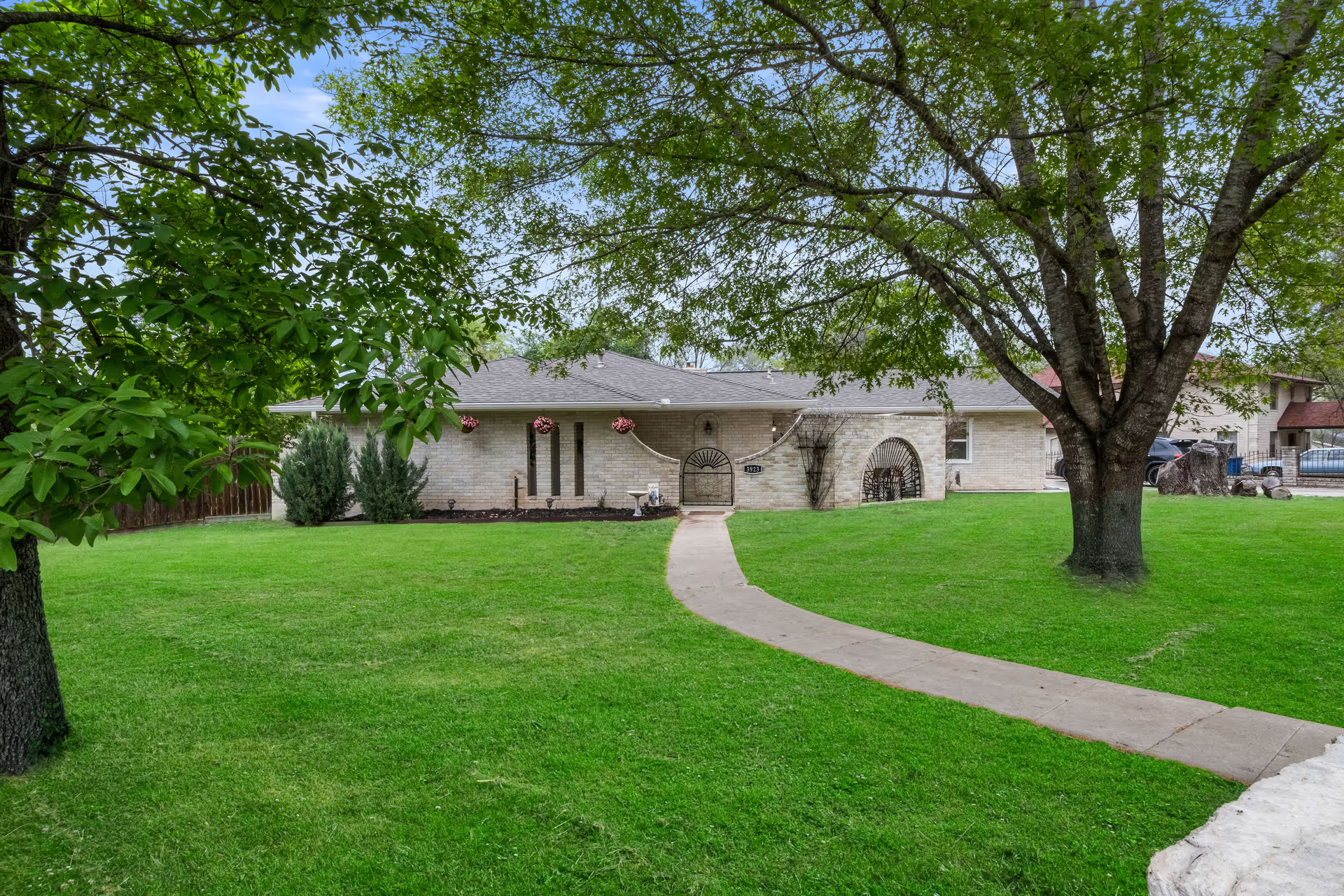
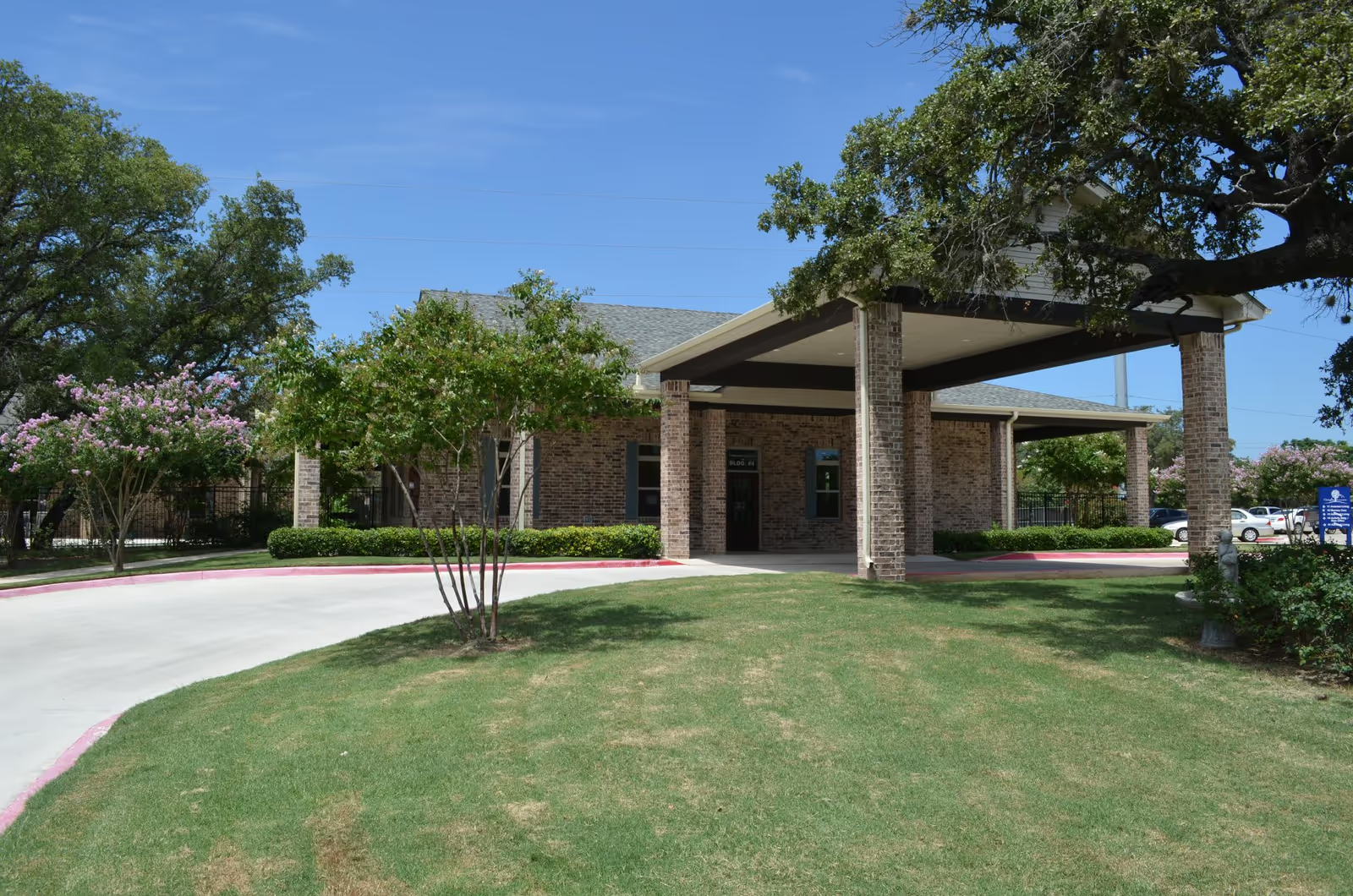
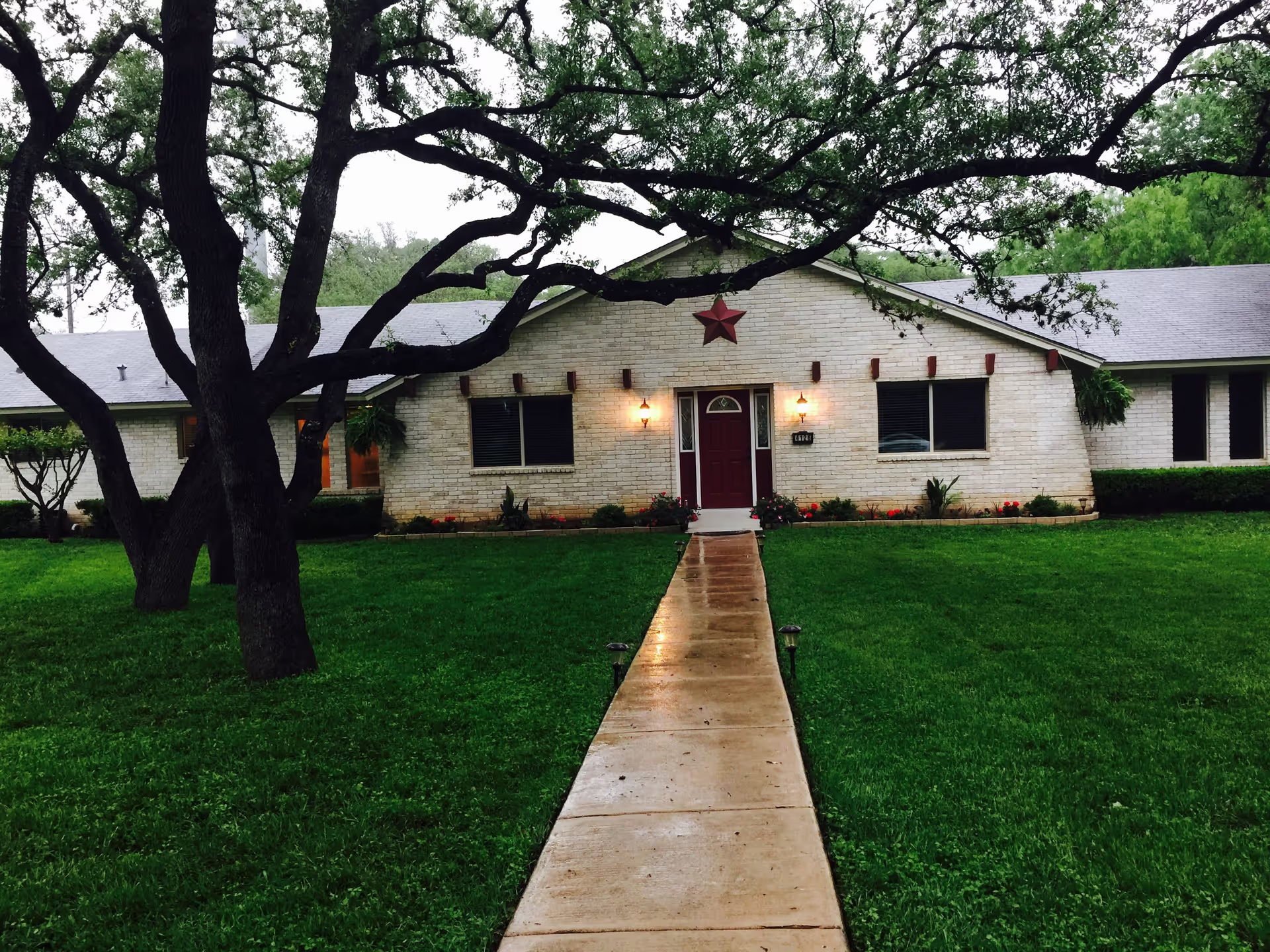
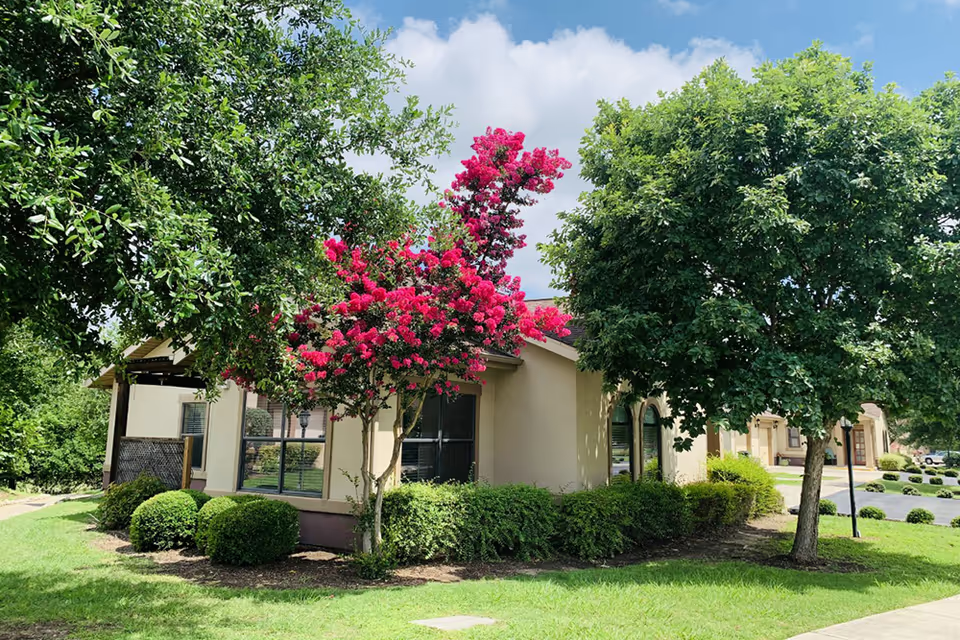
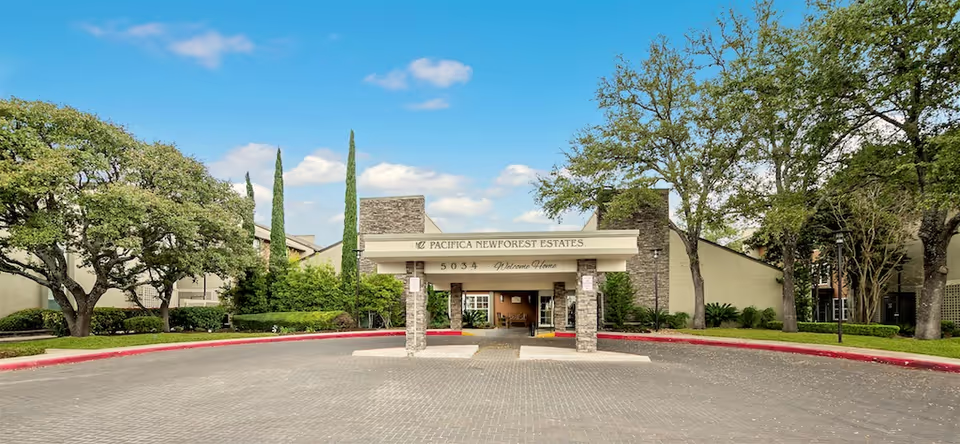
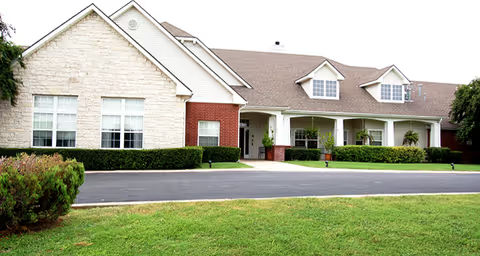
Facilities and maintenance: Interiors and common spaces receive favorable remarks for cleanliness and upkeep, including a neat courtyard and gazebo. Conversely, the exterior and some physical plant elements are described as dated and in need of renovation; reviewers also highlight aging beds and equipment. There are isolated sanitation and maintenance inconsistencies reported in specific areas, suggesting uneven housekeeping or deferred repairs that prospective residents should inspect during a tour.
Safety, security, and management: While administration is praised in many accounts for responsiveness and hands-on problem solving, other reviews describe variability in administrative professionalism and communication. Of particular concern are accounts indicating gaps in security and emergency-response protocols; there are instances that families found serious enough to involve outside authorities, which points to the need for clarity on incident-response procedures and staff training. Prospective families should ask about current security measures, incident escalation policies, and recent improvements.
Notable patterns and guidance for visitors: The strongest and most consistent positives are the quality of bedside care, rehabilitation success, and a family-oriented culture among many staff. Recurrent operational themes to evaluate in person include staffing consistency (especially for activities and weekends), condition of resident equipment and the exterior, and the facility's emergency-response and security processes. A recommended approach for prospective residents is an in-person tour focused on memory-unit programming, recent maintenance projects, staffing ratios by shift, and a review of security/incident protocols and family communication practices.