Autumn Leaves of Cypresswood presents a mixed but distinct profile: many families and visitors describe a warm, home-like memory-care environment with engaged caregivers and a robust activity schedule, while other families raise operational and clinical concerns that warrant careful inquiry.
Care quality: The facility clearly positions itself as a memory-care provider with on-site nursing, visiting physicians/podiatrists, hospice support, and frequent daily activities tailored to cognitive needs. Numerous accounts highlight attentive, compassionate caregivers and hands-on nursing presence; several families reported improved mood and well-being after placement. At the same time, reviewers describe substantive clinical concerns in areas such as wound care, medication-management processes, and transfer/fall prevention. These describe patterns consistent with uneven clinical oversight rather than a single isolated event and suggest families should ask specific questions about wound-care protocols, medication administration/documentation, and transfer training during tours.
Staff: Staff are the most commonly praised element — many reviewers use words like compassionate, attentive, and family-like to describe direct caregivers and activity staff. Several staff members and leaders were named positively for going above and beyond. Counterbalancing that are reports of inconsistent staffing levels, high turnover, and variable staff conduct and communication tone; these operational issues appear to drive the disparity between highly positive and negative experiences. Prospective residents should evaluate current staffing ratios, turnover metrics, and meet both nursing leadership and day-shift aides to assess consistency.
Dining and activities: Dining is frequently cited as a strength: there is a dedicated chef, three meals plus snacks, accommodation for dietary restrictions, and reservable family dining spaces. Some reviewers, however, noted inconsistent portion sizes or variability in meal appeal. The activity program is a clear asset — structured programming, art and cooking classes, day trips, movies, therapy-animal visits, and frequent family events are recurring positives, contributing to engagement and socialization.
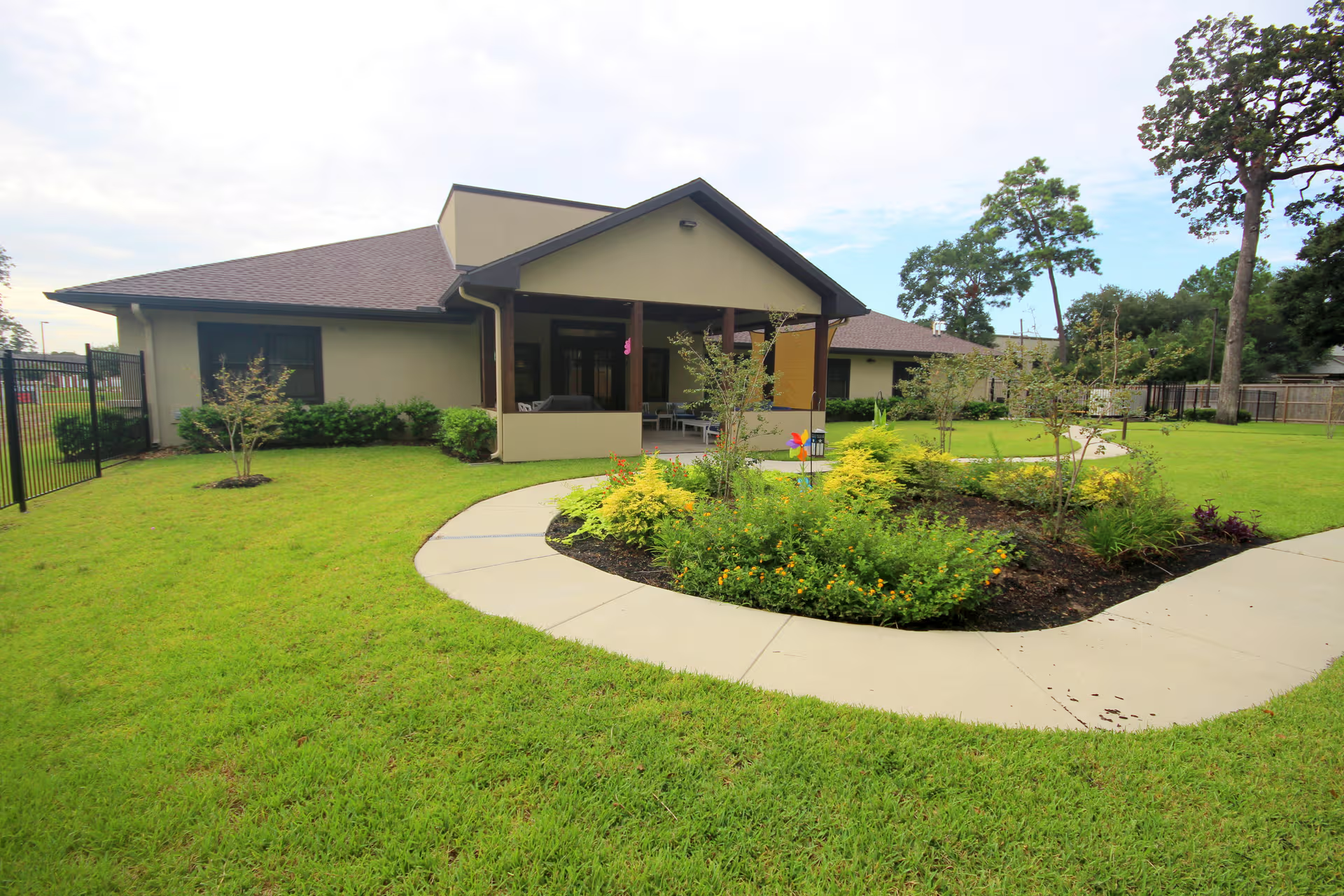
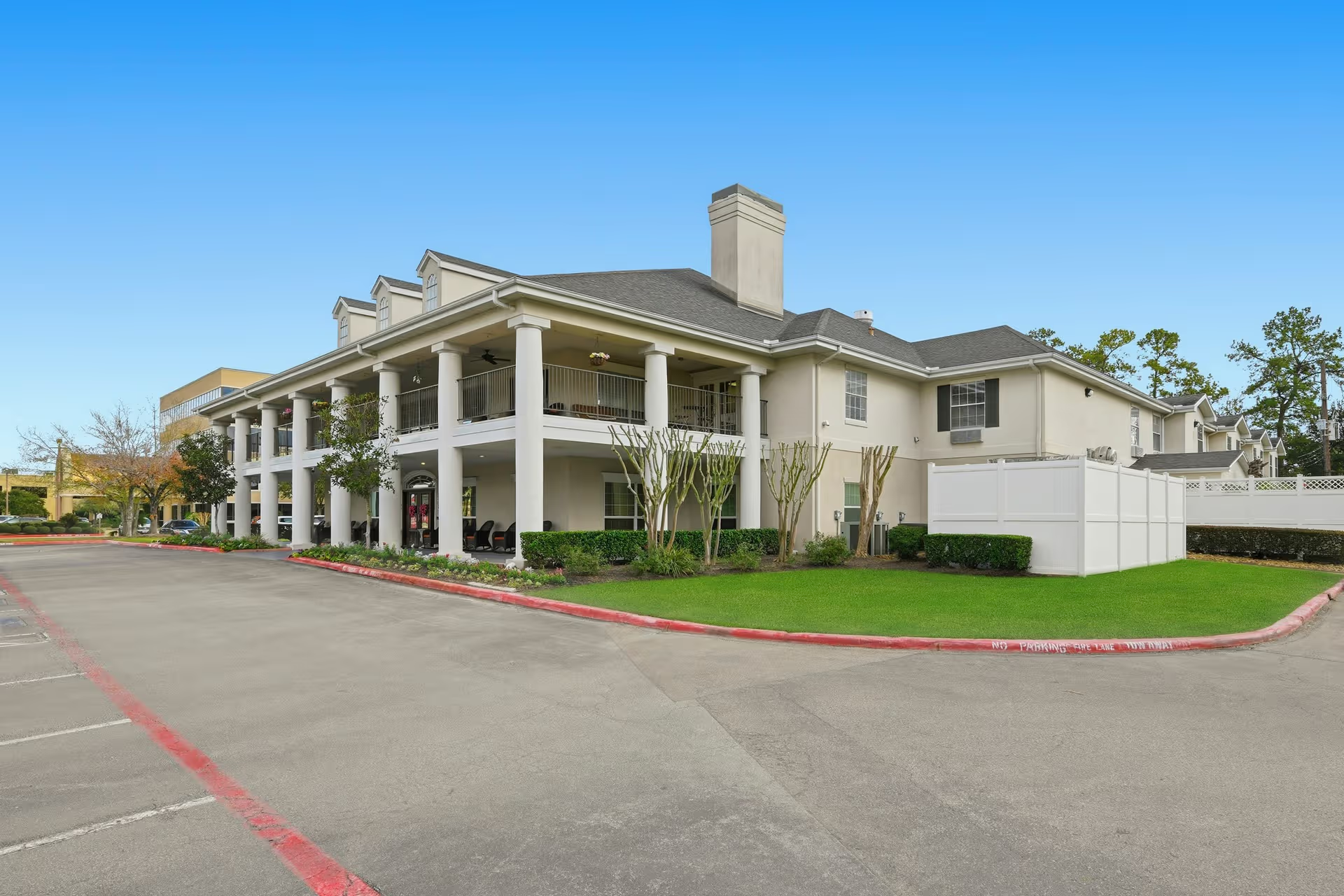
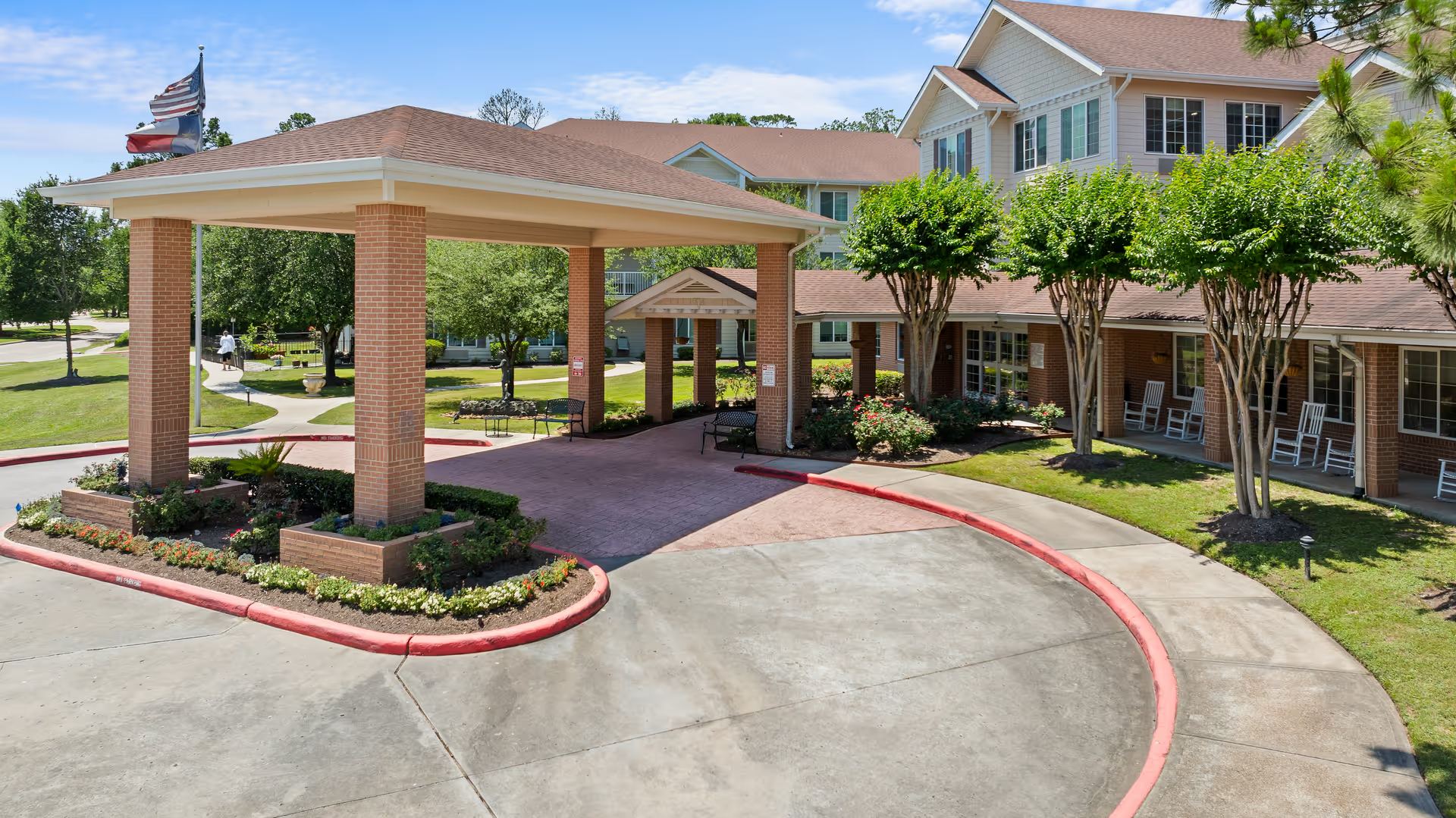
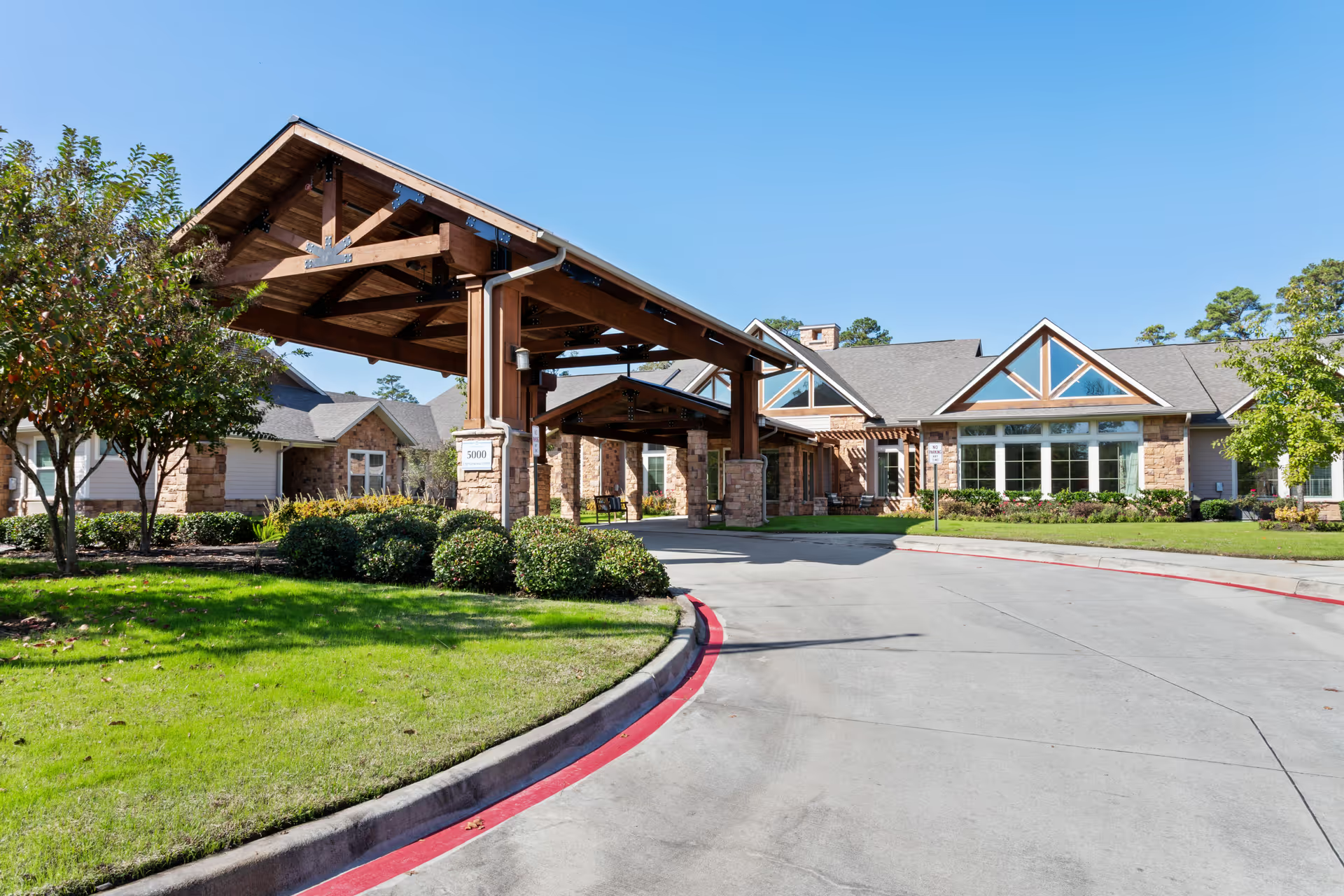
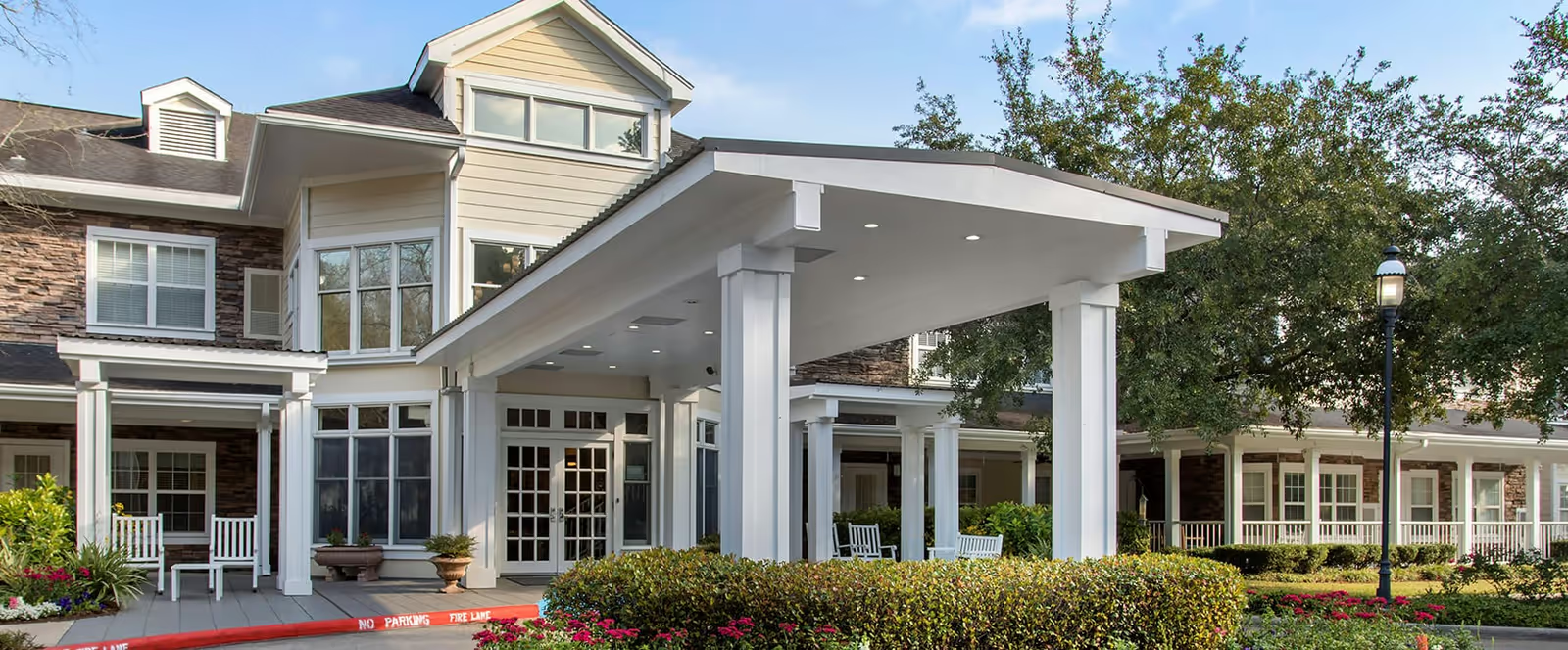
Facilities: The physical environment is often described as clean, well-decorated, and secure, with a single-story, circular/oval layout that supports visibility and a cozy common living room with a fireplace. Security features, coded entries, locked bedrooms, and cameras were noted. Several commenters mentioned maintenance needs (exterior upkeep, worn furniture, or specific room odors) indicating variability in facility maintenance across areas.
Management and notable patterns: Reviews indicate a divide in experience tied to management stability and oversight. Some families praise recent leadership and improvements in dementia-focused care, while others report inconsistent management, communication failures (including medication change notifications and missed family communications), and concerns about operational practices. Allegations about missing personal items and serious clinical lapses appear in a subset of comments; those items suggest verifying inventory procedures, incident reporting, and family-notification practices. Overall, experiences range from highly positive (strong caregiver relationships, active programming, clinical capability) to problematic (staffing inconsistency, clinical and communication gaps).
Recommendation for families: Autumn Leaves of Cypresswood offers many strengths typical of a memory-care community — engaged activity programming, secure design, on-site clinical services, and numerous staff praised for compassionate care. Given the variability documented in staffing, clinical oversight, and management consistency, prospective families should schedule an extended visit, request current staffing ratios and turnover information, review medication and wound-care protocols, ask how incidents are communicated to families, and observe meal service and activity engagement across several hours. These focused checks will help determine whether the facility’s strong elements align with an individual resident’s clinical and social needs.