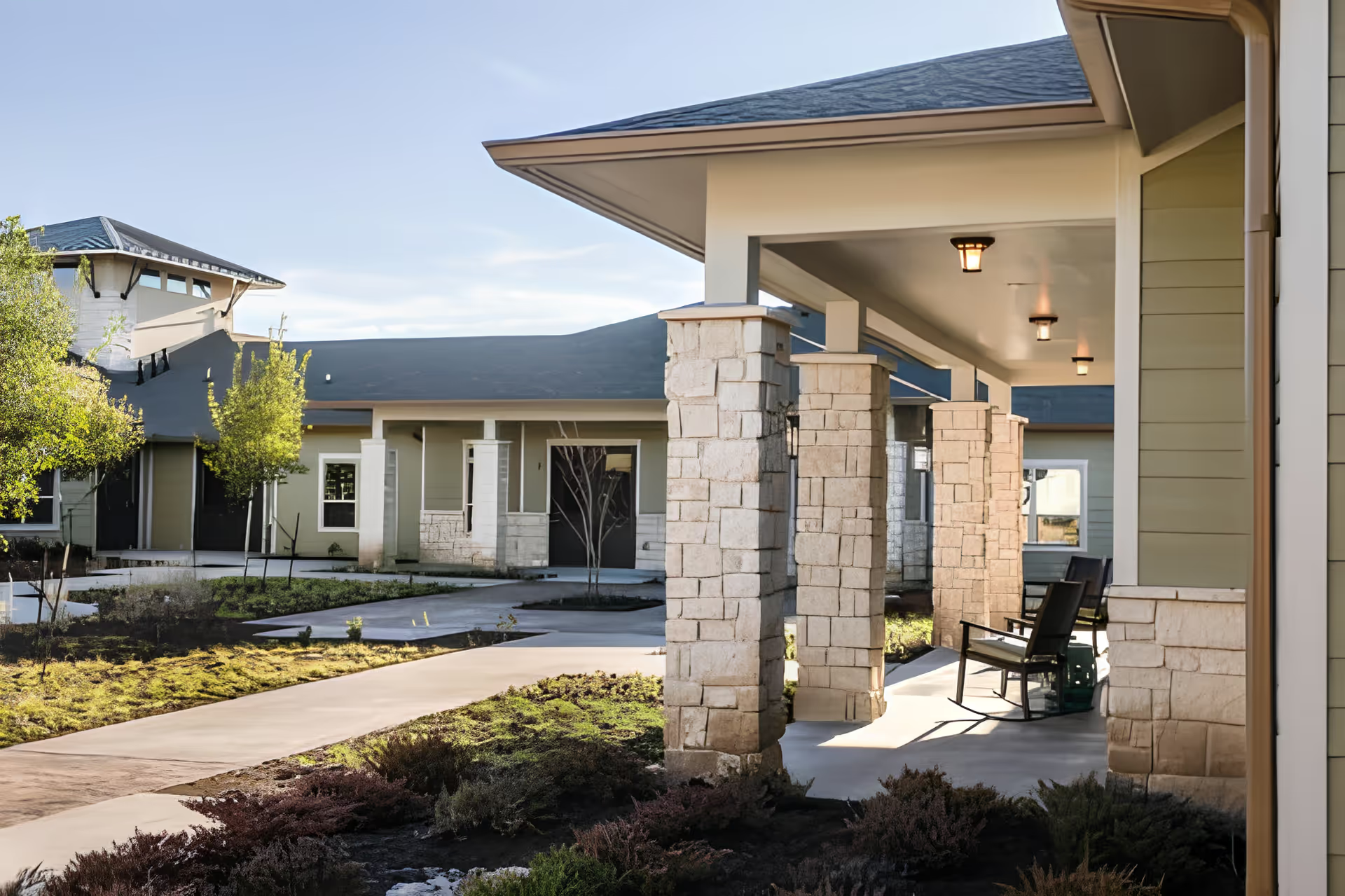
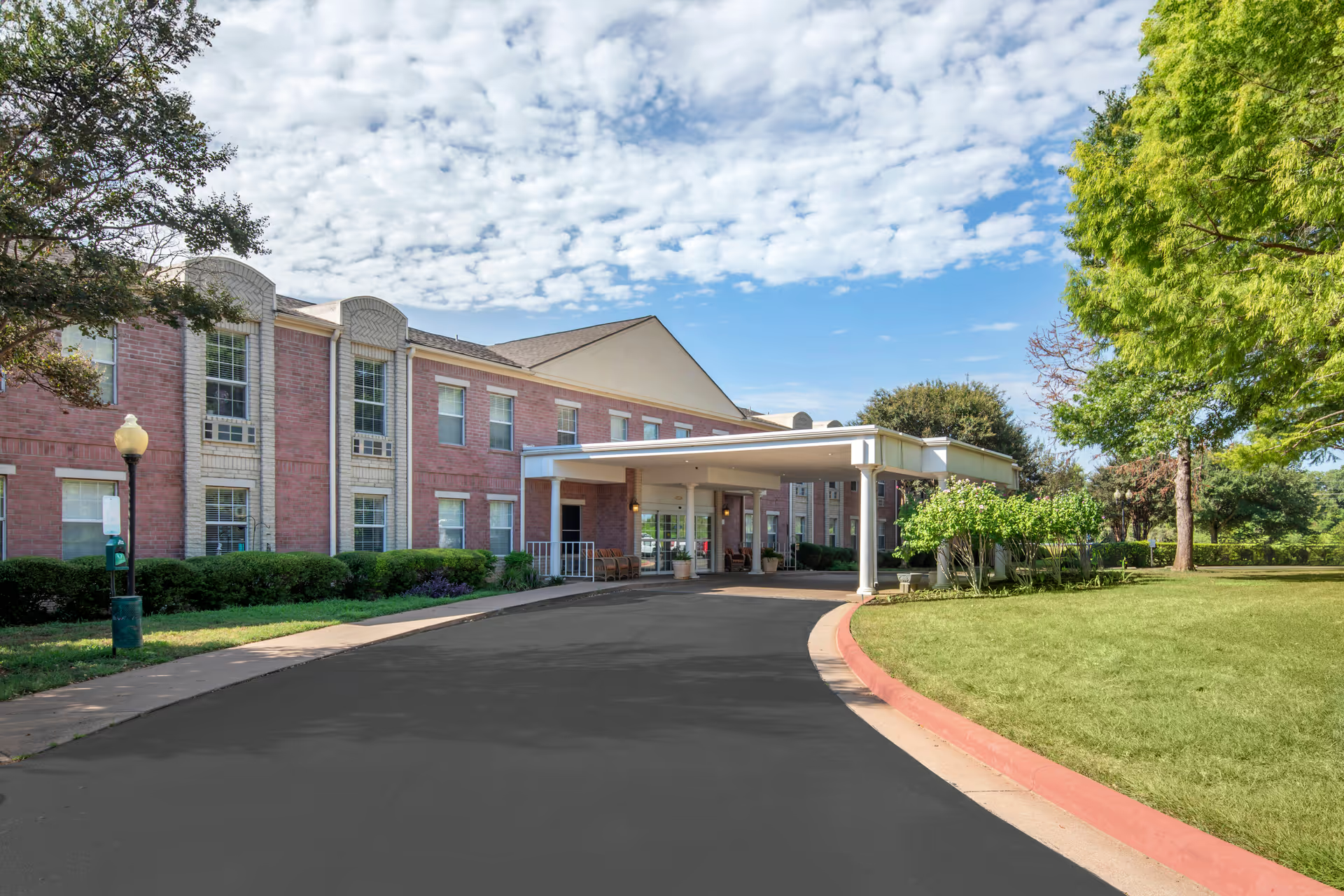
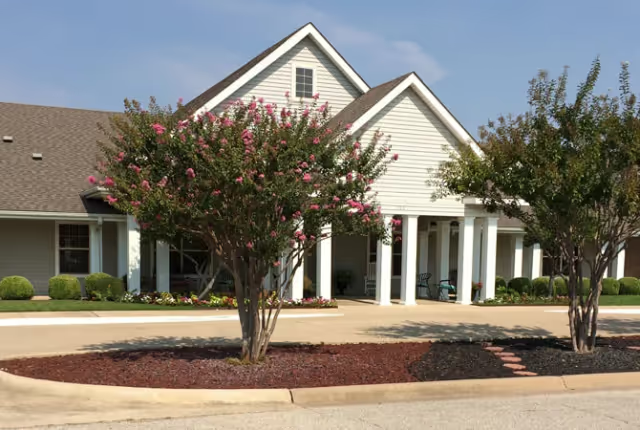
Ascension Living Providence Village is described by many families and residents as a full-service senior campus with a broad set of strengths and some recurring operational weaknesses. Positive themes include a warm, social community, a well-developed activities program, and strong rehabilitation/therapy services. The campus offers multiple care levels (independent living, assisted living, skilled nursing, hospice), spacious apartments with high ceilings, accessible chapel and religious services, chef-prepared dining in a restaurant-style setting, and routine amenities such as transportation, a library, and outdoor grounds. Numerous reviewers highlighted particular staff members and departments as compassionate and effective, and many families reported that residents made friends and enjoyed the social life and event programming.
Care quality and staffing are the areas with the most variability across reviews. While several caregivers, therapists, and CNAs receive high praise for attentiveness and clinical skill, there are consistent complaints about inconsistent staffing patterns—notably on nights and weekends—and uneven nursing quality between floors and shifts. Reviewers cite delayed responses to call bells and urgent requests, gaps in medication administration and communication about medication changes, and weaknesses in discharge planning and coordination with home-health services. A subset of reviews raised serious clinical concerns (including wound-care and escalation timeliness); these have been characterized here as clinical escalation and wound-care concerns and in a few instances were framed as allegations requiring follow-up with management or regulators.
Housekeeping and sanitation receive mixed feedback. Many common areas and apartments are described as clean and well maintained, with regular weekly housekeeping, but other accounts describe inconsistent room cleaning and sanitation issues in particular units. Dining also draws mixed commentary: the facility offers restaurant-style meals, private catering, and flexible dining hours, and some reviewers praised culinary staff and presentation; others found the food repetitive or limited on specialty diets such as gluten-free options.
Facility features and atmosphere are generally viewed positively: the campus is convenient to medical services and shopping, offers safety features in apartments, and supports family involvement and events. However, the size of the campus and high-occupancy areas can be perceived as impersonal by some families. Management and communication show variability as well—some reviewers commend responsive leadership and helpful admissions staff, while others describe inconsistent follow-through, slow family communication about clinical changes, and uneven responses to concerns.
For prospective residents and families, the pattern that emerges is one of a campus with substantial programming, therapy strength, and many devoted staff members, coupled with operational risks tied to staffing variability, communication gaps, and inconsistent housekeeping/clinical follow-through. These patterns suggest it is useful to ask specific, current questions about staffing levels by shift/floor, weekend clinical coverage, medication-communication protocols, discharge planning practices, and dietary accommodations when evaluating the community further.