Reviews for this facility are strongly mixed, with distinct positive patterns alongside recurring operational concerns. On the positive side, families and patients frequently praise the rehabilitation program and therapy teams, describing effective PT/OT/speech services and staff who encourage adherence to home exercise. Many reviewers highlight compassionate, attentive caregivers and nurses, good interdisciplinary communication in favorable cases, clean common areas, private-suite options, engaging activities (including memory-care programming), and dining that accommodates special diets and provides assistance during meals. Several comments also note successful transitions to hospice or higher levels of care when needed and ongoing facility improvements and renovations.
At the same time, reviewers raised repeated concerns about the facility’s operational consistency. A prominent theme is slow or inconsistent responsiveness to call lights and care requests, sometimes accompanied by delays in medication administration and initial clinical assessments. Related patterns include gaps in toileting and bathing assistance, unreliable laundry and personal-belongings handling, and safety/supervision weaknesses that families associate with increased fall or transfer risk. Staffing instability and turnover are cited as underlying contributors to uneven care quality and variable staff conduct and tone.
Management and process issues emerge as another cluster of concerns. Some families report difficulty reaching leadership, inconsistent explanations of visitation and infection-control policies, and admissions or paperwork inefficiencies. There are also serious individual-level allegations—including concerns about missing items or financial-accounting discrepancies—that families should regard as important to investigate further. A small number of accounts describe severe clinical outcomes and concerns following a resident’s death or hospital transfer; these are presented as isolated but salient events that amplify worries about medication management and clinical oversight.
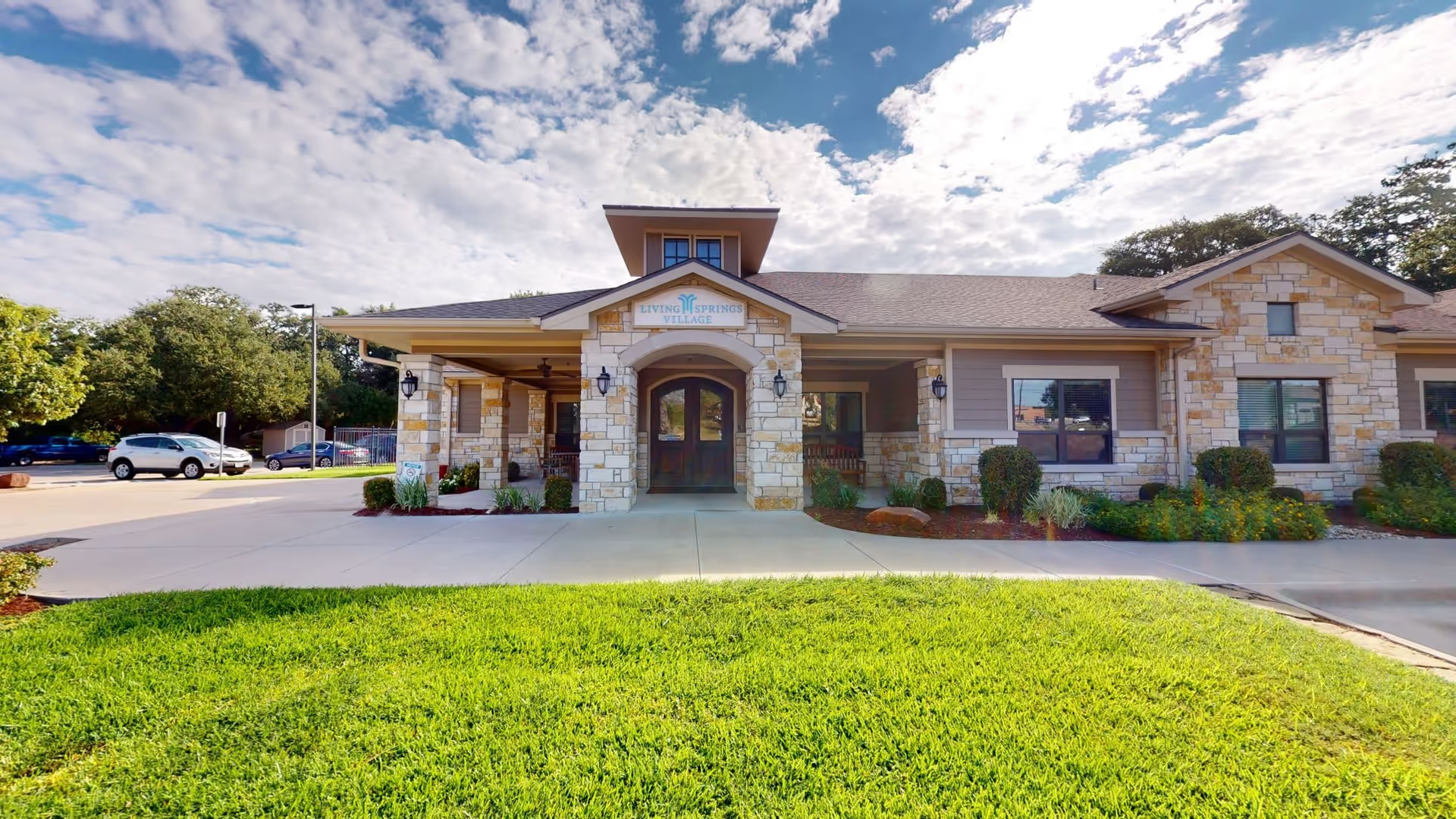
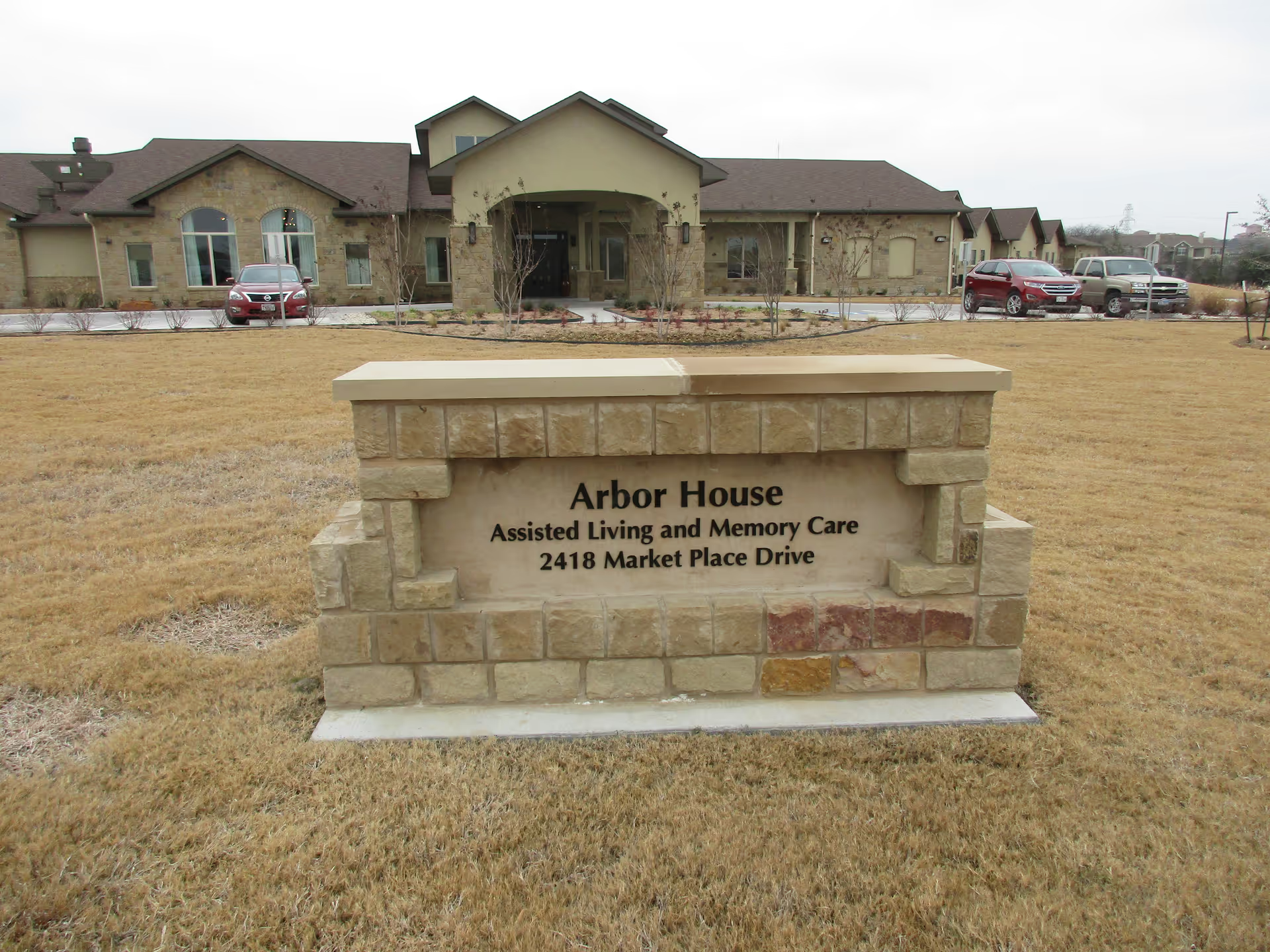
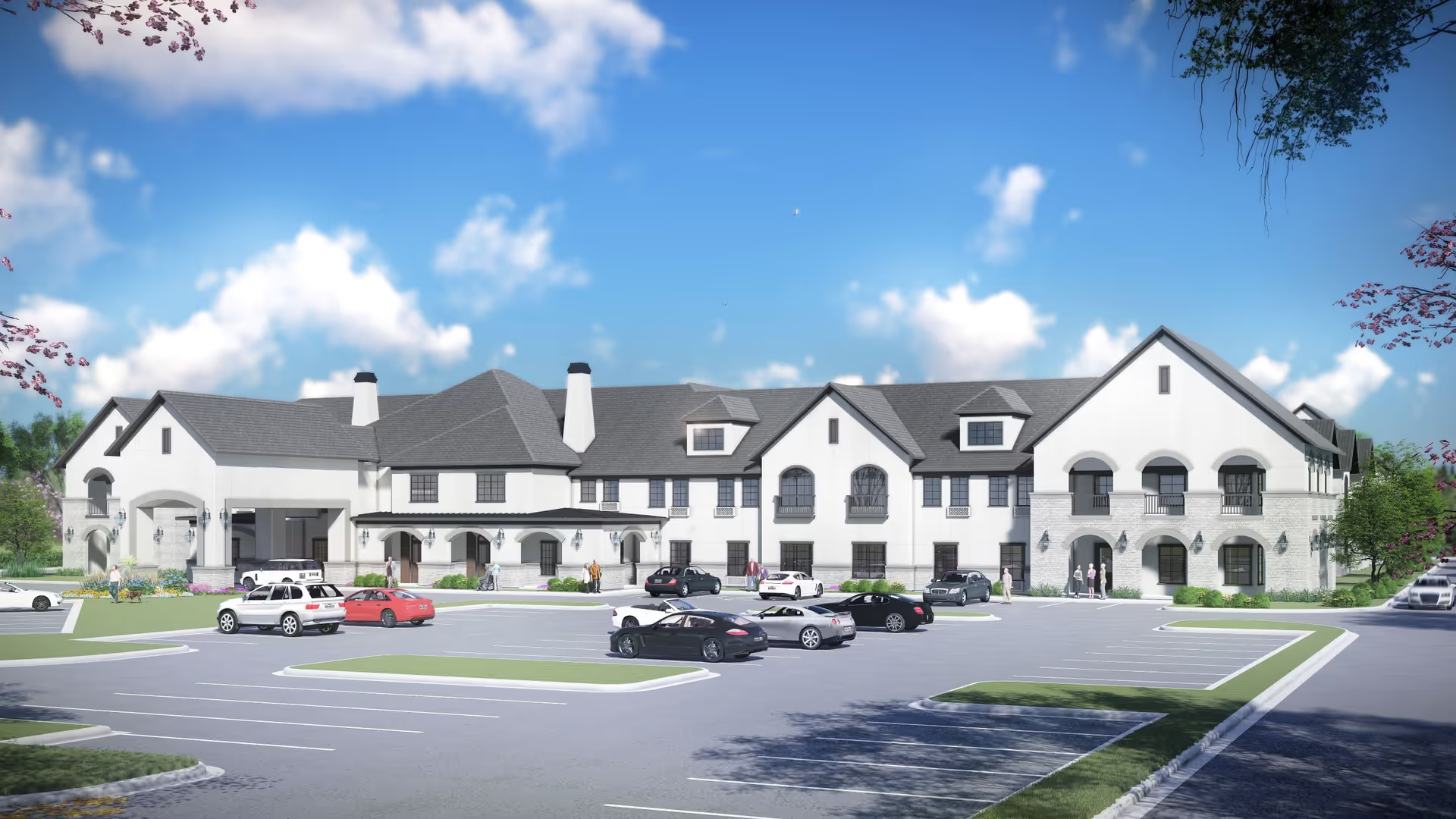
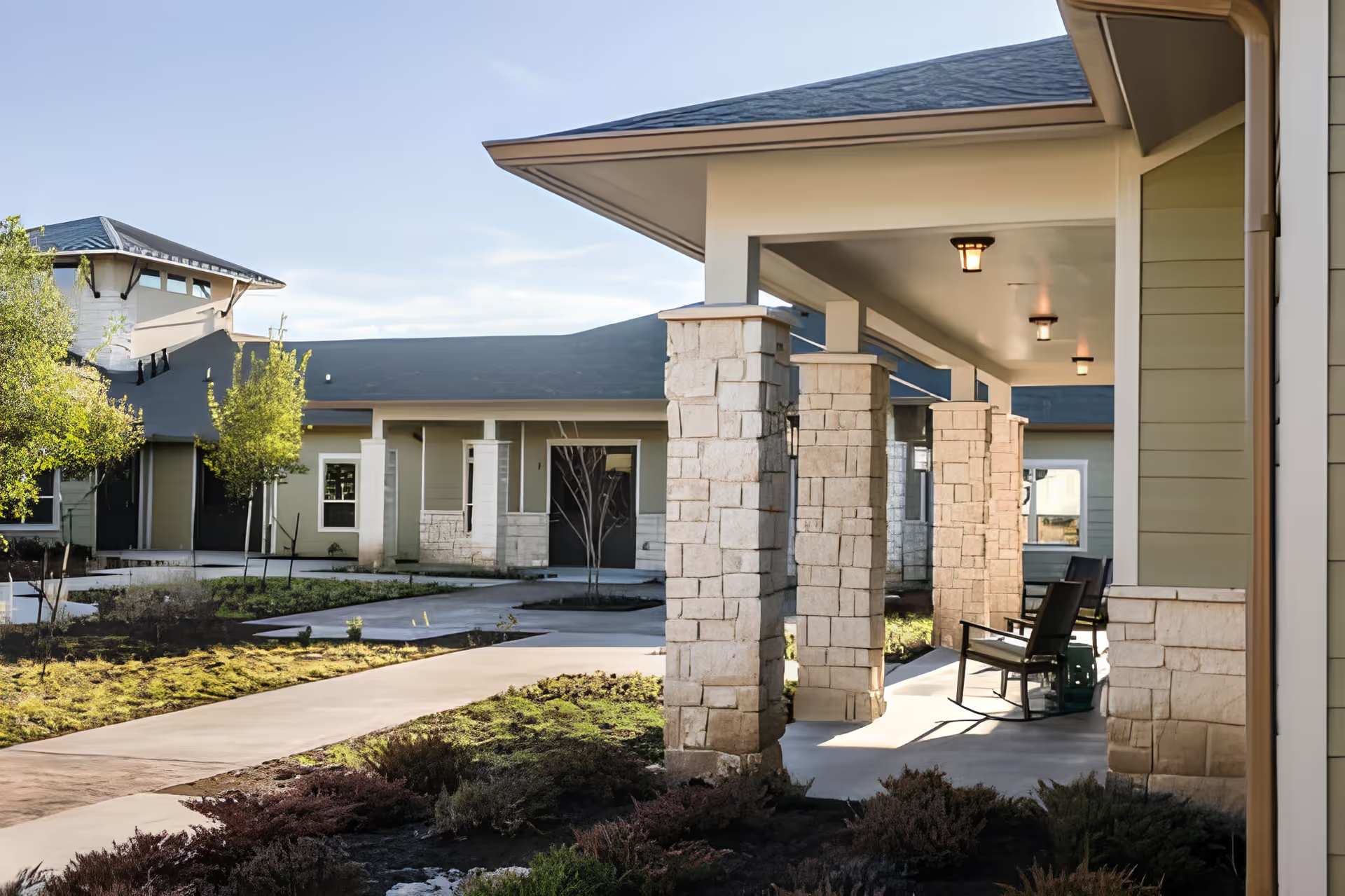
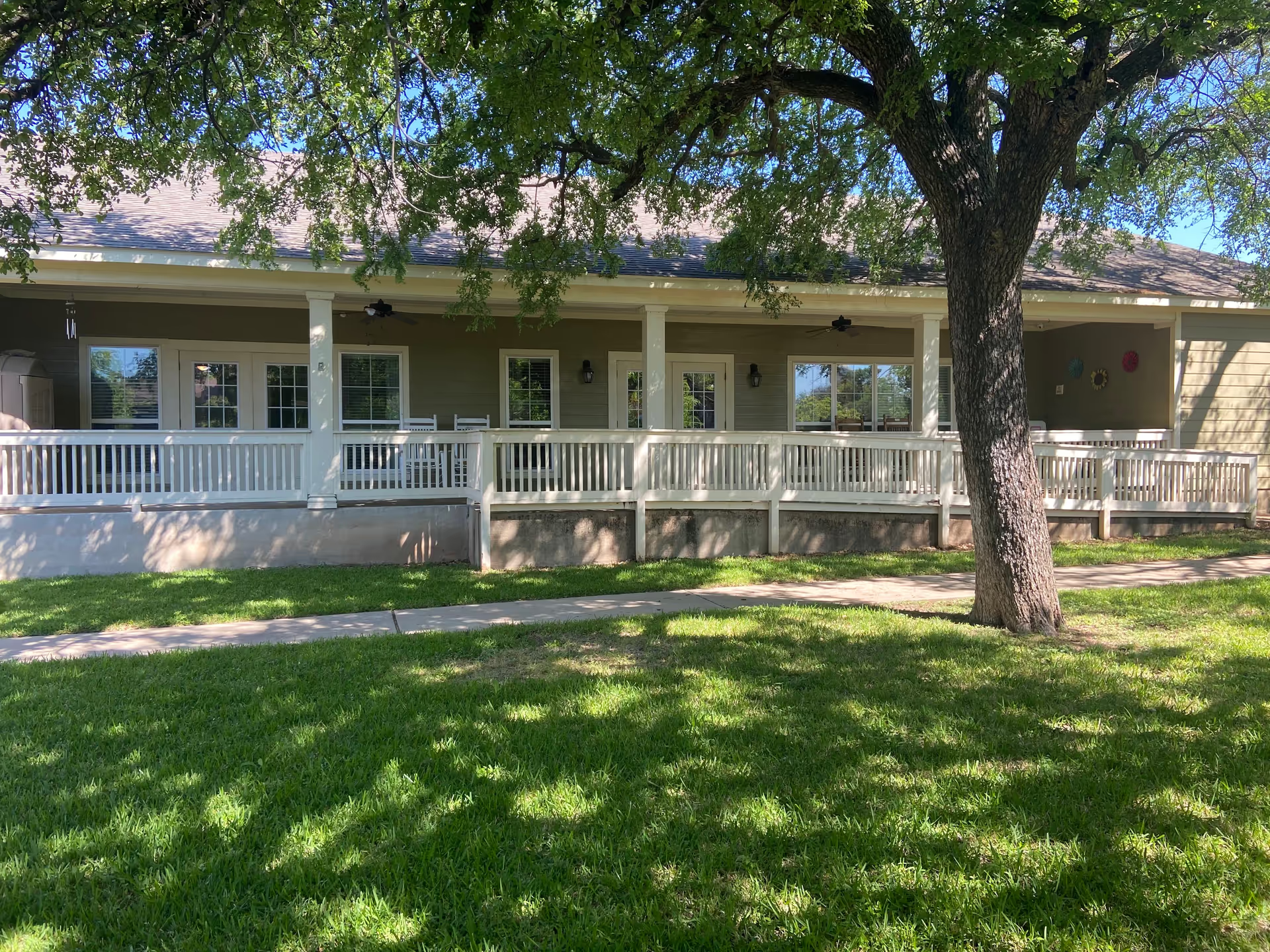
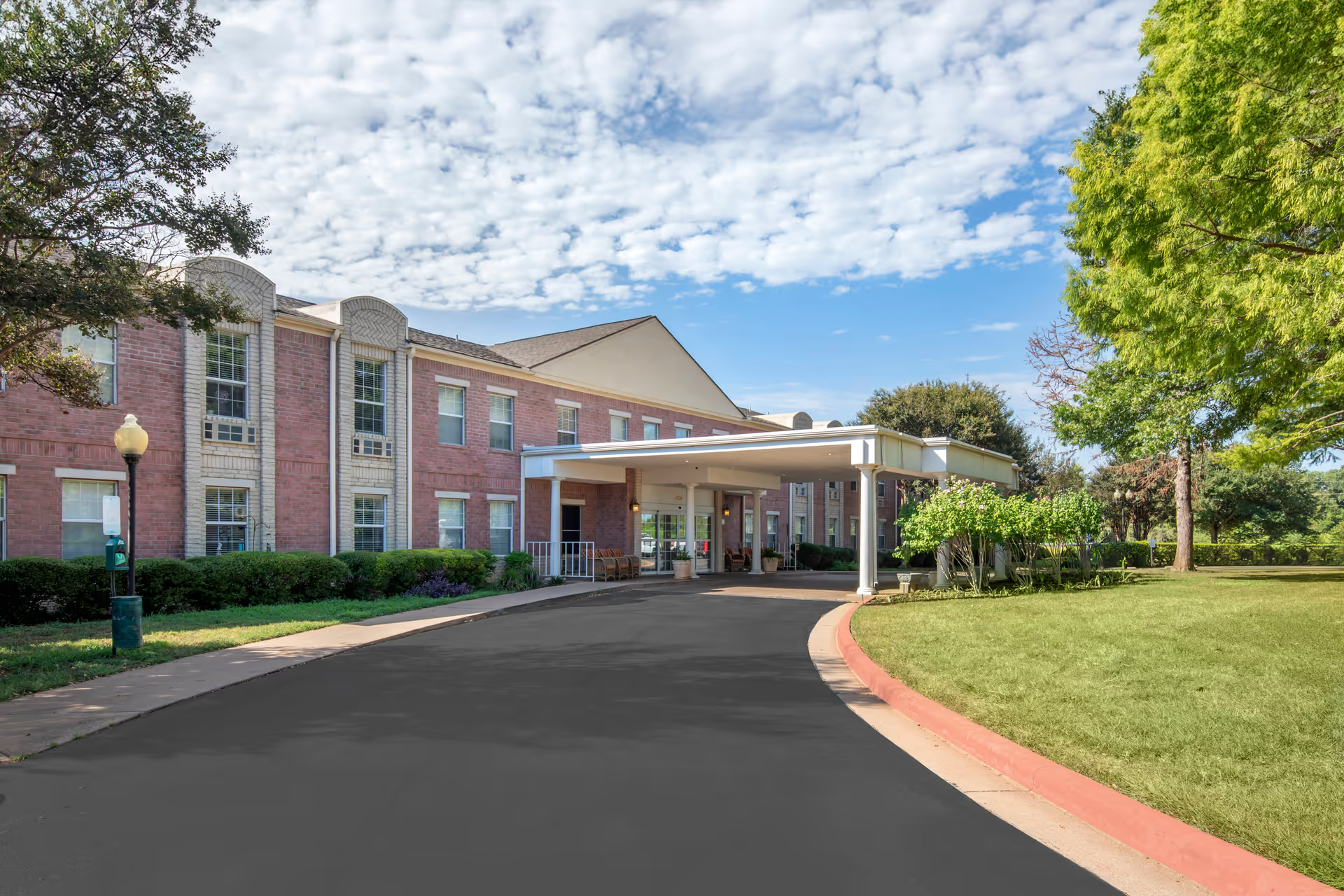
Dining and activities receive largely positive mentions, though food quality and meal delivery consistency are variable across experiences. The facility’s physical environment and housekeeping are often commended, and ongoing renovations are noted positively. Overall, the pattern is one of contrast: when staffing, communication, and leadership are aligned, care, therapy, and family engagement are rated highly; when those operational elements lapse, families report significant and sometimes serious lapses in basic care processes.
Practical takeaway for prospective residents and families: arrange an in-person tour focused on staff responsiveness (ask about typical call-button response times), inquire about staffing ratios and turnover, review laundry and belongings procedures, ask for details about medication-administration protocols and incident escalation, and request documentation of visitation and infection-control policies. Verify therapy schedules and family-communication practices, and ask how financial-accounting and personal-item inventories are handled to reduce risk around belongings and funds.