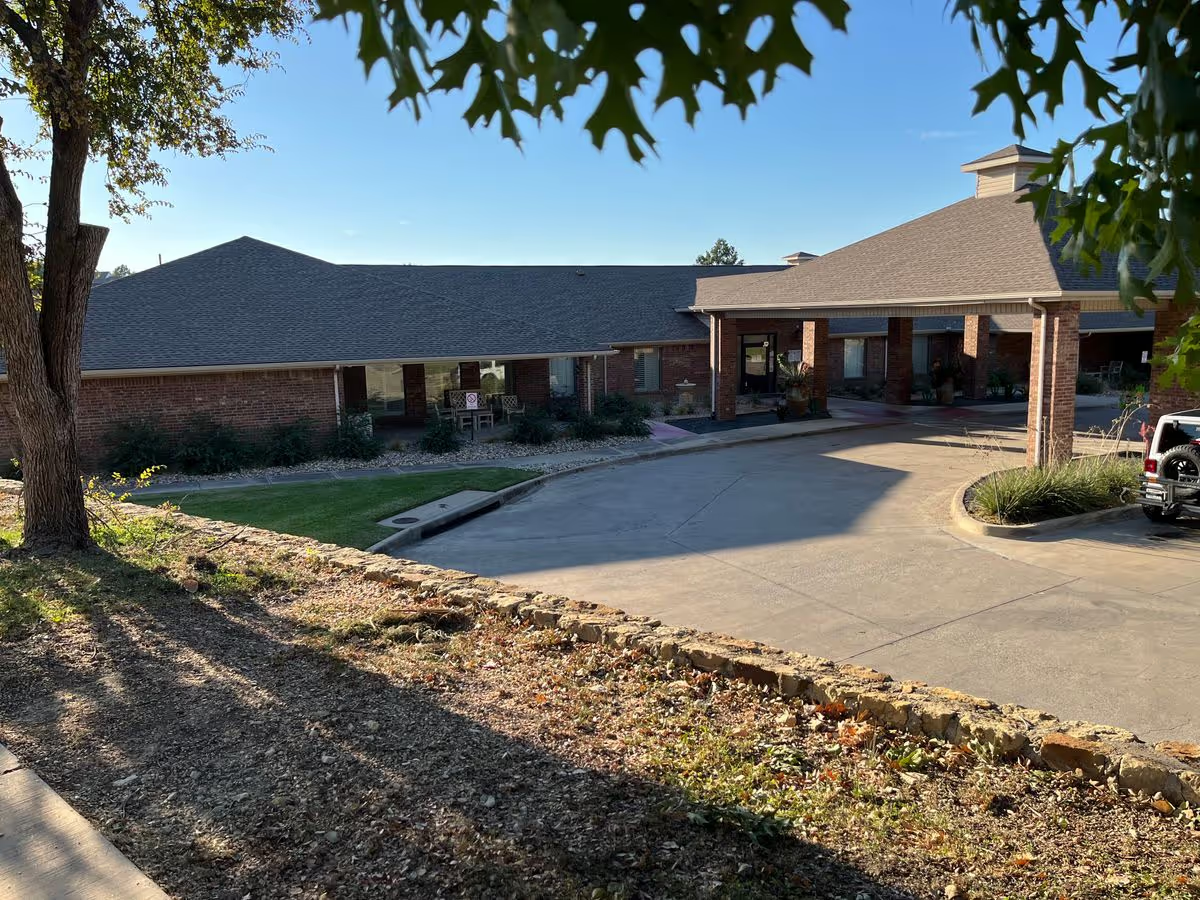
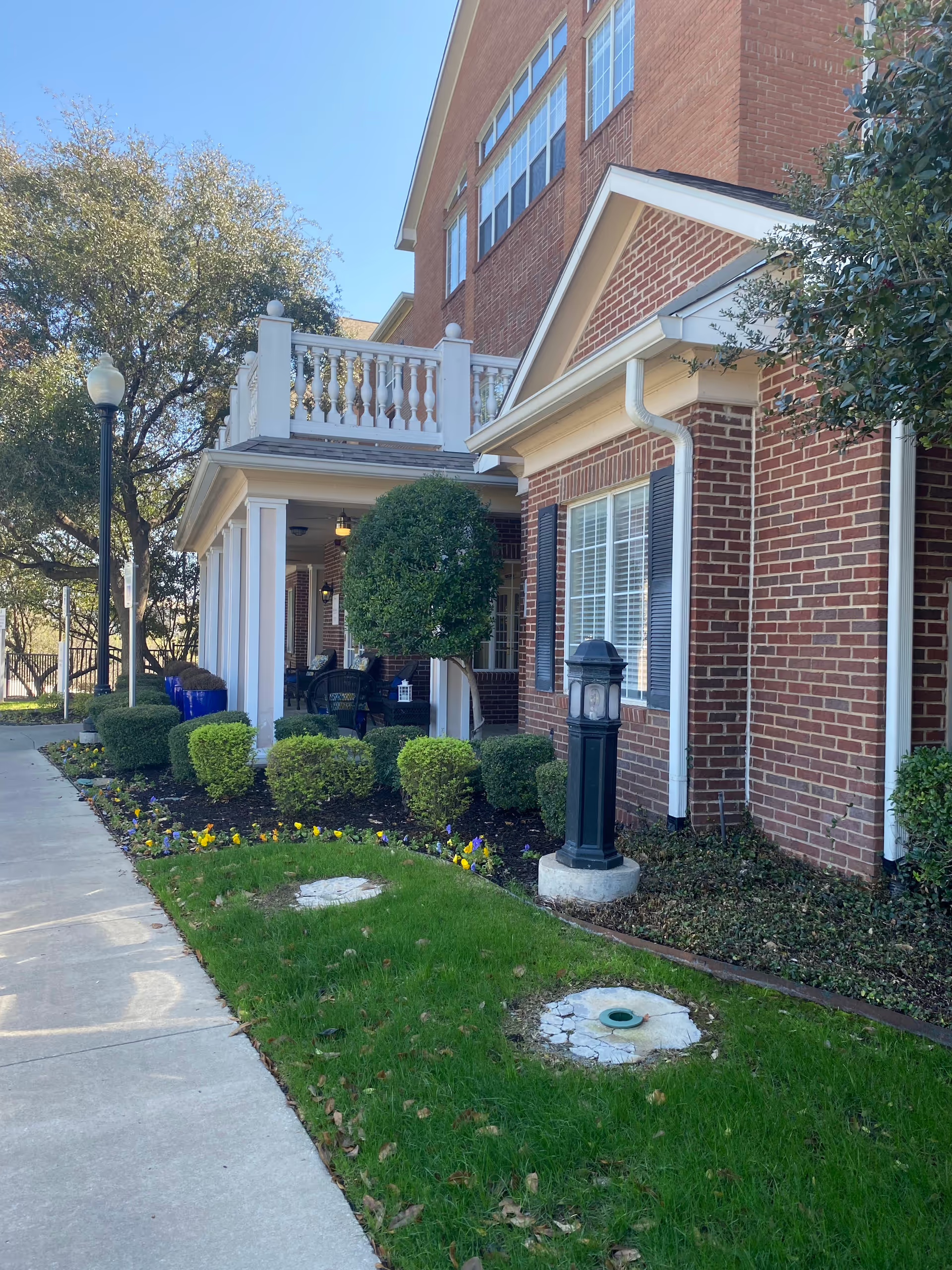
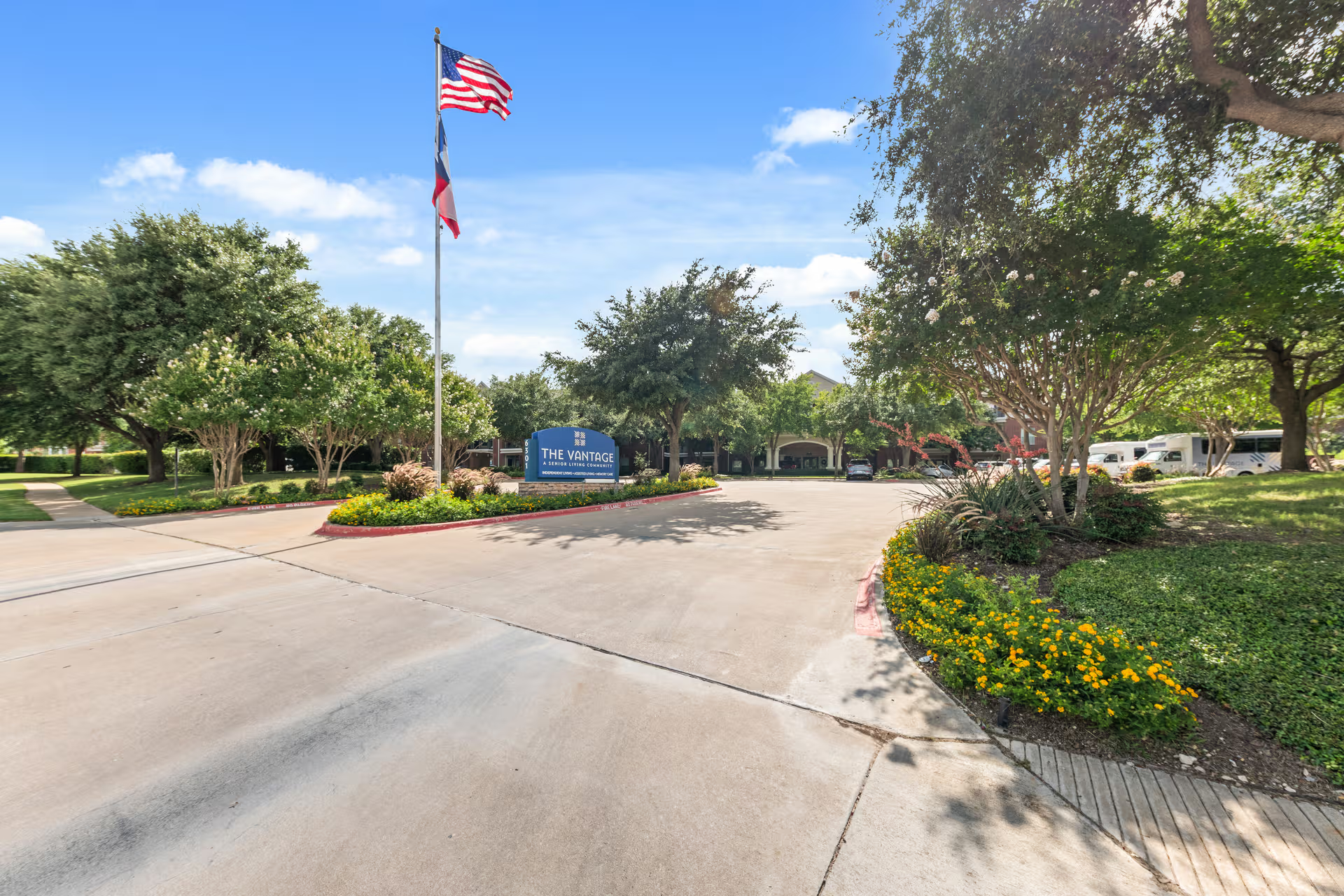
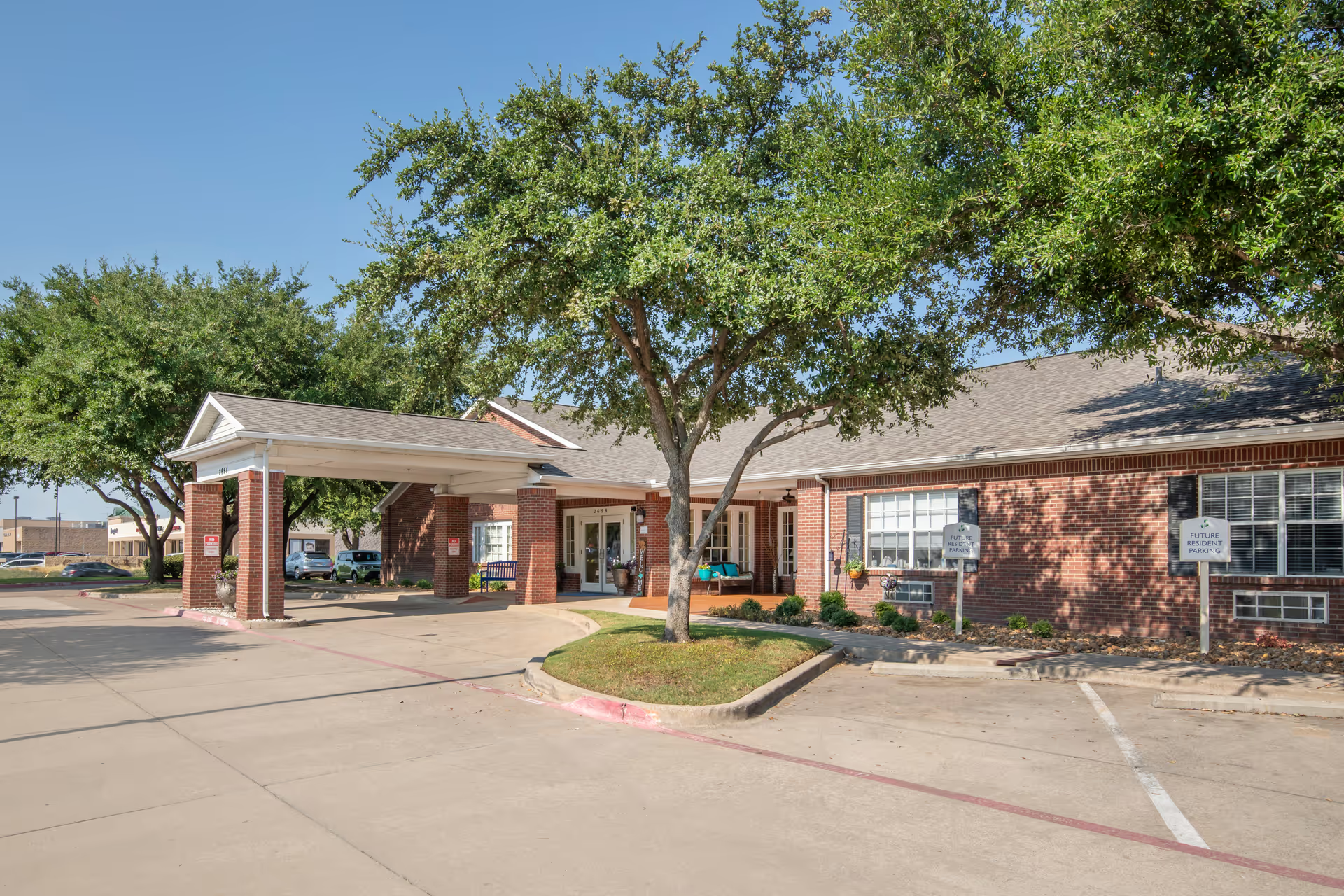
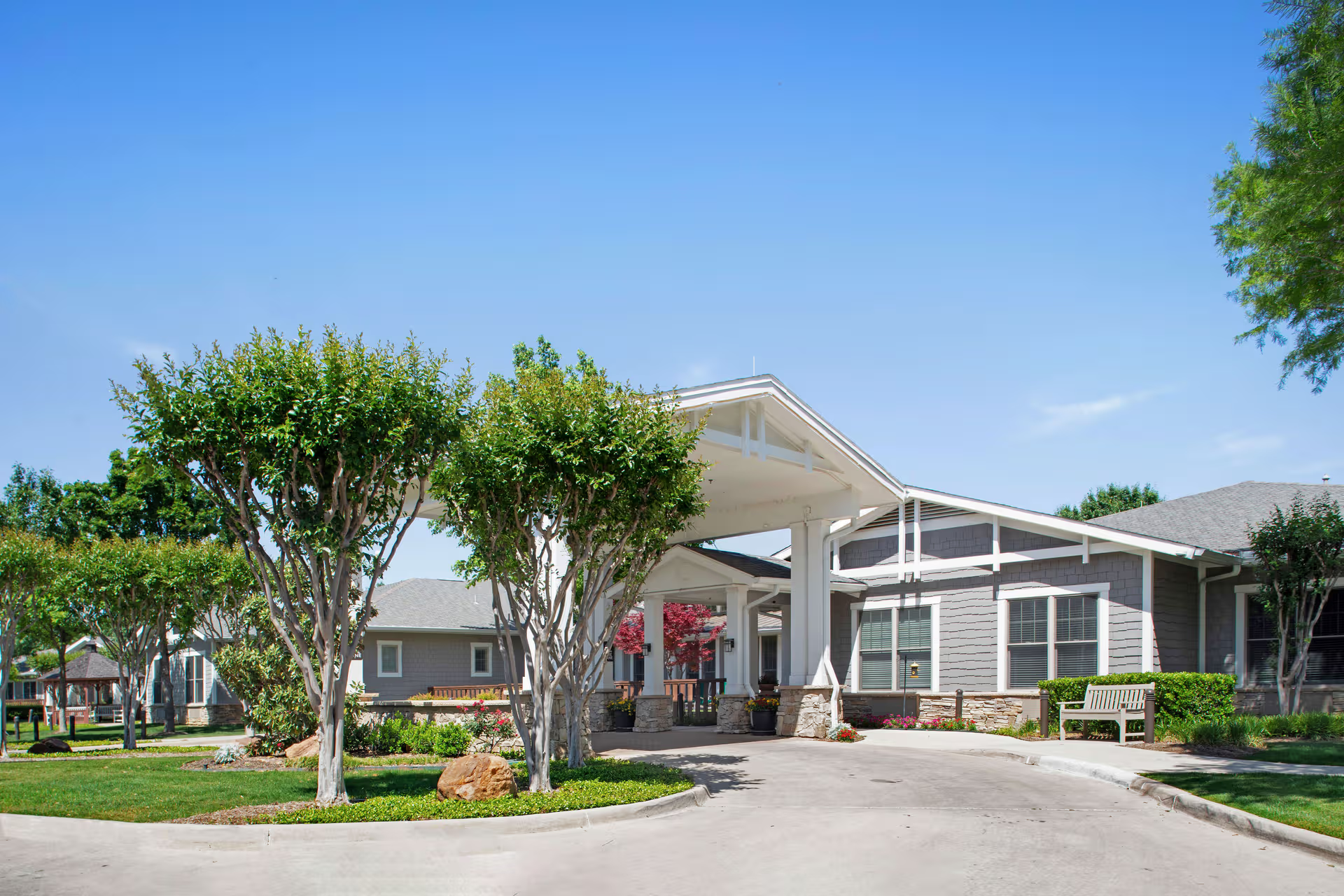
The aggregate of reviews describes a facility with highly polarized experiences: many families and residents praise caring staff, strong therapy services, and specific clinical strengths, while others raise substantial operational concerns. Positive accounts consistently highlight compassionate nursing and aide interactions, a well-regarded therapy department (physical, occupational, and speech), capable wound-care clinicians, and an active activities program that contributes to resident engagement. Admissions, front‑desk staff, and transportation teams also receive frequent commendation for helpfulness and coordination. Facility improvements and renovations are noted by multiple reviewers, describing bright common areas and attractive outdoor spaces.
At the same time, a significant set of operational weaknesses appears across reviews. Chronic and episodic understaffing is a recurring theme and is linked to delayed response times to call requests, inconsistent assistance with hygiene and toileting, and missed or irregular basic care tasks. Several accounts point to sanitation and housekeeping problems, including lapses in linen handling and laundry processes, as well as ongoing odor‑management and pest‑control concerns. These environmental and care‑process issues are reported alongside nutrition and dining variability; some families describe satisfactory dining programs, while others cite poor palatability and inadequate monitoring of weight and intake during short stays.
Clinical-safety and administrative consistency are additional areas of concern. Reviews document instances implying gaps in medication administration, delayed clinical incident response, and equipment maintenance problems (for example, outdated or unreliable monitoring devices). There are also repeated descriptions of inconsistent communication with families—delays in notification during clinical changes, unclear explanations of care plans, and variability in management responsiveness. Security of personal property and financial-administration matters are raised in multiple accounts, including claims about missing belongings and concerns about billing or handling of resident funds; such claims warrant close administrative and regulatory attention.
Notable patterns include variation by shift, unit, and individual staff member: many positive experiences point to specific clinicians and aides who provide exemplary care, while negative experiences often correlate with staffing shortages or particular shifts. Therapy and wound‑care services are frequently described as strengths and may be an area of reliable performance for prospective residents seeking rehabilitation or complex-wound management. Conversely, families concerned about baseline custodial care, timely assistance, laundry/property controls, and transparent communication should seek detailed assurances.
For prospective residents and families: consider an in‑person visit at different times of day and on weekends, ask for written descriptions of staffing ratios and response-time expectations, request documentation of recent infection‑control and pest‑management activities, review the facility’s property‑security and billing procedures, and obtain a clear, written therapy plan with measurable goals and delivery schedules. Where possible, speak directly with the therapy and wound‑care teams and identify point persons for family communication. The facility shows meaningful clinical strengths and dedicated staff members, but operational inconsistencies and reported safety and sanitation concerns merit careful, specific inquiry before admission.