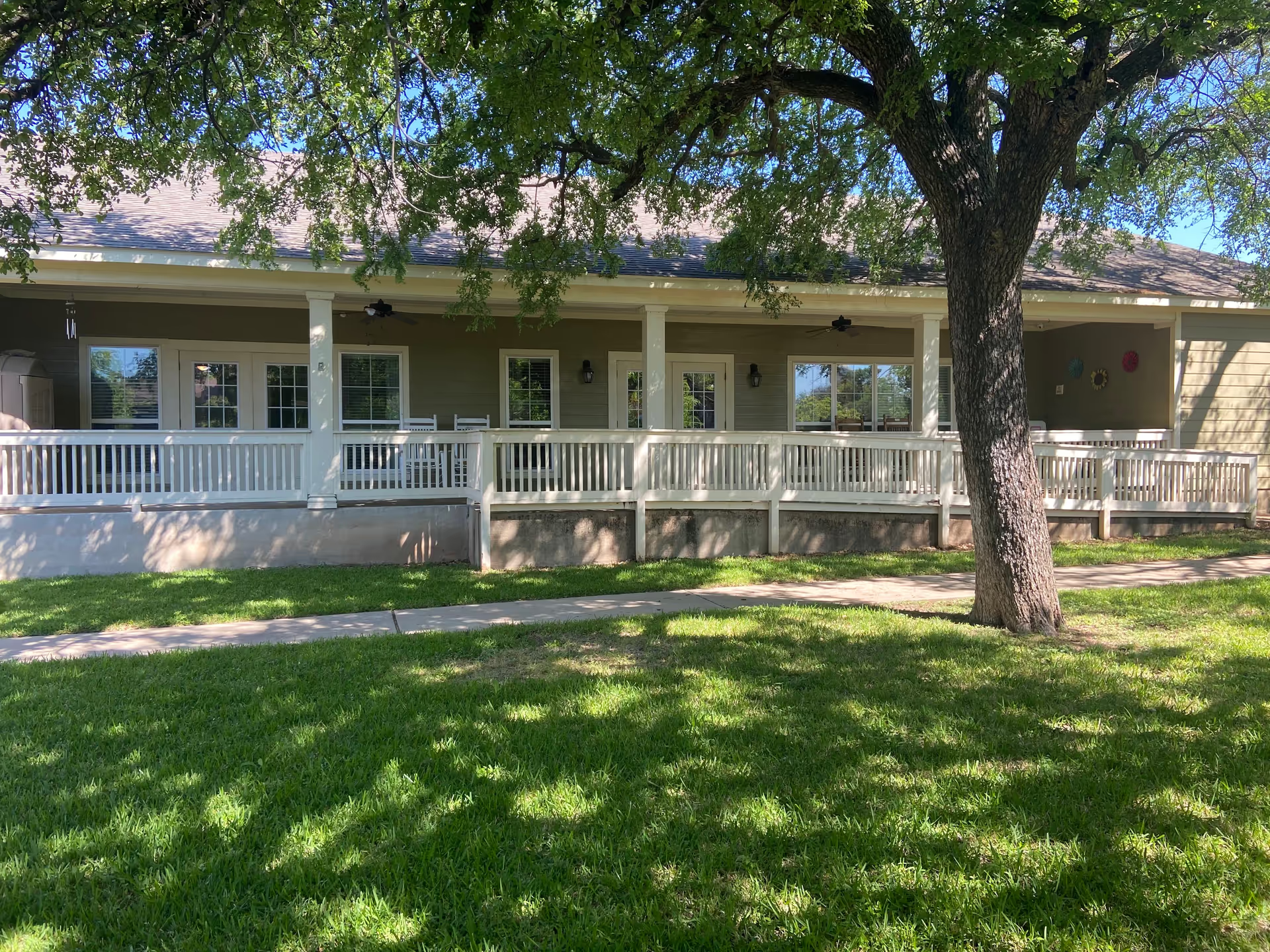
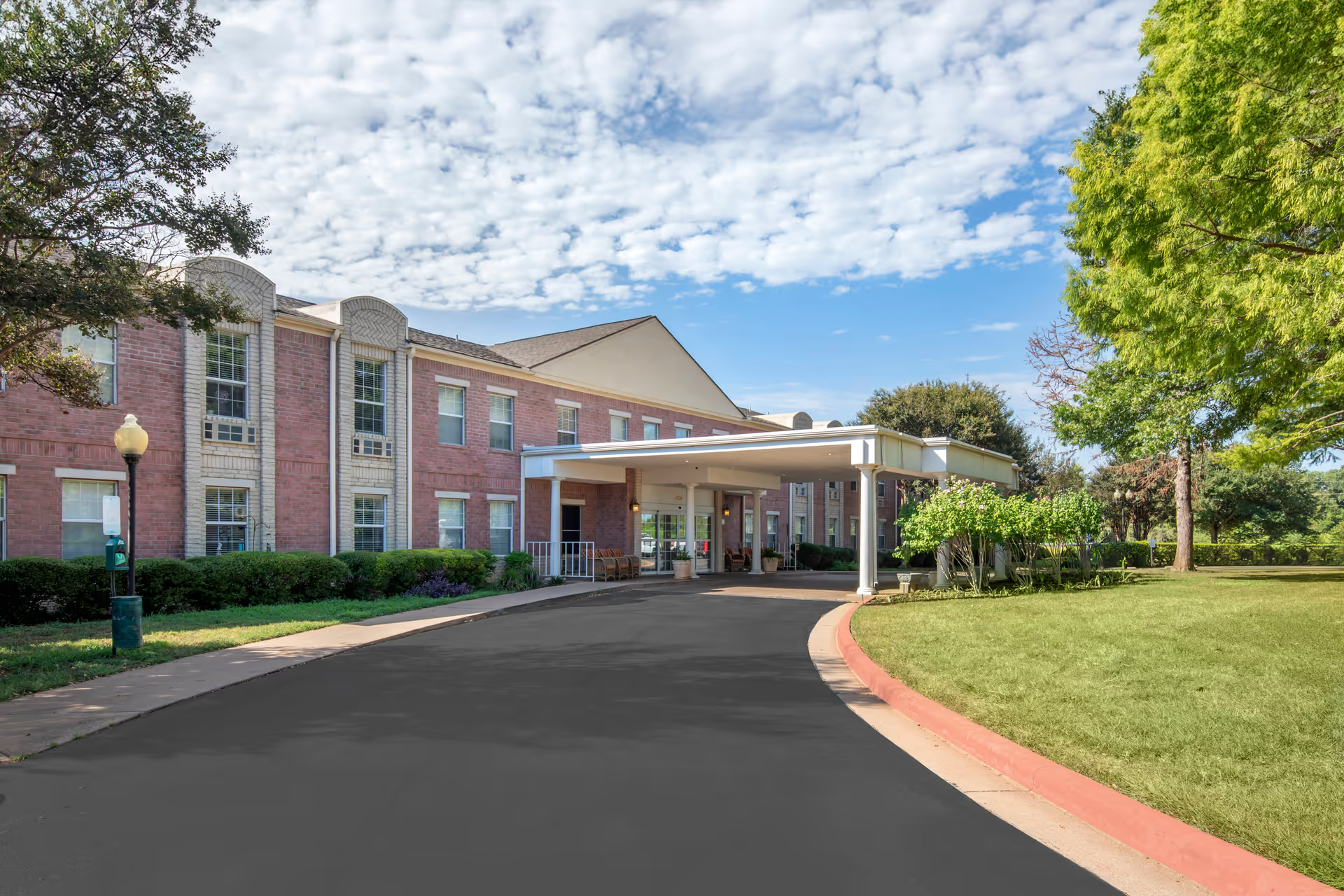
Ridgecrest Retirement and Health Care elicits strongly mixed impressions. Many families and residents praise the caring, team-oriented staff, robust activity schedule, and the facility’s attractive, hotel-like spaces. Positive features commonly cited include spacious, warmly decorated apartments, clean and well-lit common areas, an on-site therapy and rehabilitation program, and visible clinical support from registered nurses and dietitians. The admissions and outreach staff receive frequent commendation for responsiveness and helpful onboarding, and the property’s lakeside setting, courtyard and volunteer programming (including therapy animals and school performances) are noted as valuable quality-of-life contributors. Cost and perceived value are also recurring positives for prospective residents on limited budgets.
Care quality and staffing show notable variability. Numerous accounts describe compassionate, attentive CNAs and nursing staff who provide reliable medication administration and strong family communication. Conversely, a substantial number of accounts cite slow responses to call buttons, workload-driven coverage gaps, and specific concerns about diabetes and medication-management processes. Night-shift supervision and escalation for urgent clinical needs are particular areas of concern for some families. Several reviewers described serious clinical incidents, including delayed transfers to higher levels of care; these reports have created worry about escalation protocols and critical-incident communication.
Dining and nutrition receive mixed evaluations. Some residents and families describe nutritious, accommodating menus and attentive dining service that handles dietary restrictions. Other accounts point to inconsistent meal quality, kitchen staffing turnover, limited menu variety, and specific service lapses (for example, cold or insufficient breakfast offerings). Prospective residents should ask about current kitchen staffing, menu cycles, and procedures for accommodating therapeutic diets.
Activities and social engagement are generally a strength on paper: Ridgecrest offers a wide range of options (bingo, music, concerts, outings, volunteer visitation) and encourages socialization. However, engagement and program quality appear uneven; some residents find the schedule stimulating and well-run, while others report limited, repetitive programming or interpersonal concerns with activity staff conduct. Observing programming in person and asking about attendance levels and individualized activity plans is advisable.
The physical plant combines attractive common spaces and large private rooms with some deferred-maintenance issues. Many reviewers praise the clean, homey atmosphere and roomy apartments, but others report delayed in-room repairs, blinds and furniture needing upkeep, parking-lot potholes, accessibility challenges from car to door, and pest-control or odor concerns in certain areas. Shuttle service reliability and parking accessibility are recurring operational negatives to confirm during a visit.
Operationally, Ridgecrest appears to be led by an admissions and front-line team that several families find outstanding, while administrative responsiveness and leadership stability have been inconsistent at times. Reviewers credit specific managers and long-tenured staff with excellent communication and resident advocacy; at the same time, turnover in kitchen and leadership roles, uneven record-keeping, and occasional difficulty reaching directors or obtaining records have been reported. There are also accounts suggesting abrupt or poorly managed resident transitions in isolated cases, which point to the need for clear contractual and discharge/transition policies.
Bottom line: Ridgecrest offers many of the features families seek—compassionate direct-care staff, a broad activities program, on-site therapy services, roomy accommodations, and strong value—but the facility shows inconsistent performance in response times, medication/diabetes oversight, meal continuity, maintenance, and administrative follow-through. Prospective residents and families should tour during peak and off-peak hours (including mealtime and evening/night), meet clinical leadership, review medication-management and emergency-response protocols, verify staffing levels for intended level of care, and observe activity engagement before making a placement decision.