Overall impression: The reviews present a bifurcated picture. A substantial portion of comments highlight a pleasant physical environment, courteous interpersonal interactions, and good suitability for recovery stays. However, one severe individual account raises serious questions about clinical oversight and emergency preparedness; that claim, if accurate, warrants verification with facility management and regulators.
Care quality: Many commenters described the facility as a good recovery setting with helpful staff and a clean environment. At the same time, the reviews imply inconsistent clinical performance: concerns focus on readiness of clinical equipment and the facility’s ability to recognize and escalate urgent medical needs. Prospective residents should confirm clinical staffing levels, on-shift clinical coverage (RN/LPN availability), equipment-check protocols, and emergency-response procedures during a visit.
Staff: Reviewers frequently described staff as friendly, kind, and welcoming, indicating strengths in day-to-day interpersonal care and customer service. Contrastingly, other content suggests variability in staff competency and responsiveness to medical changes. Families should ask about staff training programs, turnover rates, supervision structure, and how clinical competencies are maintained and audited.
Dining and activities: The supplied comments do not provide substantive information about dining or activity programming. Given this absence, prospective families should request sample menus, dietary accommodation policies, and a current activities calendar to evaluate social and nutritional offerings.
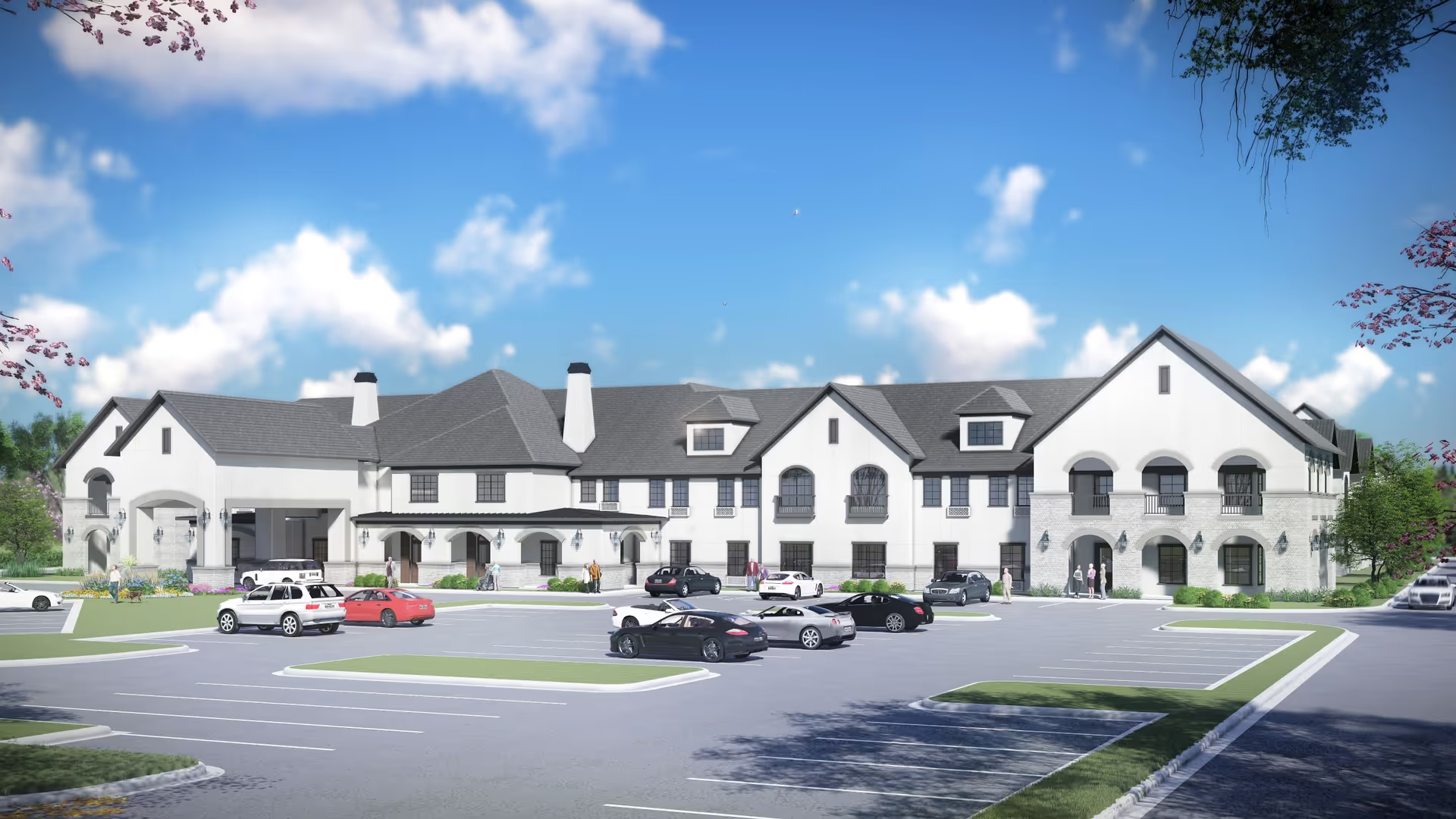
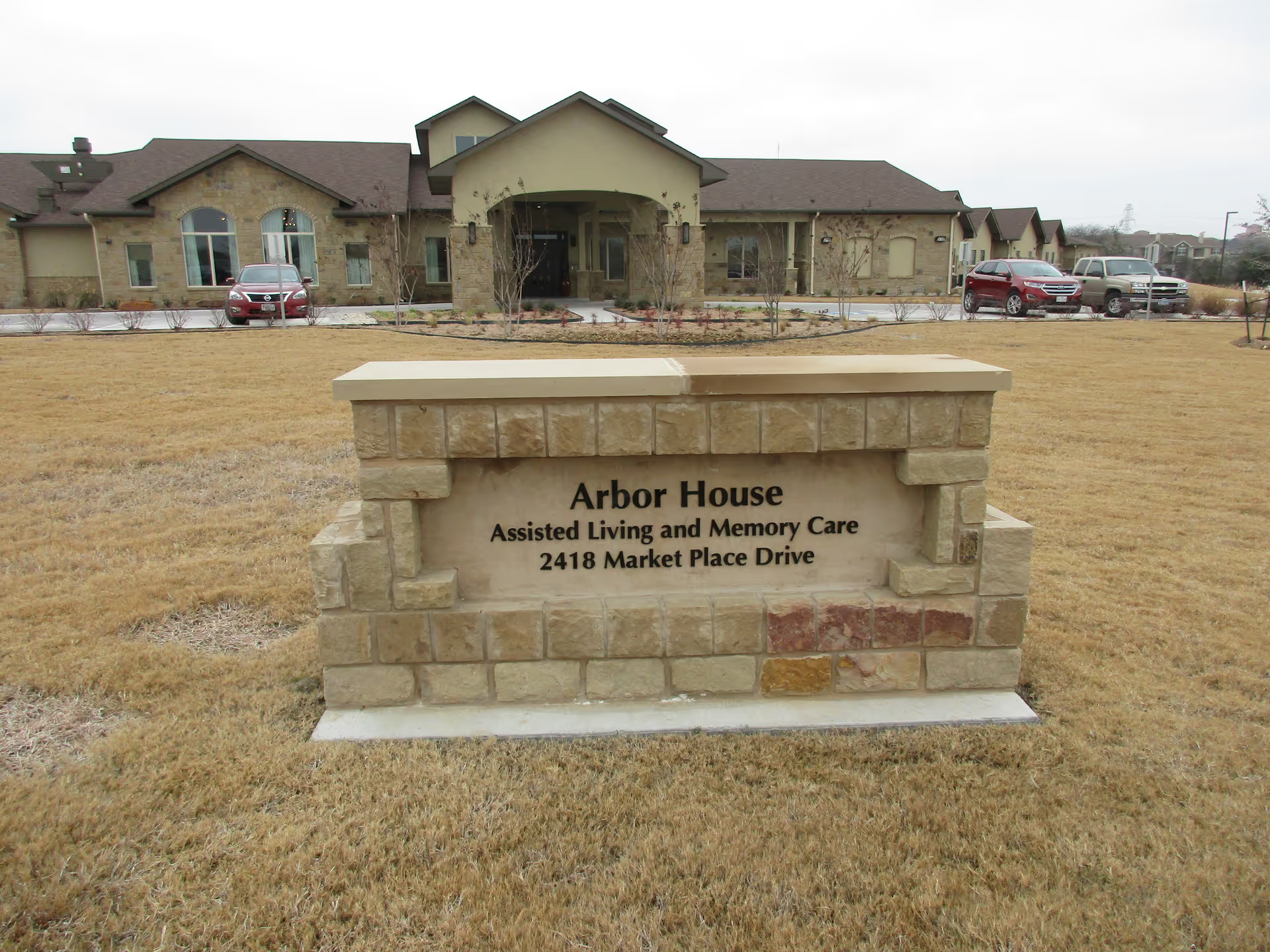
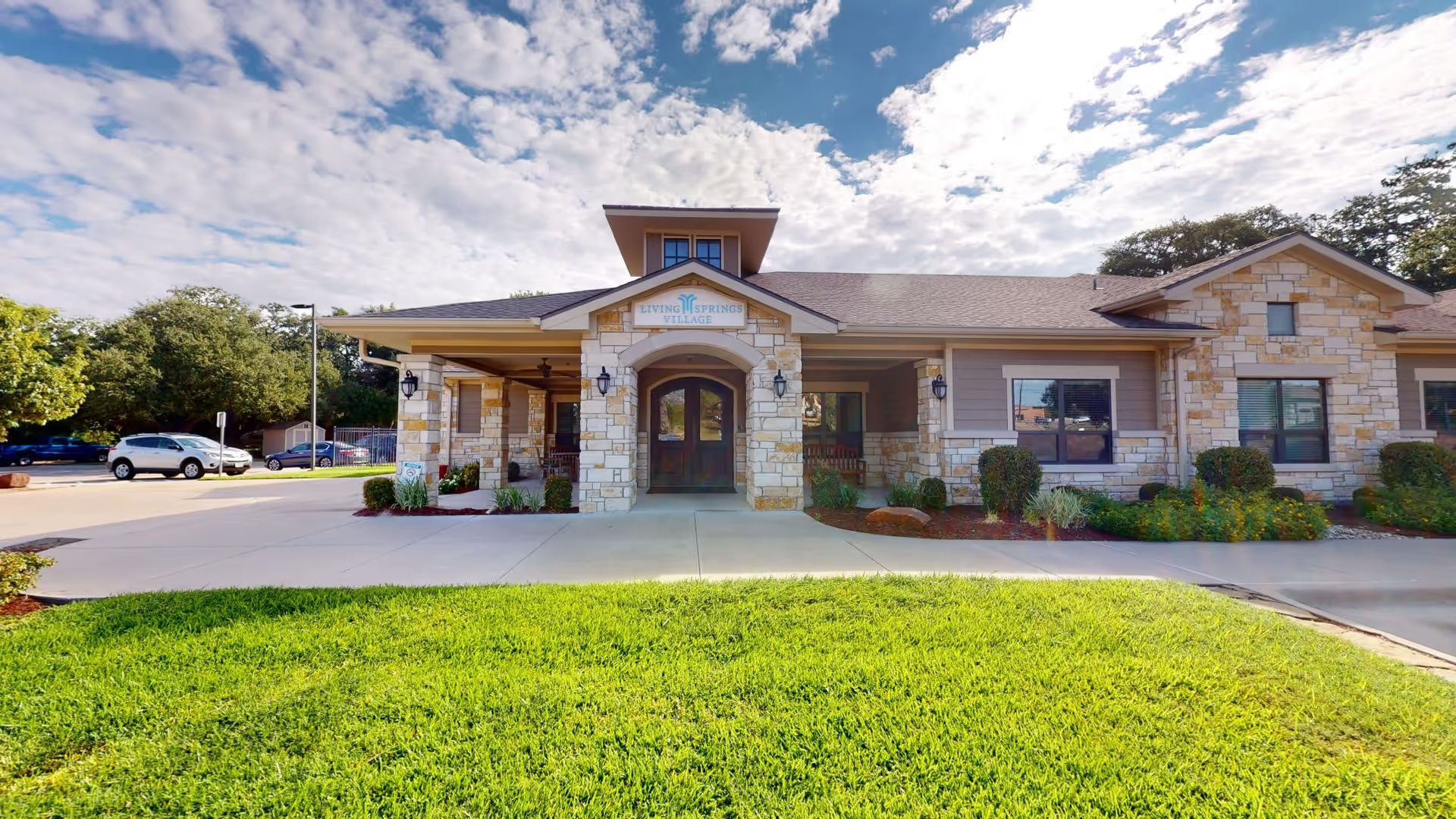
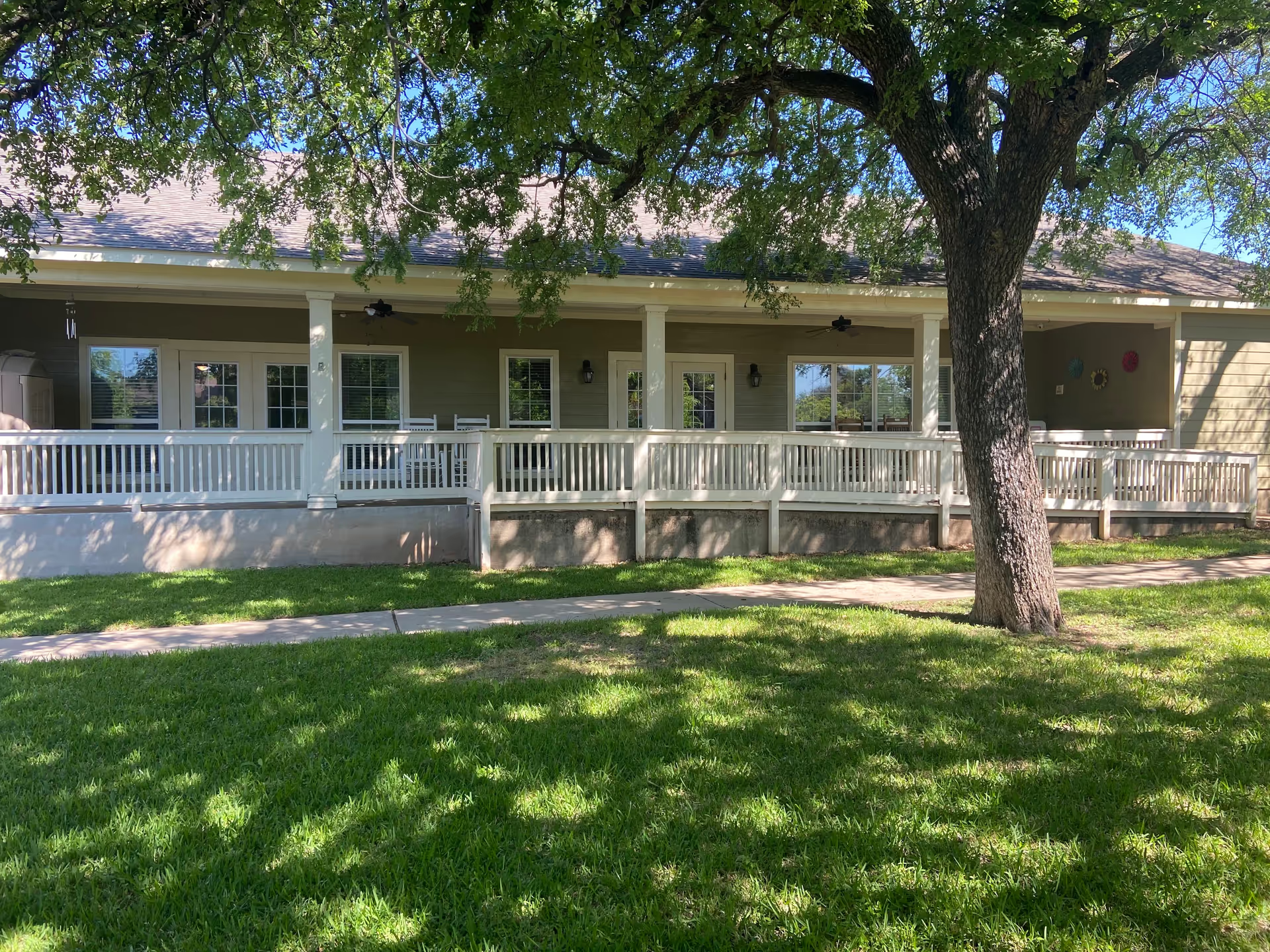
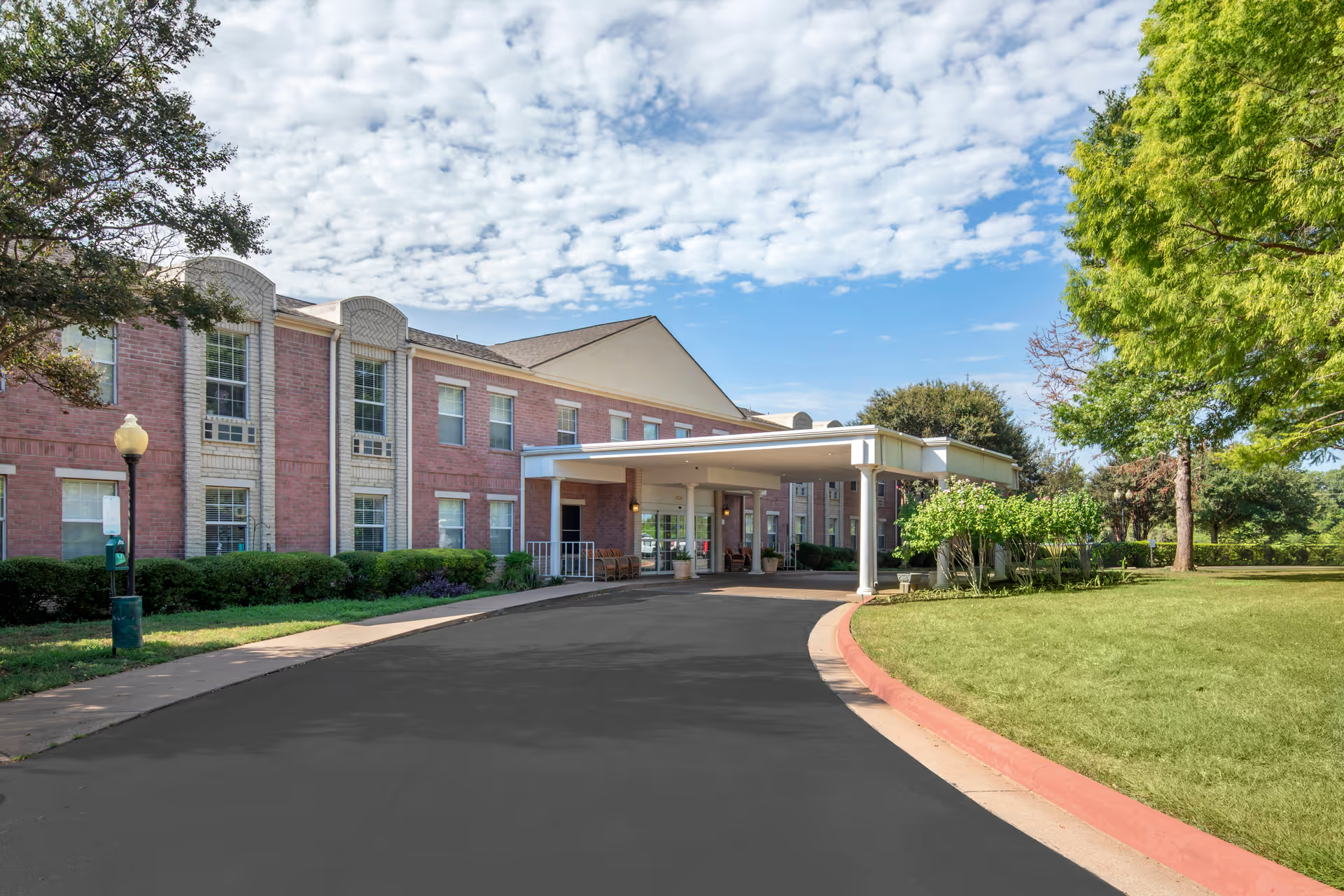
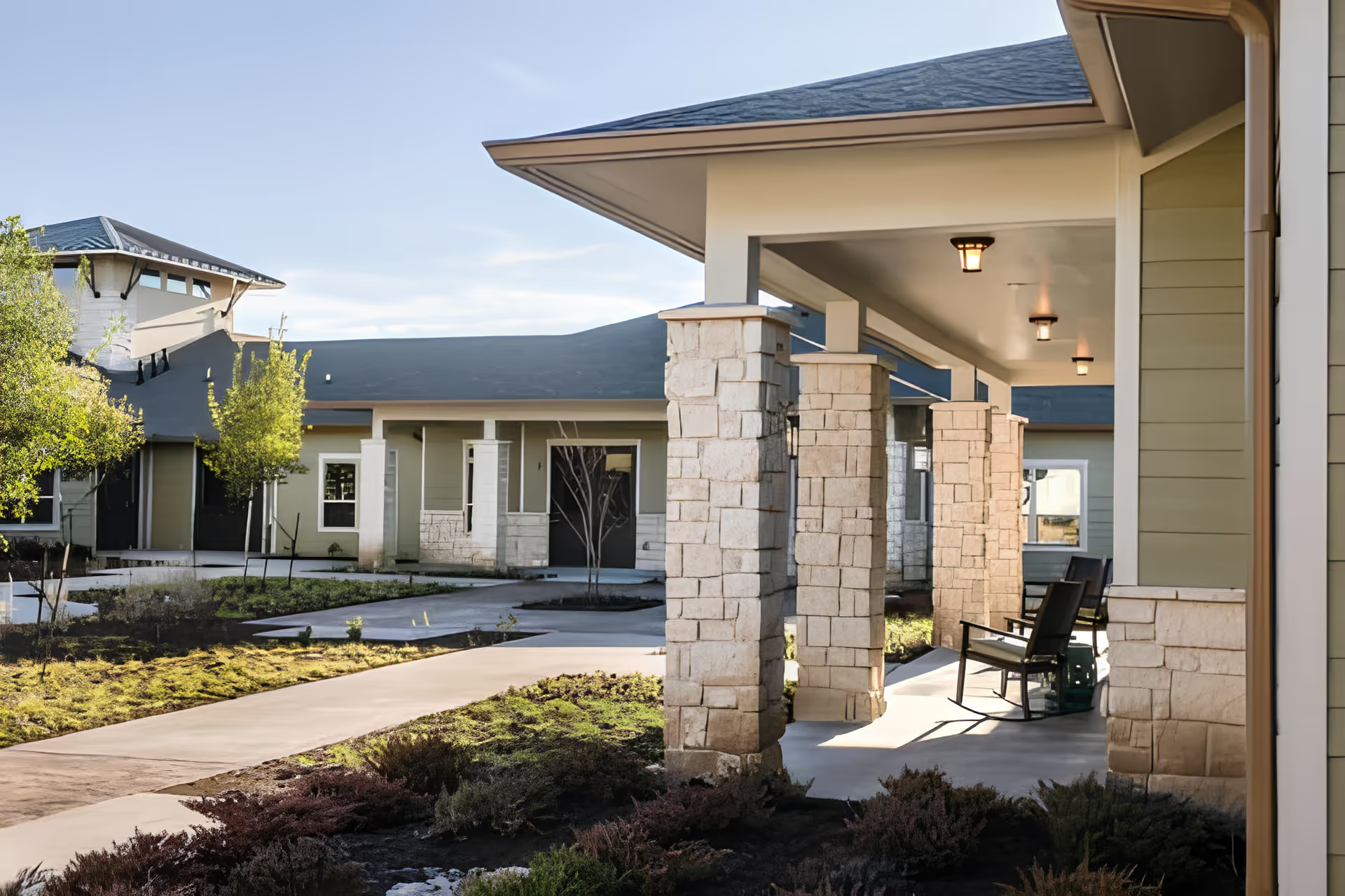
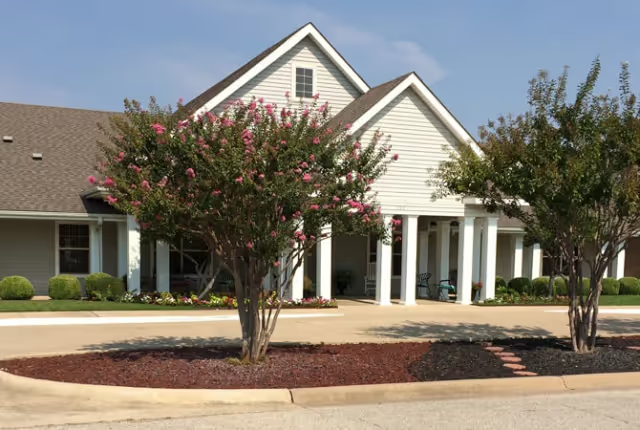
Facilities and environment: The facility’s physical plant receives consistently positive mentions—cleanliness, attractive interior design, and spacious common areas are repeatedly noted. These aspects support comfort and recovery for short-term stays, according to reviewers who commented on the environment.
Management and regulatory concerns: One serious allegation describes inadequate equipment availability that reportedly led to emergency hospitalization and intensive care; this raises questions about incident response, documentation, and regulatory compliance. Prospective residents should review the facility’s incident-investigation procedures, recent survey/licensing history, and any corrective-action records. Asking to speak with management about routine audits, equipment-maintenance logs, and family-notification protocols can clarify how the facility prevents and responds to clinical incidents.
Notable patterns and recommendations: The dominant pattern is of a well-maintained, welcoming facility with staff who are often described as kind and helpful. The primary operational concerns are centered on clinical oversight, emergency equipment readiness, responsiveness to urgent medical issues, and communication with families. Before admission, it is prudent to tour the facility, observe staffing and shift handoffs if possible, request documentation on clinical policies and equipment checks, and verify current licensing and survey status with the appropriate regulatory body.