Overall impression: Abbington Manor is frequently described as a warm, home-like assisted living community with a strong emphasis on social programming and hands-on caregiving. Many families highlight the compassion and personal attention provided by caregivers and nurses, and they appreciate the presence of an onsite medical and nursing team. The facility offers a broad range of communal amenities — a movie theater, large activity room, exercise options, gardening space, and escorted outings — which contribute to an active daily life for residents.
Care quality and staff: The prevailing strength cited is staff attitude and engagement. Caregivers are characterized as friendly, patient, and attentive in many accounts, and several notes point to administrators and activities staff who go above and beyond to involve residents. The memory-care program is led by knowledgeable staff and uses a small, secure unit model that families find reassuring. At the same time, reviews indicate variability in staffing stability and responsiveness: elevated turnover and occasional delays in attending to needs are recurring operational concerns. There are also isolated but meaningful concerns about staff conduct and the tone of communication in some interactions, which prospective families should clarify during a visit.
Dining and hospitality: Dining is generally a positive element, with reviewers praising home-cooked-style meals, alternative menu choices, and restaurant-style service in several accounts. A number of families praised kitchen and cleaning staff by name for their contributions to residents’ comfort. However, some comments reference limited meal variety or periods of monotonous offerings, so meal consistency may vary by unit or time.
Activities and social life: Activity programming is a clear strength. The calendar of events is active and varied — crafts, music, bingo, themed events, outings, and intergenerational or community-linked activities — and staff-driven engagement is cited repeatedly. The ability to keep residents socially involved and escorted trips on a community bus are mentioned as strong contributors to quality of life. A few accounts indicate variability in how consistently residents in different parts of the building are engaged, so activity participation can differ by household.
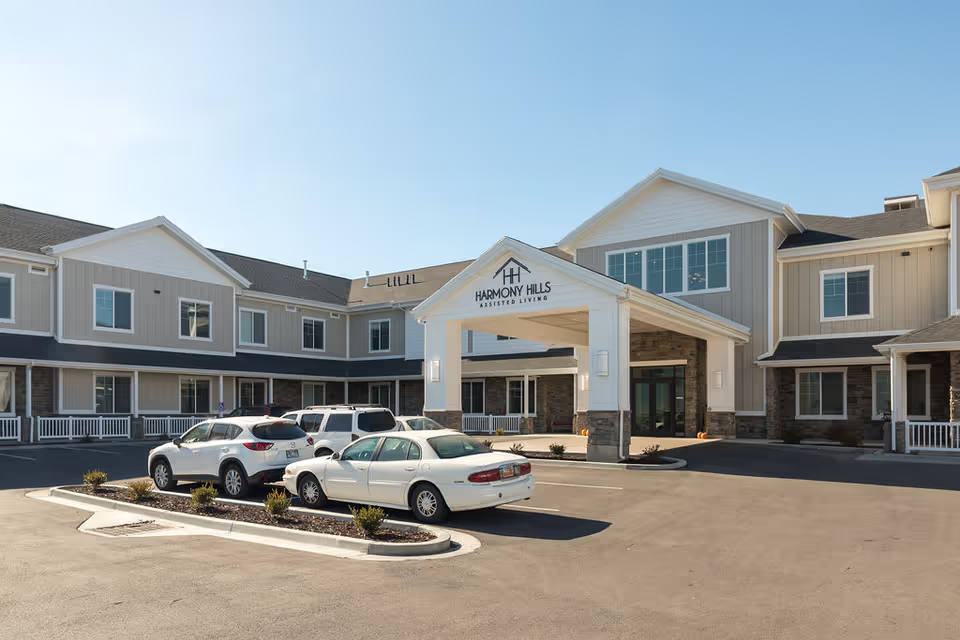
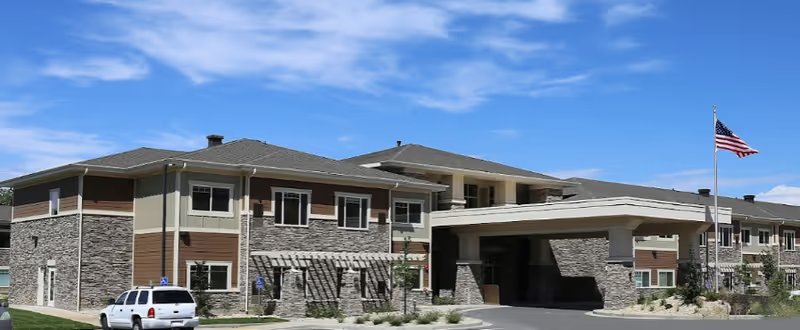
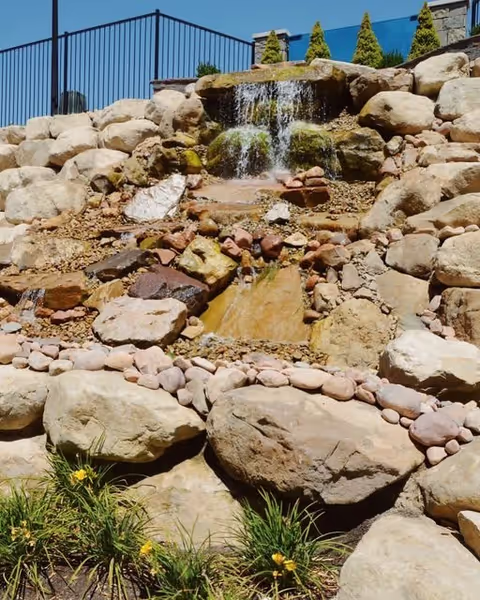
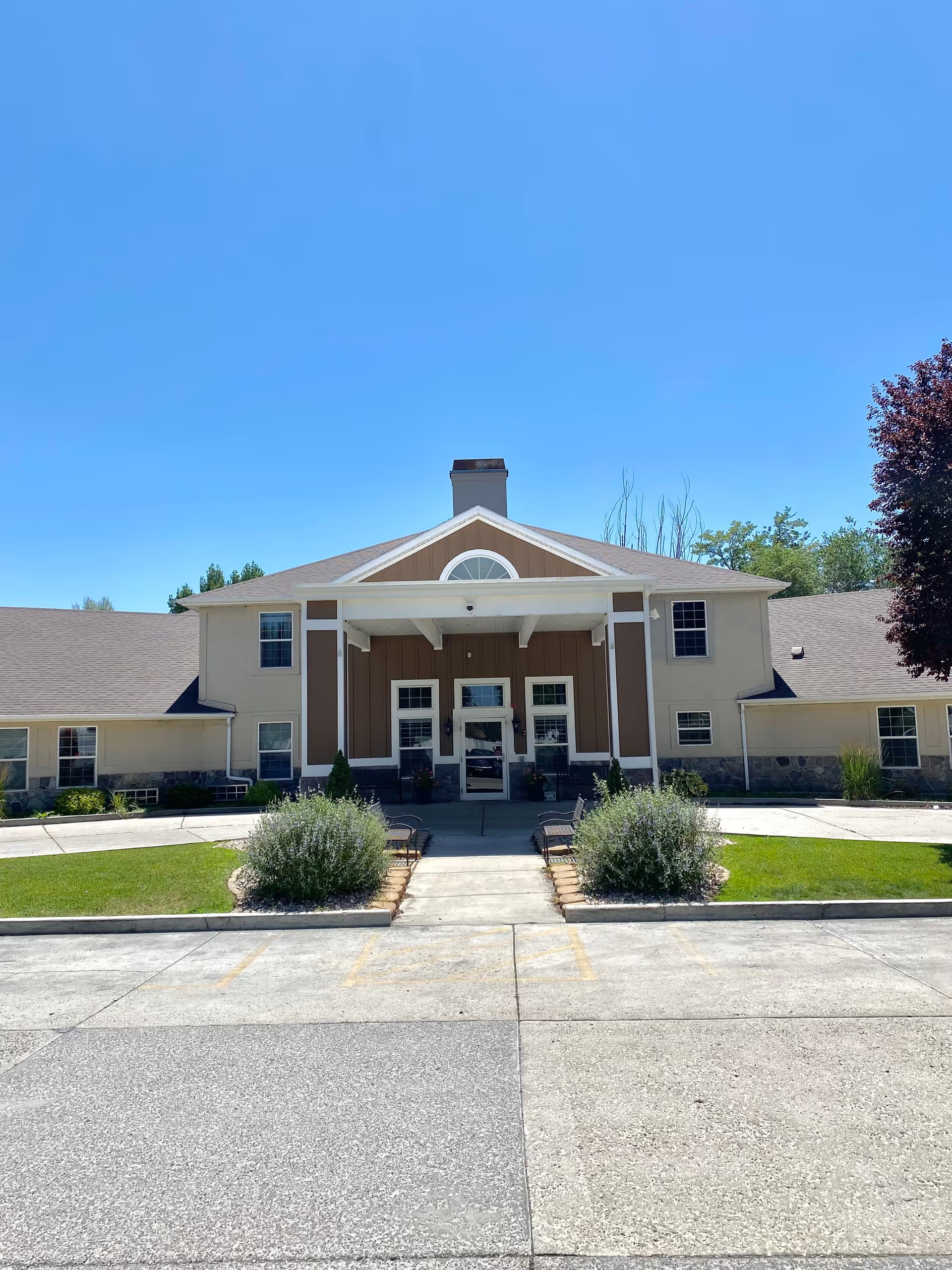
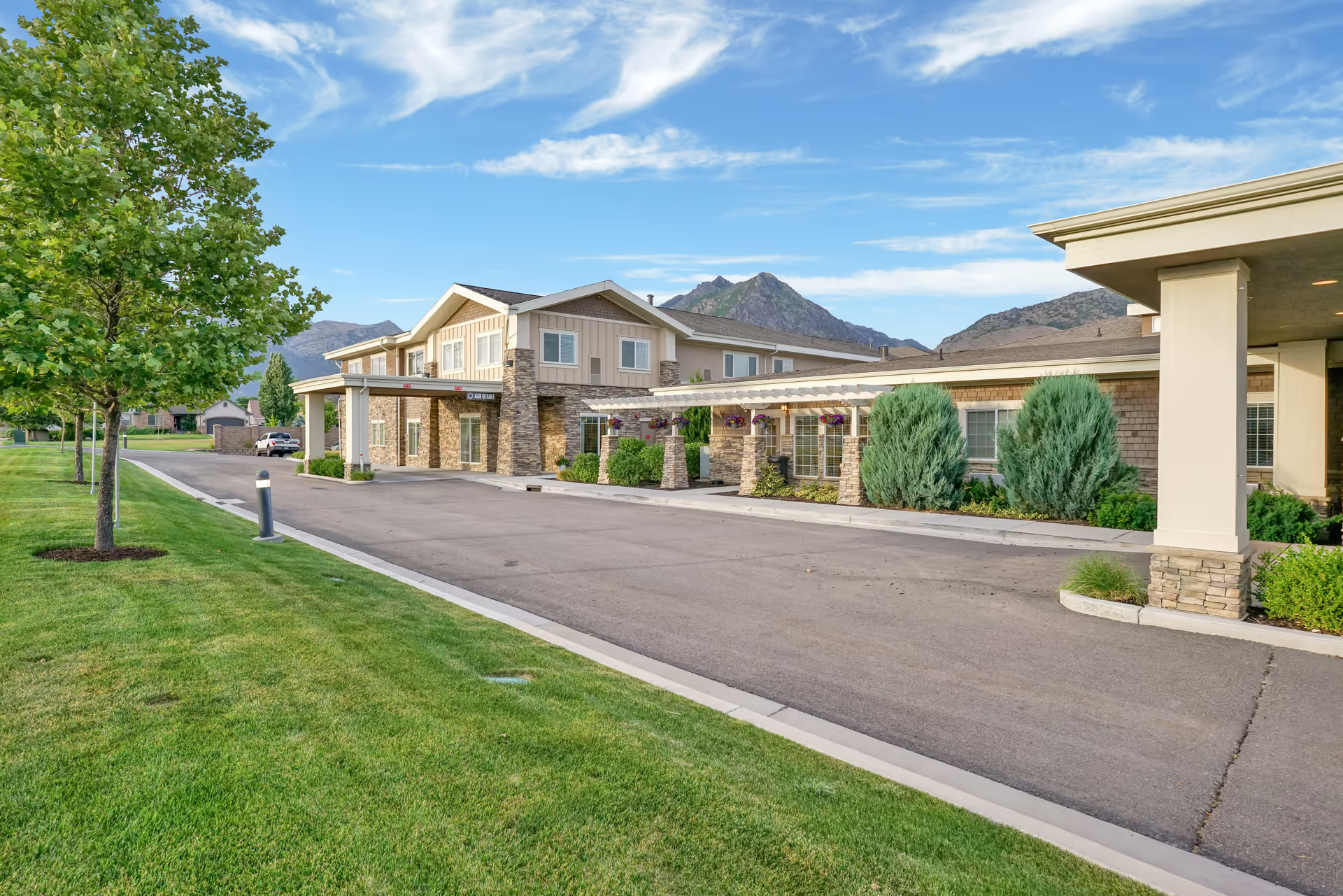
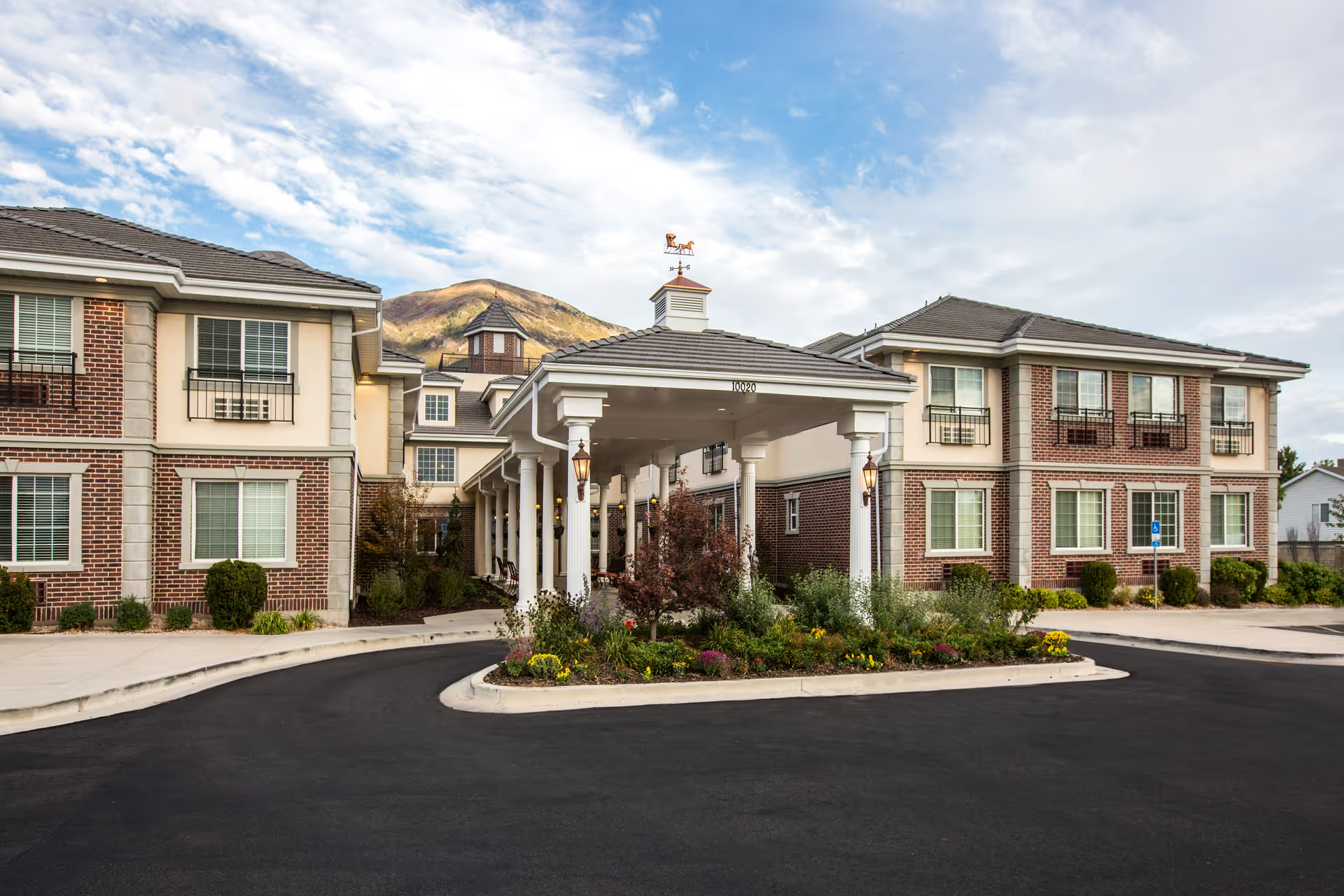
Facilities and maintenance: Physical amenities are notable: theater, exercise spaces, and multiple communal rooms receive praise, and grounds are described as pleasant and park-like. Conversely, the property is older in parts, with aging infrastructure and occasional appliance or maintenance problems noted. Some reviewers described interior areas or units as outdated or in need of refresh; there are also references to variable cleanliness and odor control in specific common areas. Prospective residents should evaluate room sizes and layout options during a tour, as some rooms are described as small and others more comfortable.
Management and operations: Administrative responsiveness and individualized family communication receive positive comments in many reports, with examples of staff facilitating transitions and working with families on care decisions. At the same time, several comments point to inconsistency in management communication around move-in and during transitions, and to operational effects of staffing turnover. The absence of a dedicated onsite physical-therapy gym or robust rehab space was noted as a service gap for residents requiring that level of therapy.
Notable patterns and guidance for families: The dominant pattern is strong interpersonal care and an active lifestyle offering, balanced against an older building and variable operational consistency. For prospective families, key areas to investigate during a visit include current staffing ratios and turnover, recent maintenance and upgrade plans, how the facility manages activity engagement across units, and specifics of memory-care programming and capacity. Overall, many families express high satisfaction and recommend the community, particularly when staff–resident rapport, social programming, and location align with the resident’s needs; others recommend clarifying operational and facility-condition details before committing.