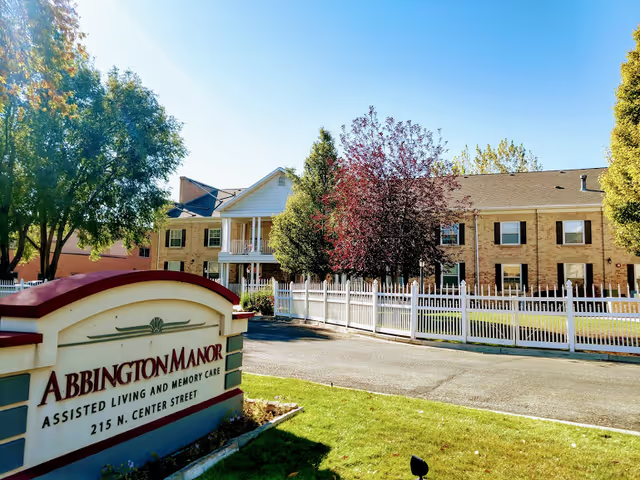
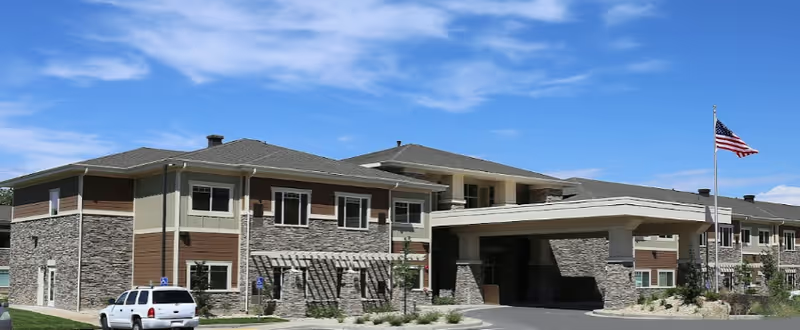
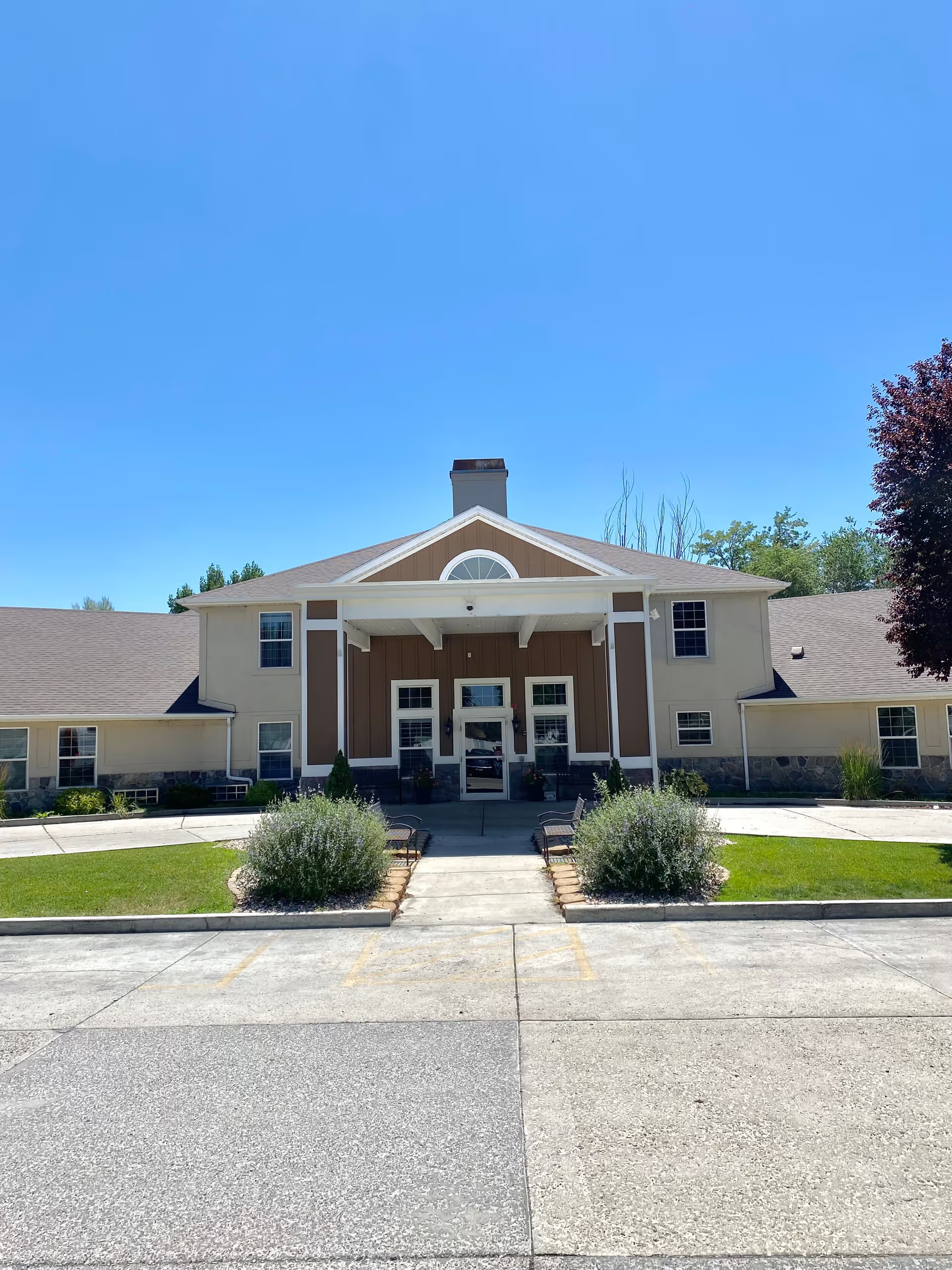
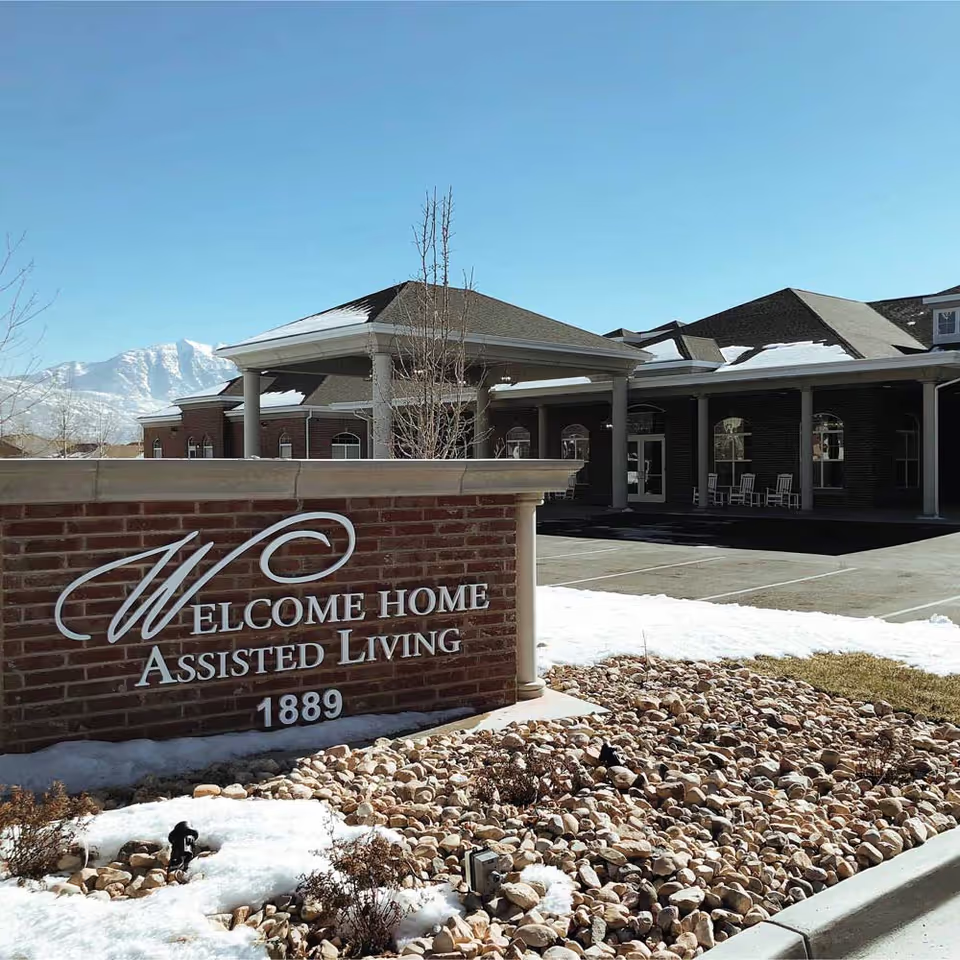
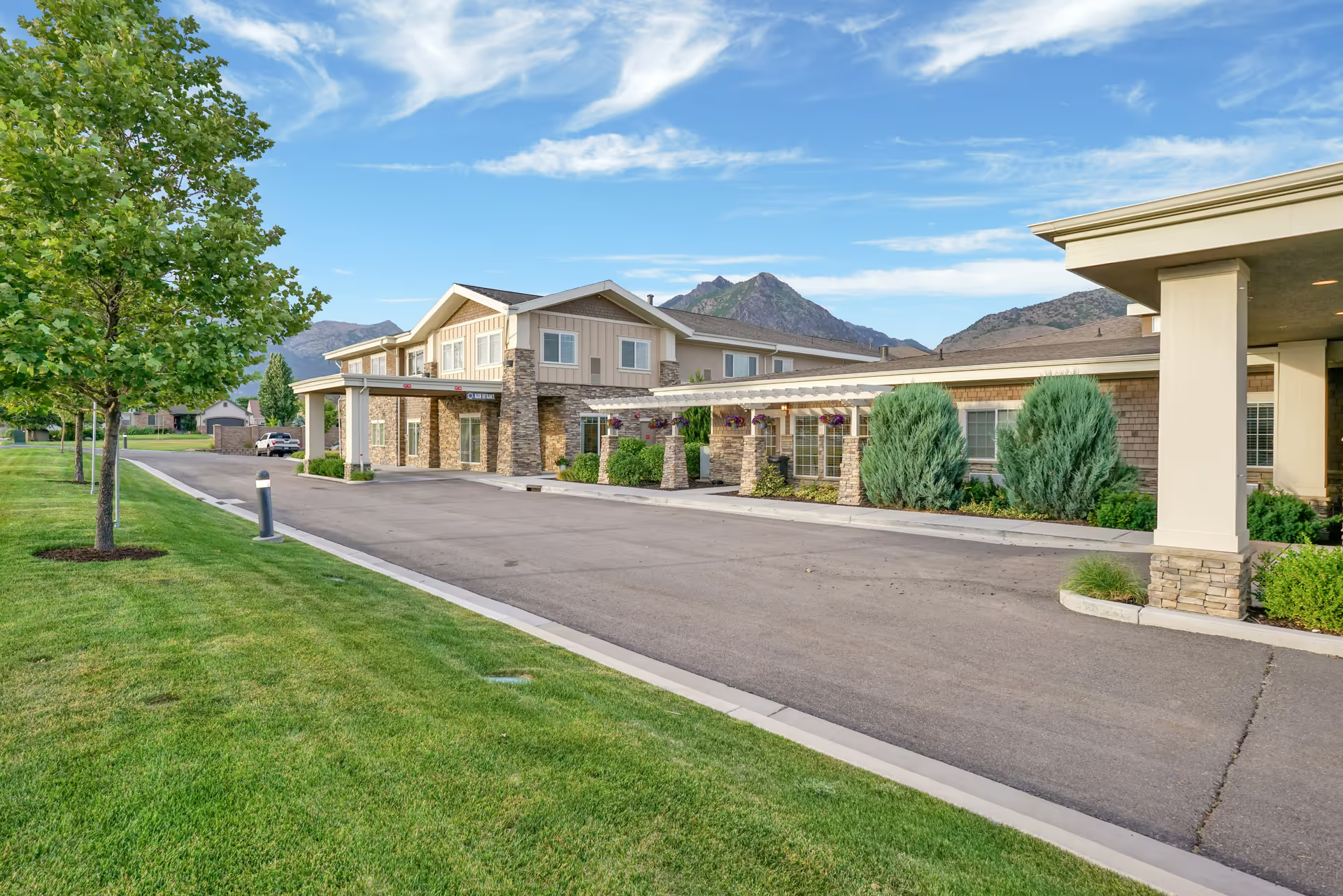
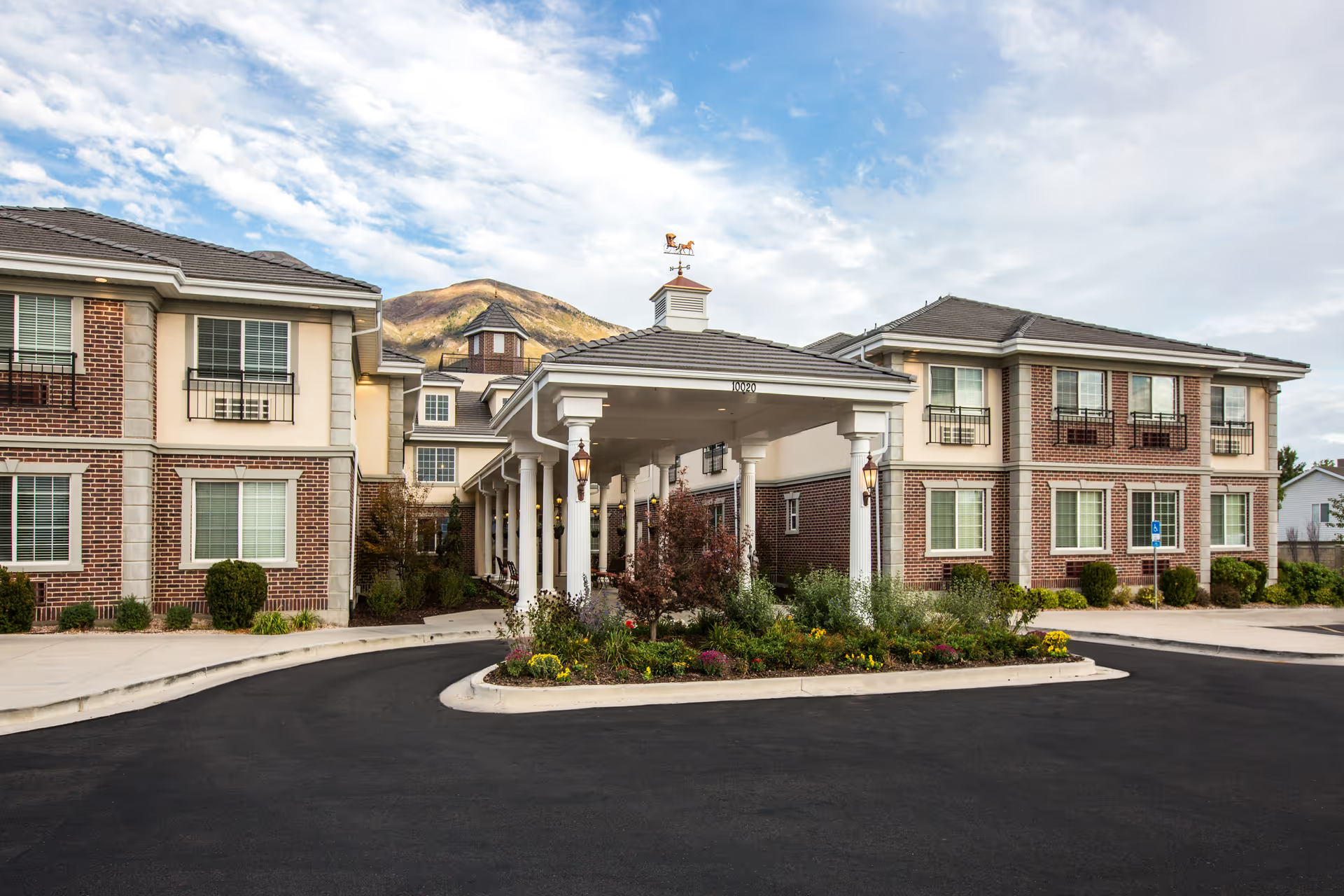
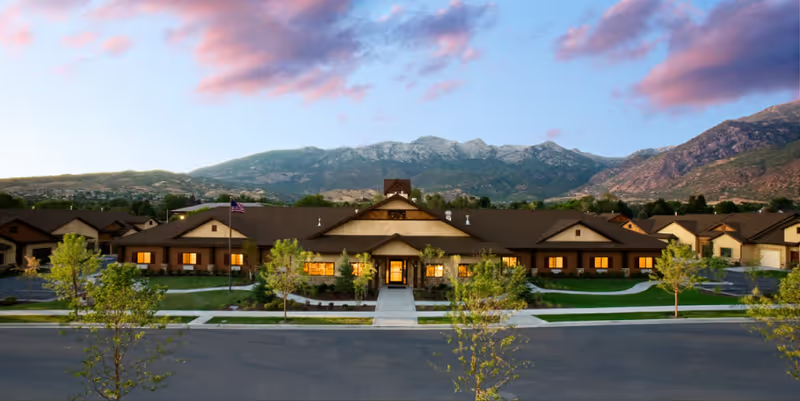
Reviews of Aspen Ridge Residences of Lehi present a starkly mixed picture. A substantial portion of feedback emphasizes strong, resident-focused strengths: a clean, modern building with attractive design; restaurant-style dining prepared by chefs; an active and diverse calendar of activities (live music, outings, movie theater, recreation programming); and a range of on-site amenities including a gym, physical-therapy room, salon, and social spaces. Many reviewers praise a warm front-desk presence, engaged recreation staff, and managerial responsiveness that contributes to a family-like community feeling.
Care and staffing are the areas with the greatest divergence. Positive accounts describe compassionate, attentive caregivers, prompt assistance, effective placement coordination with hospitals, and staff members who are knowledgeable and personally engaged with residents. Conversely, another set of reviews raises operational concerns that suggest instability in day-to-day clinical and direct-care functions: inconsistent staffing levels, role confusion between kitchen and caregiving duties, documented medication-administration problems, delays in responding to call systems and emergencies, and variability in incontinence and personal-care processes. Some reviewers also describe administrative actions taken with residents (eviction/relocation notices) and involvement of adult-protective services; there are also assertive claims of regulatory involvement including license revocation and state-directed closure. Those latter claims, if accurate, indicate serious compliance and oversight issues and should be verified with state licensing authorities.
Dining and activities are generally regarded as strengths: reviewers frequently note high-quality meals (with seconds and chef oversight), plentiful activities, regular bus trips, and social programming that supports resident engagement. At the same time, several accounts describe interruptions to meal service and variability in meal quality, which aligns with broader reported inconsistencies in staffing and kitchen–care coordination.
Facility condition and management impressions are similarly split. Many reviewers highlight a spotlessly maintained, bright, and welcoming facility with spacious apartments and thoughtful design. Management and named leaders are frequently described as responsive, proactive, and involved in resident life. However, some reviews point to maintenance concerns (for example, climate-control problems), administrative breakdowns such as unresolved mail/refund handling, and unclear follow-through on family communication. These operational weaknesses, together with the more serious compliance claims, underscore a pattern of uneven performance rather than exclusively positive or negative operation.
For prospective residents and families, the pattern suggests two priorities when evaluating this community in person: verify current regulatory and licensing status and request documentation around clinical operations, and assess operational consistency through targeted questions. Ask for current staffing ratios and turnover data, medication-management policies and audit logs, emergency-response protocols, recent state inspection and complaint records, examples of training programs for aides and nursing staff, and written procedures for administrative tasks (billing, mail forwarding, move-out accounting). Also observe meal-service flow and activity participation during a visit and request references from recent move-ins and families. The facility shows clear strengths in hospitality, amenities, and community life, but the contrasting accounts about clinical oversight, staffing stability, and regulatory matters warrant direct verification before making a placement decision.